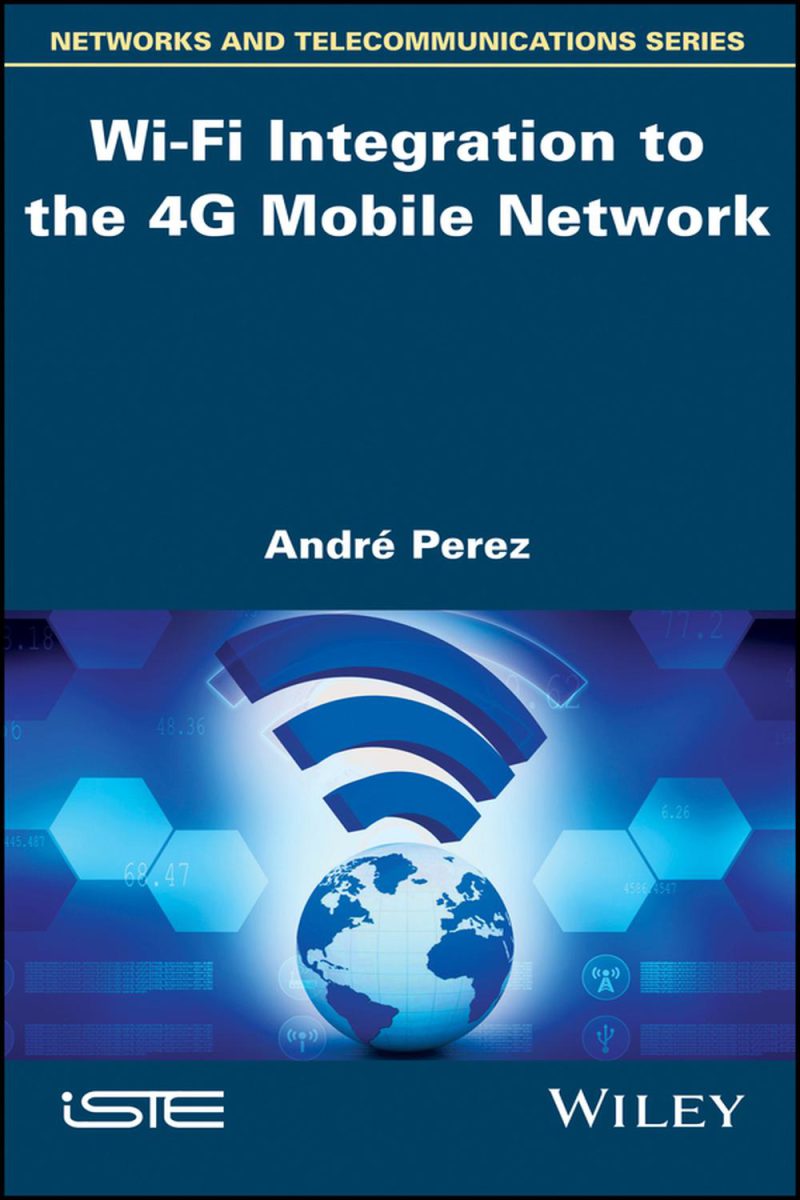
یکپارچهسازی وای-فای در شبکهی موبایل 4G ۲۰۱۸
Wi-Fi Integration to the 4G Mobile Network 2018
دانلود کتاب یکپارچهسازی وای-فای در شبکهی موبایل 4G ۲۰۱۸ (Wi-Fi Integration to the 4G Mobile Network 2018) با لینک مستقیم و فرمت pdf (پی دی اف)
| نویسنده |
André Pérez |
|---|
ناشر:
John Wiley & Sons
۳۰ هزار تومان تخفیف با کد «OFF30» برای اولین خرید
| سال انتشار |
2018 |
|---|---|
| زبان |
English |
| تعداد صفحهها |
288 |
| نوع فایل |
|
| حجم |
6.1MB |
🏷️ 200,000 تومان قیمت اصلی: 200,000 تومان بود.129,000 تومانقیمت فعلی: 129,000 تومان.
🏷️
378,000 تومان
قیمت اصلی: ۳۷۸٬۰۰۰ تومان بود.
298,000 تومان
قیمت فعلی: ۲۹۸٬۰۰۰ تومان.
📥 دانلود نسخهی اصلی کتاب به زبان انگلیسی(PDF)
🧠 به همراه ترجمهی فارسی با هوش مصنوعی
🔗 مشاهده جزئیات
دانلود مستقیم PDF
ارسال فایل به ایمیل
پشتیبانی ۲۴ ساعته
توضیحات
معرفی کتاب یکپارچهسازی وای-فای در شبکهی موبایل 4G ۲۰۱۸
گسترش استفاده از تلفنهای هوشمند، منجر به افزایش استفاده از سرویسهایی شده است که نیازمند پخش جریانی (streaming) هستند، مانند پخش جریانی ویدیو، که خود محدودیتی برای شبکه تلفن همراه 4G به شمار میآید. ادغام شبکه نقاط اتصال (hotspot) وایفای (Wi-Fi) که توسط اپراتورها ایجاد شده، ظرفیت شبکه تلفن همراه 4G را افزایش میدهد.
استفاده از فناوری وایفای در شبکههای اپراتوری، نتیجهی توسعههای هماهنگشده توسط سازمانهای استاندارد IEEE، WFA و WBA است. از سوی دیگر، سازمان استاندارد 3GPP نیز در تلاش است تا فناوری وایفای را در شبکه تلفن همراه 4G ادغام کند.
بخش اول این کتاب به معرفی ویژگیهای رابط رادیویی وایفای میپردازد. لایههای فیزیکی مختلف IEEE 802.11b/g/n/ac، پیادهسازی در باندهای فرکانسی ISM 2.4 گیگاهرتز و U-NII در 5 گیگاهرتز را مشخص میکنند. لایه MAC تعدادی از رویههای دسترسی به رسانه مانند اسکن، ارتباط و انتقال داده را تعریف میکند.
بخش دوم این کتاب به معماری شبکه 4G مبتنی بر رابط وایفای میپردازد. این معماری چندین مدل را تعریف میکند که از یک سو، مربوط به دسترسی کنترلشده یا کنترلنشده به وایفای است و از سوی دیگر، به تحویل (handover) کنترلشده توسط شبکه یا توسط تلفن همراه. ادغام فناوری وایفای منجر به بازتعریف رویههای اتصال و راهاندازی جلسه شده است.
تلفنهای هوشمند این قابلیت را دارند که دو رابط رادیویی LTE و وایفای را بهطور همزمان فعال کنند، که این امکان را فراهم میآورد تا خدمات خاصی را به یکی و یا هر دو رابط هدایت کنند. عملکردهای ANDSF و HotSpot 2.0 قوانینی را برای انتخاب شبکه و کنترل ترافیک در اختیار تلفن همراه قرار میدهند تا مشخص شود کدام ترافیک باید به چه نوع رابطی هدایت شود.
فهرست کتاب:
۱. روی جلد
۲. فهرست مطالب
۳. عنوان
۴. حق چاپ
۵. فهرست اختصارات
۶. مقدمه
۱ معماری مبتنی بر دسترسی وای-فای
۲ لایه MAC
۳ رابط های ۸۰۲.۱۱a/g
۴ رابط ۸۰۲.۱۱n
۵ رابط ۸۰۲.۱۱ac
۶ احراز هویت متقابل
۷ ایجاد تونل SWu
۸ ایجاد تونل S۲a/S۲b
۹ ایجاد تونل S۲c
۱۰ کشف و انتخاب شبکه
۱۱ تجمیع حامل (Carrier Aggregation)
۱۲ تجمیع MPTCP
۱۹. کتابنامه
۲۰. نمایه
۲۱. توافقنامه مجوز کاربری نهایی
توضیحات(انگلیسی)
The adoption of smartphones has had as a corollary the use of services that require streaming, such as video streaming, which is a constraint for the 4G mobile network. The integration of the network of Wi-Fi hotspots deployed by the operators adds capacity to the 4G mobile network.
The use of Wi-Fi technology in carrier networks is the result of developments coordinated by the IEEE, WFA and WBA standardization bodies. For its part, the 3GPP standardization body has been working to integrate Wi-Fi technology into the 4G mobile network.
The first part of this book presents the characteristics of the Wi-Fi radio interface. The different IEEE 802.11b / g / n / ac physical layers characterize the implementation in the 2.4 GHz ISM frequency bands and U- NII at 5 GHz. The MAC layer defines a number of media access procedures such as scanning, associating, or transferring data.
The second part of this book deals with the architecture of the 4G network based on the Wi-Fi interface. This architecture defines several models corresponding, on the one hand, to Wi-Fi access controlled or not, On the other hand, to a handover controlled by the network or by the mobile. The integration of Wi-Fi technology resulted in a redefinition of attachment and session set-up procedures.
Smartphones have the ability to activate simultaneously the two radio interfaces, LTE and Wi-Fi, which allows to direct certain services to one and / or the other of the interfaces. The ANDSF and HotSpot 2.0 functions provide the mobile with rules for network selection and traffic control to determine which traffic is to be routed to what type of interface.
The use of Wi-Fi technology in carrier networks is the result of developments coordinated by the IEEE, WFA and WBA standardization bodies. For its part, the 3GPP standardization body has been working to integrate Wi-Fi technology into the 4G mobile network.
The first part of this book presents the characteristics of the Wi-Fi radio interface. The different IEEE 802.11b / g / n / ac physical layers characterize the implementation in the 2.4 GHz ISM frequency bands and U- NII at 5 GHz. The MAC layer defines a number of media access procedures such as scanning, associating, or transferring data.
The second part of this book deals with the architecture of the 4G network based on the Wi-Fi interface. This architecture defines several models corresponding, on the one hand, to Wi-Fi access controlled or not, On the other hand, to a handover controlled by the network or by the mobile. The integration of Wi-Fi technology resulted in a redefinition of attachment and session set-up procedures.
Smartphones have the ability to activate simultaneously the two radio interfaces, LTE and Wi-Fi, which allows to direct certain services to one and / or the other of the interfaces. The ANDSF and HotSpot 2.0 functions provide the mobile with rules for network selection and traffic control to determine which traffic is to be routed to what type of interface.
Table of Contents
1. Cover
2. Table of Contents
3. Title
4. Copyright
5. List of Abbreviations
6. Introduction
1 Architecture Based on Wi-Fi Access
2 MAC Layer
3 802.11a/g Interfaces
4 802.11n Interface
5 802.11ac Interface
6 Mutual Authentication
7 SWu Tunnel Establishment
8 S2a/S2b Tunnel Establishment
9 S2c Tunnel Establishment
10 Network Discovery and Selection
11 Carrier Aggregation
12 MPTCP Aggregation
19. Bibliography
20. Index
21. End User License Agreement
دیگران دریافت کردهاند
بهداشت و درمان مجهز به وای فای ۲۰۱۴
Wi-Fi Enabled Healthcare 2014
🏷️ 200,000 تومان قیمت اصلی: 200,000 تومان بود.129,000 تومانقیمت فعلی: 129,000 تومان.
شبکههای مش چندایستگاهی WiFi، WiMAX و LTE: پروتکلهای ارتباطی پایه و حوزههای کاربرد ۲۰۱۳
WiFi, WiMAX, and LTE Multi-hop Mesh Networks: Basic Communication Protocols and Application Areas 2013
🏷️ 200,000 تومان قیمت اصلی: 200,000 تومان بود.129,000 تومانقیمت فعلی: 129,000 تومان.
MIMO-OFDM برای LTE، وایفای و وایمکس: گیرندههای-فرستندههای توربو همدوس در برابر غیرهمدوس و مشارکتی ۲۰۱۱
MIMO-OFDM for LTE, WiFi and WiMAX: Coherent versus Non-coherent and Cooperative Turbo Transceivers 2011
🏷️ 200,000 تومان قیمت اصلی: 200,000 تومان بود.129,000 تومانقیمت فعلی: 129,000 تومان.
دسترسی بیسیم پهنباند و شبکههای محلی: موبایل وایمکس و وایفای ۲۰۰۸
Broadband Wireless Access and Local Networks: Mobile WiMax and WiFi 2008
🏷️ 200,000 تومان قیمت اصلی: 200,000 تومان بود.129,000 تومانقیمت فعلی: 129,000 تومان.
✨ ضمانت تجربه خوب مطالعه
بازگشت کامل وجه
در صورت مشکل، مبلغ پرداختی بازگردانده می شود.
دانلود پرسرعت
دانلود فایل کتاب با سرعت بالا
ارسال فایل به ایمیل
دانلود مستقیم به همراه ارسال فایل به ایمیل.
پشتیبانی ۲۴ ساعته
با چت آنلاین و پیامرسان ها پاسخگو هستیم.
ضمانت کیفیت کتاب
کتاب ها را از منابع معتیر انتخاب می کنیم.