Sale
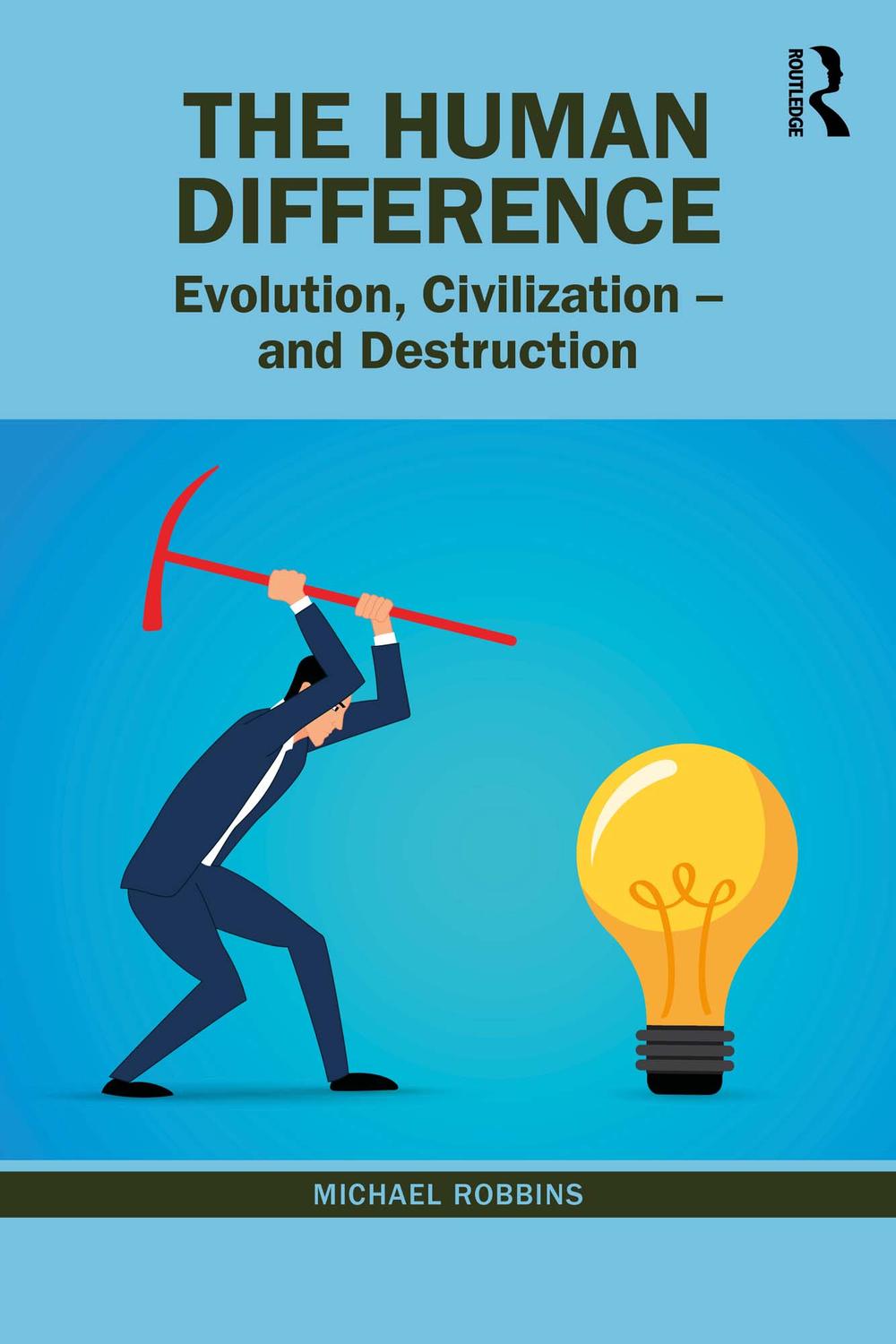
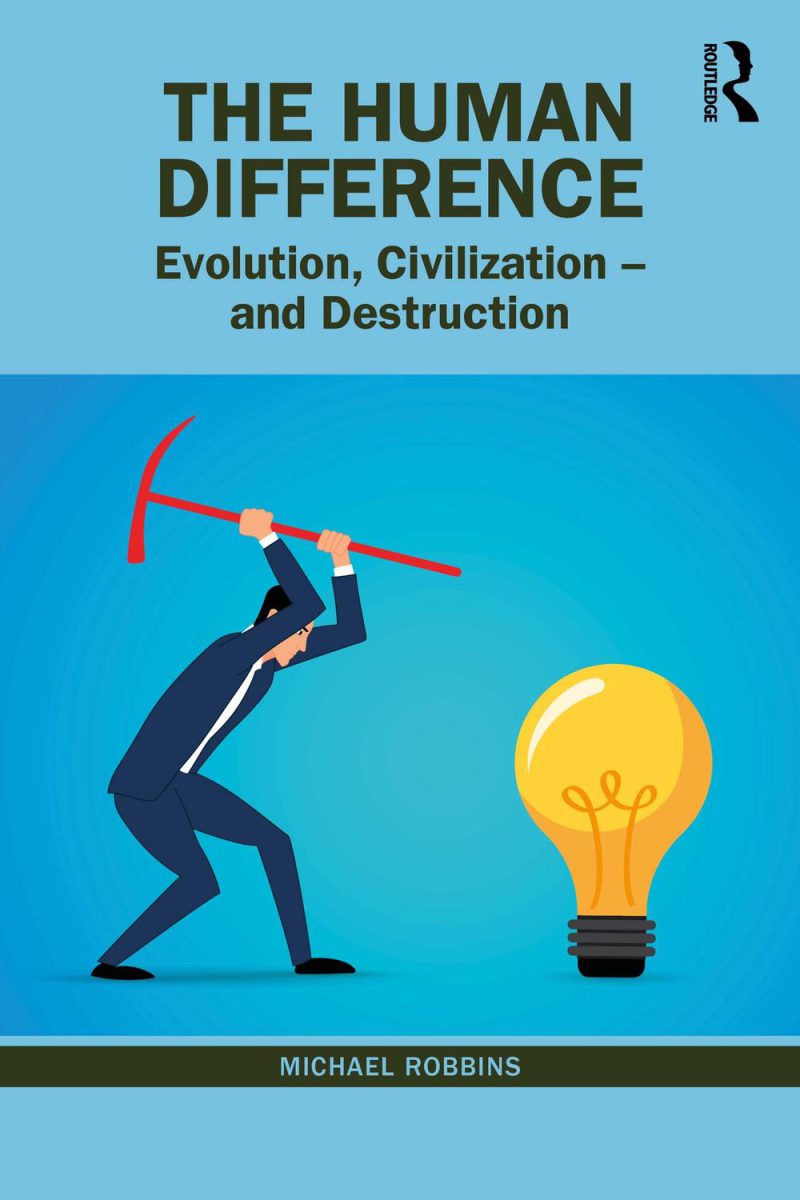
دانلود کتاب تفاوت انسانی: تکامل، تمدن – و نابودی ۲۰۲۳ (The Human Difference: Evolution, Civilization – and Destruction 2023) با لینک مستقیم و فرمت pdf (پی دی اف)
| نویسنده |
Michael Robbins |
|---|

۳۰ هزار تومان تخفیف با کد «OFF30» برای اولین خرید
| سال انتشار |
2023 |
|---|---|
| زبان |
English |
| تعداد صفحهها |
178 |
| نوع فایل |
epub, pdf |
| حجم |
3 Mb, 791 Kb |
🏷️ 200,000 تومان قیمت اصلی: 200,000 تومان بود.129,000 تومانقیمت فعلی: 129,000 تومان.
🏷️
378,000 تومان
قیمت اصلی: ۳۷۸٬۰۰۰ تومان بود.
298,000 تومان
قیمت فعلی: ۲۹۸٬۰۰۰ تومان.
این کتاب از دیدگاه چند رشته ای مبتنی بر روانکاوی، جلوه های ذهن را که انسان ها را از سایر گونه ها، فرهنگ، تمدن و تخریب متمایز می کند، بررسی می کند.
روانکاوی توسط فروید برای درک نوروز و روان پریشی، نام هایی که او به تخریب فردی انسان داده بود، ایجاد شد. درک او محدود و نادرست بود زیرا علم تکامل و رشته های جامعه شناسی و انسان شناسی فرهنگی در زمان تدوین ایده هایش در مراحل اولیه خود بودند. او درک نکرد که تخریب در انسان ها به طور کیفی با سایر گونه ها متفاوت است و مشکل تبدیل غرایز بیولوژیکی به فرآیندهای ذهنی را نادیده گرفت. این محدودیت ها روانکاوی را با یکی از پیچیده ترین مشکلات حل نشده اش، جهش مرموز از ذهن به بدن، مواجه کرد. این کتاب توضیح می دهد که نئوتنی، دوره طولانی بلوغ پس از تولد که انسان ها را از سایر حیوانات متمایز می کند، یادگیری پیچیده از مراقبان را می طلبد و امکان پذیر می کند. دانش به دست آمده از این یادگیری و انتقال آن به نسل های بعد است که نظریه بیولوژیکی تکامل را با نظریه روان اجتماعی روانکاوی پیوند می دهد و توضیح می دهد که چگونه گونه انسانی منحصر به فرد است.
این کتاب برای کسانی که می خواهند در مورد نحوه ادغام یافته های علم تکامل، انسان شناسی نخستی سانان، جامعه شناسی و انسان شناسی فرهنگی با نظریه روانکاوی و گسترش درک ما از آنچه انسان ها را منحصر به فرد می کند و پیامدهای آن برای آینده گونه ما، و چگونگی توانمندسازی ما برای تاثیرگذاری بر سرنوشت بشریت، علاقه مند هستند، مفید خواهد بود.
۱. روی جلد
۲. صفحه تاییدیه
۳. صفحه اول کتاب
۴. صفحه عنوان
۵. صفحه حق تکثیر
۶. تقدیمنامه
۷. فهرست مطالب
۸. پیشگفتار
۱ مقدمه: مشارکت های متقابلاً غنی کننده نظریه روانکاوی ذهن و نظریه زیستی تکامل در درک منحصر به فرد بودن تمدن انسانی و مخرب بودن انسان
۲ هومو دسترودو: تجلیات مخرب بودن انسان
۳ مخرب بودن انسان در اسطوره شناسی و داستان
۴ تاریخچه مشارکت ها و محدودیت های روانکاوی و سایر رشته ها در درک مخرب بودن انسان
۵ تفاوت بین انسان و سایر گونه های نخستی: یادگیری پیچیده و انباشت و انتقال بین نسلی دانش
۶ نظریه تکامل و محدودیت های آن در درک تفاوت انسان
۷ بازنگری نظریه تکامل برای توضیح تفاوت انسان
۸ ماهیت منحصر به فرد ذهن انسان: تفکر بازتابی بازنمودی
۹ منشاء تفکر بازتابی و فردیت انسان در طول مرحله دلبستگی-جدایی رشد
۱۰ اصول اساسی حاکم بر سازمان اجتماعی گونه ها
۱۱ سازمان اجتماعی انسان در آغاز: استنتاج از قبایل باقی مانده انسانی
۱۲ تکامل تفاوت اجتماعی انسان از طریق کسب و انتقال بین نسلی دانش
۱۳ منشاء رشدی مخرب بودن فردی: تعامل زیست شناسی و یادگیری
۱۴ مخرب بودن فردی انسان: از شکست های خود مراقبتی تا طیف روان پریشی ها
۱۵ مخرب بودن فردی انسان: چهار بیمار و یک رئیس جمهور سابق
۱۶ مخرب بودن اجتماعی: برخورد بین گروه ها: اعتقاد در برابر اعتقاد، اعتقاد در برابر تفکر بازتابی و تفکر بازتابی در برابر تفکر بازتابی
۱۷ تمدن و تعامل گیج کننده نیروهای سازنده و مخرب
۱۸ پیامدهای درک روانکاوی از تفاوت انسان بر اساس یک نظریه بازنگری شده تکامل برای جامعه و سرنوشت گونه ما
۲۷. منابع
۲۸. فهرست نمایه
From a multidisciplinary perspective grounded in psychoanalysis, this book explores the manifestations of mind that distinguish humans from other species, culture, civilization, and destructiveness.
Psychoanalysis was created by Freud in an effort to understand neurosis and psychosis, the names he gave to individual human destructiveness. His understanding was limited and incorrect because the science of evolution and the disciplines of sociology and cultural anthropology were in their infancy when he formulated his ideas. He did not comprehend that destructiveness is qualitatively different in humans than in other species and he ignored the problem of how biological instincts become mental processes. These limitations left psychoanalysis with one of its most perplexing unsolved problems, the mysterious leap from mind to body. This book explains how neoteny, the prolonged period of postnatal immaturity that distinguishes humans from other animals, requires and enables complex learning from caregivers. It is the knowledge acquired from this learning and its intergenerational transmission that links the biological theory of evolution with the psychosocial theory of psychoanalysis and explains how the human species is unique.
This book will be of interest to those who want to learn about how integrating the findings of evolutionary science, primatology, sociology, and cultural anthroplogy with the theory of psychoanalysis expands our understanding of what makes humans unique and its implications for the future of our species, and how it empowers us to influence the destiny of humankind.
1. Cover
2. Endorsement page
3. Half Title
4. Title Page
5. Copyright Page
6. Dedication
7. Table of Contents
8. Preface
1 Introduction: The mutually enriching contributions of the psychoanalytic theory of mind and the biological theory of evolution to understanding the uniqueness of human civilization and human destructiveness
2 Homo destrudo: The manifestations of human destructiveness
3 Human destructiveness in mythology and fiction
4 A history of the contributions and limitations of psychoanalysis and other disciplines to the understanding of human destructiveness
5 The difference between humans and other primate species: Complex learning and the accumulation and intergenerational transmission of knowledge
6 The theory of evolution and its limitations comprehending the human difference
7 Revising the theory of evolution to account for the human difference
8 The unique nature of human mind: Reflective representational thought
9 The origins of reflective thought and human individuality during the attachment-separation phase of development
10 The basic principles governing the social organization of species
11 Human social organization in the beginning: Inferences from remaining human tribes
12 Evolution of the human social difference through the acquisition and intergenerational transmission of knowledge
13 The developmental origins of individual destructiveness: The interaction of biology and learning
14 Individual human destructiveness: From failures of self-care to the spectrum of psychoses
15 Individual human destructiveness: Four patients and a former president
16 Social destructiveness: The clash between groups: Belief versus belief, belief versus reflective thought, and reflective thought versus reflective thought
17 Civilization and the confusing interaction of constructive and destructive forces
18 Implications of a psychoanalytic understanding of the human difference based on a revised theory of evolution for society and for the fate of our species
27. References
28. Index
✨ ضمانت تجربه خوب مطالعه
در صورت مشکل، مبلغ پرداختی بازگردانده می شود.
دانلود فایل کتاب با سرعت بالا
دانلود مستقیم به همراه ارسال فایل به ایمیل.
با چت آنلاین و پیامرسان ها پاسخگو هستیم.
کتاب ها را از منابع معتیر انتخاب می کنیم.

 هوشمصنوعی ترجمه کالیبو