Sale

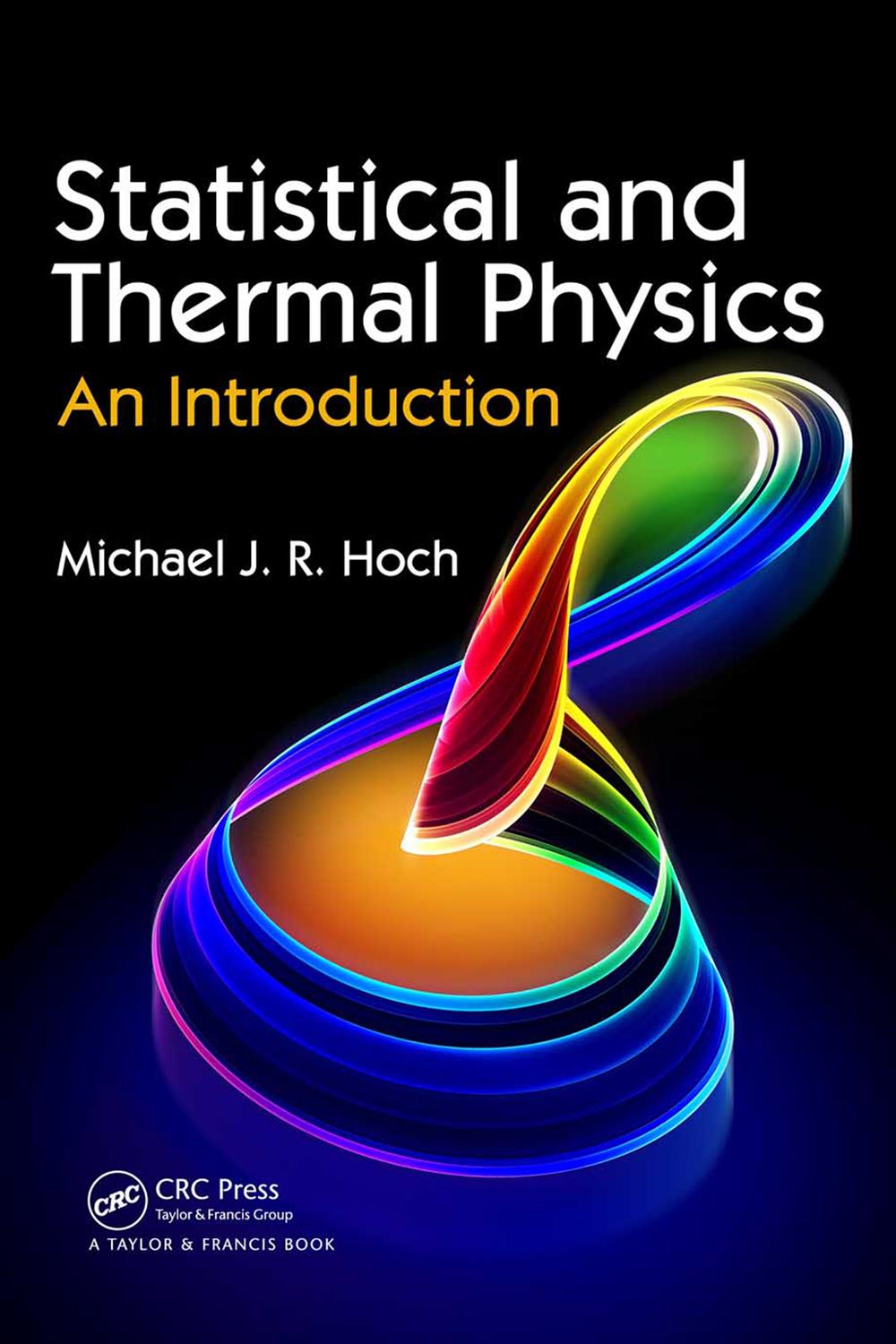
دانلود کتاب فیزیک آماری و ترمودینامیک ۲۰۲۱ (Statistical and Thermal Physics 2021) با لینک مستقیم و فرمت pdf (پی دی اف) و ترجمه فارسی
| نویسنده |
Michael J.R. Hoch |
|---|

۳۰ هزار تومان تخفیف با کد «OFF30» برای اولین خرید
| سال انتشار |
2021 |
|---|---|
| زبان |
English |
| تعداد صفحهها |
348 |
| نوع فایل |
|
| حجم |
13.7 MB |
🏷️ 200,000 تومان قیمت اصلی: 200,000 تومان بود.129,000 تومانقیمت فعلی: 129,000 تومان.
🏷️
378,000 تومان
قیمت اصلی: ۳۷۸٬۰۰۰ تومان بود.
298,000 تومان
قیمت فعلی: ۲۹۸٬۰۰۰ تومان.
بخش اول این کتاب از نه فصل تشکیل شده است که سه فصل اول به مبانی ترمودینامیک تعادلی، از جمله رابطه اساسی، میپردازد. سه فصل بعدی ریزحالتها را معرفی کرده و منجر به تعریف بولتزمن از آنتروپی با استفاده از رویکرد مجموعه میکروکانونی میشود. در توسعه موضوع، گاز ایدهآل و سیستم اسپین ایدهآل به عنوان مدلهایی برای بحث معرفی میشوند. قوانین ترمودینامیک به طور خلاصه بیان شدهاند. سه فصل پایانی بخش اول پتانسیلهای ترمودینامیکی و روابط ماکسول را معرفی میکنند. کاربردهای ترمودینامیک در گازها، ماده چگال، و گذارهای فازی و پدیدههای بحرانی به تفصیل مورد بررسی قرار میگیرند.
فصلهای ابتدایی در بخش دوم، عناصر نظریه احتمال را ارائه داده و معادل بودن ترمودینامیکی سه مجموعه آماری را که در تعیین احتمالات استفاده میشوند، ثابت میکنند. توزیعهای کانونی و بزرگ کانونی بدست آمده و مورد بحث قرار میگیرند. فصلهای 12 تا 15 به توزیعهای کوانتومی مربوط میشوند. با استفاده از توزیع بزرگ کانونی، توابع توزیع کوانتومی فرمی-دیراک و بوز-اینشتین استخراج شده و سپس برای توضیح خواص گازهای ایدهآل فرمی و بوز استفاده میشوند. توزیع پلانک معرفی شده و در مورد فوتونها در تابش و فونونها در جامدات اعمال میشود. پنج فصل آخر طیف وسیعی از موضوعات را پوشش میدهند: بازبینی گاز ایدهآل، سیستمهای غیرا ایدهآل، ماتریس چگالی، واکنشها و ترمودینامیک برگشتناپذیر. یک فلوچارت برای کمک به اساتید در برنامهریزی دوره ارائه شده است.
ویژگیهای کلیدی:
* بهروزرسانی کامل در سراسر کتاب، با محتوای جدید در مورد موضوعات جذاب، از جمله ترمودینامیک سیاهچاله، زنجیرههای پادفرومغناطیسی هایزنبرگ، آنتروپی و نظریه اطلاعات، منابع انرژی تجدیدپذیر و تجدیدناپذیر، و نظریه میدان میانگین سیستمهای پادفرومغناطیسی.
* تمرینهای مسئلهی اضافی با حلها، فرصتهای یادگیری بیشتری را فراهم میکنند.
* مناسب برای دانشجویان کارشناسی پیشرفته در فیزیک یا فیزیک کاربردی.
مایکل جی. آر. هوخ سالها به عنوان دانشمند مهمان در آزمایشگاه ملی میدان مغناطیسی بالا در دانشگاه ایالتی فلوریدا، ایالات متحده آمریکا، گذراند. پیش از این، او استاد فیزیک و مدیر واحد تحقیقات فیزیک ماده چگال در دانشگاه ویتواترسرند، ژوهانسبورگ بود، جایی که در حال حاضر استاد بازنشسته در دانشکده فیزیک است.
۱. روی جلد
۲. صفحه عنوان فرعی
۳. صفحه عنوان
۴. صفحه حق تکثیر
۵. تقدیمنامه
۶. فهرست مطالب
۷. پیشگفتار
۸. سپاسگزاری
۹. نویسنده
۱۰. بخش اول: فیزیک حرارتی کلاسیک: مجموعه میکروکانونی
۱۱. قسمت IA: مقدمهای بر مفاهیم فیزیک حرارتی کلاسیک: قوانین اول و دوم ترمودینامیک
۱۲. قسمت IB: حالتهای میکرو و تفسیر آماری آنتروپی
۱۳. قسمت IC: کاربردهای ترمودینامیک در گازها و مواد چگال، گذارهای فازی و پدیدههای بحرانی
۱۴. بخش دوم: فیزیک آماری کوانتومی و کاربردهای فیزیک حرارتی
۱۵. قسمت IIA: مجموعههای کانونی و گراند کانونی و توزیعها
۱۶. قسمت IIB: توابع توزیع کوانتومی، آمار فرمی-دیراک و بوز-اینشتین، فوتونها و فونونها
۱۷. قسمت IIC: گاز ایدهآل کلاسیک، آمار ماکسول-بولتزمن، سیستمهای غیر ایدهآل
۱۸. قسمت IID: ماتریس چگالی، واکنشها و فرآیندهای مرتبط، و مقدمهای بر ترمودینامیک برگشتناپذیر
۱۹. پیوست الف: روابط ریاضی مفید
۲۰. پیوست ب: توزیع دوجملهای
۲۱. پیوست پ: مبانی مکانیک کوانتومی
۲۲. پیوست ت: تبدیل لژاندر در ترمودینامیک
۲۳. پیوست ث: متون پیشنهادی در فیزیک آماری و حرارتی
۲۴. فهرست نمایه
Thermal and statistical physics has established the principles and procedures needed to understand and explain the properties of systems consisting of macroscopically large numbers of particles. By developing microscopic statistical physics and macroscopic classical thermodynamic descriptions in tandem, Statistical and Thermal Physics: An Introduction provides insight into basic concepts and relationships at an advanced undergraduate level. This second edition is updated throughout, providing a highly detailed, profoundly thorough, and comprehensive introduction to the subject and features exercises within the text as well as end-of-chapter problems.
Part I of this book consists of nine chapters, the first three of which deal with the basics of equilibrium thermodynamics, including the fundamental relation. The following three chapters introduce microstates and lead to the Boltzmann definition of the entropy using the microcanonical ensemble approach. In developing the subject, the ideal gas and the ideal spin system are introduced as models for discussion. The laws of thermodynamics are compactly stated. The final three chapters in Part I introduce the thermodynamic potentials and the Maxwell relations. Applications of thermodynamics to gases, condensed matter, and phase transitions and critical phenomena are dealt with in detail.
Initial chapters in Part II present the elements of probability theory and establish the thermodynamic equivalence of the three statistical ensembles that are used in determining probabilities. The canonical and the grand canonical distributions are obtained and discussed. Chapters 12-15 are concerned with quantum distributions. By making use of the grand canonical distribution, the Fermi–Dirac and Bose–Einstein quantum distribution functions are derived and then used to explain the properties of ideal Fermi and Bose gases. The Planck distribution is introduced and applied to photons in radiation and to phonons on solids. The last five chapters cover a variety of topics: the ideal gas revisited, nonideal systems, the density matrix, reactions, and irreversible thermodynamics. A flowchart is provided to assist instructors on planning a course.
Key Features:
Michael J.R. Hoch spent many years as a visiting scientist at the National High Magnetic Field Laboratory at Florida State University, USA. Prior to this, he was a professor of physics and the director of the Condensed Matter Physics Research Unit at the University of the Witwatersrand, Johannesburg, where he is currently professor emeritus in the School of Physics.
1. Cover
2. Half Title
3. Title Page
4. Copyright Page
5. Dedication
6. Table of Contents
7. Preface
8. Acknowledgments
9. Author
10. Part I Classical Thermal Physics: The Microcanonical Ensemble
11. Section IA Introduction to Classical Thermal Physics Concepts: The First and Second Laws of Thermodynamics
12. Section IB Microstates and the Statistical Interpretation of Entropy
13. Section IC Applications of Thermodynamics to Gases and Condensed Matter, Phase Transitions, and Critical Phenomena
14. Part II Quantum Statistical Physics and Thermal Physics Applications
15. Section IIA The Canonical and Grand Canonical Ensembles and Distributions
16. Section IIB Quantum Distribution Functions, Fermi–Dirac and Bose–Einstein Statistics, Photons, and Phonons
17. Section IIC The Classical Ideal Gas, Maxwell–Boltzmann Statistics, Nonideal Systems
18. Section IID The Density Matrix, Reactions and Related Processes, and Introduction to Irreversible Thermodynamics
19. Appendix A: Useful Mathematical Relationships
20. Appendix B: The Binomial Distribution
21. Appendix C: Elements of Quantum Mechanics
22. Appendix D: The Legendre Transform in Thermodynamics
23. Appendix E: Recommended Texts on Statistical and Thermal Physics
24. Index
✨ ضمانت تجربه خوب مطالعه
در صورت مشکل، مبلغ پرداختی بازگردانده می شود.
دانلود فایل کتاب با سرعت بالا
دانلود مستقیم به همراه ارسال فایل به ایمیل.
با چت آنلاین و پیامرسان ها پاسخگو هستیم.
کتاب ها را از منابع معتیر انتخاب می کنیم.

 هوشمصنوعی ترجمه کالیبو