Sale
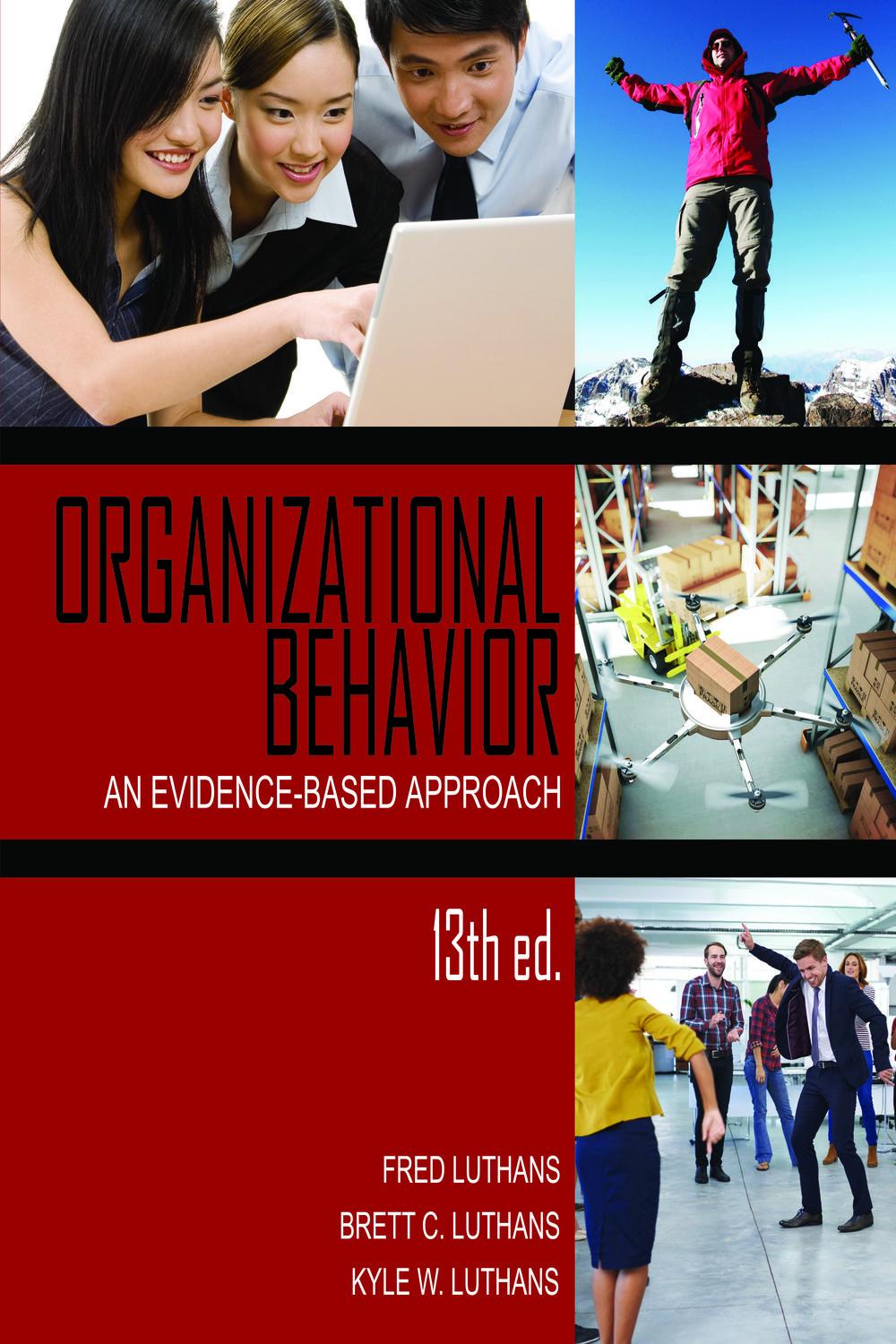
دانلود کتاب رفتار سازمانی: رویکردی مبتنی بر شواهد، ویرایش سیزدهم ۲۰۱۵ (Organizational Behavior: An Evidence-Based Approach, 13th Ed. 2015) با لینک مستقیم و فرمت pdf (پی دی اف)
| نویسنده |
Fred Luthans, Brett C. Luthans, Kyle W. Luthans |
|---|

۳۰ هزار تومان تخفیف با کد «OFF30» برای اولین خرید
| سال انتشار |
2015 |
|---|---|
| زبان |
English |
| تعداد صفحهها |
545 |
| نوع فایل |
|
| حجم |
42.1 MB |
🏷️ 200,000 تومان قیمت اصلی: 200,000 تومان بود.129,000 تومانقیمت فعلی: 129,000 تومان.
🏷️
378,000 تومان
قیمت اصلی: ۳۷۸٬۰۰۰ تومان بود.
298,000 تومان
قیمت فعلی: ۲۹۸٬۰۰۰ تومان.
این ویرایش نیز با گنجاندن تحقیقات پیشگامانه اخیر برای ارائه و افزودن شواهدی در مورد نظریهها و فنون ارائه شده در سراسر کتاب، به این سنت ادامه میدهد. دو ویژگی متمایز که هیچ کتاب درسی دیگری در زمینه رفتار سازمانی نمیتواند ادعا کند، عبارتند از: ۱) ما در این مرحله از توسعهی حوزهی رفتار سازمانی، به یک چارچوب نظری جامع برای ساختاردهی متن خود متعهد هستیم. به جای مجموعهای پراکنده از فصلها و موضوعات، اکنون این فرصت وجود دارد که یک چارچوب مفهومی قوی برای ارائه دانش معتبر (مبتنی بر شواهد) خود داشته باشیم. ما از نظریه شناختی اجتماعی بسیار جامع و شناخته شده برای ساختاردهی این متن استفاده میکنیم. ما پیشینه و نظریهپردازی این چارچوب را در فصل مقدماتی ارائه میدهیم و همچنین یک مدل خاص (شکل ۱.۵) را ارائه میکنیم که در تمام ۱۴ فصل جای میگیرد. نکته مهم این است که منطق این چارچوب مفهومی، مستلزم دو فصلی است که در متون دیگر یافت نمیشود و سازماندهی مجدد و ترکیب چندین فصل دیگر را نیز در بر میگیرد. به عنوان مثال، در بخش ابتدایی زمینه سازمانی، فصل ۴، «سیستمهای پاداش» و در بخش دوم فرآیندهای شناختی، فصل ۷، «رفتار سازمانی مثبت و سرمایه روانشناختی» وجود دارد که در هیچ متن دیگری یافت نمیشود. ۲) دومین ویژگی منحصر به فرد، بازتابدهندهی برنامهی تحقیقاتی پایهی مستمر ما در طول سالها است. فصل ۷ شامل جدیدترین کارهای ما در مورد آنچه “رفتار سازمانی مثبت” و “سرمایه روانشناختی” (یا PsyCap) نامیدهایم، است. [ما سه نفر اصطلاح “سرمایه روانشناختی” را در مقاله مشترک خود در سال ۲۰۰۴ معرفی کردیم]. برای برآورده کردن معیارهای شمول (مثبت؛ مبتنی بر نظریه و تحقیق؛ اندازهگیری معتبر؛ پذیرای توسعه؛ و مدیریت برای بهبود عملکرد)، برای اولین بار به موضوعات خوشبینی، امید، شادی/بهزیستی ذهنی، انعطافپذیری، هوش هیجانی، خودکارآمدی و ساختار اصلی کلی ما یعنی سرمایه روانشناختی، جایگاه فصل داده شده است.
همانطور که مدیریت دنیای واقعی دیگر نمیتواند به آرامی تکامل یابد، جنبهی آکادمیک این حوزه نیز نمیتواند. با محیط نامطمئن و بسیار متلاطمی که اکثر سازمانها امروزه با آن مواجه هستند، ایدهها، رویکردها و فنون کاملاً جدیدی هم در عمل مدیریت و هم در نحوه مطالعه و کاربرد حوزه رفتار سازمانی مورد نیاز است. این متن منعکس کننده این تغییرات مورد نیاز است. چارچوب مفهومی شناختی اجتماعی. کتاب شامل ۱۴ فصل در چهار بخش اصلی است. نظریه شناختی اجتماعی، رفتار سازمانی را از نظر رویدادهای محیطی و زمینهای و عوامل شناختی درونی و همچنین پویایی و پیامدهای خود رفتار سازمانی توضیح میدهد. بنابراین، بخش اول، زمینه سازمانی و مبتنی بر شواهد را برای مطالعه و کاربرد رفتار سازمانی فراهم میکند.
۱. روی جلد
۲. درباره نویسندگان
۳. فهرست مختصر
۴. بخش ۱: زمینه محیطی و سازمانی ۱
۵. بخش ۲: فرآیندهای شناختی رفتار سازمانی ۱۰۱
۶. بخش ۳: پویاییهای رفتار سازمانی ۲۱۹
۷. بخش ۴: مدیریت و رهبری برای عملکرد بالا ۳۴۱
۸. محتویات
۹. درباره نویسندگان v
۱۰. پیشگفتار xvii
۱۱. فصل ۱: مقدمهای بر رفتار سازمانی: رویکرد مبتنی بر شواهد ۲
۱۲. فصل ۲: زمینه محیطی: جهانی شدن، تنوع و اخلاق ۲۴
۱۳. فصل ۳: زمینه سازمانی: طراحی و فرهنگ ۴۴
۱۴. فصل ۴: زمینه سازمانی: سیستمهای پاداش ۷۲
۱۵. فصل ۵: شخصیت، ادراک و نگرشهای کارکنان ۱۰۲
۱۶. فصل ۶: نیازهای انگیزشی، فرآیندها و کاربردها ۱۳۱
۱۷. فصل ۷: رفتار سازمانی مثبت و سرمایه روانشناختی ۱۷۱
۱۸. فصل ۸: ارتباطات و تصمیمگیری ۲۲۰
۱۹. فصل ۹: استرس و تعارض ۲۴۶
۲۰. فصل ۱۰: قدرت و سیاست ۲۸۰
۲۱. فصل ۱۱: گروهها و تیمها ۳۰۷
۲۲. فصل ۱۲: مدیریت عملکرد رفتاری ۳۴۲
۲۳. فصل ۱۳: فرآیندهای رهبری مؤثر ۳۷۵
۲۴. فصل ۱۴: رهبران بزرگ: رویکرد مبتنی بر شواهد ۴۰۳
۲۵. منابع پاورقی و مطالب تکمیلی ۴۳۹
۲۶. مراجع جعبههای کاربردی و موارد واقعی ۵۱۴
۲۷. رفتار سازمانی
۲۸. پیشگفتار
۲۹. مقدمهای بر رفتار سازمانی: رویکرد مبتنی بر شواهد
۳۰. زمینه محیطی: جهانی شدن، تنوع و اخلاق
۳۱. زمینه سازمانی: طراحی و فرهنگ
۳۲. زمینه سازمانی: سیستمهای پاداش
۳۳. شخصیت، ادراک و نگرشهای کارکنان
۳۴. نیازهای انگیزشی، فرآیندها و کاربردها
۳۵. رفتار سازمانی مثبت و سرمایه روانشناختی
۳۶. ارتباطات و تصمیمگیری
۳۷. استرس و تعارض
۳۸. قدرت و سیاست
۳۹. گروهها و تیمها
۴۰. مدیریت عملکرد رفتاری
۴۱. فرآیندهای رهبری مؤثر
۴۲. رهبران بزرگ: رویکرد مبتنی بر شواهد
۴۳. منابع پاورقی و مطالب تکمیلی
۴۴. پشت جلد
1. Front Cover
2. ABOUT THE Authors
3. Brief Contents
4. Part 1 n Environmental and organizational context 1
5. Part 2 n Cognitive PROCESSES OF ORGANIZATIONAL BEHAVIOR 101
6. Part 3 n DYNAMICS OF ORGANIZATIONAL BEHAVIOR 219
7. Part 4 n MANAGING AND LEADING HOR HIGH PERFORMANCE 341
8. Contents
9. About the Authors v
10. Preface xvii
11. Chapter 1 n Introduction to Organizational Behavior: An Evidence-Based Approach 2
12. Chapter 2 n Environmental Context: Globalization, Diversity, and Ethics 24
13. Chapter 3 n Organizational Context: Design and Culture 44
14. Chapter 4 n Organizational Context: Reward Systems 72
15. Chapter 5 n Personality, Perception, and Employee Attitudes 102
16. Chapter 6 n Motivational Needs, Processes, and Applications 131
17. Chapter 7 n Positive Organizational Behavior and Psychological Capital 171
18. Chapter 8 n Communication and Decision Making 220
19. Chapter 9 n Stress and Conflict 246
20. Chapter 10 n Power and Politics 280
21. Chapter 11 n Groups and Teams 307
22. Chapter 12 n Behavioral Performance Management 342
23. Chapter 13 n Effective Leadership Processes 375
24. Chapter 14 n Great Leaders: An Evidence-Based Approach 403
25. Footnote Reference s and Supplemental Readings 439
26. References for Application Boxes and Real Cases 514
27. Organizational Behavior
28. Preface
29. Introduction to Organizational Behavior: An Evidence-Based Approach
30. Environmental Context: Globalization, Diversity, and Ethics
31. Organizational Context: Design and Culture
32. Organizational Context: Reward Systems
33. Personality, Perception, and Employee Attitudes
34. Motivational Needs, Processes, and Applications
35. Positive Organizational Behavior and Psychological Capital
36. Communication and Decision Making
37. Stress and Conflict
38. Power and Politics
39. Groups and Teams
40. Behavioral Performance Management
41. Effective Leadership Processes
42. Great Leaders: An Evidence-Based Approach
43. Footnote References and Supplemental Readings
44. Back Cover
✨ ضمانت تجربه خوب مطالعه
در صورت مشکل، مبلغ پرداختی بازگردانده می شود.
دانلود فایل کتاب با سرعت بالا
دانلود مستقیم به همراه ارسال فایل به ایمیل.
با چت آنلاین و پیامرسان ها پاسخگو هستیم.
کتاب ها را از منابع معتیر انتخاب می کنیم.


 هوشمصنوعی ترجمه کالیبو