Sale
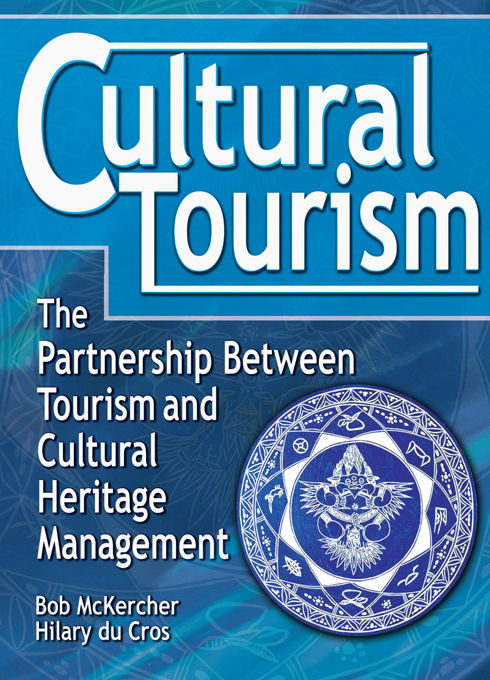
دانلود کتاب گردشگری فرهنگی: مشارکت بین گردشگری و مدیریت میراث فرهنگی ۲۰۱۲ (Cultural Tourism: The Partnership Between Tourism and Cultural Heritage Management 2012) با لینک مستقیم و فرمت pdf (پی دی اف)
| نویسنده |
bob Mckercher, hilary du cros |
|---|

۳۰ هزار تومان تخفیف با کد «OFF30» برای اولین خرید
| سال انتشار |
2012 |
|---|---|
| زبان |
English |
| تعداد صفحهها |
284 |
| نوع فایل |
|
| حجم |
5.6 MB |
🏷️ 200,000 تومان قیمت اصلی: 200,000 تومان بود.129,000 تومانقیمت فعلی: 129,000 تومان.
🏷️
378,000 تومان
قیمت اصلی: ۳۷۸٬۰۰۰ تومان بود.
298,000 تومان
قیمت فعلی: ۲۹۸٬۰۰۰ تومان.
نگاهی به مسائل گردشگری فرهنگی از هر دو سوی این صنعت!
کتاب «گردشگری فرهنگی: مشارکت بین گردشگری و مدیریت میراث فرهنگی» با رویکردی منحصربهفرد، رابطهی بین دو بخش را بررسی میکند که نمایندهی دو روی یک سکه در گردشگری فرهنگی هستند. در حالی که متخصصان گردشگری، داراییهای فرهنگی را بر اساس پتانسیل سودآوری آنها ارزیابی میکنند، متخصصان میراث فرهنگی، همان داراییها را بر اساس ارزش ذاتیشان میسنجند. گردشگری فرهنگی پایدار تنها زمانی شکل میگیرد که این دو طرف بر اساس درک و قدردانی از شایستگیهای یکدیگر، یک مشارکت واقعی ایجاد کنند. نویسندگان – یکی متخصص گردشگری و دیگری کارشناس مدیریت میراث فرهنگی – مدلی را برای یک مشارکت سازنده با منافع متقابل ارائه میدهند و نظریه و عمل مدیریت را از هر دو رشته با هم ادغام میکنند.
«گردشگری فرهنگی» اولین کتابی است که دیدگاههای مختلف مدیریت گردشگری و مدیریت میراث فرهنگی را با هم ترکیب میکند. این کتاب نقش میراث ملموس (شواهد فیزیکی فرهنگ) و ناملموس (تداوم شیوههای فرهنگی، دانش و تجربیات زنده) را بررسی میکند، تفاوتهای بین محصولات گردشگری فرهنگی و داراییهای میراث فرهنگی را شرح میدهد و تعدادی مدل مفهومی را توسعه میدهد، از جمله یک سیستم طبقهبندی برای گردشگران فرهنگی، شاخصهای پتانسیل گردشگری در داراییهای فرهنگی و میراثی، و معیارهای ارزیابی داراییهای فرهنگی و میراثی با پتانسیل گردشگری. «گردشگری فرهنگی» پنج عنصر اصلی تشکیلدهنده در گردشگری فرهنگی را بررسی میکند:
اگرچه متخصصان گردشگری و مدیریت میراث فرهنگی در مدیریت، حفاظت و ارائه داراییهای فرهنگی و میراثی منافع مشترکی دارند، اما این دو بخش به موازات هم عمل میکنند و یک مشارکت ناپایدار با گفتگوی بسیار اندک را حفظ میکنند. «گردشگری فرهنگی» به متخصصان و دانشجویان در هر رشته، درک بهتری از نقش خود در این مشارکت ارائه میدهد و از طریق برنامهریزی، مدیریت و بازاریابی صحیح، شکاف را پر میکند تا محصولات گردشگری فرهنگی باکیفیت و بادوام تولید شوند.
۱. روی جلد
۲. صفحه عنوان داخلی
۳. صفحه عنوان
۴. حق تکثیر
۵. تقدیمنامه
۶. فهرست
۷. پیشگفتار
۸. سپاسگزاری
۹. فصل ۱. مقدمه
۱۰. فصل ۲. چالشها در دستیابی به گردشگری فرهنگی پایدار
۱۱. فصل ۳. گردشگری چگونه کار میکند
۱۲. فصل ۴. مدیریت میراث فرهنگی
۱۳. فصل ۵. میراث ملموس
۱۴. فصل ۶. میراث ناملموس و مدیریت آن
۱۵. فصل ۷. محصولات گردشگری فرهنگی—دیدگاه منطقهای
۱۶. فصل ۸. کالاانگاری، حبابهای زیستمحیطی و محصولات گردشگری فرهنگی
۱۷. فصل ۹. بازار گردشگری فرهنگی: типология گردشگری فرهنگی
۱۸. فصل ۱۰. دروازهبانان
۱۹. فصل ۱۱. ارزیابی
۲۰. فصل ۱۲. ممیزی و برنامهریزی دارایی
۲۱. فصل ۱۳. بازاریابی
۲۲. فصل ۱۴. ارائه و مدیریت داراییهای میراثی
۲۳. سخن پایانی
۲۴. منابع
۲۵. نمایه
Examine cultural tourism issues from both sides of the industry!Unique in concept and content, Cultural Tourism: The Partnership Between Tourism and Cultural Heritage Management examines the relationship between the sectors that represent opposite sides of the cultural tourism coin. While tourism professionals assess cultural assets for their profit potential, cultural heritage professionals judge the same assets for their intrinsic value. Sustainable cultural tourism can only occur when the two sides form a true partnership based on understanding and appreciation of each other's merits. The authors--one, a tourism specialist, the other, a cultural heritage management expert--present a model for a working partnership with mutual benefits, integrating management theory and practice from both disciplines.Cultural Tourism is the first book to combine the different perspectives of tourism management and cultural heritage management. It examines the role of tangible (physical evidence of culture) and intangible (continuing cultural practices, knowledge, and living experiences) heritage, describes the differences between cultural tourism products and cultural heritage assets, and develops a number of conceptual models, including a classification system for cultural tourists, indicators of tourism potential at cultural and heritage assets, and assessment criteria for cultural and heritage assets with tourism potential. Cultural Tourism examines the five main constituent elements involved in cultural tourism:
Though tourism and cultural heritage management professionals have mutual interests in the management, conservation, and presentation of cultural and heritage assets, the two sectors operate on parallel planes, maintaining an uneasy partnership with surprisingly little dialogue. Cultural Tourism provides professionals and students in each field with a better understanding of their own roles in the partnership, bridging the gap via sound planning, management, and marketing to produce top-quality, long-lasting cultural tourism products.
Now translated into simplified Chinese.
1. Cover
2. Half Title
3. Title Page
4. Copyright
5. Dedication
6. Contents
7. Preface
8. Acknowledgments
9. Chapter 1. Introduction
10. Chapter 2. Challenges in Achieving Sustainable Cultural Tourism
11. Chapter 3. How Tourism Works
12. Chapter 4. Cultural Heritage Management
13. Chapter 5. Tangible Heritage
14. Chapter 6. Intangible Heritage and Its Management
15. Chapter 7. Cultural Tourism Products—A Regional Perspective
16. Chapter 8. Commodification, Environmental Bubbles, and Cultural Tourism Products
17. Chapter 9. The Cultural Tourism Market: A Cultural Tourism Typology
18. Chapter 10. Gatekeepers
19. Chapter 11. Assessment
20. Chapter 12. Asset Auditing and Planning
21. Chapter 13. Marketing
22. Chapter 14. Presentation and Management of Heritage Assets
23. Epilogue
24. References
25. Index
✨ ضمانت تجربه خوب مطالعه
در صورت مشکل، مبلغ پرداختی بازگردانده می شود.
دانلود فایل کتاب با سرعت بالا
دانلود مستقیم به همراه ارسال فایل به ایمیل.
با چت آنلاین و پیامرسان ها پاسخگو هستیم.
کتاب ها را از منابع معتیر انتخاب می کنیم.

 هوشمصنوعی ترجمه کالیبو