Sale
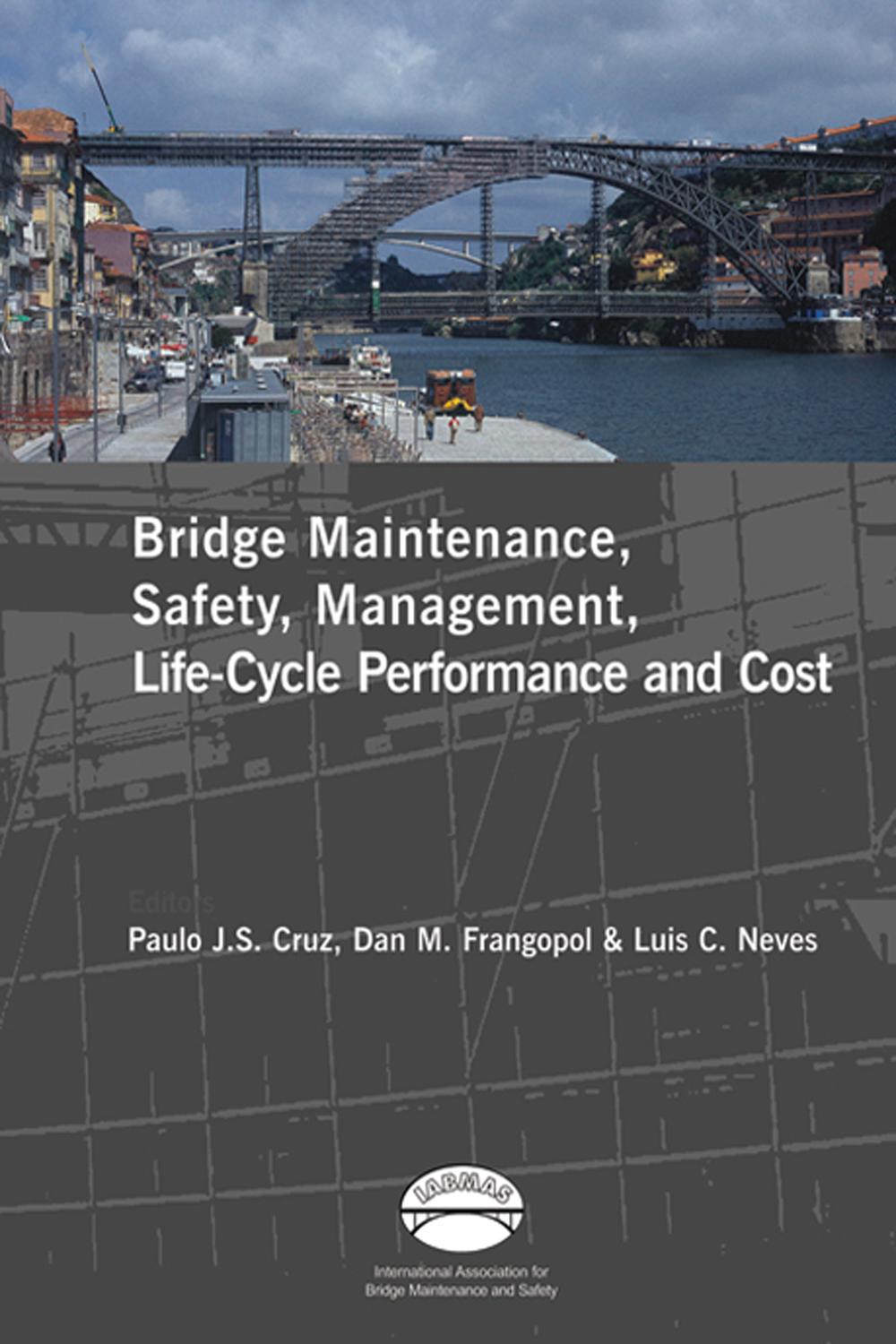
دانلود کتاب پیشرفتها در نگهداری، ایمنی، مدیریت و عملکرد چرخه عمر پلها: مجموعه کتاب و لوح فشرده – مجموعه مقالات سومین کنفرانس بینالمللی نگهداری، ایمنی و مدیریت پل، ۱۶-۱۹ ژوئیه ۲۰۰۶، پورتو، پرتغال – IABMAS ’06 ۲۰۱۵ (Advances in Bridge Maintenance, Safety Management, and Life-Cycle Performance, Set of Book & CD-ROM: Proceedings of the Third International Conference on Bridge Maintenance, Safety and Management, 16-19 July 2006, Porto, Portugal – IABMAS ’06 2015) با لینک مستقیم و فرمت pdf (پی دی اف)
| نویسنده |
Paulo J. da Sousa Cruz, Dan M. Frangopol, Luis C. Canhoto Neves |
|---|

۳۰ هزار تومان تخفیف با کد «OFF30» برای اولین خرید
| سال انتشار |
2015 |
|---|---|
| زبان |
English |
| تعداد صفحهها |
1126 |
| نوع فایل |
|
| حجم |
31.4MB |
🏷️ 200,000 تومان قیمت اصلی: 200,000 تومان بود.129,000 تومانقیمت فعلی: 129,000 تومان.
🏷️
378,000 تومان
قیمت اصلی: ۳۷۸٬۰۰۰ تومان بود.
298,000 تومان
قیمت فعلی: ۲۹۸٬۰۰۰ تومان.
۱. روی جلد
۲. فهرست مطالب
۳. پیشگفتار
۴. سازماندهی کنفرانس
۵. بخش ۱: سخنرانی تی. وای. لین
۶. فصل ۱: اشکال و زیبایی شناسی پل
۷. بخش ۲: سخنرانی های اصلی
۸. فصل ۲: محافظت از زیرساخت های پل در برابر خطرات طبیعی و ساخته دست بشر
۹. فصل ۳: مدیریت پل: روند های فعلی و آینده
۱۰. فصل ۴: ارزیابی طول عمر پل ها
۱۱. فصل ۵: مقرون به صرفه بودن مقاوم سازی لرزه ای پل
۱۲. فصل ۶: نقش مهم نگهداری و مدیریت پل در ایمنی و بازدهی حمل و نقل
۱۳. فصل ۷: کاربرد سیستم پایش سلامت سازه ای در پل های کابلی بلند دهانه
۱۴. فصل ۸: پایش سلامت سازه ای نوآورانه پل ها در پرتغال
۱۵. فصل ۹: تدوین مشخصات پل مبتنی بر احتمال و حالات حدی – تجربه ایالات متحده
۱۶. فصل ۱۰: پل استون کاترز – ملاحظات دوام، نگهداری و ایمنی
۱۷. بخش ۳: مشارکت های فنی: سیستم های مدیریت پل
۱۸. فصل ۱۱: اولین کاربرد سیستم مدیریت پل در سطح منطقه ای در ایتالیا
۱۹. فصل ۱۲: توسعه استراتژی های نگهداری طول عمر برای سازه های بزرگراهی بر اساس تجربه یک سازمان بزرگراهی ژاپنی
۲۰. فصل ۱۳: بهینه سازی هزینه چرخه عمر روسازه پل با در نظر گرفتن سابقه نگهداری
۲۱. فصل ۱۴: سیستم مدیریت پل در شهر اوزاکا
۲۲. فصل ۱۵: یک سیستم مدیریت پل اعمال شده بر روی مجموعه ای از پل های پرتغالی
۲۳. فصل ۱۶: استراتژی های بهینه نگهداری برای زیرساخت های موجود تحت ریسک لرزه ای
۲۴. فصل ۱۷: تجزیه و تحلیل توالی نگهداری پل های کوچک و متوسط با استفاده از تکنیک بهینه سازی
۲۵. فصل ۱۸: مدیریت مبتنی بر اینترنت پل ها و تونل های بزرگ با استفاده از سیستم دانبرو+
۲۶. فصل ۱۹: استفاده از الگوریتم های ژنتیک برای سیاست های بهینه M&R در یک شبکه پل
۲۷. فصل ۲۰: بهینه سازی نگهداری پل های بتن مسلح توسط زنجیره های مارکوف
۲۸. فصل ۲۱: سیستم مدیریت پل – GOA
۲۹. فصل ۲۲: روش فعلی مدیریت نگهداری پل های بزرگراهی در ویتنام
۳۰. فصل ۲۳: پیشنهاد سیستم مدیریت نگهداری برای پل های موجود
۳۱. فصل ۲۴: به سوی نگهداری از پل های سنگی قدیمی در کره
۳۲. فصل ۲۵: طرح کلی نرم افزار مدیریت پل APT
۳۳. فصل ۲۶: توسعه استراتژی بازسازی برای شبکه پل های آنگولا
۳۴. فصل ۲۷: برنامه ریزی پویا برای برنامه ریزی بهینه نگهداری پل
۳۵. فصل ۲۸: استراتژی های مداخله تک مرحله ای بلند مدت بهینه برای پل های جاده ای
۳۶. فصل ۲۹: بهینه سازی استراتژی های نگهداری پیشگیرانه برای پل ها
۳۷. فصل ۳۰: طراحی عمر بهره برداری در پل های بتنی
۳۸. فصل ۳۱: یک سیستم مدیریت پل کاربردی با استفاده از الگوریتم ژنتیک چند هدفه جدید
۳۹. فصل ۳۲: سیستم مدیریت نوین برای پل های فولادی در کره
۴۰. فصل ۳۳: سیستم های مدیریت پل بزرگراه اگناتیا برای طراحی، ساخت و نگهداری
۴۱. فصل ۳۴: برنامه نگهداری پیشگیرانه پل های رودخانه ایست
۴۲. فصل ۳۵: قابلیت کاربرد بالقوه شاخص کیفیت زندگی در مسائل بهینه سازی نگهداری
۴۳. فصل ۳۶: تخصیص بهینه هزینه برای بهبود عملکرد لرزه ای شبکه های جاده ای
۴۴. فصل ۳۷: توسعه سیستم پشتیبانی برنامه ریزی نگهداری پل با استفاده از الگوریتم ژنتیک چند هدفه
۴۵. بخش ۴: تجزیه و تحلیل قابلیت اطمینان و طراحی بهینه سیستم های سازه ای مستهلک شده
۴۶. فصل ۳۸: تجزیه و تحلیل غیرخطی طول عمر سازه های بتنی تحت عدم قطعیت
۴۷. فصل ۳۹: ارزیابی احتمالی طول عمر بر اساس پایش محدود
۴۸. فصل ۴۰: ارزیابی پاسخ سازه ای پایه پل های دو تیغه تحت زوال موضعی
۴۹. فصل ۴۱: ماتریس های سختی و شناسه های الگوریتم ژنتیک به سمت تشخیص آسیب
۵۰. فصل ۴۲: تأثیر سناریوهای آسیب خوردگی بر عمر باقیمانده شبکه های پل
۵۱. فصل ۴۳: طراحی بهینه سیستم های سازه ای مستهلک شده
۵۲. بخش ۵: طراحی، بهره برداری و نگهداری پل های راه آهن پرسرعت
۵۳. فصل ۴۴: مسائل طراحی برای دینامیک پل های راه آهن پرسرعت
۵۴. فصل ۴۵: تأیید خستگی برای پل های راه آهن شامل اثرات رزونانس ناشی از قطارهای پرسرعت
۵۵. فصل ۴۶: رفتار دینامیکی پل های راه آهن پرسرعت در خطوط قابل تعامل
۵۶. فصل ۴۷: طراحی و ساخت سازه ها برای خطوط راه آهن پرسرعت
۵۷. بخش ۶: کاربرد روش های شناسایی سیستم سازه ای
۵۸. فصل ۴۸: پایش سلامت سازه ای با استفاده از پاسخ های دینامیکی با مدل خودرگرسیون منظم
۵۹. فصل ۴۹: تخمین خواص سختی و جرم از اطلاعات مودال اندازه گیری شده
۶۰. فصل ۵۰: ارزیابی تغییر مکان های دینامیکی با استفاده از داده های شتاب اندازه گیری شده بر روی روسازه های پل
۶۱. فصل ۵۱: ارزیابی ظرفیت باربری پل بر اساس اندازه گیری های شتاب محیطی
۶۲. فصل ۵۲: طرح شناسایی سیستم با استفاده از الگوریتم ژنتیک برای طبقه بندی آسیب در سازه های تیر شکل
۶۳. فصل ۵۳: ارزیابی آسیب روسازه پل با استفاده از آزمایش های بارگذاری متحرک
۶۴. بخش ۷: تجزیه و تحلیل سیگنال بلند مدت برای سیستم های پایش سلامت پل موجود
۶۵. فصل ۵۴: تجزیه و تحلیل سری های زمانی آماری نتایج پایش بلند مدت یک پل کابلی
۶۶. فصل ۵۵: تجزیه و تحلیل سیگنال از یک سیستم پایش پل بلند مدت در یک پل معلق خود مهار شده سه بعدی
۶۷. فصل ۵۶: پایش رفتار جاده آزمایشی شرکت بزرگراه کره
۶۸. فصل ۵۷: توزین در حین حرکت پل بدون آشکارساز محور در یک پل کابلی
۶۹. فصل ۵۸: توسعه سیستم نگهداری و پایش برای پل یانگ-هونگ با استفاده از آخرین فن آوری ها
۷۰. فصل ۵۹: توسعه سیستم داده اندازه گیری پل ها با انتقال بی سیم با استفاده از سنسور فیبر براگ گریتینگ
۷۱. بخش ۸: ارزیابی آسیب – استحکام و دوام
۷۲. فصل ۶۰: کاربرد یک سیستم جدید پاشش فلز برای قسمت ۳ پل فولادی. گزارشی در مورد ۹ یا ۱۳ سال تجربه با اسپرا
۷۳. فصل ۶۱: رابطه بین نوع تکیه گاه و رایج ترین ناهنجاری های آنها
۷۴. فصل ۶۲: عملکرد سازه ای باقیمانده اعضای نورد H که برای مدت طولانی در آب دریا غوطه ور شده اند و استراتژی های ضد خوردگی آنها
۷۵. فصل ۶۳: استحکام ورق های مخروطی خورده شده تحت برش خالص
۷۶. فصل ۶۴: آزمایش تسریع شده فولادهای بدون پوشش و فلز پوشش داده شده و کاربرد آن
۷۷. فصل ۶۵: ارزیابی وضعیت پل های بتنی در حین تخریب
۷۸. فصل ۶۶: یک روش جدید برای شناسایی آسیب سازه ای دو مرحله ای
۷۹. فصل ۶۷: پل رودخانه هانگر فورد شماره ۷ – یک مطالعه موردی از ارزیابی از اصول اولیه
۸۰. فصل ۶۸: مدل سازی پاسخ پل قوسی جدید سوینسوند: تأیید مدل FE و به روز رسانی بر اساس اندازه گیری میدانی
۸۱. فصل ۶۹: توسعه سیستم ارزیابی برای عمر بهره برداری سازه های عرشه پل بتنی
۸۲. فصل ۷۰: کاربردهای تکنیک های آکوستیک برای تشخیص و ارزیابی آسیب در سازه های پیر
۸۳. فصل ۷۱: مدل سازی عددی پل های قوسی بنایی آسیب دیده
۸۴. فصل ۷۲: رفتار پیوستگی-لغزش میلگردهای خورده شده در پل های بتنی
۸۵. فصل ۷۳: پل وست میل – مقایسه رفتار سازه ای اولیه و بلند مدت
۸۶. فصل ۷۴: درزهای انبساط پل جاده ای: سیستم های موجود و رایج ترین نقص ها
۸۷. فصل ۷۵: تجزیه و تحلیل مدل تجربی و تحلیلی پل قوسی فولادی بابلسر
۸۸. فصل ۷۶: مطالعه در مورد سیستم هشدار ایمنی پل تیر
۸۹. فصل ۷۷: مقایسه روش های تشخیص آسیب اعمال شده بر روی سازه های تیر
۹۰. فصل ۷۸: پیش بینی عرض ترک برای دال های عرشه بتن پیش تنیده در پل های جعبه ای
۹۱. فصل ۷۹: تجزیه و تحلیل آسیب سازه ای برای طراحی سیستم SHM پل تیر بتنی پیش تنیده با از دست دادن پیش تنیدگی
۹۲. فصل ۸۰: پل های راه آهن قوسی بنایی در اتریش: سازه های تاریخی پایدار برای ترافیک امروز
۹۳. فصل ۸۱: مدل سازی عددی و ارزیابی مشکلات کلید برشی پل های تیر FC
۹۴. فصل ۸۲: تخریب عملکرد سازه ای – معرفی آزمایش و نتایج مورد انتظار
۹۵. بخش ۹: ارزیابی، پایش و کنترل ارتعاشات پل
۹۶. فصل ۸۳: ارزیابی خواص دینامیکی پل انفانت دوم هنریکه
۹۷. فصل ۸۴: بهره برداری پیشرفته از اندازه گیری های ارتعاش پل توسط تجزیه و تحلیل مودال عملیاتی
۹۸. فصل ۸۵: مطالعه تطبیقی تکنیک های شناسایی سیستم اعمال شده بر روی پل جدید کارکوئینز
۹۹. فصل ۸۶: تجزیه و تحلیل و کنترل ارتعاشات پل عابر پیاده گواردا
۱۰۰. فصل ۸۷: ارتعاشات ناشی از انسان در پل های عابر پیاده
۱۰۱. فصل ۸۸: روشن شدن اثر ارتعاش ناشی از قطار پرسرعت بر روی یک پل تیر جعبه ای فولادی راه آهن با پایش u
۱۰۲. فصل ۸۹: پایش یکپارچه پل ها توسط اندازه گیری پاسخ ها
۱۰۳. فصل ۹۰: تعاملات دینامیکی کابل-عرشه در پل بین المللی گوادیانا
۱۰۴. فصل ۹۱: مقرون به صرفه بودن مقاوم سازی لرزه ای پل با استفاده از یاتاقان های لاستیکی سربی
۱۰۵. فصل ۹۲: یک شبکه حسگر بی سیم برای پایش نیروی کابل های مهار
۱۰۶. فصل ۹۳: تست دینامیکی پل میاو
۱۰۷. فصل ۹۴: سیستم اندازه گیری جابجایی پل با استفاده از پردازش تصویر
۱۰۸. فصل ۹۵: شناسایی مودال فقط خروجی پل های عابر پیاده پر جنب و جوش
۱۰۹. بخش ۱۰: تجزیه و تحلیل لرزه ای و دینامیکی
۱۱۰. فصل ۹۶: مطالعه پارامتری جامع در مورد عملکرد پل های جدا شده لرزه ای
۱۱۱. فصل ۹۷: بهبودهای پیشنهادی در معادله میرایی مؤثر AASHTO برای پل های جدا شده لرزه ای
۱۱۲. فصل ۹۸: استفاده از مارپیچ های مخالف برای افزایش رفتار لرزه ای ستون های پل بتن مسلح
۱۱۳. فصل ۹۹: اثرات بادهای شدید بر تعامل پل-وسیله نقلیه برای پل های بلند دهانه
۱۱۴. فصل ۱۰۰: ارزیابی ظرفیت لرزه ای پل کابلی با در نظر گرفتن غیرخطی بودن مواد
۱۱۵. فصل ۱۰۱: عملکرد لرزه ای ستون های مقطعی توخالی با قسمت های مختلف میله های طولی متصل به هم
۱۱۶. فصل ۱۰۲: ارزیابی مقرون به صرفه بودن سیستم میرایی MR برای پل های کابلی تحت تحریک زلزله
۱۱۷. فصل ۱۰۳: آزمایش های ارزیابی عملکرد یاتاقان های لاستیکی لمینت شده برای طراحی جداسازی لرزه ای پل ها
۱۱۸. فصل ۱۰۴: تأثیر تغییرپذیری در عوامل اصلاح پاسخ بر آسیب لرزه ای ستون های پل بتن مسلح
۱۱۹. فصل ۱۰۵: تأثیر تخریب صدا در پل های هوایی راه آهن بر پاسخ دینامیکی و ارتعاشات سایت آنها
۱۲۰. فصل ۱۰۶: تجزیه و تحلیل دینامیکی پل های راه آهن با بی نظمی های تصادفی عمودی ریل
۱۲۱. فصل ۱۰۷: کاهش پاسخ کوبشی برای یک پل کابلی ۸۰۰ متری در طول ساخت و ساز
۱۲۲. فصل ۱۰۸: بارگذاری انفجاری و اثر زلزله بر سازه های بتن مسلح
۱۲۳. فصل ۱۰۹: ویژگی های یاتاقان های لاستیکی سربی برای پاسخ الاستیک زیرسازه های پل
۱۲۴. فصل ۱۱۰: مدیریت ریسک لرزه ای پل های بزرگراهی
۱۲۵. فصل ۱۱۱: طراحی مبتنی بر عملکرد با در نظر گرفتن پیری یاتاقان لاستیکی پل
۱۲۶. فصل ۱۱۲: مقاوم سازی لرزه ای پل ها با استفاده از یاتاقان های لغزشی با میله های لنگر خمشی
۱۲۷. فصل ۱۱۳: مدل سازی عددی و رفتار دینامیکی یک پل قوسی بتنی راه آهن بر روی رودخانه ویندل در سوئد
۱۲۸. بخش ۱۱: ارزیابی تعمیر و تقویت پل
۱۲۹. فصل ۱۱۴: بررسی کیفیت پیوستگی تیرهای بتن مسلح بارگذاری شده با تعمیر صفحه CFRP با استفاده از ترموگرافی ضربه ای
۱۳۰. فصل ۱۱۵: تعیین کلرید برای ارزیابی وضعیت و تضمین کیفیت توسط LIBS
۱۳۱. فصل ۱۱۶: تجزیه و تحلیل غیرخطی تیرهای بتن مسلح با صفحات متصل خارجی
۱۳۲. فصل ۱۱۷: ارزیابی پارامتری اثربخشی وصله CFRP در تعمیر خستگی
۱۳۳. فصل ۱۱۸: پل های پایدار: یک پروژه با بودجه اروپایی برای بار و سرعت بالاتر در پل های راه آهن – WP۶ تعمیر و تقویت
۱۳۴. فصل ۱۱۹: درس های آموخته شده از تعمیر FRP زیر آب شمع های خورده شده
۱۳۵. بخش ۱۲: رسیدگی به عدم قطعیت در طراحی تجزیه و تحلیل
۱۳۶. فصل ۱۲۰: ارزیابی احتمالی عدم قطعیت های مدل در سازه های بتنی
۱۳۷. فصل ۱۲۱: رسیدگی به عدم قطعیت در تجزیه و تحلیل قابلیت اطمینان سازه های بتنی
۱۳۸. فصل ۱۲۲: قابلیت اطمینان مدل های تحلیلی ساده شده برای تجزیه و تحلیل قاب های بنایی تقویت شده با FRP
۱۳۹. فصل ۱۲۳: نقش پایش در مدیریت عدم قطعیت ها و عمر باقیمانده سازه های موجود
۱۴۰. فصل ۱۲۴: تغییر شکل های بیش از حد پل های بتنی بر ایمنی، نگهداری و مدیریت تأثیر می گذارد
۱۴۱. فصل ۱۲۵: توصیف عملکرد سازه ای پل های موجود بتن مسلح و معیارهای اساسی برای بازسازی و نوسازی
۱۴۲. فصل ۱۲۶: چارچوب مؤثر برای تجزیه و تحلیل لرزه ای پل های کابلی، قسمت ۱: مدل سازی سازه و لرزه ای
۱۴۳. فصل ۱۲۷: چارچوب مؤثر برای تجزیه و تحلیل لرزه ای پل های کابلی، قسمت ۲: نتایج تجزیه و تحلیل
۱۴۴. فصل ۱۲۸: ارزیابی چرخه عمر مبتنی بر قابلیت اطمینان برای سازه های مهندسی عمران
۱۴۵. فصل ۱۲۹: دوام احتمالی سازه های پل بتنی در کره
۱۴۶. فصل ۱۳۰: تجزیه و تحلیل عملکرد یک پل – تخریب، ارزیابی و مدل سازی قابلیت اطمینان
۱۴۷. فصل ۱۳۱: عدم قطعیت ها در مدل سازی احتمالی ظرفیت باربری پل ها
۱۴۸. بخش ۱۳: توصیف و تجزیه و تحلیل احتمالی خواص مواد مورد استفاده در پل ها
۱۴۹. فصل ۱۳۲: ارزیابی مبتنی بر قابلیت اطمینان پل های بتن پیش تنیده در معرض خزش با استفاده از یک روش جفت سازی
۱۵۰. فصل ۱۳۳: مدل خزش احتمالی با به روز رسانی بیزی برای کدهای طراحی
۱۵۱. فصل ۱۳۴: تجزیه و تحلیل شکست تیرهای بتنی تقویت شده با FRP
۱۵۲. فصل ۱۳۵: طراحی با HSC برای ایمنی: تأثیر مشخصات سنی برای مقاومت های مشخصه
۱۵۳. فصل ۱۳۶: طراحی و کنترل کیفیت بتن در میدان برای چرخه عمر ۱۰۰ ساله
۱۵۴. فصل ۱۳۷: تخمین ویژگی های بتن در محل از نتایج کنترل ساختمان
۱۵۵. بخش ۱۴: سیاست و درک در تصمیمات چرخه عمر
۱۵۶. فصل ۱۳۸: فروش مفاهیم چرخه عمر در سیستم سیاسی
۱۵۷. فصل ۱۳۹: هزینه های کاربر در تجزیه و تحلیل هزینه-فایده چرخه عمر (LCCB) پل ها
۱۵۸. فصل ۱۴۰: مسائل حاکمیتی و قطعنامه های جایگزین برای انتقال یک دپارتمان حمل و نقل ایالتی به مدیریت دارایی
۱۵۹. فصل ۱۴۱: رویکرد مدیریت بودجه برای پروژه های زیرساخت اجتماعی
۱۶۰. فصل ۱۴۲: جنبه های اجتماعی مدیریت پل و ایمنی در هلند
۱۶۱. بخش ۱۵: ایمنی روسازه های پل متوسط و بلند دهانه در مراحل برپایی
۱۶۲. فصل ۱۴۳: اهمیت همبستگی متقابل مودال در سازه های تحت بار باد
۱۶۳. فصل ۱۴۴: پرتاب پل های فولادی و ایمنی در برابر بارگذاری تکه ای
۱۶۴. فصل ۱۴۵: ایمنی پل های کنسولی متعادل و کابلی در طول ساخت و ساز
۱۶۵. فصل ۱۴۶: مقاومت در برابر بارگذاری تکه ای تیرهای ورق طولی سفت شده
۱۶۶. فصل ۱۴۷: کمانش قوس های فولادی در طول برپایی
۱۶۷. فصل ۱۴۸: مقاومت در برابر کمانش تار پل فولادی در هنگام پرتاب
۱۶۸. فصل ۱۴۹: حساسیت ایمنی برای شرایط موقت برپایی پل
۱۶۹. بخش ۱۶: وضعیت و یافته های کاربردهای فعلی BHM در جهان
۱۷۰. فصل ۱۵۰: یک روش و سیستم پشتیبانی تصمیم برای برنامه ریزی بازرسی ها در یک شبکه پل پس از یک فاجعه طبیعی
۱۷۱. فصل ۱۵۱: پایش مستمر پل های بتنی در طول ساخت و ساز و خدمات به عنوان ابزاری برای پایش سلامت پل مبتنی بر داده
۱۷۲. فصل ۱۵۲: وضعیت فعلی مهندسی SHMBM
۱۷۳. فصل ۱۵۳: GNSS برای تغییر شکل پل: محدودیت ها و راه حل ها
۱۷۴. فصل ۱۵۴: توسعه یک سیستم مدیریت پل برای یک مرجع آزادراه در یونان
۱۷۵. فصل ۱۵۵: پایش عملکرد پل معلق تامار
۱۷۶. فصل ۱۵۶: درس های آموخته شده از پایش پل های کابلی بلند دهانه
۱۷۷. فصل ۱۵۷: تعویض صفحه آویز کابل؛ یک مطالعه موردی در مورد پل بسفر
۱۷۸. فصل ۱۵۸: شناسایی سازه ای سیستم های ساخته شده و تأثیر عدم قطعیت شناختی
۱۷۹. فصل ۱۵۹: پیش بینی عمر مفید بر اساس پایش فقط خروجی دائمی
۱۸۰. فصل ۱۶۰: رتبه بندی بار پل های رشته ای فولادی بر اساس مدل های شبکه کالیبره شده میدانی
۱۸۱. بخش ۱۷: بازرسی و پیش بینی عملکرد سازه ای
۱۸۲. فصل ۱۶۱: وضعیت پل و معیارهای سلامت برای تجزیه و تحلیل نیازها
۱۸۳. فصل ۱۶۲: پیش بینی و تجزیه و تحلیل تخریب پل های مسکو
۱۸۴. فصل ۱۶۳: تخریب عرشه پل: یک رویکرد مدل سازی مبتنی بر خطر پارامتری
۱۸۵. فصل ۱۶۴: بازرسی پل ها، پرونده ای برای بازرسان پل آموزش دیده
۱۸۶. فصل ۱۶۵: همبستگی بین کاهش ظرفیت باربری و وضعیت سازه ای پل های بزرگراهی
۱۸۷. بخش ۱۸: بازرسی و پایش پل
۱۸۸. فصل ۱۶۶: دوام در پروژه های پل B.O.T
۱۸۹. فصل ۱۶۷: حسگرهای خوردگی نصب شده، تجربیات و تفسیر داده ها برای استفاده در مدل های عمر مفید
۱۹۰. فصل ۱۶۸: عرشه های پل با مقاطع کامپوزیتی بتنی GFRP
۱۹۱. فصل ۱۶۹: حسگرها در زیرساخت های مهندسی عمران
۱۹۲. فصل ۱۷۰: بررسی کننده کرنش: گوشی پزشکی برای مهندسان پل
۱۹۳. فصل ۱۷۱: پایش سلامت سازه ها با استفاده از کامپوزیت های پیزوالکتریک مبتنی بر سیمان
۱۹۴. بخش ۱۹: تجزیه و تحلیل خستگی
۱۹۵. فصل ۱۷۲: مسائل مربوط به سرویس دهی و خستگی مربوط به ارتعاش کابل های پل کابلی آلامیلو در سویا (S
۱۹۶. فصل ۱۷۳: ترک های خستگی جوش ها و تعمیر آنها در دهانه های فولادی پل راه آهن
۱۹۷. فصل ۱۷۴: رفتار خستگی اتصالات دامنی فولادی پرچ شده
۱۹۸. فصل ۱۷۵: تعیین دقیق تنش خستگی در پل های راه آهن بتنی با در نظر گرفتن تعامل ریل – سازه
۱۹۹. فصل ۱۷۶: کاربرد روش های پس از جوشکاری برای بهبود مقاومت خستگی فولادهای با استحکام بالا در پل ها
۲۰۰. فصل ۱۷۷: مقاومت خستگی اتصال جوشی ورق-گست متصل شده با پلیمر تقویت شده با الیاف شیشه
۲۰۱. فصل ۱۷۸: عملیات ضربه ای اولتراسونیک برای افزایش عمر پل ها با جزئیات جوشی ترک خورده و مستعد ترک خوردگی
۲۰۲. فصل ۱۷۹: تخمین عمر خستگی پل جعبه ای فولادی چون هو در رودخانه هان
۲۰۳. فصل ۱۸۰: پایش خستگی پل های راه آهن فولادی
۲۰۴. فصل ۱۸۱: تخمین های احتمالی عمر خستگی برای پل های راه آهن پرچ شده
۲۰۵. فصل ۱۸۲: خستگی در پل های راه آهن فلزی: روش تجزیه و تحلیل و کاربرد در پل آلکاسر دو سال
۲۰۶. فصل ۱۸۳: بهبود عمر خستگی پل های فولادی موجود
۲۰۷. بخش ۲۰: مزایای مالکان پل از ارزیابی مبتنی بر احتمال و مدیریت نگهداری
۲۰۸. فصل ۱۸۴: اصول یک دستورالعمل برای مدیریت مبتنی بر احتمال پل های تخریب شده
۲۰۹. فصل ۱۸۵: تجربه با ارزیابی مبتنی بر احتمال پل ها بر اساس دستورالعمل دانمارکی
۲۱۰. فصل ۱۸۶: پل اولند – یک مطالعه موردی برای ارزیابی عمر مفید مبتنی بر احتمال
۲۱۱. فصل ۱۸۷: ارزیابی مبتنی بر احتمال یک پل قوسی بتنی
۲۱۲. فصل ۱۸۸: طرح مدیریت نگهداری مبتنی بر احتمال برای خطر خوردگی – یک مطالعه موردی از پل های فارو
۲۱۳. بخش ۲۱: قابلیت اطمینان و مدیریت ریسک
۲۱۴. فصل ۱۸۹: ارزیابی مبتنی بر قابلیت اطمینان تأثیر دوام بتن بر زمان تعمیر پل های بتن مسلح
۲۱۵. فصل ۱۹۰: کالیبراسیون مبتنی بر قابلیت اطمینان ضریب بار دینامیکی پل توسط شبیه سازی عددی
۲۱۶. فصل ۱۹۱: کاربرد روش SBRA احتمالی در طراحی سازه های پل
۲۱۷. فصل ۱۹۲: مهار درک اجتماعی از وضعیت یک پل
۲۱۸. فصل ۱۹۳: ارزیابی احتمالی زمان شروع خوردگی در عناصر بتن مسلح در معرض کلریدها: مدل سازی دو بعدی
۲۱۹. فصل ۱۹۴: ارزیابی قابلیت اطمینان چرخه عمر بر اساس مدل سازی سازه ای پیشرفته – FEM غیرخطی
۲۲۰. فصل ۱۹۵: پروفایل های قابلیت اطمینان طول عمر برای ارزیابی پل های تیر فولادی خورده شده
۲۲۱. فصل ۱۹۶: قابلیت اطمینان سازه ای پل تامپیکو تحت بار باد
۲۲۲. فصل ۱۹۷: استنتاج آماری برای مدل های تخریب مارکوف از شرایط پل در هلند
۲۲۳. فصل ۱۹۸: تجزیه و تحلیل قابلیت اطمینان لرزه ای طول عمر پل های مستهلک شده
۲۲۴. فصل ۱۹۹: بهینه سازی احتمالی چند هدفه نگهداری طول عمر پل: رویکرد نوین
۲۲۵. فصل ۲۰۰: تجزیه و تحلیل بزرگی آسیب حوادث صنعتی با منحنی ریسک
۲۲۶. فصل ۲۰۱: مدیریت پل چرخه عمر مبتنی بر قابلیت اطمینان با استفاده از پایش سلامت سازه ای
۲۲۷. بخش ۲۲: طراحی لرزه ای و استراتژی های مقاوم سازی برای پل ها
۲۲۸. فصل ۲۰۲: کاربرد تجزیه و تحلیل لرزه ای مبتنی بر جابجایی پل ها: مطالعه موردی زلزله چی-چی تایوان
۲۲۹. فصل ۲۰۳: پیشرفت ها در ارزیابی آسیب پذیری لرزه ای و استراتژی های مقاوم سازی
۲۳۰. فصل ۲۰۴: ارزیابی آسیب پذیری لرزه ای پل ها در آلمان
۲۳۱. فصل ۲۰۵: تست شبه دینامیکی در مقیاس کامل برای پل مقاوم سازی شده با جداسازی پایه
۲۳۲. فصل ۲۰۶: تشخیص آسیب مبتنی بر ANN با استفاده از پاسخ های دینامیکی سازه پل جدا شده لرزه ای
۲۳۳. بخش ۲۳: تست و ارزیابی پل
۲۳۴. فصل ۲۰۷: ارزیابی فنی پل عبوری از رودخانه Olt در رامنیكو ولچا – رومانی
۲۳۵. فصل ۲۰۸: نقشه برداری چندگانه در ارزیابی پل های بتنی
۲۳۶. فصل ۲۰۹: تشخیص آسیب با استفاده از اندازه گیری های فاصله الکترونیکی بدون بازتابنده: نتایج اولین دوره ها
۲۳۷. فصل ۲۱۰: تشخیص آماری آسیب سازه ها با استفاده از شناسایی سیستم با منظم سازی مبتنی بر هنجار ۱
۲۳۸. فصل ۲۱۱: ارزیابی و رتبه بندی تیرهای I فولادی آسیب دیده
۲۳۹. فصل ۲۱۲: در مورد تشخیص آسیب در سازه های پل با استفاده از تست دینامیکی
۲۴۰. بخش ۲۴: نیازهای تحقیقاتی برای سیستم های BHM آینده و مطالعات محک
۲۴۱. فصل ۲۱۳: ارزیابی پل تحت پارامترهای نامشخص از طریق تجزیه و تحلیل بازه ای
۲۴۲. فصل ۲۱۴: پیشنهادات برای تحقیقات، توسعه و کاربرد سیستم های پایش سلامت پل در آینده
۲۴۳. فصل ۲۱۵: توسعه یک مسئله محک برای پایش سلامت پل
۲۴۴. فصل ۲۱۶: کاربرد ARMAV برای شناسایی مودال پل امرسون
۲۴۵. فصل ۲۱۷: بهبود عملکرد لرزه ای پل تویوساتو با جداسازی پایه و کنترل پاسخ
۲۴۶. فصل ۲۱۸: پیش بینی مقاومت باقیمانده پایه های پل تقویت شده تحت خطرات لرزه ای
۲۴۷. بخش ۲۵: ادغام مدیریت پل و پایش پل
۲۴۸. فصل ۲۱۹: سیستم پایش سلامت با استفاده از سیستم یادگیری
۲۴۹. فصل ۲۲۰: روش شناسایی آسیب برای پل ها از یک فرمول شبه استاتیک سیستم تعامل پل-وسیله نقلیه
۲۵۰. فصل ۲۲۱: آکوستیک ضربه ای سازه های بتنی با استفاده از تبدیل موجک گسسته
۲۵۱. فصل ۲۲۲: مدل سازی تخریب پشتیبانی شده SHM پیش بینی کننده پل های بتن مسلح
۲۵۲. فصل ۲۲۳: توسعه BMS برای تعداد زیادی پل
۲۵۳. فصل ۲۲۴: پیاده سازی سیستم مدیریت پل در دولت استانی آئوموری، ژاپن
۲۵۴. فصل ۲۲۵: استانداردهای ارزیابی وضعیت و پیش بینی تخریب برای BMS
۲۵۵. فصل ۲۲۶: پایش سلامت پل های فولادی با استفاده از تحریک ارتعاشی محلی
۲۵۶. فصل ۲۲۷: سیستمی برای بازرسی میدانی زیرساخت ها در مناطق سردسیر برفی با استفاده از تشخیص گفتار
۲۵۷. فصل ۲۲۸: ادغام پایش سلامت پل در مدیریت پل
۲۵۸. بخش ۲۶: تحولات نوآورانه در جهت بهبود ایمنی لرزه ای پل
۲۵۹. فصل ۲۲۹: به روز رسانی بیزی منحنی های شکنندگی پل با استفاده از داده های حسگر
۲۶۰. فصل ۲۳۰: ارزیابی تحلیلی وضعیت پس از زلزله سیستم پایه پل بتنی خود مرکز در مقابل سیستم سنتی
۲۶۱. فصل ۲۳۱: عملکرد لرزه ای ستون های غیر متصل و ستون های ساخته شده در ایزولاتور بر اساس تست های بارگذاری چرخه ای
۲۶۲. فصل ۲۳۲: عملکرد لرزه ای ستون های پل بتن مسلح که در لوله کامپوزیتی الیافی پوشانده شده اند
۲۶۳. فصل ۲۳۳: تجزیه و تحلیل ستون های پل بتن مسلح با آلیاژ حافظه دار و کامپوزیت های سیمانی مهندسی شده تحت cy
۲۶۴. فصل ۲۳۴: ارتقاء لرزه ای اتصالات سرستون-خم ستون پل های آلاسکا
۲۶۵. بخش ۲۷: محاسبات نرم در مهندسی پل
۲۶۶. فصل ۲۳۵: کاربرد تکنیک های محاسبات نرم در مدیریت ایمنی در طول ساخت پل
۲۶۷. فصل ۲۳۶: ارزیابی کیفیت سطح مبتنی بر تصویر از پل فولادی هوازده بر اساس تبدیل موجک و دستگاه بردار پشتیبان
۲۶۸. فصل ۲۳۷: توسعه مدل معنایی استاندارد برای اسناد محاسباتی سازه ای پل ها و تکنولوژی تطبیق طرحواره XML
۲۶۹. فصل ۲۳۸: کاربرد الگوریتم PSO برای شناسایی آسیب برای پل های بتنی
۲۷۰. فصل ۲۳۹: پایش انقباض اولیه با استفاده از تجزیه و تحلیل تصویر و استفاده از آن در تعمیر پل ها
۲۷۱. فصل ۲۴۰: توسعه یک سیستم پیش تنیدگی اینترنتی برای پل هوشمند
۲۷۲. فصل ۲۴۱: استراتژی های مداخله بهینه برای پل های متعدد در طول دوره های جبرانی با استفاده از معادل های سنی
۲۷۳. فصل ۲۴۲: مدل سازی رگرسیون بیزی عمق کربناتاسیون بتن برای گنجاندن در J-BMS
۲۷۴. فصل ۲۴۳: پایش بلند مدت پل های بتنی با ترکیب مستقیم تجزیه و تحلیل تجربی و مکانیکی
۲۷۵. فصل ۲۴۴: توسعه یک سیستم پایگاه داده مبتنی بر وب برای مدیریت پل های موجود در استان یاماگوچی، ژاپن
۲۷۶. بخش ۲۸: بارها و آزمایش ها
۲۷۷. فصل ۲۴۵: توزیع بار زنده AASHTO-LRFD: محدودیت ها و قابلیت کاربرد
۲۷۸. فصل ۲۴۶: مدل عددی برای تعامل پل-وسیله نقلیه و بررسی ارتعاش ناشی از ترافیک
۲۷۹. فصل ۲۴۷: احتمال اثرات بار شدید در پل های در معرض تعامل دینامیکی وسیله نقلیه-پل
۲۸۰. فصل ۲۴۸: پروژه NCHRP ۲۰-۰۷/کار ۱۲۲: رتبه بندی بار بر اساس روش ارزیابی عامل بار و مقاومت
۲۸۱. فصل ۲۴۹: بررسی اثرات بار کامیون با استفاده از سیستم توزین در حین حرکت پل
۲۸۲. فصل ۲۵۰: مدل های بار دمای طراحی برای پل های دال بتنی
۲۸۳. فصل ۲۵۱: پیش بینی و تأثیر تقاضای ترافیک آینده بر پل های بزرگراهی کرواسی
۲۸۴. بخش ۲۹: فناوری پل هوشمند
۲۸۵. فصل ۲۵۲: یک شبکه حسگر بی سیم کم مصرف برای پایش سلامت سازه ای
۲۸۶. فصل ۲۵۳: سیستم پایش پل هوشمند جهانی
۲۸۷. فصل ۲۵۴: رویکرد طراحی و پیاده سازی کامل سیستم های SHM هوشمند برای پل ها
۲۸۸. فصل ۲۵۵: پایش سازه PC با تکنیک های حسگری توزیع شده
۲۸۹. فصل ۲۵۶: تشخیص آسیب سازه های خرپایی
۲۹۰. فصل ۲۵۷: آخرین وضعیت و آخرین روش و دستورالعمل های پایش سلامت پل در سرزمین اصلی چین
۲۹۱. فصل ۲۵۸: کنترل سازه ای کوبش ناشی از لرزه ای پل های مرتفع با استفاده از میرایی های مغناطیسی
۲۹۲. فصل ۲۵۹: توسعه سیستم مدیریت پل برای پل های بزرگراهی در ژاپن
۲۹۳. فصل ۲۶۰: روش انرژی پاسخ شتاب برای شناسایی آسیب سازه های پل
۲۹۴. فصل ۲۶۱: SMARTE – توسعه و پیاده سازی پایش سلامت سازه ای بلند مدت
۲۹۵. فصل ۲۶۲: استفاده از سیستم اندازه گیری متحرک برای پایش پل
۲۹۶. فصل ۲۶۳: پایش سلامت سازه ای پل ورودی رودخانه هند دلاور
۲۹۷. بخش ۳۰: استفاده هوشمندانه از حفاظت کاتدی در پل ها
۲
1. Front Cover
2. Table of Contents
3. Preface
4. Conference organization
5. Part 1: T.Y. Lin Lecture
6. Chapter 1: Bridge forms and aesthetics
7. Part 2: Keynote Lectures
8. Chapter 2: Protection of our bridge infrastructure against manmade and natural hazards
9. Chapter 3: Bridge management: Actual and future trends
10. Chapter 4: Life time assessment of bridges
11. Chapter 5: Cost-effectiveness of seismic bridge retrofit
12. Chapter 6: The important roles of bridge maintenance and management on transportation safety and efficiency
13. Chapter 7: Application of the structural health monitoring system to the long span cable-supported bridges
14. Chapter 8: Innovative structural health monitoring of bridges in Portugal
15. Chapter 9: Developing a probability based limit states bridge specification – U.S. experience
16. Chapter 10: Stonecutters bridge – durability, maintenance and safety considerations
17. Part 3: Technical Contributions: Bridge management systems
18. Chapter 11: The first regional level bridge management system application in Italy
19. Chapter 12: Development of lifetime maintenance strategies for highway structures based on the experience of a Japanese Highway Ag
20. Chapter 13: Life cycle cost optimization of a bridge superstructure considering maintenance history
21. Chapter 14: The bridge management system in Osaka-City
22. Chapter 15: A bridge management system applied to a set of Portuguese bridges
23. Chapter 16: Optimal maintenance strategies for existing infrastructures under seismic risks
24. Chapter 17: Small and medium size bridge maintenance sequence analysis by optimization technique
25. Chapter 18: Internet-based management of major bridges and tunnels using the Danbro+ system
26. Chapter 19: Use of genetic algorithms for optimal policies of M&R in a bridge network
27. Chapter 20: Optimization of reinforced concrete bridges maintenance by Markov chains
28. Chapter 21: Bridge management system – GOA
29. Chapter 22: Current maintenance management practice for highway bridges in Vietnam
30. Chapter 23: Proposal of maintenance management system for existing bridges
31. Chapter 24: Toward maintenance of old stone bridges in Korea
32. Chapter 25: An outline of the APT bridge management software
33. Chapter 26: Development of a reconstruction strategy for the Angolan bridge network
34. Chapter 27: Dynamic programming for optimal bridge maintenance planning
35. Chapter 28: Optimal long-term single stage intervention strategies for road bridges
36. Chapter 29: Optimization of preventative maintenance strategies for bridges
37. Chapter 30: Service life design in concrete bridges
38. Chapter 31: A practical bridge management system using new multi-objective genetic algorithm
39. Chapter 32: Novel management system for steel bridges in Korea
40. Chapter 33: Egnatia Motorway bridge management systems for design, construction and maintenance
41. Chapter 34: East river bridges preventive maintenance program
42. Chapter 35: The potential applicability of the Life-Quality Index to maintenance optimisation problems
43. Chapter 36: Optimal cost allocation for improving the seismic performance of road networks
44. Chapter 37: Development of bridge maintenance planning support system using multiple-objective genetic algorithm
45. Part 4: Reliability analysis and optimal design of deteriorating structural systems
46. Chapter 38: Lifetime nonlinear analysis of concrete structures under uncertainty
47. Chapter 39: Probabilistic lifetime assessment based on limited monitoring
48. Chapter 40: Structural response evaluation of two-blade bridge piers subjected to a localized deterioration
49. Chapter 41: Stiffness matrices and genetic algorithm identifiers toward damage detection
50. Chapter 42: Influence of the corrosion damage scenarios on the residual life of bridge grillages
51. Chapter 43: Optimal design of deteriorating structural systems
52. Part 5: Design, operation and maintenance of high speed railway bridges
53. Chapter 44: Design issues for dynamics of high speed railway bridges
54. Chapter 45: Fatigue verification for railway bridges including resonance effects due to high speed trains
55. Chapter 46: Dynamic behavior of high speed railway bridges in interoperable lines
56. Chapter 47: Design and construction of structures for high-speed railway lines
57. Part 6: Application of structural system identification methods
58. Chapter 48: Structural health monitoring using dynamic responses with regularized autoregressive model
59. Chapter 49: Estimation of stiffness and mass properties from measured modal information
60. Chapter 50: Assessment of the dynamic displacements using acceleration data measured on bridge superstructures
61. Chapter 51: Evaluation of load carrying capacity of bridge based on ambient acceleration measurements
62. Chapter 52: System identification scheme using genetic algorithm for damage classification in beam-type structures
63. Chapter 53: Damage assessment of bridge superstructure using moving load tests
64. Part 7: Long-term signal analysis for the existing bridge health monitoring systems
65. Chapter 54: Statistical time series analysis of long-term monitoring results of a cable-stayed bridge
66. Chapter 55: Signal analysis from a long-term bridge monitoring system in a three dimensional self-anchored suspension bridge
67. Chapter 56: Behavior monitoring of the Korea Highway Corporation test road
68. Chapter 57: Bridge weigh-in-motion without axle-detector in a cable-stayed bridge
69. Chapter 58: Development of maintenance and monitoring system forYoung-Heung Bridge using the latest technologies
70. Chapter 59: Development of measuring data system of bridges by wireless transmission using fiber Bragg Grating sensor
71. Part 8: Damage assessment – strength and durability
72. Chapter 60: Application of a new metal spraying system for steel bridge Part 3. A report on 9 or 13 years experience with the spra
73. Chapter 61: Relationship between bearings type and their most common anomalies
74. Chapter 62: Residual structural performance of rolled H Members submerged in seawater for a long time and their anti-corrosion str
75. Chapter 63: Strength of corroded tapered plate girders under pure shear
76. Chapter 64: Accelerated exposure test of uncoated and metal-coated steels and its application
77. Chapter 65: Condition assessment of concrete bridges during demolition
78. Chapter 66: A new method for two-stage structural damage identification
79. Chapter 67: Hungerford River Bridge No. 7 – a case study of assessment from first principles
80. Chapter 68: Modelling the response of the New Svinesund arch bridge: FE model verification and updating based on field measurement
81. Chapter 69: Development of evaluation system for service life of concrete bridge deck structures
82. Chapter 70: Applications of acoustical techniques for detection and assessment of damage in aging structures
83. Chapter 71: Numerical modelling of damaged masonry arch bridges
84. Chapter 72: Bond-slip behavior of corroded reinforcing steel in concrete bridges
85. Chapter 73: West Mill Bridge – comparison of initial and long-term structural behaviour
86. Chapter 74: Road bridge expansion joints: Existing systems and most common defects
87. Chapter 75: Experimental and analytical model analysis of Babolsar’s steel arch bridge
88. Chapter 76: Study on safety alerting system of beam bridge
89. Chapter 77: Comparison between damage detection methods applied to beam structures
90. Chapter 78: Predictions of crack width for prestressed concrete deck slabs in box girder bridges
91. Chapter 79: Structural damage analysis for SHM system design of PC girder bridge with losing of prestress
92. Chapter 80: Masonry arch railway bridges in Austria: Sustainable historical structures for today’s traffic
93. Chapter 81: Numerical modeling and assessment of the shear key problems of FC girder bridges
94. Chapter 82: Degradation of structural performance – experiment introduction and expected results
95. Part 9: Assessment, monitoring and control of bridge vibrations
96. Chapter 83: Evaluation of dynamic properties of the Infant Dom Henrique Bridge
97. Chapter 84: Enhanced exploitation of bridge vibration measurements by Operational Modal Analysis
98. Chapter 85: Comparative study of system identification techniques applied to New Carquinez Bridge
99. Chapter 86: Analysis and control of vibrations of Guarda footbridge
100. Chapter 87: Human-induced vibrations on footbridges
101. Chapter 88: Clarification of the effect of high-speed train induced vibration on a railway steel box girder bridge by monitoring u
102. Chapter 89: Integrated monitoring of bridges by response measurements
103. Chapter 90: Cable-deck dynamic interactions at the International Guadiana Bridge
104. Chapter 91: Cost-effectiveness of bridge seismic retrofit using lead-rubber bearings
105. Chapter 92: A wireless sensor network for force monitoring of cable stays
106. Chapter 93: Dynamic testing of the Millau Viaduct
107. Chapter 94: Bridge displacement measurement system using image processing
108. Chapter 95: Output-only modal identification of lively footbridges
109. Part 10: Seismic and dynamic analysis
110. Chapter 96: Comprehensive parametric study on the performance of seismic-isolated bridges
111. Chapter 97: Proposed improvements to AASHTO effective damping equation for seismic-isolated bridges
112. Chapter 98: Using opposing spirals to enhance seismic behavior of reinforced concrete bridge columns
113. Chapter 99: Effects of strong winds on bridge-vehicle interaction for long span bridges
114. Chapter 100: Seismic capacity assessment of cable supported bridge considering material nonlinearity
115. Chapter 101: Seismic performance of hollow sectional columns with different portions of lap-spliced longitudinal bars
116. Chapter 102: Cost-effectiveness evaluation of MR damper system for cable-stayed bridges under earthquake excitation
117. Chapter 103: Performance evaluation tests of laminated rubber bearings for seismic isolation design of bridges
118. Chapter 104: Effect of variability in response modification factors on seismic damage of R-C bridge columns
119. Chapter 105: Influence of soundness degradation of railway viaducts on their dynamic response and site vibrations
120. Chapter 106: Dynamic analysis of railway bridges with random vertical rail irregularities
121. Chapter 107: Mitigation of buffeting response for a 800m cable-stayed bridge during construction
122. Chapter 108: Blast loading and earthquake effect on reinforced concrete structures
123. Chapter 109: Characteristics of lead rubber bearings for elastic response of bridges substructures
124. Chapter 110: Seismic risk management of highway bridges
125. Chapter 111: Performance-based design considering ageing of bridge rubber bearing
126. Chapter 112: Seismic retrofitting of bridges using slide bearings with bending-type anchor bars
127. Chapter 113: Numerical modeling and dynamic behavior of a railway concrete arch bridge over the Vindel River in Sweden
128. Part 11: Assessment of bridge repair and strengthening
129. Chapter 114: Bond quality survey of loaded RC beams with CFRP-plate repair using impulse-thermography
130. Chapter 115: Chloride determination for condition assessment and quality assurance by LIBS
131. Chapter 116: Nonlinear analysis of RC beams with externally bonded plates
132. Chapter 117: Parametric evaluation of CFRP patch effectiveness in fatigue repair
133. Chapter 118: Sustainable bridges: A European funded project for higher load and speed on railway bridges – WP6 repair and strengthe
134. Chapter 119: Lessons learnt from underwater FRP repair of corroding piles
135. Part 12: Handling uncertainty in analysis design
136. Chapter 120: Probabilistic evaluation of model uncertainties in concrete structures
137. Chapter 121: Handling uncertainty in reliability analysis of concrete structures
138. Chapter 122: Reliability of simplified analytical models for the analysis of FRP reinforced masonry frames
139. Chapter 123: The role of monitoring in the management of uncertainties and residual life of existing structures
140. Chapter 124: Excessive deflections of concrete bridges affect safety, maintenance and management
141. Chapter 125: Characterization of the structural performance of existing r.c. bridges and basic criteria for rehabilitation and refu
142. Chapter 126: Effective framework for seismic analysis of cable-stayed-bridges, Part 1: Modeling of the structure and of the seismic
143. Chapter 127: Effective framework for seismic analysis of cable-stayed-bridges, Part 2: Analysis’ results
144. Chapter 128: Reliability-based life cycle assessment for civil engineering structures
145. Chapter 129: Probabilistic durability of concrete bridge structures in Korea
146. Chapter 130: Performance analysis of a bridge – degradation, assessment and reliability modeling
147. Chapter 131: Uncertainties in probabilistic modeling of the load carrying capacity of bridges
148. Part 13: Probabilistic characterization and analysis of the properties of materials used in bridges
149. Chapter 132: Reliability based assessment of prestressed concrete bridges subject to creep using a coupling procedure
150. Chapter 133: Probabilistic creep model by Bayesian updating for design codes
151. Chapter 134: Failure analysis of FRP-strengthened concrete beams
152. Chapter 135: Designing with HSC for safety: Effect of age specification for characteristic strengths
153. Chapter 136: Designing and controlling concrete quality in the field for a 100-year life cycle
154. Chapter 137: Estimation of the in-situ concrete characteristics from building control results
155. Part 14: Politics and perception in life-cycle decisions
156. Chapter 138: Selling life-cycle concepts within the political system
157. Chapter 139: User costs in life-cycle cost-benefit (LCCB) analysis of bridges
158. Chapter 140: Governing issues and alternate resolutions for a state department of transportations’ transition to asset management
159. Chapter 141: A budget management approach for societal infrastructure projects
160. Chapter 142: Societal aspects of bridge management and safety in The Netherlands
161. Part 15: Safety of medium and long span bridge superstructures during the erection phases
162. Chapter 143: Importance of modal cross-correlation on wind loaded structures
163. Chapter 144: Steel bridges launching and safety against patch loading
164. Chapter 145: Safety of balanced cantilever and cable stayed bridges during construction
165. Chapter 146: Patch loading resistance of longitudinally stiffened plate girders
166. Chapter 147: Buckling of steel tied arches during erection
167. Chapter 148: Buckling resistance of steel bridge web during launching
168. Chapter 149: Safety sensitivity for temporary bridge erection conditions
169. Part 16: Status and findings of current BHM applications in the world
170. Chapter 150: A methodology and decision support system for scheduling inspections in a bridge network following a natural disaster
171. Chapter 151: Continuous monitoring of concrete bridges during construction and service as a tool for data-driven bridge health moni
172. Chapter 152: The current status of SHMBM engineering
173. Chapter 153: GNSS for bridge deformation: Limitations and solutions
174. Chapter 154: Development of a bridge management system for a freeway authority in Greece
175. Chapter 155: Monitoring performance of the Tamar suspension bridge
176. Chapter 156: Lesson learned from monitoring of long-span cable-supported bridges
177. Chapter 157: Cable hanger plate replacement; a case study on Bosporus Bridge
178. Chapter 158: Structural identification of constructed systems and the impact of epistemic uncertainty
179. Chapter 159: Service life prediction based on permanent output only monitoring
180. Chapter 160: Steel stringer bridge load rating based on field calibrated grid models
181. Part 17: Inspection and prediction of structural performance
182. Chapter 161: Bridge condition and health measures for needs analysis
183. Chapter 162: Prediction and analysis of deterioration of Moscow Bridges
184. Chapter 163: Bridge deck deterioration: A parametric hazard-based duration modeling approach
185. Chapter 164: Bridge inspections, a case for trained bridge inspectors
186. Chapter 165: Correlation between reduction in load capacity and structural condition of highway bridges
187. Part 18: Bridge inspection and monitoring
188. Chapter 166: Durability in B.O.T. bridge projects
189. Chapter 167: Post-mounted corrosion sensors, experiences and interpretation of data for use in service life models
190. Chapter 168: Bridge decks with GFRP – concrete composite sections
191. Chapter 169: Sensors in civil engineering infrastructures
192. Chapter 170: Strain Checker: Stethoscope for bridge engineers
193. Chapter 171: Health monitoring of structures using cement-based piezoelectric composites
194. Part 19: Fatigue analysis
195. Chapter 172: Serviceability and fatigue issues related to vibration of the cables of the Alamillo cable-stayed bridge in Sevilla (S
196. Chapter 173: Fatigue cracks of welds and their repair in steel spans of railroad bridge
197. Chapter 174: Fatigue behaviour of riveted steel lap joints
198. Chapter 175: Accurate fatigue stress determination in concrete railway bridges considering rail track – structure interaction
199. Chapter 176: Application of post-weld treatment methods to improve the fatigue strength of high strength steels in bridges
200. Chapter 177: Fatigue strength of web-gusset welded joint pasted with glass fiber reinforced polymer
201. Chapter 178: Ultrasonic impact treatment for life extension of bridges with cracked and crack susceptible welded details
202. Chapter 179: Fatigue lifetime estimation of Chunho steel box bridge on Han River
203. Chapter 180: Fatigue monitoring of steel railway bridges
204. Chapter 181: Probabilistic fatigue life estimates for riveted railway bridges
205. Chapter 182: Fatigue on metallic railway bridges: Methodology of analysis and application to Alcácer do Sal Bridge
206. Chapter 183: Fatigue life improvement of existing steel bridges
207. Part 20: Bridge owners benefits from probability-based assessment and maintenance management
208. Chapter 184: Principles for a guideline for probability-based management of deteriorated bridges
209. Chapter 185: Experience with probability-based assessment of bridges based upon the Danish Guideline
210. Chapter 186: The Öland bridge – a case study for probability-based service life assessment
211. Chapter 187: Probabilistic-based assessment of a concrete arch bridge
212. Chapter 188: Probability-based maintenance management plan for corrosion risk – a case study from Faro Bridges
213. Part 21: Reliability and risk management
214. Chapter 189: Reliability based assessment of the influence of concrete durability on the timing of repair for RC bridges
215. Chapter 190: Reliability-based calibration of dynamic load allowance of bridge by numerical simulation
216. Chapter 191: An application of the probabilistic SBRA method in bridge structures design
217. Chapter 192: Harnessing social perception of a bridge’s condition
218. Chapter 193: Probabilistic evaluation of time to corrosion initiation in RC elements exposed to chlorides: 2-D modelling
219. Chapter 194: Life cycle reliability assessment based on advanced structural modeling – nonlinear FEM
220. Chapter 195: Lifetime reliability profiles for evaluation of corroded steel girder bridges
221. Chapter 196: Structural reliability of the Tampico Bridge under wind loading
222. Chapter 197: Statistical inference for Markov deterioration models of bridge conditions in The Netherlands
223. Chapter 198: Lifetime seismic reliability analysis of deteriorating bridges
224. Chapter 199: Multi-objective probabilistic optimization of bridge lifetime maintenance: Novel approach
225. Chapter 200: Damage magnitude analysis of industrial accidents by risk curve
226. Chapter 201: Reliability-based life-cycle bridge management using structural health monitoring
227. Part 22: Seismic design and retrofitting strategies for bridges
228. Chapter 202: Application of displacement-based seismic analysis of bridges: Case study of the Taiwan Chi-Chi earthquake
229. Chapter 203: Advancements in seismic vulnerability assessment and retrofitting strategies
230. Chapter 204: Seismic vulnerability assessment of bridges in Germany
231. Chapter 205: Full-scale pseudo dynamic test for bridge retrofitted with base isolations
232. Chapter 206: ANN-based damage detection using dynamic responses of seismically isolated bridge structure
233. Part 23: Bridge testing and assessment
234. Chapter 207: Technical evaluation of the bridge crossing Olt River in Râmnicu Vâlcea – Romania
235. Chapter 208: Multi mapping in evaluation of concrete bridges
236. Chapter 209: Damage detection using reflectorless electronic distance measurements: Results of the first epochs
237. Chapter 210: Statistical damage detection of structures by using system identification with 1-norm based regularization
238. Chapter 211: Evaluation and rating of damaged steel I-girders
239. Chapter 212: On the detection of damage in bridge structures using dynamic testing
240. Part 24: Research needs for BHM systems of the future and benchmark studies
241. Chapter 213: Bridge assessment under uncertain parameters via interval analysis
242. Chapter 214: Suggestions for future research, development and application of bridge health monitoring systems
243. Chapter 215: Development of a benchmark problem for bridge health monitoring
244. Chapter 216: Application of ARMAV for modal identification of the Emerson Bridge
245. Chapter 217: Improvement of seismic performance of the Toyosato Bridge with base isolation and response control
246. Chapter 218: Residual strength prediction of reinforced bridge piers under seismic risks
247. Part 25: Integration of bridge management and bridge monitoring
248. Chapter 219: Health monitoring system using learning system
249. Chapter 220: Damage identification method for bridges from a pseudostatic formulation of bridge-vehicle interaction system
250. Chapter 221: Impact acoustics of concrete structures by applying discrete wavelet transform
251. Chapter 222: Predictive SHM-supported deterioration modelling of reinforced concrete bridges
252. Chapter 223: Development of BMS for a large number of bridges
253. Chapter 224: Implementation of bridge management system in Aomori prefectural government, Japan
254. Chapter 225: Condition evaluation standards and deterioration prediction for BMS
255. Chapter 226: Health monitoring of steel bridges using local vibration excitation
256. Chapter 227: A system for field inspection of infrastructure in snowy cold regions using speech recognition
257. Chapter 228: Integrating bridge health monitoring into bridge management
258. Part 26: Innovative developments towards improving bridge seismic safety
259. Chapter 229: Bayesian updating of bridge fragility curves using sensor data
260. Chapter 230: Analytical assessment of the post-earthquake condition of self-centering versus traditional concrete bridge pier syste
261. Chapter 231: Seismic performance of unbonded columns and isolator built-in columns based on cyclic loading tests
262. Chapter 232: Seismic performance of reinforced concrete bridge columns encased in fiber composite tube
263. Chapter 233: Analysis of reinforced concrete bridge columns with shape memory alloy and engineered cementitious composites under cy
264. Chapter 234: Seismic upgrade of column-bent cap connections of Alaska bridges
265. Part 27: Soft computing in bridge engineering
266. Chapter 235: Application of soft computing techniques to safety management during bridge construction
267. Chapter 236: Imaging-based surface quality assessment of weathering steel bridge based on wavelet transform and support vector mach
268. Chapter 237: Development of standardized semantic model for structural calculation documents of bridges and XML schema matching tec
269. Chapter 238: Application of PSO algorithm to damage identification for concrete bridges
270. Chapter 239: Monitoring of early age shrinkage using image analysis and it’s use in the repair of bridges
271. Chapter 240: Development of an internet para-stressing system for intelligent bridge
272. Chapter 241: Optimal intervention strategies for multiple bridges during catch-up periods using age equivalents
273. Chapter 242: Bayesian regression modeling of concrete carbonation depth for inclusion in J-BMS
274. Chapter 243: Long-term monitoring of concrete bridges by direct combination of experimental and mechanical analysis
275. Chapter 244: Development of a web-based database system for management of existing bridges in theYamaguchi prefecture, Japan
276. Part 28: Loads and testing
277. Chapter 245: AASHTO-LRFD live load distribution: Limitations and applicability
278. Chapter 246: Numerical model for bridge-vehicle interaction and traffic-induced vibration investigation
279. Chapter 247: The probability of extreme load effects in bridges subject to dynamic vehicle-bridge interaction
280. Chapter 248: NCHRP project 20-07/task 122: Load rating by load and resistance factor evaluation method
281. Chapter 249: Investigating truck load effects using bridge weigh-in-motion system
282. Chapter 250: Design temperature load models for concrete slab bridges
283. Chapter 251: Prediction and influence of future traffic demands on Croatian highway bridges
284. Part 29: Smart bridge technology
285. Chapter 252: A low power wireless sensor network for structural health monitoring
286. Chapter 253: Global smart bridge monitoring system
287. Chapter 254: Design approach and full implementation of intelligent SHM systems for bridges
288. Chapter 255: Monitoring of PC structure with distributed sensing techniques
289. Chapter 256: Damage detection of truss structures
290. Chapter 257: State-of-the-art and state-of-the-practice and guidelines of bridge health monitoring in the mainland of China
291. Chapter 258: Structural control of seismically induced pounding of elevated bridges by using magnetorheological dampers
292. Chapter 259: Development of bridge management system for expressway bridges in Japan
293. Chapter 260: Acceleration response energy method for damage identification of bridge structures
294. Chapter 261: SMARTE – Development and implementation of a long term structural health monitoring
295. Chapter 262: Use of mobile measuring system for bridge monitoring
296. Chapter 263: Structural health monitoring of Delaware’s Indian River Inlet Bridge
297. Part 30: Intelligent use of cathodic protection on bridges
298. Chapter 264: State-of-the-art on cathodic protection installations and innovative projects
299. Chapter 265: Cathodic protection as repair option for the Öland Bridge superstructure
300. Chapter 266: Benefits and challenges using cathodic protection from an owners point of view
301. Chapter 267: Cathodic protection of anchorages in deteriorated post-tensioned bridges
302. Chapter 268: Cathodic protection of the west bridge caissons and piers
303. Part 31: Bridge evaluation using field testing
304. Chapter 269: Experimental and numerical dynamic analysis and assessment of a railway bridge subjected to moving trains
305. Chapter 270: Effect of bridge live load based on 10 years of WIM data
306. Chapter 271: Evaluating ultimate bridge capacity through destructive testing of decommissioned bridges
307. Chapter 272: Fatigue performance of steel girder bridges based on data from structural monitoring
308. Chapter 273: Field test on the noise and the vibration of expansion joint
309. Part 32: Business intelligence and asset management
310. Chapter 274: Development of the inspection support system for bridge asset management
311. Chapter 275: An approach to integrating bridge and other asset management analyses
312. Chapter 276: The next generation of the Pontis Bridge management system
313. Chapter 277: The role of the bridge management system in bridge asset valuation
314. Chapter 278: Multi-objective optimization for bridge management
315. Chapter 279: Probabilistic model for aging of bridges
316. Part 33: Load and resistance assessment of railway bridges
317. Chapter 280: Structural assessment of concrete railway bridges: Non-linear analysis and remaining fatigue life
318. Chapter 281: Considerations for traffic loads in the assessment of existing railway bridges
319. Chapter 282: A new assessment method for masonry arch bridges
320. Chapter 283: General basis and criteria for the capacity assessment of European railway bridges
321. Chapter 284: Improved assessment methods for static and fatigue resistance of metallic railway bridges in Europe
322. Chapter 285: Development of a guideline for load and resistance assessment of existing European railway bridges
323. Part 33: Design and analysis
324. Chapter 286: Service and ultimate limit state of precast segmental concrete bridges with unbonded prestressing and dry joints
325. Chapter 287: Airtrain JFK – the longest segmental girder construction erected in the NewYork city environs
326. Chapter 288: Analytical prediction of displacement capacity and length limits of integral bridges
327. Chapter 289: Effect of thermal displacements on the performance of integral abutment-backfill system
328. Chapter 290: Development of a steel-concrete composite bridge deck with perfobond ribs
329. Chapter 291: Static performance of concrete encased composite columns with low steel ratio
330. Chapter 292: Unconventional high performance steel bridge girder systems
331. Chapter 293: Steel bridge system – simple for dead load, continuous for live load
332. Chapter 294: Experimental tests of behaviour of unconventional steel-soil structure
333. Chapter 295: An experimental study of soil-arch interaction in masonry bridges
334. Chapter 296: An analysis of simplified cable stayed bridge with FRP components
335. Chapter 297: Regressive model for the partial-interactive ultimate strength of steel-concrete composite deck
336. Chapter 298: Flexural behavior of external prestressed H-beam
337. Chapter 299: In-plane buckling strength and design of parabolic arch ribs in uniform compression
338. Chapter 300: Field tests of prefabricated, composite girders
339. Chapter 301: Robustness of highway overpasses
340. Chapter 302: Neural network modelling of perfobond shear connector resistance
341. Chapter 303: Nonlinear analysis of prestressed concrete structures using unbonded tendon model
342. Chapter 304: Ultimate strength of compression members undergoing buckling interaction
343. Chapter 305: Numerical analysis of welding considering phase transformation
344. Chapter 306: Design guidelines for sole plates in the elastomeric bearing system
345. Chapter 307: Design and experimental analysis of a new shear connector for steel and concrete composite structures
346. Chapter 308: Cyclic loadings on steel and lightweight concrete composite beams
347. Chapter 309: Numerical analysis and assessment of a cable-stayed bridge during construction
348. Chapter 310: The collision behaviors between the navigating vessel and the fender systems against the medium collision event
349. Chapter 311: A modern concept of movable scaffolding systems
350. Chapter 312: Evaluation of performance on bridges with overloading trucks
351. Chapter 313: Research on lifetime performance-based bridge design method
352. Chapter 314: Ultimate strengths of partial composite beams considering long-term effects of concrete slabs
353. Chapter 315: Busan-Geogje fixed link: Concrete durability design for the bridges and tunnels
354. Chapter 316: Quasi-static tests on concrete encased composite columns
355. Chapter 317: Effects of thickness and yield strength of steel on peeling stress
356. Chapter 318: Side-by-side box-beam bridges – design for durability
357. Chapter 319: Pref lex beams: Structural optimization and analysis of economic advantages
358. Chapter 320: Characteristics of 3-D FRP sandwich panels for transportation infrastructure
359. Chapter 321: Mechanical properties of HPC and SCC cured in mass structures
360. Chapter 322: Durability design criteria for the Reno Bridge
361. Part 35: Measurement and monitoring
362. Chapter 323: Suitability of portable electrochemical techniques for determination of corrosion stage of concrete structures in on-s
363. Chapter 324: Detecting wire breaks in a prestressed concrete road bridge with continuous acoustic monitoring
364. Chapter 325: Study of masonry arch bridge limit states with acoustic emission techniques
365. Chapter 326: System for monitoring of steel railway bridges based on forced vibration tests
366. Chapter 327: Wavelet-based impact acoustic method for detecting interfacial separation of steel-concrete composite bridge
367. Chapter 328: A neural-network-based system for Bridge Health Monitoring
368. Chapter 329: Distributed strain measurement in steel slab-on-girder bridge via Brillouin optical time domain reflectometry
369. Chapter 330: Data processing for safety control of bridges in real time
370. Chapter 331: New method for detecting & measuring cracks on concrete using fiber optic sensors
371. Chapter 332: Computer benchmark for static and dynamic damage identification in bridges
372. Chapter 333: A real scale PC bridge for testing and validation of monitoring methods
373. Chapter 334: MEMS-based sensor networks for bridge stability safety monitoring during flood induced scour
374. Chapter 335: Acoustic emission analysis techniques for wireless sensor networks used for structural health monitoring
375. Chapter 336: Ground anchorage tension force monitoring by using magnetostrictive method
376. Chapter 337: Monitoring an interstate highway bridge with a built-in fiber-optic sensor system
377. Chapter 338: Monitoring of fatigue crack by field signature method
378. Chapter 339: Multiplexed fibre Bragg grating sensor system for bridge monitoring applications
379. Chapter 340: Field observations on concrete box girder railway bridges
380. Chapter 341: Assessment and condition monitoring of a concrete railway bridge in Kiruna, Sweden
381. Chapter 342: Fuzzy-based variable gain approach for controlling cable-stayed bridges
382. Chapter 343: Development of safety warning system for infrastructures
383. Chapter 344: Development of strain sensor holders to be applied to the monitoring of metallic structures
384. Chapter 345: Design and installation of the optic based monitoring system applied to the Luiz I Bridge
385. Chapter 346: Design and implementation of the new structural monitoring system of the Tagus river suspension bridge
386. Chapter 347: Health monitoring of large Adriatic bridges
387. Chapter 348: Cable stayed bridges. Failure of a stay: Dynamic and pseudo-dynamic analysis of structural behaviour
388. Chapter 349: Monitoring of a bridge-deck using long-gage optical fiber sensors with a pulsed TOF measurement technique
389. Chapter 350: Live-bed bridge scour monitoring system development using fiber Bragg grating sensors
390. Chapter 351: Assessment and monitoring of cable stayed bridges
391. Chapter 352: In-situ materials analysis for health monitoring of bridges
392. Chapter 353: Structural system identification in time domain using a time windowing technique from measured acceleration
393. Chapter 354: Toward more practical BMS: Its application on actual budget and maintenance planning of a large urban expressway netwo
394. Part 36: Life cycle costing
395. Chapter 355: Lifecycle design module for project level bridge management
396. Chapter 356: Risk based approach of Life Cycle Management Systems
397. Chapter 357: Maintenance management from an economical perspective
398. Chapter 358: New trends in bridge management systems: Life cycle assessment analysis
399. Chapter 359: Probabilistic approach for predicting life cycle costs and performance of bridges
400. Part 37: Bridge condition assessment using combined non-destructive testing methods
401. Chapter 360: Current use of NDT in bridge condition assessments
402. Chapter 361: Trends in bridge condition assessment using non-destructive testing methods
403. Chapter 362: Verifying design plans and detecting deficiencies in concrete bridge using GPR
404. Chapter 363: Crack depth determination at large concrete structures using scanning impact-echo-techniques
405. Chapter 364: Development and combined application of NDT echo-methods for the investigation of post tensioned concrete bridges
406. Chapter 365: Concrete railway bridges – taxonomy of degradation mechanisms and damages identified by NDT methods
407. Part 38: Durability performance of bridges in severe environments
408. Chapter 366: Durability of bridges in severe environments: The high quality cover plus monitoring-approach
409. Chapter 367: Durability design of concrete structures in marine environment
410. Chapter 368: Chloride penetration into silica fume concrete after 10 years of exposure in Aursundet Bridge
411. Chapter 369: Effect of blast furnace slag on chloride penetration into concrete bridges
412. Chapter 370: Improving durability through probabilistic design
413. Part 39: Civil structural health monitoring
414. Chapter 371: Monitoring with fiber optic sensors of a cable-stayed bridge in the Port of Venice
415. Chapter 372: Distributed fiber optic strain and temperature sensing for structural health monitoring
416. Chapter 373: Development of structural health monitoring methodologies for cable-stayed bridges by fiber optic sensors
417. Chapter 374: Determination of concrete properties by fiber optic sensor
418. Chapter 375: Multiple fiber optic twin-sensor-array based on Michelson optical low-coherence reflectometer
419. Chapter 376: Intrinsic polymer optical fiber sensors for civil infrastructure systems
420. Chapter 377: Implementation of a fiber Bragg grating sensor network for structural monitoring of a new stone bridge
421. Chapter 378: Implementation of a fiber Bragg grating sensor network for structural monitoring of a rehabilitated metallic bridge
422. Chapter 379: The deterioration of concrete deck slabs in bridges – A Canadian experience
423. Chapter 380: Weighing-in-motion of truck axle weights through a bridge
424. Chapter 381: Comparing conventional and innovative bridge deck options: A life cycle engineering and costing approach
425. Chapter 382: ISIS Canada educational modules on fibre reinforced polymers and structural health monitoring
426. Chapter 383: Performance of concrete bridge deck slabs reinforced with glass FRP composite reinforcing bars
427. Chapter 384: Fatigue and static investigation of innovative steel free bridge decks
428. Chapter 385: Salmon River steel-free bridge deck – 10 year review of field performance
429. Chapter 386: Experimental modal analysis of a cable-stayed bridge
430. Chapter 387: Assessment and NDE of FRP rehabilitation of bridge deck slabs at systems level
431. Chapter 388: Innovative seismic design of bridges of the South Carolina Department of Transportation (SCDOT)
432. Chapter 389: Operational modal analysis for long-term bridge performance monitoring
433. Chapter 390: Development of a field useable interrogation system for RF cavity wireless sensors
434. Part 40: Repair and strengthening
435. Chapter 391: Planning and working of overall recoating for long-span bridges
436. Chapter 392: Experimental research on the prestressed concrete main beams of road bridge strengthened by CFRP tapes under static lo
437. Chapter 393: Strengthening steel beams using bonded carbon-fibrereinforced polymers laminates
438. Chapter 394: Rehabilitation of fatigue cracks in welded gusset joint using CFRP strips
439. Chapter 395: Alcácer do Sal Bridge – rehabilitation and strengthening
440. Chapter 396: Vouga Bridge – rehabilitation and strengthening
441. Chapter 397: Safety evaluation based on required strength for reinforced concrete members
442. Chapter 398: Application of CFRP sheets with high fiber density in strengthening RC slabs subjected to fatigue load
443. Chapter 399: Black river parkway viaduct bearing replacement
444. Chapter 400: Rehabilitation of the U.S. route 46 bridge over Overpeck Creek
445. Chapter 401: Renovation problems of historical concrete bridges
446. Chapter 402: Study of stress distribution of cracked steel plate with single sided CFRP material patching
447. Chapter 403: Strengthening of composite beams with external tendons using a rating factor equation
448. Chapter 404: Evaluation of safety for repair work with welding – features of thermal stress generated by cutting
449. Chapter 405: Rehabilitation of the Barra Bridge – the strengthening side
450. Chapter 406: Rehabilitation of the Barra Bridge – the repair side
451. Chapter 407: Numerical analysis of two-way concrete slabs with openings strengthened with CFRP
452. Chapter 408: Strengthening of concrete structures by external prestressing
453. Chapter 409: Applicability of welding for repair/reinforcement of overage bridges
454. Chapter 410: Evaluation of reinforcement effect of deteriorated PSC beam through cutting its external tendons
455. Chapter 411: Some efficient solutions for bridge reconstruction
456. Chapter 412: Mineral based bonding of CFRP to strengthen concrete structures
457. Chapter 413: Repair of a historical stone masonry arch bridge
458. Chapter 414: Study on the risk of scaffolding works exposed to strong wind
459. Chapter 415: Strengthening steel bridges with new high modulus CFRP materials
460. Chapter 416: Developments in FRP strengthening of railway bridges in the UK
461. Chapter 417: FRP strengthening of masonry arches towards an enhanced behaviour
462. Chapter 418: Fiber Reinforced Cementitious Matrix (FRCM)-advanced composite material and emerging technology for retrofitting concr
463. Chapter 419: Rehabilitation of the Figueira da Foz Bridge
464. Chapter 420: Multi-stepwise thermal prestressing method for strengthening of concrete structures
465. Chapter 421: Reinforcement and protection of the Tâmega Railway Bridge
466. Back Cover
✨ ضمانت تجربه خوب مطالعه
در صورت مشکل، مبلغ پرداختی بازگردانده می شود.
دانلود فایل کتاب با سرعت بالا
دانلود مستقیم به همراه ارسال فایل به ایمیل.
با چت آنلاین و پیامرسان ها پاسخگو هستیم.
کتاب ها را از منابع معتیر انتخاب می کنیم.

 هوشمصنوعی ترجمه کالیبو