Sale
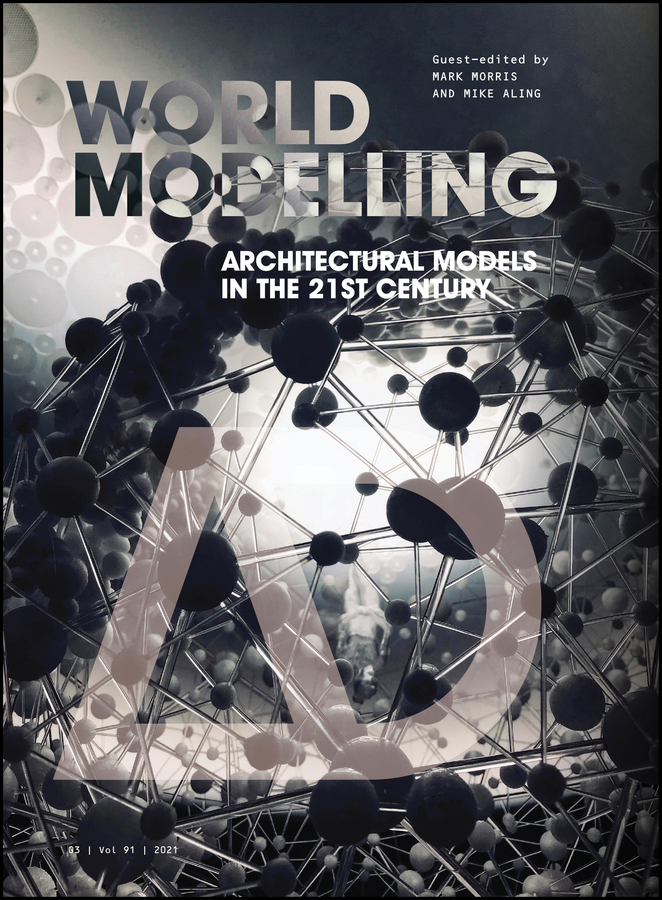
دانلود کتاب مدل معماری در قرن بیست و یکم: جهانی سازی ۲۰۲۱ ۲۰۲۱ (Worldmodelling: Architectural Models in the 21st Century 2021) با لینک مستقیم و فرمت pdf (پی دی اف)

۳۰ هزار تومان تخفیف با کد «OFF30» برای اولین خرید
| سال انتشار |
2021 |
|---|---|
| زبان |
English |
| نوع فایل |
|
| حجم |
29 Mb |
🏷️ 200,000 تومان قیمت اصلی: 200,000 تومان بود.129,000 تومانقیمت فعلی: 129,000 تومان.
🏷️
378,000 تومان
قیمت اصلی: ۳۷۸٬۰۰۰ تومان بود.
298,000 تومان
قیمت فعلی: ۲۹۸٬۰۰۰ تومان.
در پرتو تحولات اخیر در مدل سازی، و با هدف احیای بحث ها پیرامون پتانسیل مدل معماری – فلسفه ها، فناوری ها و آینده های آن – این شماره از AD بررسی می کند که چگونه مدل به یک ماشین غوطه ور در جهان سازی تبدیل شده است. جهان سازی خلق دنیای خیالی از طریق شکل های تولید فرهنگی است. اگرچه این گفتمان با تحلیل مکان های خیالی ساخته شده در آثار ادبی آغاز شد، اما به دنیای حوزه هایی مانند سینما، بازی ها، طراحی، چشم انداز، شهرسازی و معماری گسترش یافته است. جهان سازی با مفهوم جهان سازی متفاوت است که با نحوه تاثیرگذاری تفکر گمانه زنی بر ساخت جهان پدیده سروکار دارد. همانطور که معماران مدل های جهانی پیچیده تر و پیچیده تری را برای الهام گرفتن و اطلاع رسانی به عمل خود فرض می کنند، پرسش های مربوط به مقیاس، نمایندگی و همکاری مطرح می شوند. این شماره که با مشارکت طیف وسیعی از مقالات از سوی همکاران بین المللی برجسته در زمینه های معماری و مطالعات رسانه ای مورد بحث قرار می گیرد، نحوه قرارگیری مدل معماری بین مفاهیم جهان سازی و جهان سازی – در فضای خلاق جهان سازی را بررسی می کند.
همکاران: Kathy Battista, Thea Brejzek and Lawrence Wallen, Pascal Bronner and Thomas Hillier, Mark Cousins, James A Craig and Matt Ozga-Lawn, Kate Davies, Ryan Dillon, Christian Hubert, Chad Randl, Theodore Spyropoulos, and Mark JP Wolf.
معماران برجسته: Phil Ayres, FleaFolly Architects, Minimaforms, and Stasus.
۱. جلد
۲. صفحه عنوان
۳. صفحه حق تکثیر
۴. فهرست مطالب
۵. درباره ویراستاران مهمان
۶. مقدمه: گسترش جهانهای گوناگون مدل معماری
۷. بیشتر درباره مدل: بنا نهادن بر ویرانههای بازنمایی
۸. مکانهای مینیاتوری برای بازدیدهای نیابتی: جهانسازی و مدلهای معماری
۹. رویاهای چندصدایی: قصهگویی در واقعیت مصنوعی
۱۰. جهانهایی بیانتها
۱۱. جهانهای دستساز: ساختن یک چشمانداز مدل قابل سکونت
۱۲. بازمدلسازی: خانه به مثابه کیهان
۱۳. هر آنچه میبینید از آن شماست: گامی به سوی قطعیتِ عدم قطعیت
۱۴. مدل و قطعه: در باب اجرای معماریهای ناقص
۱۵. مدلها به عنوان اشیاء: چیدمان به عنوان مواجهه معماری
۱۶. صفر صفر صفر: چگونه اشتیاق نقشهنگاری برای فرافکنی واقعیت، فضاهایی را برای خلق جهانهای جدید آشکار میکند
۱۷. از تقلید تا جفتسازی: برخی تفاوتها، چالشها و فرصتهای معماریهای زیست-هیبریدی
۱۸. مکعب سفید در واقعیت مجازی
۱۹. جهانسازی باغ پشتی: معماری دهکده مدل
۲۰. پروژه پاراکاسمیک: بازی طولانی معماری
۲۱. از منظری دیگر: استاد سورئالیست روکوکو، کریس کوکسی
۲۲. نویسندگان
۲۳. توافقنامه مجوز کاربری
In light of current developments in modelling, and with the aim of reinvigorating debates around the potentiality of the architectural model – its philosophies, technologies and futures – this issue of AD examines how the model has developed to become an immersive worldbuilding machine. Worldbuilding is the creation of imaginary worlds through forms of cultural production. Although this discourse began with an analysis of imaginary places constructed in works of literature, it has evolved to encompass worlds from fields such as cinema, games, design, landscape, urbanism and architecture. Worldbuilding differs from the notion of worldmaking, which deals with how speculative thinking can influence the construction of the phenomenal world. As architects postulate ever-increasingly complex world models from which to draw inspiration and inform their practice, questions of scale, representation and collaboration emerge. Discussed through a range of articles from acclaimed international contributors in the fields of both architecture and media studies, this issue explores how the architectural model is situated between concepts of worldbuilding and worldmaking – in the creative space of worldmodelling.
Contributors: Kathy Battista, Thea Brejzek and Lawrence Wallen, Pascal Bronner and Thomas Hillier, Mark Cousins, James A Craig and Matt Ozga-Lawn, Kate Davies, Ryan Dillon, Christian Hubert, Chad Randl, Theodore Spyropoulos, and Mark JP Wolf.
Featured architects: Phil Ayres, FleaFolly Architects, Minimaforms, and Stasus.
1. Cover
2. Title Page
3. Copyright Page
4. Contents
5. About the Guest-Editors
6. Introduction: Scaling Up The Many Worlds of the Architectural Model
7. More onthe Model: Building on the Ruinsof Representation
8. Miniature Placesfor Vicarious Visits: Worldbuilding and Architectural Models
9. PolyphonicDreams: Storytime in Synthetic Reality
10. WorldsWithout End
11. Handmade Worlds: Constructing an Inhabitable Modelscape
12. Remodelling: Home as Cosmos
13. Everything YouSee is Yours: Step Towards the Certainty of Uncertainty
14. Model & Fragment: On the Performance of Incomplete Architectures
15. Models as Objects: The Installation asArchitectural Encounter
16. Zero Zero Ze(r)ro(r): How the Cartographic Thirst to Project the Real Reveals Spaces for the Creation of New Worlds
17. From Mimicry to Coupling: Some Differences, Challenges and Opportunities of Bio-Hybrid Architectures
18. The White Cube in Virtual Reality
19. Backgarden Worldbuilding: The Architecture of the Model Village
20. Paracosmic Project: The Architectural Long Game
21. From Another Perspective: A Surrealist Rococo Master Kris Kuksi
22. Contributors
23. EULA
✨ ضمانت تجربه خوب مطالعه
در صورت مشکل، مبلغ پرداختی بازگردانده می شود.
دانلود فایل کتاب با سرعت بالا
دانلود مستقیم به همراه ارسال فایل به ایمیل.
با چت آنلاین و پیامرسان ها پاسخگو هستیم.
کتاب ها را از منابع معتیر انتخاب می کنیم.

 هوشمصنوعی ترجمه کالیبو