Sale
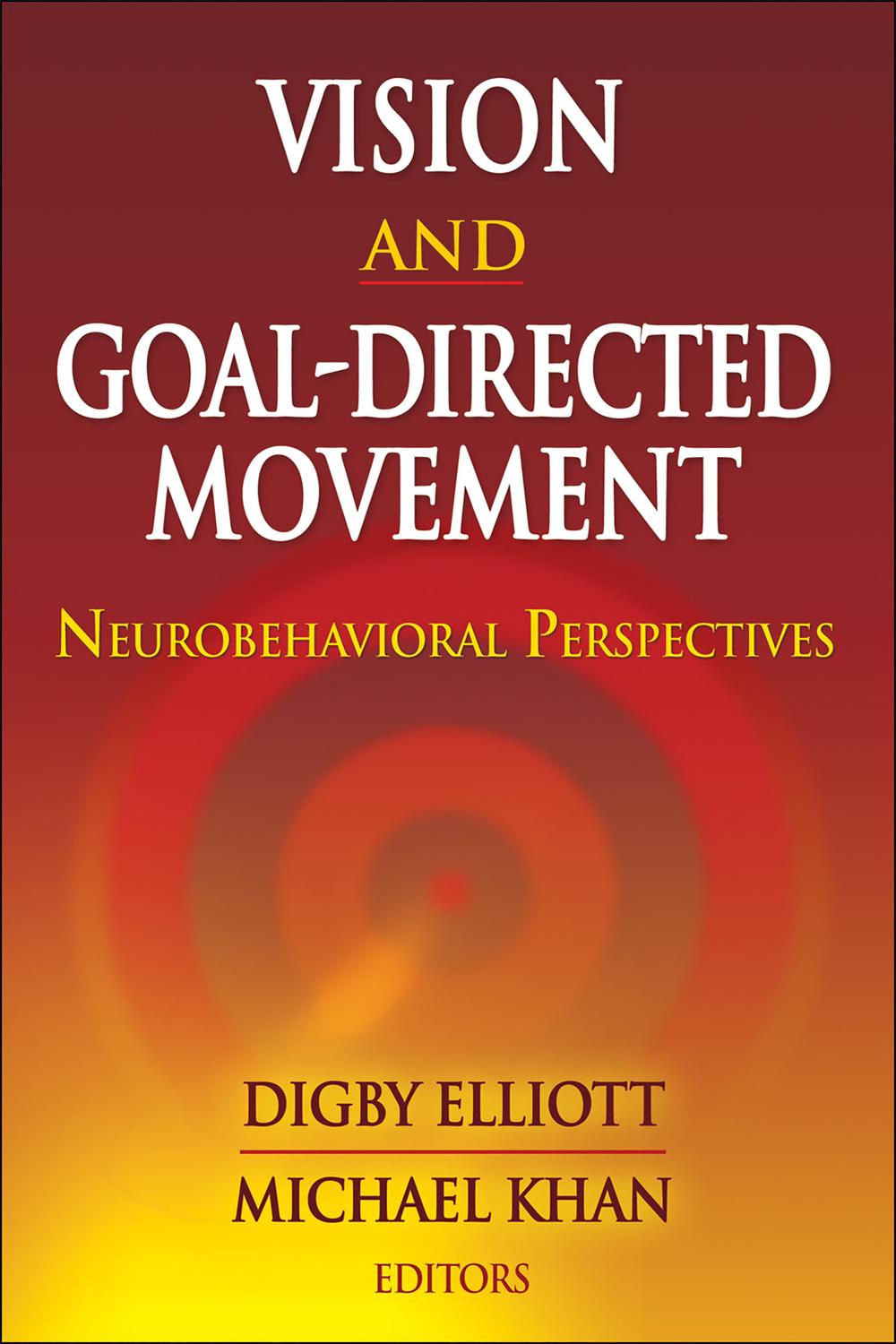
دانلود کتاب بینایی و حرکت هدفمند: دیدگاههای عصب-رفتاری ۲۰۱۰ (Vision and Goal-Directed Movement 2010) با لینک مستقیم و فرمت pdf (پی دی اف) و ترجمه فارسی
| نویسنده |
Digby Elliott, Michael Khan |
|---|

۳۰ هزار تومان تخفیف با کد «OFF30» برای اولین خرید
| سال انتشار |
2010 |
|---|---|
| زبان |
English |
| تعداد صفحهها |
456 |
| نوع فایل |
|
| حجم |
29.8 MB |
🏷️ 200,000 تومان قیمت اصلی: 200,000 تومان بود.129,000 تومانقیمت فعلی: 129,000 تومان.
🏷️
378,000 تومان
قیمت اصلی: ۳۷۸٬۰۰۰ تومان بود.
298,000 تومان
قیمت فعلی: ۲۹۸٬۰۰۰ تومان.
برای تعامل با محیط، فرد باید اطلاعات فضایی را رمزگذاری، ذخیره و به دستورات حرکتی مناسب برای دستیابی به نتیجه تبدیل کند. کتاب «بینایی و حرکت هدفمند: دیدگاههای عصب-رفتاری» با تکیه بر این فرضیه، به بررسی چگونگی ارتباط بینایی، توجه و حافظه با فرآیندهای آمادهسازی و اجرای حرکت میپردازد.
کتاب «بینایی و حرکت هدفمند» با مشارکت محققان فعال در حوزه علم حرکت، جدیدترین نظریهها در مورد استفاده از بینایی در کنترل حرکت هدفمند را ارائه میدهد. این کتاب به عنوان منبعی برای محققان، دانشجویان، مربیان و پزشکان در زمینههای کنترل حرکتی و یادگیری حرکتی، موارد زیر را ارائه میدهد:
• پوشش جامع ادبیات مبتنی بر رفتار کنونی در مورد کنترل بیناییِ حرکت هدفمند
• تبیین سیستماتیک فرآیندها و سیستمهای حسی و فیزیولوژیکی مسئول عملکرد سریع، دقیق و کارآمد
• پایهای محکم برای مطالعه بیشتر سیستمهای حسی و عصبی مسئول رفتار دقیق هدفمند
• بحث در مورد چگونگی کمک تحقیقات کنونی در زمینه بینایی و حرکت هدفمند به ایجاد محیطهای کاری کارآمد و ایمن
این متن با استفاده از تحقیقات مبتنی بر تصویربرداری عصبی و تحریک مغناطیسی مغز، درک بهتری از مبانی عصبی حرکت هدفمند در اختیار خوانندگان قرار میدهد، انعطافپذیری سیستم بینایی-حرکتی انسان را نشان میدهد و به بررسی چگونگی تنظیم حرکات بر اساس تاریخچه یادگیری و رشد فرد میپردازد. کتاب با بررسی آثار آر. اس. وودورث و تأثیر نظریههای او بر تحقیقات کنونی آغاز میشود. اکثر فصلهای بخش اول کتاب، رویکردی رفتاری و فرآیند-محور برای بررسی حرکت هدفمند اتخاذ میکنند. سپس متن به بررسی مبانی حسی و عصبی کنش هدفمند، از جمله مسائل مربوط به حرکات چشمی تعقیبی و پرشی، و همچنین بحث در مورد تخصص سیستمهای مختلف قشری برای تنظیم حرکت میپردازد. بخش پایانی متن که به ویژه برای متخصصان و دانشمندانی که به آموزش مهارت و توانبخشی علاقه دارند، مفید است، مروری بر تحقیقات اخیر در مورد چگونگی و چرایی تغییرات کنترل اندامها با تمرین و رشد ارائه میدهد. علاوه بر این، «بینایی و حرکت هدفمند» به بررسی چگونگی به حداکثر رساندن دقت، کارایی و ایمنی در طراحی فضای کاری از طریق تحقیقات ارائه شده میپردازد.
«بینایی و حرکت هدفمند: دیدگاههای عصب-رفتاری» یک اثر منحصربهفرد به مجموعه منابع مربوط به رفتار حرکتی میافزاید و نشان میدهد که چگونه پیشرفتها در روشهای رفتاری و نوروفیزیولوژیکی میتوانند به نظریههای مربوط به سیستمهای بیولوژیکی کمککننده به عملکرد ماهرانه، کمک کنند.
۱. روی جلد
۲. عنوان
۳. فهرست
۴. مشارکتکنندگان
۵. پیشگفتار
۶. بخش اول: رویکرد رفتاری به بینایی و حرکت هدفمند
۷. فصل ۱: میراث آر.اس. وودورث: بازبینی مدل دوجزئی
۸. فصل ۲: بهینهسازی سرعت، دقت و انرژی در هدفگیری هدفمند
۹. فصل ۳: توجه انتخابی بصری و عمل
۱۰. فصل ۴: بینایی و برنامهریزی حرکت
۱۱. فصل ۵: دسترسی هدایتشده با حافظه: سیستم حرکتی-بینایی چه میداند و تا چه مدت آن را میداند
۱۲. فصل ۶: آمادهسازی و کنترل حرکات هدفگیری چندگانه
۱۳. فصل ۷: تنظیم سریع مسیر اندام: پاسخ به اغتشاش
۱۴. فصل ۸: عدم تقارن میدان بینایی در کنترل حرکات هدفمند
۱۵. بخش دوم: سیستمهای حسی و عصبی برای بینایی و عمل
۱۶. فصل ۹: پیشبینی در تعقیب چشمی
۱۷. فصل ۱۰: مشارکتهای حرکتی چشم در دسترسی: نزدیک کافی است
۱۸. فصل ۱۱: هماهنگی چشم و دست در عمل هدفمند: عملکرد طبیعی و آسیبشناختی
۱۹. فصل ۱۲: جانبیسازی حرکت هدفمند
۲۰. فصل ۱۳: خطاهای دید و عمل
۲۱. فصل ۱۴: دو جریان بصری: شواهد روانشناختی-عصبی
۲۲. بخش سوم: یادگیری، توسعه و کاربرد
۲۳. فصل ۱۵: اطلاعات بصری در اکتساب عمل هدفمند
۲۴. فصل ۱۶: تکامل اولیه استفاده از اطلاعات بصری برای عمل و ادراک
۲۵. فصل ۱۷: یادگیری حرکتی از طریق مشاهده
۲۶. فصل ۱۸: بهینهسازی عملکرد از طریق طراحی فضای کار
۲۷. منابع
۲۸. درباره ویراستاران
Vision and Goal-Directed Movement: Neurobehavioral Perspectives is also available as an e-book. The e-book is available at a reduced price and allows readers to highlight and take notes throughout the text. When purchased through the Human Kinetics Web site, access to the e-book is immediately granted when the order is received.
To interact with the environment, an individual must code, store, and translate spatial information into the appropriate motor commands for achieving an outcome. Working from this premise, Vision and Goal-Directed Movement: Neurobehavioral Perspectives discusses how visual perception, attention, and memory are linked to the processes of movement preparation and execution.
With contributions from active researchers in movement science, Vision and Goal-Directed Movement presents the latest theories on the utilization of vision in goal-directed movement control. As a resource for motor control and motor learning researchers, students, educators, and clinicians, Vision and Goal-Directed Movement offers the following:
• Comprehensive coverage of current behavior-based literature on the visual control of goal-directed movement
• A systematic explication of the sensory and physiological processes and systems responsible for fast, accurate, and efficient performance
• A solid foundation for further study of the sensory and neural systems responsible for precise goal-directed behavior
• A discussion of how current research on vision and goal-directed movement can assist in creating efficient and safe work environments
Using research informed by neural imaging and magnetic brain stimulation, this text provides readers with a better understanding of the neural foundations for goal-directed movement, illustrates the flexibility of the human visuomotor system, and discusses how regulation of movements depends on the learning and developmental history of the performer. It begins by reviewing the works of R.S. Woodworth and the influence of his theories on current research. The majority of the chapters in the first section of the book take a behavioral and process-oriented approach to exploring goal-directed movement. The text then explores the sensory and neural foundations for goal-directed action, including issues related to both pursuit and saccadic eye movements as well as discussion of the specialization of various cortical systems for the regulation of movement. Especially relevant to professionals and scientists concerned with skill instruction and rehabilitation, the final part of the text provides a review of recent research on how and why limb control changes occur with practice and development. In addition, Vision and Goal-Directed Movement considers how the research presented can maximize precision, efficiency, and safety in workspace design.
Vision and Goal-Directed Movement: Neurobehavioral Perspectives adds a unique offering to the literature base for motor behavior, demonstrating how advances in both behavioral and neurophysiological methods can inform theories related to the biological systems contributing to skilled performance.
1. Cover
2. Title
3. Contents
4. Contributors
5. Preface
6. Part I A Behavioral Approach to Vision and Goal-Directed Movement
7. Chapter 1 The Legacy of R.S. Woodworth: The Two-Component Model Revisited
8. Chapter 2 The Optimization of Speed, Accuracy, and Energy in Goal-Directed Aiming
9. Chapter 3 Visual Selective Attention and Action
10. Chapter 4 Vision and Movement Planning
11. Chapter 5 Memory-Guided Reaching: What the Visuomotor System Knows and How Long It Knows It
12. Chapter 6 The Preparation and Control of Multiple-Target Aiming Movements
13. Chapter 7 Rapid Regulation of Limb Trajectories: Response to Perturbation
14. Chapter 8 Visual Field Asymmetries in the Control of Target-Directed Movements
15. Part II Sensory and Neural Systems for Vision and Action
16. Chapter 9 Prediction in Ocular Pursuit
17. Chapter 10 Oculomotor Contributions to Reaching: Close Is Good Enough
18. Chapter 11 Eye–Hand Coordination in Goal-Directed Action: Normal and Pathological Functioning
19. Chapter 12 Lateralization of Goal-Directed Movement
20. Chapter 13 Visual Illusions and Action
21. Chapter 14 Two Visual Streams: Neuropsychological Evidence
22. Part III Learning, Development, and Application
23. Chapter 15 Visual Information in the Acquisition of Goal-Directed Action
24. Chapter 16 Early Development of the Use of Visual Information for Action and Perception
25. Chapter 17 Motor Learning Through Observation
26. Chapter 18 Optimizing Performance Through Work Space Design
27. References
28. About the Editors
✨ ضمانت تجربه خوب مطالعه
در صورت مشکل، مبلغ پرداختی بازگردانده می شود.
دانلود فایل کتاب با سرعت بالا
دانلود مستقیم به همراه ارسال فایل به ایمیل.
با چت آنلاین و پیامرسان ها پاسخگو هستیم.
کتاب ها را از منابع معتیر انتخاب می کنیم.

 هوشمصنوعی ترجمه کالیبو