Sale
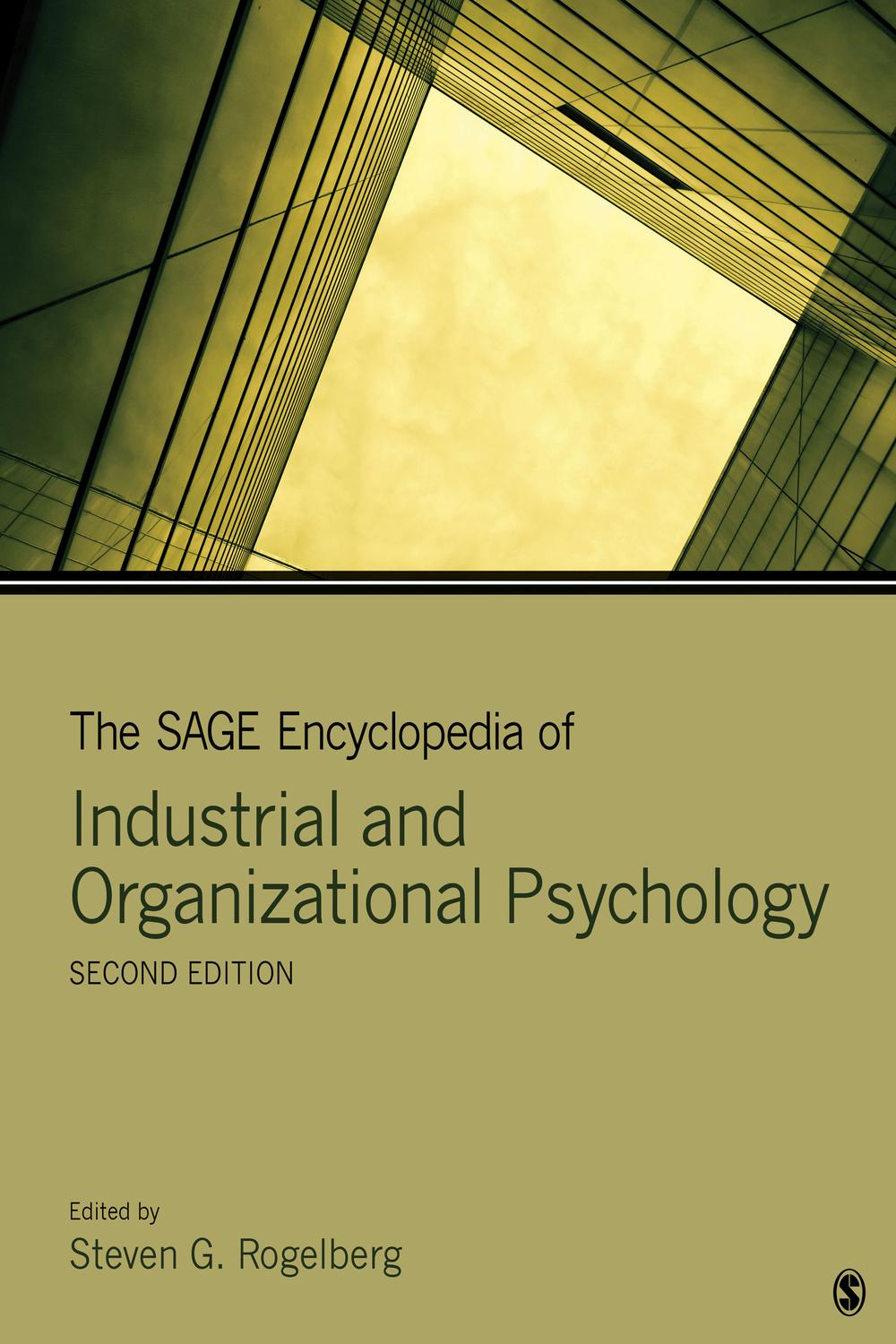
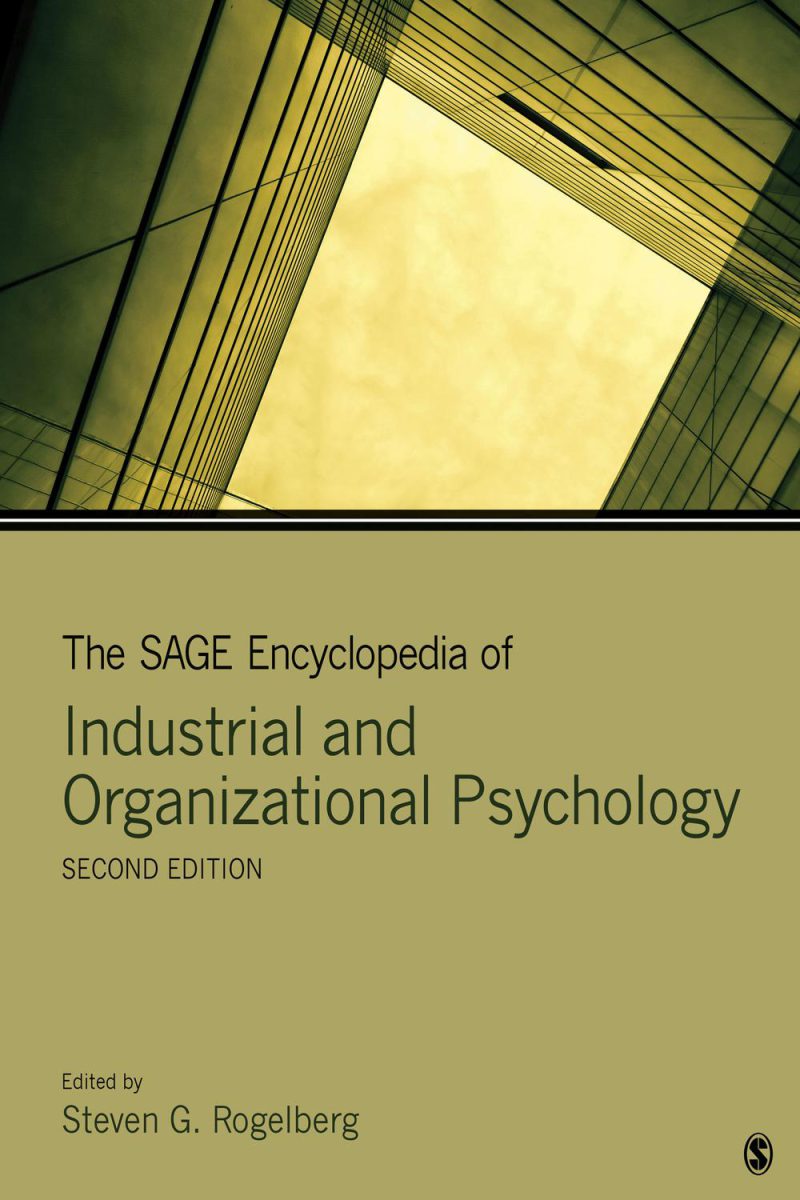
دانلود کتاب دانشنامهٔ سیج در روانشناسی صنعتی و سازمانی ۲۰۱۶ (The SAGE Encyclopedia of Industrial and Organizational Psychology 2016) با لینک مستقیم و فرمت pdf (پی دی اف) و ترجمه فارسی
| نویسنده |
Steven G. Rogelberg |
|---|

۳۰ هزار تومان تخفیف با کد «OFF30» برای اولین خرید
| سال انتشار |
2016 |
|---|---|
| زبان |
English |
| تعداد صفحهها |
2008 |
| نوع فایل |
|
| حجم |
41.1 MB |
🏷️ 200,000 تومان قیمت اصلی: 200,000 تومان بود.129,000 تومانقیمت فعلی: 129,000 تومان.
🏷️
378,000 تومان
قیمت اصلی: ۳۷۸٬۰۰۰ تومان بود.
298,000 تومان
قیمت فعلی: ۲۹۸٬۰۰۰ تومان.
دایرهالمعارف روانشناسی صنعتی و سازمانی سیج، که چاپ اول آن (۲۰۰۷، در ۲ جلد) با استقبال فراوان روبهرو شد، بهعنوان مرجعی مهم در بازار کتابخانههای دانشگاهی جایگاه خود را تثبیت کرد. این اثر، مروری جامع بر این رشتهی بینرشتهای برای دانشجویان، پژوهشگران و متخصصان حوزههای روانشناسی، کسبوکار، مدیریت و منابع انسانی ارائه میدهد. تقریباً ده سال پس از آن، سیج ویرایش کاملی را ارائه کرده که ضمن بهروزرسانی مطالب موجود، پوشش کلی را نیز گسترش داده و با افزودن حدود ۲۰۰ مقاله جدید، از دو جلد به چهار جلد افزایش یافته است. این اثر با بررسی مضامین و موضوعات کلیدی در این حوزه پویا و رو به گسترش روانشناسی، دیدگاهی حقیقتاً بینفرهنگی و جهانی ارائه میدهد.
۱. روی جلد
۲. صفحه عنوان فرعی
۳. هیئت تحریریه
۴. صفحه عنوان
۵. صفحه حق تکثیر
۶. فهرست
۷. درباره ویراستاران
۸. تقدیر و تشکر
۹. تقدیرنامهها
۱۰. مشارکتکنندگان
۱۱. یادداشت ناشر
۱۲. مقدمه
۱۳. الف
۱۴. نظارت سوءاستفادهگرانه
۱۵. مشاغل آکادمیک در روانشناسی صنعتی و سازمانی
۱۶. آکادمی مدیریت
۱۷. نیازهای پیشرفت
۱۸. نیازهای پیشرفت، نیازهای قدرت، نیازهای وابستگی، و جهتگیری هدف
۱۹. نظریه تنظیم عمل
۲۰. جهتگیری کنش-وضعیت
۲۱. تاثیر نامطلوب/رفتار نابرابر/تبعیض در محیط کار
۲۲. نظریه رویدادهای عاطفی
۲۳. ویژگیهای عاطفی
۲۴. نیازهای وابستگی
۲۵. اقدام مثبت
۲۶. قانون مراقبت مقرونبهصرفه
۲۷. بازبینی پس از عمل
۲۸. قانون تبعیض سنی در استخدام
۲۹. اتحاد برای روانشناسی سازمانی
۳۰. جاه طلبی
۳۱. انجمن روانشناسی آمریکا، انجمن علوم روانشناسی
۳۲. قانون آمریکاییهای دارای معلولیت
۳۳. واکنشهای متقاضی/آزموندهنده
۳۴. انگیزش رویکرد-اجتناب و تمرکز تنظیمی
۳۵. داوری
۳۶. دادههای آرشیوی/تکنیکهای دادههای ثانویه
۳۷. درگیریهای مسلحانه: پیامدها برای سازمانها
۳۸. آلفای ارتش/بتای ارتش
۳۹. ارزیابی فرهنگ سازمانی
۴۰. کانون ارزیابی
۴۱. روشهای کانون ارزیابی
۴۲. نگرشها و باورها
۴۳. مدل جذب-انتخاب- attrition
۴۴. جذابیت
۴۵. اتوماسیون/فناوری پیشرفته تولید/فناوری یکپارچه مبتنی بر کامپیوتر
۴۶. خودمختاری
۴۷. ب
۴۸. بررسی پیشینه/بررسی اعتباری
۴۹. کارت امتیازی متوازن
۵۰. دستهبندی
۵۱. آمار بیزی
۵۲. رویکرد رفتاری به رهبری
۵۳. محکزنی
۵۴. کلان داده: پیامدها برای سازمانها
۵۵. تکنیکهای کلان داده/تحلیل و روانشناسی I-O
۵۶. طبقهبندی پنج عاملی شخصیت
۵۷. دادههای زندگینامهای
۵۸. صلاحیتهای شغلی بلافصل
۵۹. کارمندان بومرنگ
۶۰. بوت استرپینگ
۶۱. کسالت در محل کار
۶۲. مشاغل بدون مرز/ذهنیت پروتئینی
۶۳. ایجاد خط لوله استعداد
۶۴. قلدری در محل کار
۶۵. پ
۶۶. کمبل، جان پی.: نهمین دریافتکننده، جایزه مشارکتهای علمی برجسته SIOP
۶۷. توسعه شغلی
۶۸. موفقیت شغلی
۶۹. انتقالات شغلی
۷۰. مشاغل
۷۱. مشاغل برای روانشناسان صنعتی و سازمانی
۷۲. روش مطالعه موردی
۷۳. تغییر جمعیت: پیامدها برای سازمانها
۷۴. نظریه رهبری کاریزماتیک
۷۵. قانون حقوق مدنی سال ۱۹۶۴، قانون حقوق مدنی سال ۱۹۹۱
۷۶. نظریه کلاسیک آزمون
۷۷. طبقهبندی
۷۸. تغییرات آب و هوایی: پیامدها برای سازمانها
۷۹. استنادهای اجباری
۸۰. تواناییهای شناختی
۸۱. آزمونهای توانایی شناختی
۸۲. واریانس روش مشترک
۸۳. ارزش قابل مقایسه
۸۴. جبران خدمت
۸۵. مدلسازی شایستگی
۸۶. هفته کاری فشرده
۸۷. آزمون انطباقی کامپیوتری
۸۸. ارزیابی مبتنی بر کامپیوتر/وب/آزمون انطباقی کامپیوتری
۸۹. استدلال شرطی
۹۰. فواصل اطمینان/آزمون فرضیه/اندازههای اثر
۹۱. تحلیل عاملی تاییدی
۹۲. تعارض در محل کار
۹۳. مدیریت تعارض
۹۴. سازه
۹۵. عملکرد زمینهای/رفتار جامعهپسند/رفتار شهروندی سازمانی
۹۶. نظریه کنترل
۹۷. نمونهگیری در دسترس
۹۸. خودارزیابیهای هستهای
۹۹. اخلاق شرکت
۱۰۰. مسئولیت اجتماعی شرکت
۱۰۱. رفتارهای ضد بهرهوری
۱۰۲. رفتارهای کاری ضد بهرهوری، انحراف بین فردی
۱۰۳. رفتارهای کاری ضد بهرهوری، انحراف سازمانی
۱۰۴. خلاقیت در محل کار
۱۰۵. اعتبارنامهدهی
۱۰۶. نظریه معیار
۱۰۷. تکنیک رویداد بحرانی
۱۰۸. روشها و نظریه پژوهش بین فرهنگی
۱۰۹. جمعسپاری
۱۱۰. رضایت مشتری و خدمات
۱۱۱. حملات سایبری: پیامدها برای سازمانها
۱۱۲. سایبر تنبلی در محل کار
۱۱۳. د
۱۱۴. دادهکاوی
۱۱۵. حریم خصوصی دادهها
۱۱۶. نمونهبرداری دادهها
۱۱۷. تجسم دادهها
۱۱۸. پشتیبانی مراقبت وابسته
۱۱۹. آمار توصیفی
۱۲۰. توسعه استعداد رهبری از طریق تجربیات چندگانه
۱۲۱. فرهنگ لغت عناوین شغلی
۱۲۲. عملکرد متفاوت آیتم
۱۲۳. کار کثیف
۱۲۴. مقاومت گرایشی در برابر تغییر
۱۲۵. آموزش از راه دور
۱۲۶. فضای تنوع
۱۲۷. تنوع در محیط کار
۱۲۸. آموزش تنوع
۱۲۹. کوچکسازی
۱۳۰. مسائل خانواده با دو شغل
۱۳۱. دونت، ماروین دی.: سومین دریافتکننده، جایزه مشارکتهای علمی برجسته SIOP
۱۳۲. تحلیل دادههای دوتایی
۱۳۳. ﻫ
۱۳۴. مدیریت الکترونیکی منابع انسانی
۱۳۵. نظارت الکترونیکی عملکرد
۱۳۶. رهبری نوظهور
۱۳۷. بازارهای نوظهور و جهانی شدن: پیامدها برای سازمانها
۱۳۸. فرسودگی عاطفی
۱۳۹. هوش هیجانی
۱۴۰. کار عاطفی
۱۴۱. احساسات
۱۴۲. خودگویی کارمند و رهبر
۱۴۳. برنامههای کمک به کارکنان
۱۴۴. سیستمهای رسیدگی به شکایات کارکنان
۱۴۵. مشارکت و صدای کارمند
۱۴۶. شناسایی عملکرد کارکنان
۱۴۷. انتخاب کارمند
۱۴۸. برنامههای تندرستی کارکنان
۱۴۹. استخدام اختیاری
۱۵۰. مصاحبه استخدامی
۱۵۱. توانمندسازی
۱۵۲. تعامل
۱۵۳. رسوایی انرون
۱۵۴. کارآفرینی
۱۵۵. همهگیریها: پیامدها برای سازمانها
۱۵۶. قانون پرداخت برابر سال ۱۹۶۳
۱۵۷. نظریه برابری
۱۵۸. ارگونومی
۱۵۹. آموزش مدیریت خطا
۱۶۰. تصمیمگیری و رفتار اخلاقی، ترویج
۱۶۱. اخلاق در رویه صنعتی و سازمانی
۱۶۲. اخلاق در انتشار صنعتی و سازمانی
۱۶۳. اخلاق در تحقیقات صنعتی و سازمانی
۱۶۴. رسواییهای اخلاقی در سازمانها
۱۶۵. آموزش اخلاق
۱۶۶. قومنگاری
۱۶۷. انجمن اروپایی روانشناسی کار و سازمان
۱۶۸. یوسترس
۱۶۹. توجه اجرایی
۱۷۰. مربیگری اجرایی
۱۷۱. انتخاب مدیران
۱۷۲. نظرسنجی خروج (مصاحبه خروج)
۱۷۳. برونزایی
۱۷۴. ماموریتهای اعزامی
۱۷۵. نظریه انتظار انگیزش کار
۱۷۶. تکنیک نمونهبرداری تجربه
۱۷۷. طرحهای آزمایشی
۱۷۸. تحلیل عاملی اکتشافی
۱۷۹. ف
۱۸۰. تسهیل پاسخ به نظرسنجی
۱۸۱. تحلیل عاملی
۱۸۲. جعل و تحریف عمدی
۱۸۳. قانون مرخصی خانوادگی و پزشکی
۱۸۴. کسب و کار خانوادگی
۱۸۵. گسلها
۱۸۶. بازخورد
۱۸۷. جستجوی بازخورد
۱۸۸. برنامههای کاری انعطافپذیر
۱۸۹. جریان
۱۹۰. گروههای متمرکز
۱۹۱. پیرو
۱۹۲. بنیانگذاران روانشناسی صنعتی و سازمانی
۱۹۳. سواری مجانی
۱۹۴. منابع مالی برای تحقیقات روانشناسی صنعتی و سازمانی
۱۹۵. مرخصی اجباری
۱۹۶. ق
۱۹۷. تسهیم سود و سهیم شدن در سود
۱۹۸. بازیسازی در محل کار
۱۹۹. مسائل همجنسگرایان، لزبینها و دوجنسگرایان در محل کار
۲۰۰. قوانین و مقررات حقوق همجنسگرایان
۲۰۱. نظریه تعمیمپذیری
۲۰۲. مسائل نسلی در کار با دیگران
۲۰۳. ژنتیک و روانشناسی صنعتی و سازمانی
۲۰۴. سقف شیشهای
۲۰۵. پرتگاه شیشهای
۲۰۶. پروژه اثربخشی رهبری جهانی و رفتار سازمانی
۲۰۷. بیثباتی سیاسی جهانی: پیامدها برای سازمانها
۲۰۸. جهتگیری هدف
۲۰۹. نظریه هدفگذاری
۲۱۰. خطشناسی
۲۱۱. فرضیه گرانشی
۲۱۲. نظریه زمینهای
۲۱۳. انسجام گروهی
۲۱۴. کیفیت و عملکرد تصمیمگیری گروهی
۲۱۵. تکنیکهای تصمیمگیری گروهی
۲۱۶. توسعه گروهی
۲۱۷. پویاییها و فرآیندهای گروهی
۲۱۸. مدل ذهنی گروهی
۲۱۹. گروهها
۲۲۰. تفکر گروهی
۲۲۱. گوانکسی
۲۲۲. گویون، رابرت ام.: پنجمین دریافتکننده، جایزه مشارکتهای علمی برجسته SIOP
۲۲۳. ح
۲۲۴. هکمن، جی. ریچارد: دهمین دریافتکننده، جایزه مشارکتهای علمی برجسته SIOP
۲۲۵. سرسختی
۲۲۶. مطالعات هاثورن/اثر هاثورن
۲۲۷. مدل هگزاکو شخصیت
۲۲۸. مدل سازمان با عملکرد بالا
۲۲۹. شناسایی پتانسیل بالا
۲۳۰. طرحهای پتانسیل بالا
۲۳۱. سازمانهای با قابلیت اطمینان بالا
۲۳۲. تاریخچه روانشناسی صنعتی و سازمانی در آفریقا
۲۳۳. تاریخچه روانشناسی صنعتی و سازمانی در آسیا
۲۳۴. تاریخچه روانشناسی صنعتی و سازمانی در شیلی
۲۳۵. تاریخچه روانشناسی صنعتی و سازمانی در اروپا و انگلستان
۲۳۶. تاریخچه روانشناسی صنعتی و سازمانی در آمریکای شمالی
۲۳۷. تاریخچه روانشناسی صنعتی و سازمانی در سایر نقاط جهان
۲۳۸. تست صداقت
۲۳۹. سرمایه انسانی
۲۴۰. عوامل انسانی
۲۴۱. عوامل انسانی و ارگونومی
۲۴۲. انجمن عوامل انسانی و ارگونومی
۲۴۳. جنبش روابط انسانی
۲۴۴. سیستمهای اطلاعات منابع انسانی
۲۴۵. مدیریت منابع انسانی
۲۴۶. استراتژی منابع انسانی
۲۴۷. طراحی انسانمحور
۲۴۸. تعامل انسان و رایانه
۲۴۹. شوخ طبعی در محیط کار
۲۵۰. ی
۲۵۱. هویت
۲۵۲. راهبردهای مدیریت هویت
۲۵۳. وظایف غیرقانونی
۲۵۴. مهاجرت: پیامدها برای سازمانها
۲۵۵. قانون مهاجرت و کار
۲۵۶. نگرشهای ضمنی
۲۵۷. نظریه ضمنی رهبری
۲۵۸. مشوقها
۲۵۹. اعتبار افزایشی
۲۶۰. تفاوتهای فردی
۲۶۱. ارزیابی روانشناختی فردی
۲۶۲. مجلات روانشناسی صنعتی و سازمانی
۲۶۳. روانشناسی صنعتی و سازمانی، کاهش فقر و طرحهای جامعهپسند
۲۶۴. روابط صنعتی
۲
The well-received first edition of the Encyclopedia of Industrial and Organizational Psychology (2007, 2 vols) established itself in the academic library market as a landmark reference that presents a thorough overview of this cross-disciplinary field for students, researchers, and professionals in the areas of psychology, business, management, and human resources. Nearly ten years later, SAGE presents a thorough revision that both updates current entries and expands the overall coverage, adding approximately 200 new articles, expanding from two volumes to four. Examining key themes and topics from within this dynamic and expanding field of psychology, this work offers a truly cross-cultural and global perspective.
1. Cover
2. Half Title
3. Editorial Board
4. Title Page
5. Copyright Page
6. Contents
7. About the Editors
8. Acknowledgments
9. Acknowledgements
10. Contributors
11. Publisher Note
12. Introduction
13. A
14. Abusive Supervision
15. Academic Careers in Industrial and Organizational
Psychology
16. Academy of Management
17. Achievement Needs
18. Achievement Needs, Power Needs, Affiliation Needs, and
Goal Orientation
19. Action Regulation Theory
20. Action-State Orientation
21. Adverse Impact/Disparate Treatment/Discrimination at
Work
22. Affective Events Theory
23. Affective Traits
24. Affiliation Needs
25. Affirmative Action
26. Affordable Care Act
27. After Action Reviews
28. Age Discrimination in Employment Act
29. Alliance for Organizational Psychology
30. Ambition
31. American Psychological Association, Association for
Psychological Science
32. Americans with Disabilities Act
33. Applicant/Test-Taker Reactions
34. Approach–Avoidance Motivation and Regulatory
Focus
35. Arbitration
36. Archival Data/Secondary Data Techniques
37. Armed Conflicts: Implications for Organizations
38. Army Alpha/Army Beta
39. Assessing Organizational Culture
40. Assessment Center
41. Assessment Center Methods
42. Attitudes and Beliefs
43. Attraction–Selection–Attrition
Model
44. Attractiveness
45. Automation/Advanced Manufacturing
Technology/Computer-Based Integrated Technology
46. Autonomy
47. B
48. Background Checks/Credit Checks
49. Balanced Scorecard
50. Banding
51. Bayesian Statistics
52. Behavioral Approach to Leadership
53. Benchmarking
54. Big Data: Implications for Organizations
55. Big Data Techniques/Analytics and I-O Psychology
56. Big Five Taxonomy of Personality
57. Biographical Data
58. Bona Fide Occupational Qualifications
59. Boomerang Employees
60. Bootstrapping
61. Boredom at Work
62. Boundaryless Careers/Protean Mindset
63. Building a Talent Pipeline
64. Bullying at Work
65. C
66. Campbell, John P.: Ninth Recipient, SIOP Distinguished
Scientific Contributions Award
67. Career Development
68. Career Success
69. Career Transitions
70. Careers
71. Careers for Industrial and Organizational
Psychologists
72. Case Study Method
73. Changing Demographics: Implications for
Organizations
74. Charismatic Leadership Theory
75. Civil Rights Act of 1964, Civil Rights Act of
1991
76. Classical Test Theory
77. Classification
78. Climate Change: Implications for Organizations
79. Coercive Citations
80. Cognitive Abilities
81. Cognitive Ability Tests
82. Common Method Variance
83. Comparable Worth
84. Compensation
85. Competency Modeling
86. Compressed Workweek
87. Computer Adaptive Testing
88. Computer-/Web-Based Assessment/Computer Adaptive
Testing
89. Conditional Reasoning
90. Confidence Intervals/Hypothesis Testing/Effect
Sizes
91. Confirmatory Factor Analysis
92. Conflict at Work
93. Conflict Management
94. Construct
95. Contextual Performance/Prosocial Behavior/Organizational
Citizenship Behavior
96. Control Theory
97. Convenience Sampling
98. Core Self-Evaluations
99. Corporate Ethics
100. Corporate Social Responsibility
101. Counterpoductive Behaviors
102. Counterproductive Work Behaviors, Interpersonal
Deviance
103. Counterproductive Work Behaviors, Organizational
Deviance
104. Creativity at Work
105. Credentialing
106. Criterion Theory
107. Critical Incident Technique
108. Cross-Cultural Research Methods and Theory
109. Crowdsourcing
110. Customer Satisfaction and Service
111. Cyberattacks: Implications for Organizations
112. Cyberloafing at Work
113. D
114. Data Mining
115. Data Privacy
116. Data Sampling
117. Data Visualization
118. Dependent Care Support
119. Descriptive Statistics
120. Developing Leadership Talent Through Multiple
Experiences
121. Dictionary of Occupational Titles
122. Differential Item Functioning
123. Dirty Work
124. Dispositional Resistance to Change
125. Distance Learning
126. Diversity Climate
127. Diversity in the Workplace
128. Diversity Training
129. Downsizing
130. Dual-Career Family Issues
131. Dunnette, Marvin D.: Third Recipient, SIOP Distinguished
Scientific Contributions Award
132. Dyadic Data Analysis
133. E
134. Electronic Human Resource Management
135. Electronic Performance Monitoring
136. Emergent Leadership
137. Emerging Markets and Globalization: Implications for
Organizations
138. Emotional Burnout
139. Emotional Intelligence
140. Emotional Labor
141. Emotions
142. Employee and Leader Self-Talk
143. Employee Assistance Programs
144. Employee Grievance Systems
145. Employee Participation and Voice
146. Employee Performance Recognition
147. Employee Selection
148. Employee Wellness Programs
149. Employment at Will
150. Employment Interview
151. Empowerment
152. Engagement
153. Enron Scandal
154. Entrepreneurship
155. Epidemics: Implications for Organizations
156. Equal Pay Act of 1963
157. Equity Theory
158. Ergonomics
159. Error Management Training
160. Ethical Decision Making and Behavior, Promotion
of
161. Ethics in Industrial and Organizational Practice
162. Ethics in Industrial and Organizational
Publishing
163. Ethics in Industrial and Organizational Research
164. Ethics Scandals in Organizations
165. Ethics Training
166. Ethnography
167. European Association of Work and Organizational
Psychology
168. Eustress
169. Executive Attention
170. Executive Coaching
171. Executive Selection
172. Exit Survey (Exit Interview)
173. Exogeneity
174. Expatriate Assignments
175. Expectancy Theory of Work Motivation
176. Experience Sampling Technique
177. Experimental Designs
178. Exploratory Factor Analysis
179. F
180. Facilitating Survey Response
181. Factor Analysis
182. Faking and Intentional Distortion
183. Family and Medical Leave Act
184. Family Business
185. Faultlines
186. Feedback
187. Feedback Seeking
188. Flexible Work Schedules
189. Flow
190. Focus Groups
191. Followership
192. Founders of Industrial and Organizational
Psychology
193. Free Riding
194. Funding Sources for Industrial and Organizational
Psychology Research
195. Furloughs
196. G
197. Gainsharing and Profit Sharing
198. Gamification at Work
199. Gay, Lesbian, and Bisexual Issues at Work
200. Gay Rights Laws and Legislation
201. Generalizability Theory
202. Generational Issues in Working With Others
203. Genetics and Industrial and Organizational
Psychology
204. Glass Ceiling
205. Glass Cliff
206. Global Leadership and Organizational Behavior
Effectiveness Project
207. Global Political Instability: Implications for
Organizations
208. Goal Orientation
209. Goal-Setting Theory
210. Graphology
211. Gravitational Hypothesis
212. Grounded Theory
213. Group Cohesiveness
214. Group Decision-Making Quality and Performance
215. Group Decision-Making Techniques
216. Group Development
217. Group Dynamics and Processes
218. Group Mental Model
219. Groups
220. Groupthink
221. Guanxi
222. Guion, Robert M.: Fifth Recipient, SIOP Distinguished
Scientific Contributions Award
223. H
224. Hackman, J. Richard: Tenth Recipient, SIOP Distinguished
Scientific Contributions Award
225. Hardiness
226. Hawthorne Studies/Hawthorne Effect
227. HEXACO Model of Personality
228. High-Performance Organization Model
229. High-Potential Identification
230. High-Potential Initiatives
231. High-Reliability Organizations
232. History of Industrial and Organizational Psychology in
Africa
233. History of Industrial and Organizational Psychology in
Asia
234. History of Industrial and Organizational Psychology in
Chile
235. History of Industrial and Organizational Psychology in
Europe and the United Kingdom
236. History of Industrial and Organizational Psychology in
North America
237. History of Industrial and Organizational Psychology in
Other Parts of the World
238. Honesty Testing
239. Human Capital
240. Human Factors
241. Human Factors and Ergonomics
242. Human Factors and Ergonomics Society
243. Human Relations Movement
244. Human Resource Information Systems
245. Human Resource Management
246. Human Resource Strategy
247. Human-Centered Design
248. Human–Computer Interaction
249. Humor in the Workplace
250. I
251. Identity
252. Identity Management Strategies
253. Illegitimate Tasks
254. Immigration: Implications for Organizations
255. Immigration Law and Work
256. Implicit Attitudes
257. Implicit Theory of Leadership
258. Incentives
259. Incremental Validity
260. Individual Differences
261. Individual Psychological Assessment
262. Industrial and Organizational Psychology Journals
263. Industrial and Organizational Psychology, Poverty
Reduction, and Prosocial Initiatives
264. Industrial Relations
265. Inferential Statistics
266. Initial Screening
267. Innovation
268. Input–Process–Output Model of Team
Effectiveness
269. Institutional Theory
270. Integrity at Work
271. Integrity Testing
272. Intergroup Relations
273. International Association of Applied Psychology
274. Interpersonal Communication
275. Interpersonal Communication Styles
276. Interpersonal Skills
277. Interrater Reliability/Agreement
278. Interviewing Considerations Beyond Applicant
Ability
279. Intrapreneurship
280. Intrinsic and Extrinsic Work Motivation
281. Item Response Theory
282. J
283. Job Advertisements
284. Job Analysis
285. Job Analysis Methods
286. Job Characteristics Theory
287. Job Choice
288. Job Control
289. Job Crafting
290. Job Demands–Control Theory
291. Job Description
292. Job Design
293. Job Evaluation
294. Job Involvement
295. Job Knowledge Testing
296. Job Performance Models
297. Job Rotation
298. Job Satisfaction
299. Job Satisfaction Measurement
300. Job Search
301. Job Security/Insecurity
302. Job Sharing
303. Job Typologies
304. Journal of Applied Psychology
305. Judgment and Decision-Making Process
306. Judgment and Decision-Making Process: Advice Giving and
Taking
307. Judgment and Decision-Making Process: Heuristics,
Cognitive Biases, and Contextual Influences
308. Justice in Teams
309. K
310. Katzell, Raymond A.: Sixth Recipient, SIOP Distinguished
Scientific Contributions Award
311. Knowledge Management
312. L
313. Labor Law
314. Labor Unions
315. Latent Trait Theory
316. Lawler, Edward E. III: Eighth Recipient, SIOP
Distinguished Scientific Contributions Award
317. Layoffs
318. Leader–Member Exchange Theory
319. Leadership and Gender
320. Leadership and Neuroscience
321. Leadership and Supervision
322. Leadership Circumplex
323. Leadership Development
324. Learning Agility
325. Learning Organizations
326. Least Preferred Coworker Theory
327. Lens Model
328. Letters of Recommendation
329. Linkage Research and Analyses
330. LinkedIn
331. Locus of Control
332. Longitudinal Research
333. M
334. Machiavellianism
335. Machine Learning
336. Managing Talent in China
337. Managing Talent in Global Organizations
338. Mayflower Group
339. McCormick, Ernest J.: Fourth Recipient, SIOP
Distinguished Scientific Contributions Award
340. Measurement Invariance
341. Measurement of Implicit Attitudes
342. Measurement Scales
343. Measures of Association/Correlation Coefficient
344. Mediating Variables
345. Mediation
346. Meetings at Work
347. Mentoring
348. Mergers, Acquisitions, and Strategic Alliances
349. Meta-Analysis
350. Micro Breaks
351. Microaggressions at Work
352. Mindfulness at Work
353. Missing Data
354. Mixed-Methods Designs
355. Moderated Mediation and Mediated Moderation
Models
356. Moderator Variables
357. Mood
358. Morale
359. Motherhood Penalty/Fatherhood Bonus
360. Motivational Traits
361. Motives
362. M-Turk Data Collection
363. Multilevel Modeling
364. Multilevel Modeling Techniques
365. Multimodal Performance Measurement and Assessment
366. Multitrait–Multimethod Matrix
367. N
368. Narcissism
369. National Institute for Occupational Safety and
Health/Occupational Safety and Health Administration
370. Naturalistic Observation
371. Need Theories of Work Motivation
372. Negotiation
373. Negotiation, Mediation, and Arbitration
374. Nepotism
375. Networking
376. New Employee Orientation
377. Nomological Networks
378. Nonexperimental Designs
379. Nonparametric Tests
380. Nonverbal Communication
381. Normative Models of Decision Making and
Leadership
382. Normative Versus Ipsative Measurement
383. Norms
384. O
385. Occupational Health Psychology
386. Occupational Information Network (O*NET)
387. Older Worker Issues
388. Online Assessment
389. Online Qualitative Methods
390. Online Support
391. Online Survey Data Collection Methods: Leveraging
Qualtrics and SurveyMonkey
392. Open Systems Theory
393. Optimism and Pessimism
394. Organizational Attraction
395. Organizational Behavior
396. Organizational Behavior Management
397. Organizational Change
398. Organizational Change, Resistance to
399. Organizational Climate
400. Organizational Commitment
401. Organizational Communication, Discipline of
402. Organizational Communication, Formal
403. Organizational Communication, Informal
404. Organizational Culture
405. Organizational Cynicism
406. Organizational Development
407. Organizational Identification
408. Organizational Image
409. Organizational Justice
410. Organizational Politics
411. Organizational Retaliatory Behavior
412. Organizational Sensemaking
413. Organizational Socialization
414. Organizational Socialization Tactics
415. Organizational Sociology
416. Organizational Structure
417. Organizational Surveys
418. Originality
419. Outsourcing and Temporary Work
420. Owens, William A.: First Recipient, SIOP Distinguished
Scientific Contributions Award
421. P
422. Part-Time Work
423. Passion at Work
424. Path–Goal Theory
425. Perceived Organizational Support
426. Performance Appraisal
427. Performance Appraisal, Objective Indices
428. Performance Appraisal, Subjective Indices
429. Performance Feedback
430. Personality
431. Personality Assessment
432. Person–Environment Fit
433. Person–Job Fit
434. Personnel Psychology
435. Person–Organization Fit
436. Person–Vocation Fit
437. Phenomenology
438. Physical Disabilities at Work
439. Physical Performance Assessment
440. Placement and Classification
441. Policy Capturing Method
442. Political Polarization: Implications for
Organizations
443. Political Skill
444. Polychronicity
445. Porter, Lyman W.: Seventh Recipient, SIOP Distinguished
Scientific Contributions Award
446. Positive Psychology Applied to Work
447. Power Needs
448. Practical Intelligence
449. Practice Careers in Industrial and Organizational
Psychology: External Consulting Roles
450. Practice Careers in Industrial and Organizational
Psychology: Internal Roles
451. Pregnancy Discrimination Act
452. Prejudice
453. Preparing for Academic Careers in Industrial and
Organizational Psychology
454. Preparing for Careers in Industrial and Organizational
Psychology Practice
455. Prescreening Assessment Methods for Personnel
Selection
456. Privacy at Work
457. Proactive Personality
458. Procrastination
459. Profit Sharing
460. Program Evaluation
461. Project A
462. Prosocial Values
463. Prospect Theory
464. Protestant Work Ethic
465. Psychological Contract
466. Psychological Resilience
467. Q
468. Qualitative Analytic Software
469. Qualitative Research Approach
470. Quality of Work Life
471. Quantitative Research Approach
472. Quasi-Experimental Designs
473. Queen Bee Syndrome
474. Questionnaires
475. R
476. Race Norming
477. Rater Training
478. Rating Errors and Perceptual Biases
479. Rational Decision Making Theory
480. Realistic Job Preview
481. Recovery From Work/Psychological Detachment
482. Recruitment
483. Recruitment Sources
484. Registered Reports Publication Model
485. Regression Techniques
486. Reinforcement Theory of Work Motivation
487. Relative Importance
488. Reliability
489. Religious Discrimination
490. Results-Only Work Environment
491. Retesting
492. Retirement
493. Rightsizing
494. Rise of Africa: Implications for Organizations
495. Rise of China: Implications for Organizations
496. Role Ambiguity
497. Role Conflict
498. Role of Theory in Research
499. Role Overload and Underload
500. S
501. Safety Climate
502. Sampling Techniques
503. Scale Creation
504. Scale Development
505. Scientific Management
506. Scientist–Practitioner Model
507. Selection: Occupational Tailoring
508. Selection Strategies
509. Self-Concept Theory of Work Motivation
510. Self-Determination Theory
511. Self-Efficacy
512. Self-Esteem
513. Self-Fulfilling Prophecy: Pygmalion Effect
514. Self-Leadership Theory
515. Self-Regulation Theory
516. Servant Leadership
517. Service Climate
518. Sexual Discrimination
519. Sexual Harassment
520. Shared Leadership
521. Shift Work
522. Simulation, Computer Approach
523. Situational Approach to Leadership
524. Situational Judgment Tests
525. Situational Leadership Theory
526. Smith, Patricia C.: Second Recipient, SIOP Distinguished
Scientific Contributions Award
527. Social Cognitive Theory
528. Social Comparison Theory
529. Social Exchange Theory
530. Social Loafing
531. Social Media: Implications for Organizations
532. Social Media in Selection
533. Social Norms and Conformity
534. Social Relations Model
535. Social Support
536. Socialization
537. Socialization, Employee Proactive Behaviors
538. Society for Human Resource Management
539. Society for Industrial and Organizational
Psychology
540. Sociotechnical Approach
541. Space and Spaceflight: Implications for
Organizations
542. Stakeholder Theory
543. Standardized Testing
544. Statistical Power
545. Status Characteristics Theory
546. Stereotype Threat
547. Stereotyping
548. Stigma
549. Strategic Human Resources
550. Strategic Planning
551. Strategic Talent Management
552. Strategy
553. Stress, Consequences
554. Stress, Coping and Management
555. Stress, Models and Theories
556. Stress and Physiological Indicators
557. Stress Management Interventions
558. Structural Equation Modeling
559. Subconscious Motivation
560. Succeeding in Academic Careers in Industrial and
Organizational Psychology
561. Succeeding in Careers in Industrial and Organizational
Psychology Practice
562. Succession Planning
563. Survey Approach
564. Survey Nonresponse Bias
565. Survivor Syndrome
566. Sustainability: Implications for Organizations
567. T
568. Team Building
569. Team Development
570. Team Mental Model
571. Team-Based Rewards
572. Teams
573. Teams, Creativity and Innovation
574. Telecommuting
575. Temporary Workers
576. Terrorism: Implications for Organizations
577. Terrorism and Work
578. Test Security
579. Tests of Mean Differences
580. Theft at Work
581. Theory of Action
582. Theory of Reasoned Action/Theory of Planned
Behavior
583. Theory of Work Adjustment
584. Theory X/Y
585. 360-Degree Feedback
586. Time Management
587. Tips for Applying to Industrial and Organizational
Psychology Graduate School
588. Tips for Creating a Consulting Practice
589. Tips for Getting an Internship
590. Total Quality Management
591. Trade Unions
592. Trainability and Adaptability
593. Training
594. Training Evaluation
595. Training Methods
596. Training Needs Assessment and Analysis
597. Trait Approach to Leadership
598. Transfer of Training
599. Transformational and Transactional Leadership
600. Triple Bottom Line
601. Trust
602. Two-Factor Theory
603. Type A/Type B Personality
604. U
605. Underemployment
606. Unethical Data Analytic Practices
607. Uniform Guidelines on Employee Selection
Procedures
608. Union Commitment
609. Union Law
610. Unions
611. U.S. National Debt: Implications for
Organizations
612. User Experience
613. Utility Analysis
614. V
615. Validation Strategies
616. Validity
617. Verbal Protocol Analysis
618. Veterans in Civilian Work
619. Victimization
620. Violence at Work
621. Virtual Interactions
622. Virtual Organizations
623. Virtual Teams
624. Vocational Interests/Choice
625. Volunteer Management
626. W
627. Web-Based Assessment
628. What Is Theory?
629. Whistle-Blowers
630. Withdrawal Behaviors, Absenteeism
631. Withdrawal Behaviors, Lateness
632. Withdrawal Behaviors, Turnover
633. Work as a Calling
634. Work Ethic
635. Work Motivation
636. Work Samples
637. Work Values
638. Workaholism
639. Workers’ Compensation Law
640. Work–Life Balance
641. Work–Life Conflict
642. Work–Life Enrichment
643. Workplace Accommodations for People With
Disabilities
644. Workplace Exclusion
645. Workplace Incivility
646. Workplace Injuries
647. Workplace Romance
648. Workplace Safety
649. Workplace Spirituality and Spiritual Leadership
650. Appendix A: Graduate Training Programs in Industrial and
Organizational (I-O) Psychology and Organizational Behavior and Human Resources
(OBHR)
651. Appendix B: Groups Related to Industrial and Organizational
Psychology
652. Appendix C: 2012 lncome and Employment Survey Results for the
Society for Industrial and Organizational Psychology
653. Appendix D: Policy on Licensure
654. Index
✨ ضمانت تجربه خوب مطالعه
در صورت مشکل، مبلغ پرداختی بازگردانده می شود.
دانلود فایل کتاب با سرعت بالا
دانلود مستقیم به همراه ارسال فایل به ایمیل.
با چت آنلاین و پیامرسان ها پاسخگو هستیم.
کتاب ها را از منابع معتیر انتخاب می کنیم.

 هوشمصنوعی ترجمه کالیبو