Sale
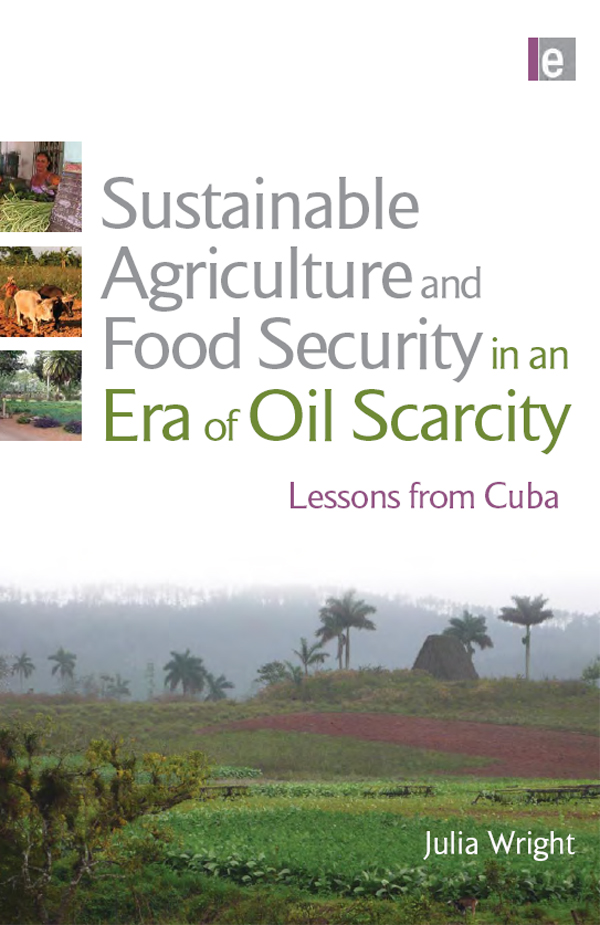
دانلود کتاب کشاورزی پایدار و امنیت غذایی در عصر کمبود نفت ۲۰۱۲ (Sustainable Agriculture and Food Security in an Era of Oil Scarcity 2012) با لینک مستقیم و فرمت pdf (پی دی اف) و ترجمه فارسی
| نویسنده |
Julia Wright |
|---|

۳۰ هزار تومان تخفیف با کد «OFF30» برای اولین خرید
| سال انتشار |
2012 |
|---|---|
| زبان |
English |
| تعداد صفحهها |
280 |
| نوع فایل |
|
| حجم |
2.2 MB |
🏷️ 200,000 تومان قیمت اصلی: 200,000 تومان بود.129,000 تومانقیمت فعلی: 129,000 تومان.
🏷️
378,000 تومان
قیمت اصلی: ۳۷۸٬۰۰۰ تومان بود.
298,000 تومان
قیمت فعلی: ۲۹۸٬۰۰۰ تومان.
در دورانی که کشورهای دیگر ناگزیر از بازنگری در استراتژیهای امنیت غذایی و کشاورزی خود در پرتو بحثهای مربوط به دوران پس از اوج تولید نفت هستند، تنها یک نمونهی واقعی برای الگوبرداری دارند: کوبا در دههی ۱۹۹۰. این کتاب، بر پایهی نخستین و – تا به امروز – تنها مطالعهی نظاممند و تجربی که از کوبا در این زمینه منتشر شده است، بررسی میکند که چگونه این کشور پس از فروپاشی بلوک شوروی در اوایل دههی ۱۹۹۰ با موفقیت بحران غذایی خود را مهار کرد.
نویسنده سیاستها و اقداماتی را که برای دستیابی به چنین موفقیتی در شرایط کمبود نفت ضروری است، شناسایی میکند و با این کار، نظامهای غذایی جهانیشده و خصوصیسازیشدهی رایج و استراتژیهای امنیت غذایی که در مناطق صنعتی و مناطق در حال توسعهی آسیبپذیرتر دنبال میشوند را به چالش میکشد. بهطور متناقضنمایی، این کتاب این افسانه را که کوبا به کشاورزی ارگانیک در سطح ملی روی آورده است، رد میکند؛ افسانهای که بر پایهی موفقیت نظامهای تولید ارگانیک شهری کوبا استوار است که بازدیدکنندگان از این کشور معمولاً با آن مواجه میشوند. در مناطق روستایی، جایی که نویسنده دسترسی منحصر به فردی به آن داشته است، کشاورزی صنعتیِ پرنهاده و یکپارچه، علیرغم نوسانات مداوم در دسترسی به مواد شیمیایی کشاورزی و سوخت، برای اکثریت تولید داخلی مورد نظر است.
این کتاب با شناسایی چالشهایی که نهادها و افراد کوبایی در غیرصنعتیسازی نظامهای غذایی و کشاورزی خود با آن مواجه هستند، مواد آموزشی حیاتی را برای تلاشهای نوپای کنونی در جهت توسعهی برنامههای کاهش مصرف انرژی و ترویج نظامهای غذایی ارگانیک بیشتر در کشورهای صنعتی فراهم میکند. همچنین سیاستگذاریهای بینالمللی در زمینهی کشاورزی پایدار و امنیت غذایی برای کشورهای کمتر صنعتی را نیز مورد توجه قرار میدهد.
۱. Front Cover
۲. Half Title
۳. Title Page
۴. Copyright
۵. Contents
۶. List of Figures, Tables and Boxes
۷. Preface and Acknowledgements
۸. List of acronyms and Glossary
۱. Cuba: Providing the Model for a Post-Petroleum Food System?
۲. Post-Petroleum Food Systems: Transition and Change
۳. Researching Cuba
۴. The Historical Context: Cuban Agriculture and Food Systems ۴۹ of the ۲۰th Century
۵. Life After the Crisis: The Rise of Urban Agriculture
۶. From Dependency to Greater Self-reliance: Transformation of ۹۳ the Cuban Food System
۷. Cuban Food Production in the ۱۹۹۰s: A Patchwork of Approaches
۸. Institutional Coping Strategies: Transition and Decentralization
۹. Perspectives on the Mainstreaming of Local Organic Food Systems
۱۰. Lessons for the Future: Cuba Ten Years On
۱۹. Appendices
۲۰. Index
۱. روی جلد
۲. صفحه عنوان مختصر
۳. صفحه عنوان
۴. حق چاپ
۵. فهرست
۶. فهرست شکلها، جدولها و جعبهها
۷. پیشگفتار و تقدیر و تشکر
۸. فهرست اختصارات و واژه نامه
۱. آیا کوبا مدلی برای یک سیستم غذایی پس از نفت ارائه میدهد؟
۲. سیستمهای غذایی پس از نفت: گذار و تغییر
۳. تحقیق در مورد کوبا
۴. زمینه تاریخی: کشاورزی و سیستمهای غذایی کوبا در قرن بیستم ۴۹
۵. زندگی پس از بحران: ظهور کشاورزی شهری
۶. از وابستگی تا خوداتکایی بیشتر: تحول سیستم غذایی کوبا ۹۳
۷. تولید مواد غذایی کوبا در دهه ۱۹۹۰: مجموعهای از رویکردها
۸. راهبردهای مقابله نهادی: گذار و عدم تمرکز
۹. دیدگاهها در مورد جریان اصلی شدن سیستمهای غذایی ارگانیک محلی
۱۰. درسهایی برای آینده: کوبا ده سال بعد
۱۹. ضمائم
۲۰. نمایه
When other nations are forced to rethink their agricultural and food security strategies in light of the post-peak oil debate, they only have one living example to draw from: that of Cuba in the 1990s. Based on the first and - up till now - only systematic and empirical study to come out of Cuba on this topic, this book examines how the nation successfully headed off its own food crisis after the dissolution of the Soviet Bloc in the early 1990s.
The author identifies the policies and practices required for such an achievement under conditions of petroleum-scarcity and in doing so, challenges the mainstream globalized and privatized food systems and food security strategies being driven through in both industrialized and more vulnerable developing regions. Paradoxically, the book dispels the myth that Cuba turned to organic farming nationwide, a myth founded on the success of Cuba's urban organic production systems which visitors to the country are most commonly exposed to. In rural regions, where the author had unique access, industrialized high-input and integrated agriculture is aspired to for the majority of domestic production, despite the ongoing fluctuations in availability of agrochemicals and fuel.
By identifying the challenges faced by Cuban institutions and individuals in de-industrializing their food and farming systems, this book provides crucial learning material for the current fledgling attempts at developing energy descent plans and at mainstreaming more organic food systems in industrialized nations. It also informs international policy on sustainable agriculture and food security for less-industrialized countries.
1. Front Cover
2. Half Title
3. Title Page
4. Copyright
5. Contents
6. List of Figures, Tables and Boxes
7. Preface and Acknowledgements
8. List of acronyms and Glossary
1. Cuba: Providing the Model for a Post-Petroleum Food System?
2. Post-Petroleum Food Systems: Transition and Change
3. Researching Cuba
4. The Historical Context: Cuban Agriculture and Food Systems 49 of the 20th Century
5. Life After the Crisis: The Rise of Urban Agriculture
6. From Dependency to Greater Self-reliance: Transformation of 93 the Cuban Food System
7. Cuban Food Production in the 1990s: A Patchwork of Approaches
8. Institutional Coping Strategies: Transition and Decentralization
9. Perspectives on the Mainstreaming of Local Organic Food Systems
10. Lessons for the Future: Cuba Ten Years On
19. Appendices
20. Index
✨ ضمانت تجربه خوب مطالعه
در صورت مشکل، مبلغ پرداختی بازگردانده می شود.
دانلود فایل کتاب با سرعت بالا
دانلود مستقیم به همراه ارسال فایل به ایمیل.
با چت آنلاین و پیامرسان ها پاسخگو هستیم.
کتاب ها را از منابع معتیر انتخاب می کنیم.

 هوشمصنوعی ترجمه کالیبو