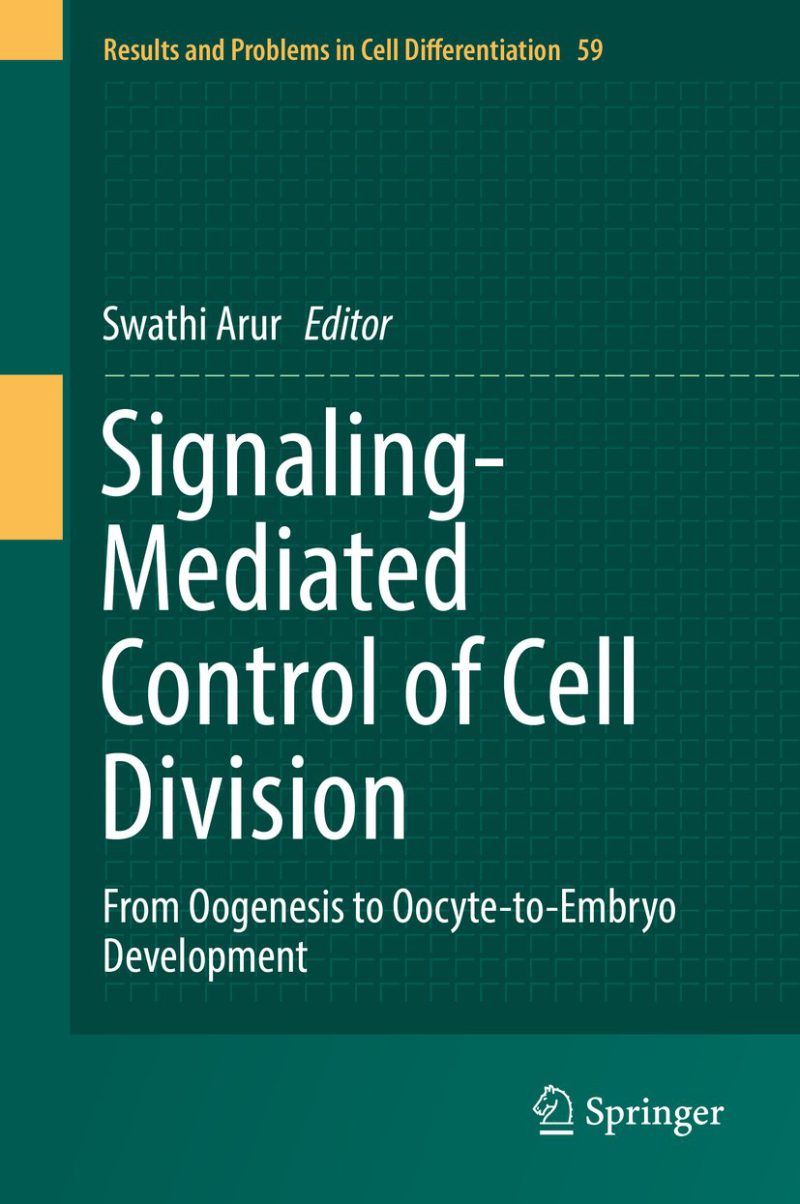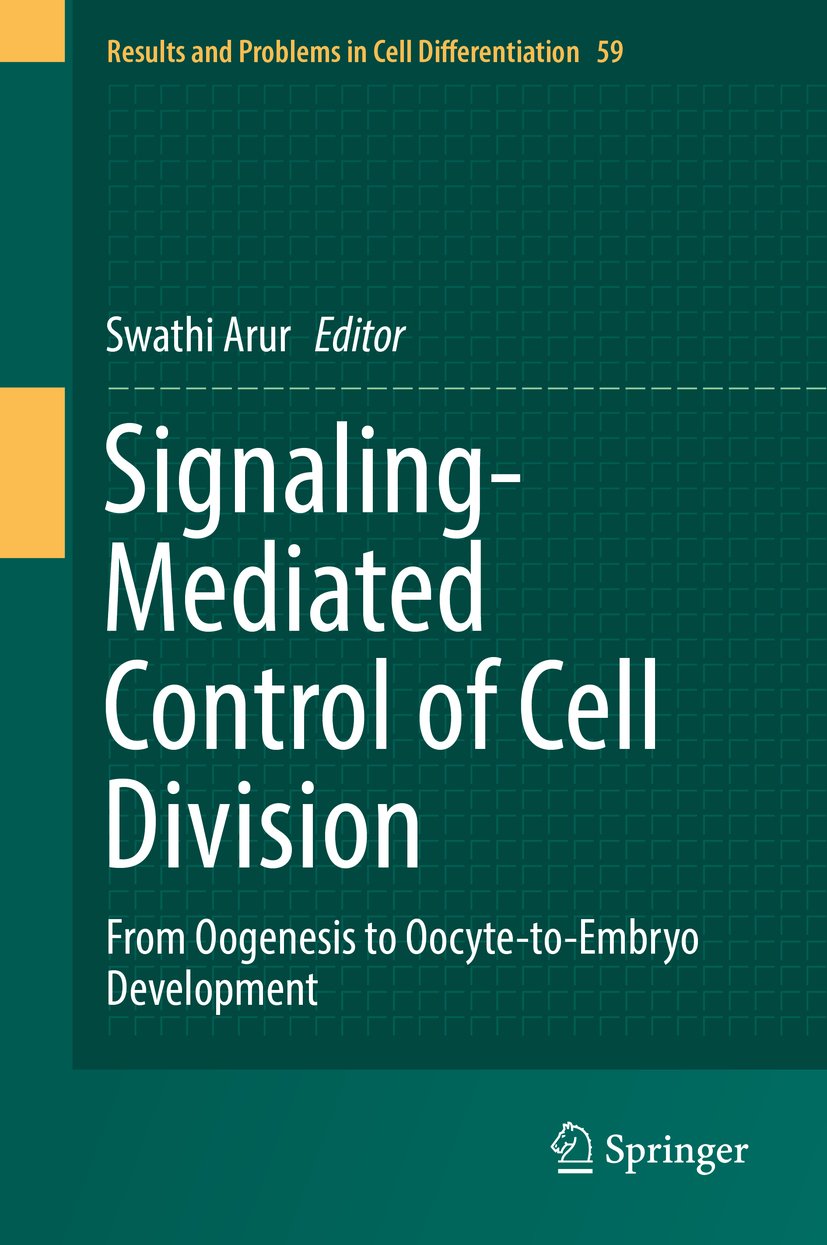
کنترل تقسیم سلولی با واسطه سیگنالینگ: از تخمک زایی تا تکامل تخمک به جنین ۲۰۱۷
Signaling-Mediated Control of Cell Division: From Oogenesis to Oocyte-to-Embryo Development 2017
دانلود کتاب کنترل تقسیم سلولی با واسطه سیگنالینگ: از تخمک زایی تا تکامل تخمک به جنین ۲۰۱۷ (Signaling-Mediated Control of Cell Division: From Oogenesis to Oocyte-to-Embryo Development 2017) با لینک مستقیم و فرمت pdf (پی دی اف)
| نویسنده |
Swathi Arur |
|---|
۳۰ هزار تومان تخفیف با کد «OFF30» برای اولین خرید
| سال انتشار |
2017 |
|---|---|
| زبان |
English |
| تعداد صفحهها |
292 |
| نوع فایل |
|
| حجم |
6 Mb |
🏷️ 200,000 تومان قیمت اصلی: 200,000 تومان بود.129,000 تومانقیمت فعلی: 129,000 تومان.
🏷️
378,000 تومان
قیمت اصلی: ۳۷۸٬۰۰۰ تومان بود.
298,000 تومان
قیمت فعلی: ۲۹۸٬۰۰۰ تومان.
📥 دانلود نسخهی اصلی کتاب به زبان انگلیسی(PDF)
🧠 به همراه ترجمهی فارسی با هوش مصنوعی
🔗 مشاهده جزئیات
دانلود مستقیم PDF
ارسال فایل به ایمیل
پشتیبانی ۲۴ ساعته
توضیحات
معرفی کتاب کنترل تقسیم سلولی با واسطه سیگنالینگ: از تخمک زایی تا تکامل تخمک به جنین ۲۰۱۷
این مجلد، دانش موجود در خصوص نقش مسیرهای پیام رسانی و محیطی را که کنترل کننده ی تکامل طبیعی سلول های بنیادی زایا، پیشرفت میوز در اووسیت ها، وقایع بلوغ و باروری اووسیت، و تولد یک جنین هستند، پوشش می دهد.
سلول های زایا به طور منحصربه فردی آماده ی تداوم حیات در نسل ها از طریق آمیختگی اووسیت و اسپرم هستند. با توجه به اهمیت محوری سلول های زایا برای حیات، تلاش های بسیاری به درک روشن رویدادهای مولکولی و پیام رسانی که شکل گیری و نگهداری آن ها را کنترل می کنند، اختصاص یافته است. سلول های زایا در جنین از سلول های سوماتیک جدا شده و همزمان با بلوغ حیوان، چرخه های سلولی میوز تخصصی را طی می کنند. این چرخه های سلولی با دوره های طولانی توقف همراه هستند. در جنس ماده ی انسان، میوز I در دوران جنینی آغاز می شود. در بدو تولد، اووسیت ها در میوز I متوقف می شوند؛ پس از بلوغ، هر ماه یک اووسیت، میوز II – تخمک گذاری – را آغاز می کند. پس از در دسترس قرار گرفتن اسپرم، این سلول ها بارور شده، جنینی را ایجاد می کنند و چرخه ی حیات ادامه می یابد. در طول پیشرفت و توقف میوز I، تناسب اووسیت ها و نسل آن ها احتمالاً تحت تاثیر نشانه های محیطی و مسیرهای پیام رسانی قرار می گیرد.
بسیاری از پژوهش های اخیر بر درک مکانیسم هایی که تناسب و کیفیت اووسیت را در انسان و مهره داران تنظیم می کنند، متمرکز شده اند. بخش عمده ای از درک ما از وقایع میوز I و جمعیت های سلول بنیادی زایا، از پژوهش های انجام شده در بی مهرگان به دست آمده است، که در آن ها سلول های بنیادی زایا به طور مداوم در طول تکامل دوران بلوغ، اووسیت تولید می کنند. هم در بی مهرگان و هم در مهره داران، مسیرهای تغذیه ای و پیام رسانی، تنظیم سلول های بنیادی را به گونه ای کنترل می کنند که تولید گامت ها با دسترسی تغذیه ای مرتبط باشد. علاوه بر این، اووسیت های بالغ، هم در میوز I و هم در میوز II متوقف می شوند، و نشان داده شده است که مسیرهای پیام رسانی و تغذیه ای، شکل گیری و نگهداری آن ها را تنظیم می کنند، به طوری که علی رغم دوره های طولانی توقف، کیفیت اووسیت تضمین می شود و خطاهای تفکیک کروموزومی و وقایع متنوع سیتوپلاسمی به حداقل می رسد.
توضیحات(انگلیسی)
This volume covers the current knowledge base on the role of signaling and environmental pathways that control the normal development of germline stem cells, meiotic progression of oocytes, events of oocyte maturation and fertilization, and the birth of an embryo.
Germ cells are uniquely poised to sustain life across generations through the fusion of oocyte and sperm. Because of the central importance of germ cells to life, much work has been dedicated to obtaining a clear understanding of the molecular and signaling events that control their formation and maintenance. Germ cells are set aside from somatic cells in the embryo and go through specialized meiotic cell cycles as the animal matures. These cell cycles are interspersed with long periods of arrest. In human females, meiosis I is initiated in the fetus. At birth, oocytes are arrested in meiosis I; after puberty, every month an oocyte initiates meiosis II – ovulation. Upon sperm availability these cells are fertilized, generate an embryo, and the cycle-of-life continues. During meiotic I progression and arrest, the fitness of oocytes and their progeny are likely influenced by environmental cues and signaling pathways.
A lot of recent work has focused on understanding the mechanisms that regulate oocyte fitness and quality in humans and vertebrates. Much of our understanding on the events of meiosis I and germline stem cell populations comes from work in invertebrates, wherein the germline stem cells produce oocytes continuously through adult development. In both inverbrates and vertebrates nutritional and signaling pathways control the regulation of stem cells in such a manner so as to couple production of gametes with the nutritional availability. Additionally, mature oocytes arrest both in meiosis I and meiosis II, and signaling and nutritional pathways have been shown to regulate their formation, and maintenance, such that despite long periods of arrest, the oocyte quality is assured and errors in chromosome segregation and varied cytoplasmic events are minimal.
Germ cells are uniquely poised to sustain life across generations through the fusion of oocyte and sperm. Because of the central importance of germ cells to life, much work has been dedicated to obtaining a clear understanding of the molecular and signaling events that control their formation and maintenance. Germ cells are set aside from somatic cells in the embryo and go through specialized meiotic cell cycles as the animal matures. These cell cycles are interspersed with long periods of arrest. In human females, meiosis I is initiated in the fetus. At birth, oocytes are arrested in meiosis I; after puberty, every month an oocyte initiates meiosis II – ovulation. Upon sperm availability these cells are fertilized, generate an embryo, and the cycle-of-life continues. During meiotic I progression and arrest, the fitness of oocytes and their progeny are likely influenced by environmental cues and signaling pathways.
A lot of recent work has focused on understanding the mechanisms that regulate oocyte fitness and quality in humans and vertebrates. Much of our understanding on the events of meiosis I and germline stem cell populations comes from work in invertebrates, wherein the germline stem cells produce oocytes continuously through adult development. In both inverbrates and vertebrates nutritional and signaling pathways control the regulation of stem cells in such a manner so as to couple production of gametes with the nutritional availability. Additionally, mature oocytes arrest both in meiosis I and meiosis II, and signaling and nutritional pathways have been shown to regulate their formation, and maintenance, such that despite long periods of arrest, the oocyte quality is assured and errors in chromosome segregation and varied cytoplasmic events are minimal.
دیگران دریافت کردهاند
سیگنال دهی ناچ: ایمنی و سرطان ۲۰۱۷
Notch Signaling: Immunity and Cancer 2017
🏷️ 200,000 تومان قیمت اصلی: 200,000 تومان بود.129,000 تومانقیمت فعلی: 129,000 تومان.
مکانیسم های پیام رسانی تنظیم کننده ی تنوع و عملکرد سلول های تی ۲۰۱۶
Signaling Mechanisms Regulating T Cell Diversity and Function 2016
🏷️ 200,000 تومان قیمت اصلی: 200,000 تومان بود.129,000 تومانقیمت فعلی: 129,000 تومان.
مسیرهای پیام رسانی در بیماری های کبد ۲۰۱۵
Signaling Pathways in Liver Diseases 2015
🏷️ 200,000 تومان قیمت اصلی: 200,000 تومان بود.129,000 تومانقیمت فعلی: 129,000 تومان.
مسیرهای پیام رسانی و واسطه های مولکولی در متاستاز ۲۰۱۲
Signaling Pathways and Molecular Mediators in Metastasis 2012
🏷️ 200,000 تومان قیمت اصلی: 200,000 تومان بود.129,000 تومانقیمت فعلی: 129,000 تومان.
پیام رسانی در سطح سلول در دستگاه گردش خون و دستگاه تنفسی ۲۰۱۱
Signaling at the Cell Surface in the Circulatory and Ventilatory Systems 2011
🏷️ 200,000 تومان قیمت اصلی: 200,000 تومان بود.129,000 تومانقیمت فعلی: 129,000 تومان.
مسیرهای پیام رسانی در پاتوژنز و درمان سرطان ۲۰۱۱
Signaling Pathways in Cancer Pathogenesis and Therapy 2011
🏷️ 200,000 تومان قیمت اصلی: 200,000 تومان بود.129,000 تومانقیمت فعلی: 129,000 تومان.
✨ ضمانت تجربه خوب مطالعه
بازگشت کامل وجه
در صورت مشکل، مبلغ پرداختی بازگردانده می شود.
دانلود پرسرعت
دانلود فایل کتاب با سرعت بالا
ارسال فایل به ایمیل
دانلود مستقیم به همراه ارسال فایل به ایمیل.
پشتیبانی ۲۴ ساعته
با چت آنلاین و پیامرسان ها پاسخگو هستیم.
ضمانت کیفیت کتاب
کتاب ها را از منابع معتیر انتخاب می کنیم.