Sale
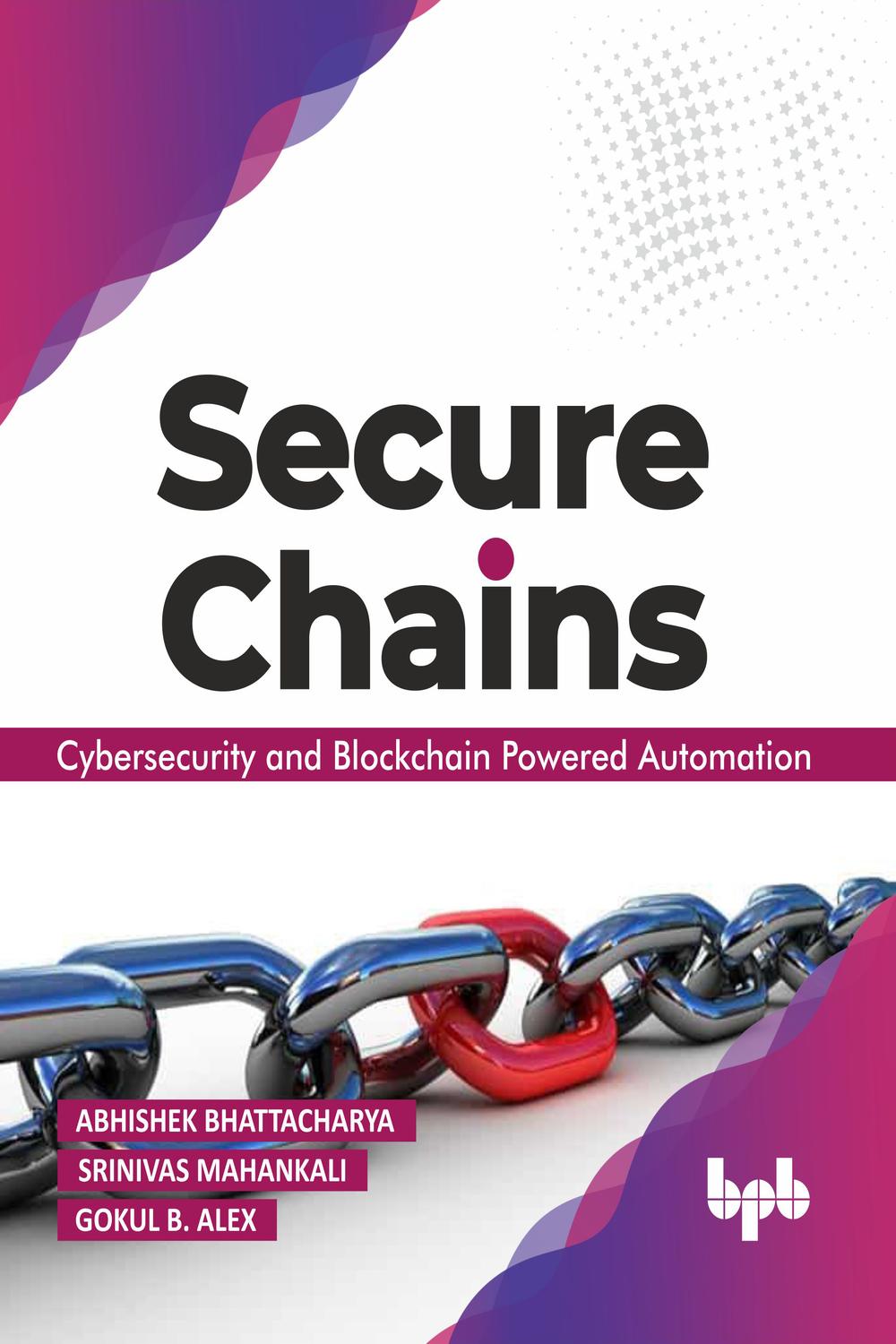
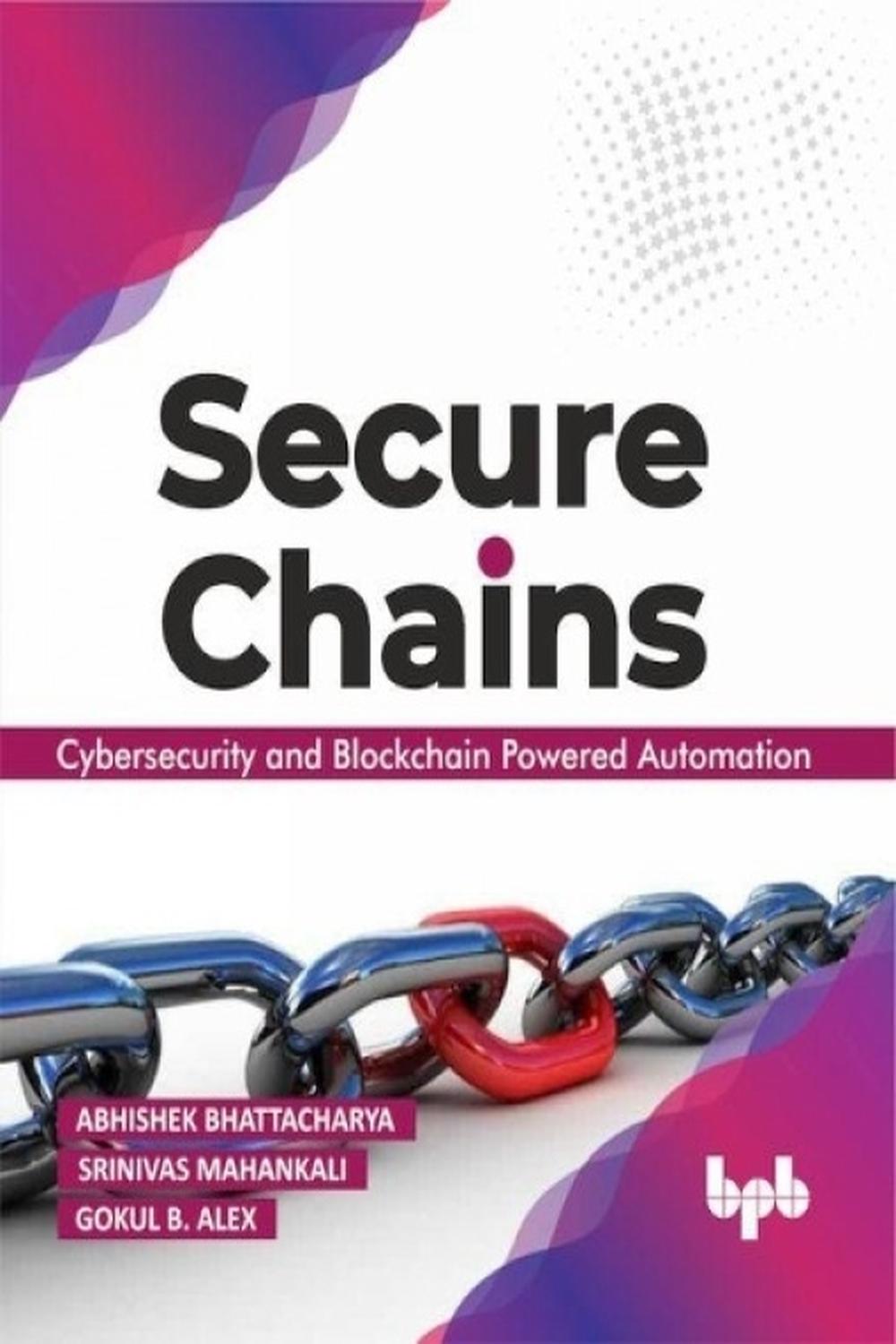
دانلود کتاب زنجیرههای امن ۲۰۲۰ (Secure Chains 2020) با لینک مستقیم و فرمت pdf (پی دی اف) و ترجمه فارسی
| نویسنده |
Abhishek Bhattacharya, Srinivas Mahankali, Gokul B Alex |
|---|

۳۰ هزار تومان تخفیف با کد «OFF30» برای اولین خرید
| سال انتشار |
2020 |
|---|---|
| زبان |
English |
| تعداد صفحهها |
354 |
| نوع فایل |
|
| حجم |
3.7 MB |
🏷️ 200,000 تومان قیمت اصلی: 200,000 تومان بود.129,000 تومانقیمت فعلی: 129,000 تومان.
🏷️
378,000 تومان
قیمت اصلی: ۳۷۸٬۰۰۰ تومان بود.
298,000 تومان
قیمت فعلی: ۲۹۸٬۰۰۰ تومان.
**ویژگیهای کلیدی:**
* مبانی رمزنگاری و امنیت سایبری، اصول بلاکچین و نقش آنها در ایمنسازی جنبههای مختلف اتوماسیون را درک کنید. همچنین تهدیدات قراردادهای هوشمند و سیستمهای بلاکچین را بشناسید.
* حوزههایی را که بلاکچین و امنیت سایبری در آنها همپوشانی دارند و مسائل شگفتانگیزی برای حل کردن ایجاد میکنند، درک کنید.
* بخش ویژهای از کتاب به استانداردها و چارچوبها اختصاص دارد که به شما امکان میدهد در شیوههای امنیت اطلاعات که در یک سازمان دنبال میشوند، برای صنعت آماده باشید.
* حوزههای بسیار پرسود امنیت قراردادهای هوشمند، ممیزی و تست در بلاکچین را بیاموزید.
* با آمادگی برای صنعت 4.0، کار خود را در امنیت سایبری و بلاکچین بسازید.
**توضیحات:**
همزمان با پایان این دهه، ما شاهد چیزی هستیم که آن را صنعت 4.0 مینامیم. انتظار میرود این دوره شاهد تغییرات اساسی در نحوه کار و زندگی ما باشد، که ناشی از جهشها و پیشرفتهای بزرگ در فناوریهایی مانند بلاکچین و محاسبات کوانتومی است. این امر مستلزم آن است که نیروی کار عصر جدید برای صنعت آماده باشد، که اساساً به معنای درک زمینههای اصلی امنیت سایبری، بلاکچین و محاسبات کوانتومی است که ضروری میشود.
این کتاب با یک مقدمه در مورد “مبانی امنیت سایبری” آغاز میشود. این بخش به خواننده این امکان را میدهد تا با مفاهیم امنیت سایبری مورد نیاز برای درک عمیقتر مفاهیم بعدی، آشنا شود. بخش بعدی یک مقدمه مشابه در مورد “مبانی بلاکچین” ارائه میدهد. این دو بخش در ابتدای کتاب، دنبال کردن کتاب را برای مبتدیان نیز آسان میکند. بخشهای بعدی به بررسی مفاهیمی میپردازند که در آن شاهد “همپوشانی امنیت سایبری و بلاکچین” هستیم، و مفاهیم و موقعیتهایی که ممکن است در آنها مسائل شگفتانگیزی را ببینیم و درک کنیم که سیستمها در دنیای کنونی روزانه با آنها روبرو هستند. این کتاب تأکید زیادی بر کمک به خواننده در مورد دانستن استانداردها و چارچوبهای مورد نیاز برای راهاندازی یک سازمان برای عملکرد یکپارچه دارد. در پایان، بخشی که به امنیت قرارداد هوشمند، ممیزی و تست در بلاکچین اختصاص دارد، دانش در مورد یکی از پردرآمدترین گزینههای شغلی را ارائه میدهد و اهمیت حیاتی در زمینه بلاکچین دارد. در پایان، کتاب تلاش میکند تا خواننده را “برای صنعت 4.0 آماده” کند و به آنها در عبور از دهه آینده گزینههای شغلی قابل توجه کمک کند.
**چه چیزهایی یاد خواهید گرفت:**
در پایان کتاب، باید بتوانید اهمیت مفاهیم موجود در فناوریهایی مانند بلاکچین و امنیت سایبری را درک کنید، با درک دقیقی از حوزههایی مانند محاسبات کوانتومی که بر این فناوریها تأثیر میگذارند. همچنین با ابزارهای مورد استفاده در ممیزی و تست قرارداد هوشمند در بلاکچین آشنا خواهید شد. شما باید بتوانید در زمینه بلاکچین و فناوریهای مرتبط پیشرفت کنید.
**این کتاب برای چه کسانی مناسب است:**
این کتاب برای هر کسی است که مایل است شغلی در بلاکچین و/یا امنیت سایبری بسازد. این کتاب هیچ دانش قبلی در مورد هیچ یک از موضوعات را فرض نمیکند. بنابراین، یک مبتدی از هر زمینه متنوعی ممکن است با خواندن این کتاب، این فناوریها را امتحان کند. این کتاب به بخشهایی تقسیم شده است که خواننده را به طور یکپارچه از مفاهیم مبتدی به شیوههای پیشرفته رایج در صنعت میبرد. هیچ تجربه برنامهنویسی قبلی نیز فرض نمیشود. آشنایی با فناوریهای اساسی وب کمک خواهد کرد، اگرچه دنبال کردن این کتاب اجباری نیست.
**فهرست مطالب:**
مقدمه
چرا این کتاب را نوشتیم؟
بخش 1. مبانی رمزنگاری
مقدمه
فصل 1: تکنیکهای رمزنگاری
فصل 2: پروتکلهای رمزنگاری
فصل 3: الگوریتمها و حالات
بخش 2. مبانی بلاکچین
مقدمه
فصل 4: مقدمه: اجماع توزیعشده و سازوکارهای اجماع
فصل 5: انواع بلاکچین
فصل 6: ملاحظات کلیدی برای پیادهسازی بلاکچین
فصل 7: نقشه راه استراتژیک برای پذیرش سازمانی دیجیتال
فصل 8: بلاکچین – ابزار نسل جدید برای امنیت سایبری
بخش 3: همپوشانی بلاکچین و امنیت سایبری
فصل 9: استراتژیهای پیشگیری از حملات سایبری
فصل 10: سازوکارهای امنیتی مبتنی بر بلاکچین
فصل 11: تهدیدات برای سیستمهای بلاکچین
فصل 12: پیادهسازیهای عملی و موارد استفاده
فصل 13: امنیت در شبکههای بلاکچین عمومی محبوب
فصل 14: رمزنگاری به عنوان نیروی کار دیجیتال برای ادغام مالی توزیعشده
بخش 4: استانداردها و چارچوبها
فصل 15: ISO 27001
فصل 16: NIST
بخش 5: امنیت قرارداد هوشمند، ممیزی و تست در بلاکچین
فصل 17: ممیزی قرارداد هوشمند
فصل 18: تست در بلاکچین
بخش 6: اتوماسیون توان بلاکچین برای صنعت 4.0
فصل 19: خطرات ناشی از پارادایمهای اقتصاد “هوشمند”
فصل 20: خلاصه و نتیجهگیری: دنیایی ایمنتر و مطمئنتر با راهکارهای مبتنی بر بلاکچین
۱. صفحه روی جلد
۲. صفحه عنوان
۳. صفحه حق چاپ
۴. درباره نویسندگان
۵. تقدیر و تشکر
۶. پیشگفتار
۷. فهرست اشتباهات
۸. فهرست مطالب
۹. قسمت ۱: مبانی رمزنگاری
۱۰. قسمت ۲: مبانی بلاکچین
۱۱. قسمت ۳: برهمنهی بلاکچین و امنیت سایبری
۱۲. قسمت ۴: استانداردها و چارچوبها
۱۳. قسمت ۵: ممیزی امنیت سایبری، امنیت قرارداد هوشمند و تست در بلاکچین
Understand Cybersecurity fundamentals and protect your Blockchain systems for a scalable and secured automation
KEY FEATURES Ê
Understand the fundamentals of Cryptography and Cybersecurity and the fundamentals of Blockchain and their role in securing the various facets of automation. Also understand threats to Smart contracts and Blockchain systems.
Understand areas where blockchain and cybersecurity superimpose to create amazing problems to solve.
A dedicated part of the book on Standards and Frameworks allows you to be industry-ready in information security practices to be followed in an organization.
Learn the very lucrative areas of Smart Contract Security, Auditing, and Testing in Blockchain.
Finish to build a career in cybersecurity and blockchain by being Industry 4.0 ready.
DESCRIPTIONÊ
As this decade comes to a closure, we are looking at, what we like to call, an Industry 4.0. This era is expected to see radical changes in the way we work and live, due to huge leaps and advancements with technologies such as Blockchain and Quantum Computing. This calls for the new age workforce to be industry-ready, which essentially means an understanding of the core fields of Cybersecurity, Blockchain, and Quantum Computing is becoming imperative.
This book starts with a primer on the ÒEssentials of CybersecurityÓ. This part allows the reader to get comfortable with the concepts of cybersecurity that are needed to gain a deeper understanding of the concepts to follow. The next part gives a similar primer on the ÒEssentials of BlockchainÓ. These two parts at the beginning of the book allow this book to be easily followed by beginners as well. The following parts delve into the concepts, where we see a ÒSuperimposition of Cybersecurity and BlockchainÓ, and the concepts and situations where we may see and understand amazing problems that systems in the current world face day in and day out. This book puts immense emphasis on helping the reader know about the Standards and Frameworks needed to be put in place to make an organization work seamlessly. Towards the end, a part dedicated to Smart Contract Security, Auditing, and Testing in Blockchain provides knowledge about what is one of the most lucrative career options and has vital importance in the field of Blockchain. Conclusively, the book tries well to make the reader ÒIndustry 4.0-readyÓ, helping them in traversing through the upcoming decade of significant career options.
Ê
WHAT WILL YOU LEARNÊ
By the end of the book, you should be able to understand the gravity of the concepts involved in technologies like Blockchain and Cybersecurity, with an acute understanding of the areas, such as Quantum Computing, which affect the technologies. You will also know about the tools used in Smart Contract Auditing and Testing in Blockchain. You should be able to make a career in blockchain and associated technologies going forward.
WHO THIS BOOK IS FORÊÊ
This book is meant for everyone who wishes to build a career in blockchain and/or cybersecurity. The book doesnÕt assume prior knowledge on any of the topics; hence a beginner from any diverse field might definitely give these technologies a try by reading this book. The book is divided into parts that take the reader seamlessly from beginner concepts to advanced practices prevalent in the industry. No prior programming experience is assumed either. Familiarity with the basic web technologies would help, though it is not mandatory to follow this book.
Table of Contents
Preface
Introduction
Why Did We Write This Book?
Part 1. Essentials of Cryptography
Introduction
Chapter 1: Cryptography Techniques
Introduction
Key Length
Key Management
Algorithmic Principles
Usage
Chapter 2: Cryptography Protocols
Introduction
Basic Components of Cryptographic Protocols
Security Applications of Cryptographic Protocols
Categories of Cryptographic Protocols
Chapter 3: Algorithms and Modes
Introduction
Behind the Scene Mathematics
Block Ciphers
Stream Ciphers
One-Way Hash Functions
Public-Key Algorithms
Symmetric Key Distribution using Symmetric Encryption
Symmetric Key Distribution using Asymmetric Encryption
Distribution of Public Keys
X.509 Certificates
Public-Key Infrastructure (PKI)
Cryptographic Attacks
Key-Exchange Algorithms
Elliptic Curve Cryptography (ECC)
Digital Signatures With Encryption
Data Encryption Standard (DES)
Secure Hash Algorithm (SHA)
Message Digest Algorithms (MD5)
Rivest, Shamir, Adleman (RSA)
Zero-Knowledge Proofs
Elliptical Curve Digital Signature Algorithm (ECDSA)
Probabilistic Encryption
Quantum Cryptography
Part 2. Essentials of Blockchain
Introduction
What is Blockchain?
The Need for Decentralization
Demystifying Disintermediation Principles in Blockchain Architectures
Chapter 4: Introduction: Distributed Consensus & Consensus Mechanisms
Proof of Work (PoW)
Proof of Stake (PoS)
Proof of Elapsed Time (PoET)
Byzantine Fault Tolerance (BFT) and Variants
Federated Byzantine Agreement
Ripple Consensus Protocol Algorithm
Stellar Consensus Protocol
Delegated Proof of Stake (DPoS)
Chapter 5: Types of Blockchain
Public Blockchain
Private Blockchain
Federated or Permissioned Blockchain
Chapter 6: Key Considerations for Blockchain Implementations
Scalability
Interoperability
Sustainability
Contracts
Currency
Application
Chapter 7 : Strategic Roadmap for Digital Enterprise Adoption
Convergence of Principles
Legacy of Cypherpunks
Digital Enterprise Use Cases
Digital Transformation Perspective
Decentralized Operating Models
Prominent Trust Patterns
Major Challenges and Constraints
Chapter 8: Blockchain Ð The New Generation Tool for Cybersecurity
Blockchain with Turin Complete State Machine
Private and Consortium/Permissioned BlockchainsÊ
Overview of Security Tools in Blockchain
Vulnerabilities in Blockchain Security
Challenges to the Growth of Blockchain Eco-system
Part 3: The Superimposition of Blockchain and Cybersecurity
Chapter 9: Cyberattack Prevention Strategies
Evolution of Security
Endpoint Detection and Response (EDR)
Deception Technology
Cyberthreat Intelligence (CTI)
Deploying Blockchain-based DDoS
Chapter 10: Blockchain-based Security Mechanisms
Blockchain-based DNS Alternatives
Public Key Cryptography
PKI Components and Functions
Decentralizing the PKI System
Deploying Blockchain-based PKI Identity Mechanisms
Multi-Factor Authentication with Blockchain
Blockchain-based Interaction Model for Security
Chapter 11: Threats for Blockchain systems
Cyberthreats with Public and Permissioned Blockchains
Major Potential Attacks on Blockchain Networks
Chapter 12: Practical Implementations and Use Cases
IBM ADEPT Platform
Digital Identity as a Distributed Data Structure
Cyber-liability Management: A Connected Car Use Case
A Smart Home Security Implementation Use Case
Chapter 13: Security in Popular Public Blockchain Networks
Project in Discussion: Corda
Point-to-Point TLS-encrypted Communications
Security using Notary Trust
Pluggable Consensus Mechanism
Chapter 14: Cryptography as a Digital Labor for the Integration of Distributed Finance
New Generation Payment Infrastructure Powering Secure Global Finance
Libra
JP Money
Ripple
Stellar Lumens
Part 4: Standards and Frameworks
Chapter 15: ISO 27001
ISO 27001
Introduction
Scope
Terms and Definitions
Structure
Information Security Policies
Organization of Information Security
Human Resource Security
Asset Management
Access Control
Cryptography
Physical and Environmental Security
Operations Security
Communications Security
Supplier Relationships
Information Security Incident Management
Implementation of ISO 27001 in Organizations
Chapter 16:
NIST
Introduction to NIST and HIPAA
HIPAA Security Rule
NIST and its role in Information Security
A Framework for Managing Risk
HIPAA Risk Assessment Requirements
Part 5: Smart Contract Security, Auditing and Testing in Blockchain
Chapter 17: Smart Contract Auditing
Why is a Security Audit Necessary
Types of Smart Contracts
Smart Contract Vulnerabilities and Known Attacks
Ownership Attack
Re-entrancy Attack
Underflow and Overflow Attacks
Short Address Attack
Storage Injection Vulnerability
Risks in ICO Crowdfunding Smart Contracts
An Ideal Audit Process
Chapter 18: Testing in Blockchain
Blockchain Attacks
Network Attacks
User Wallet Attacks
Transaction Verification Mechanism Attacks
Mining Pool Attacks
Security Testing Phases in Blockchain
Testing Framework
Quality Issues in Blockchain
Practices and Governing Mechanisms
Popular Tools for Testing
Part 6: Blockchain Power Automation for Industry 4.0
Chapter 19: Risks posed by the ÔSmartÕ Economy ParadigmsÊ
Zigbee Chain Reaction Attack
Controlling Drones through Blockchain for Security & Auditing
Securing Robots through Blockchain
Secured Access and Management of Automobiles using Blockchain
ÊÊ
ÊChapter 20: Summary & Conclusion:
ÊA Safer and Secure World with Blockchain-based Solutions
1. Cover Page
2. Title Page
3. Copyright Page
4. About the Authors
5. Acknowledgement
6. Preface
7. Errata
8. Table of Contents
9. Part 1: Essentials of Cryptography
10. Part 2: Essentials of Blockchain
11. Part 3: The Super Imposition of Blockchain and Cybersecurity
12. Part 4: Standards and Frameworks
13. Part 5: Cyber Security Auditing, Smart Contract Security, and Testing in Blockchain
✨ ضمانت تجربه خوب مطالعه
در صورت مشکل، مبلغ پرداختی بازگردانده می شود.
دانلود فایل کتاب با سرعت بالا
دانلود مستقیم به همراه ارسال فایل به ایمیل.
با چت آنلاین و پیامرسان ها پاسخگو هستیم.
کتاب ها را از منابع معتیر انتخاب می کنیم.


 هوشمصنوعی ترجمه کالیبو