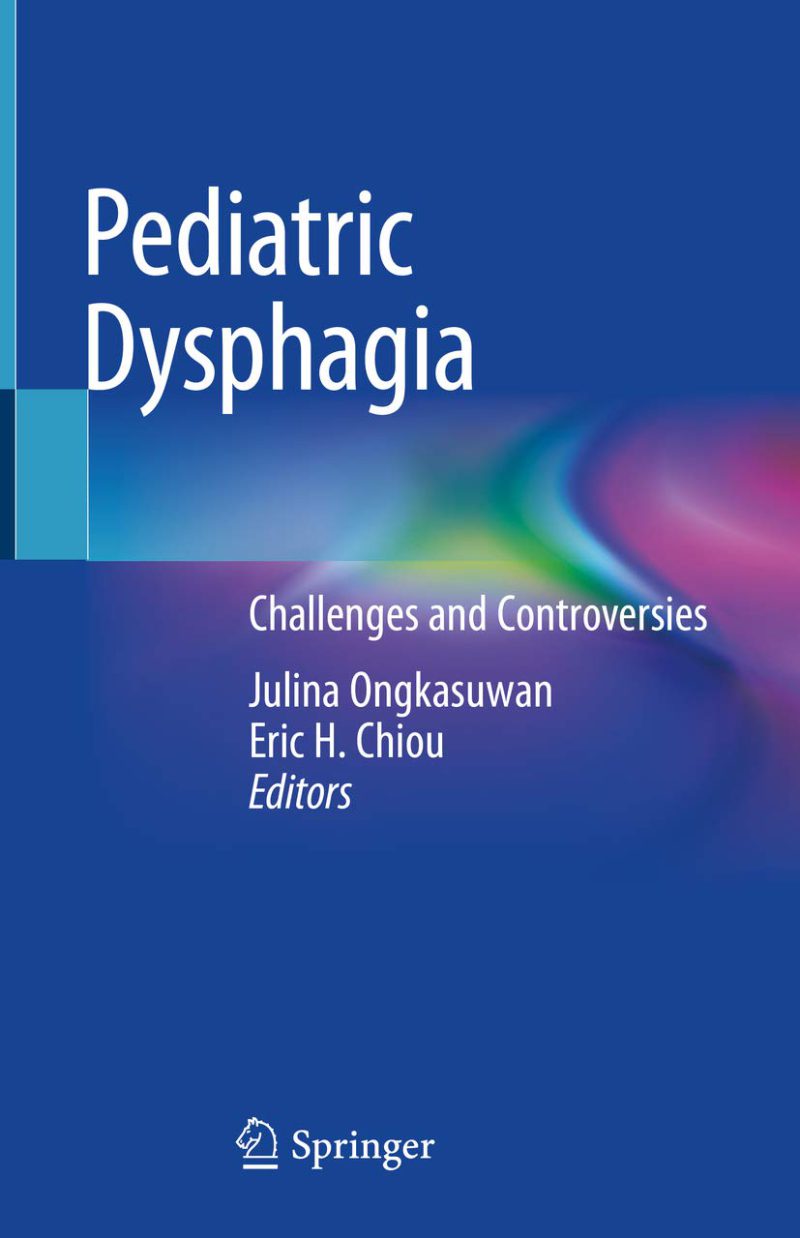
اختلال بلع در کودکان: چالش ها و مباحثات ۲۰۱۸
Pediatric Dysphagia: Challenges and Controversies 2018
دانلود کتاب اختلال بلع در کودکان: چالش ها و مباحثات ۲۰۱۸ (Pediatric Dysphagia: Challenges and Controversies 2018) با لینک مستقیم و فرمت pdf (پی دی اف)
| نویسنده |
Eric H. Chiou, Julina Ongkasuwan |
|---|
دسته: پزشکی, پزشکی بالینی, جراحی گوش و حلق و بینی
۳۰ هزار تومان تخفیف با کد «OFF30» برای اولین خرید
| سال انتشار |
2018 |
|---|---|
| زبان |
English |
| تعداد صفحهها |
316 |
| نوع فایل |
|
| حجم |
7 Mb |
🏷️ 200,000 تومان قیمت اصلی: 200,000 تومان بود.129,000 تومانقیمت فعلی: 129,000 تومان.
🏷️
378,000 تومان
قیمت اصلی: ۳۷۸٬۰۰۰ تومان بود.
298,000 تومان
قیمت فعلی: ۲۹۸٬۰۰۰ تومان.
📥 دانلود نسخهی اصلی کتاب به زبان انگلیسی(PDF)
🧠 به همراه ترجمهی فارسی با هوش مصنوعی
🔗 مشاهده جزئیات
دانلود مستقیم PDF
ارسال فایل به ایمیل
پشتیبانی ۲۴ ساعته
توضیحات
معرفی کتاب اختلال بلع در کودکان: چالش ها و مباحثات ۲۰۱۸
دیسفاژی کودکان یک مشکل بالینی است که از مرز رشته های مختلف عبور می کند. کودکان ممکن است توسط متخصصین پزشکی متعددی از جمله متخصصین گوش و حلق و بینی کودکان، متخصصین گوارش، متخصصین ریه، آسیب شناسان گفتار، کاردرمانگران و مشاوران شیردهی ویزیت شوند. رویکردهای متعدد به تشخیص و مدیریت دیسفاژی برای پزشکان و خانواده ها گیج کننده است و منجر به مراجعات مکرر به متخصصین پزشکی می شود. تغذیه جزء جدایی ناپذیر جامعه پذیری و پیوند بین نوزادان و والدین است. اختلالات در تکامل تغذیه می تواند از نظر عاطفی و اقتصادی برای خانواده ها بسیار طاقت فرسا باشد. کودکان مبتلا به دیسفاژی از چالش برانگیزترین بیماران، حتی برای پزشکانی که در مراقبت از آنها تخصص دارند، هستند.
این متن به خواننده درک جامعی از بلع ارائه می دهد و رویکردی عملی و مبتنی بر شواهد برای تشخیص و مدیریت مشکلات بلع در کودکان ارائه می کند. همچنین چالش ها و اختلافات بالینی خاص در مدیریت دیسفاژی کودکان را برجسته می کند. این متن از این جهت منحصربه فرد است که دیدگاه های انواع مختلف پزشکانی که از این بیماران مراقبت می کنند، از جمله متخصصین گوش و حلق و بینی، متخصصین گوارش، متخصصین ریه، آسیب شناسان گفتار، کاردرمانگران و مشاوران شیردهی را در بر می گیرد. با انجام این کار، این متن تبادل ایده ها و دانش بین تخصص های مختلف و همچنین تحریک تحقیقات بیشتر در این زمینه را تشویق می کند.
بخش 1 این متن با مروری بر آناتومی و فیزیولوژی بلع با تمرکز بر تکامل طبیعی، همانطور که در حال حاضر درک می کنیم، آغاز می شود. همچنین اطلاعات جدیدی را در مورد تعاملات انعکاسی بین حنجره و مری که به طور بالقوه بر بلع تاثیر می گذارند، مورد بحث قرار می دهد. سپس به بحث در مورد مزایا و محدودیت های روش های تشخیصی موجود می پردازد و اختلافات فعلی در مورد نرخ فریم، قرار گرفتن در معرض اشعه، نوزادان شیرده و درجه بندی مطالعات را برجسته می کند. علاوه بر این، ادبیات فعلی در مورد گزینه های درمانی پزشکی و رفتاری، از جمله گزینه های غلیظ کننده، درمان دهانی-حرکتی و اختلافات مربوط به NPO (عدم تغذیه از راه دهان) مطلق را بررسی می کند.
بخش 2 به تشخیص های خاصی می پردازد که می توانند باعث دیسفاژی شوند یا با آن مرتبط باشند، مانند نارس بودن، نارسایی کام حلقی، آنکیلوگلوسیا (چسبندگی زبان)، شکاف حنجره، لارنگومالاسی (نرمی حنجره)، فلج تارهای صوتی و اختلال عملکرد کریکوفارنژیال (حلقوی سپری). این متن به بررسی پاتوفیزیولوژی و گزینه های درمانی برای هر یک ادامه می دهد. علل آناتومیک، التهابی و عصبی-عضلانی مری در دیسفاژی نیز ارزیابی می شوند. علاوه بر این، به بررسی تاثیر ناهنجاری های جمجمه ای-صورتی، سیالوره (آبریزش دهان) و عوامل روان شناختی بر بلع می پردازد. در نهایت، بحث می کند که چگونه یک تیم چند رشته ای دستگاه گوارش-تنفس می تواند به ساده سازی مراقبت های چند رشته ای برای بیماران منفرد کمک کند. این متن اطلاعات مربوط به نقش ها، ابزارها و دیدگاه های مختلف یک تیم دیسفاژی چند رشته ای، از جمله نحوه همکاری متخصصین گوش و حلق و بینی کودکان، متخصصین گوارش، متخصصین ریه، آسیب شناسان گفتار، کاردرمانگران و متخصصین تغذیه برای ارائه ارزیابی و مراقبت بهینه از این بیماران اغلب چالش برانگیز، به ویژه برای کسانی که در معرض خطر بالای عوارض مربوط به آسپیراسیون (ورود مواد غذایی یا مایعات به مجاری تنفسی) هستند، را در بر خواهد گرفت.
این متن به خواننده درک جامعی از بلع ارائه می دهد و رویکردی عملی و مبتنی بر شواهد برای تشخیص و مدیریت مشکلات بلع در کودکان ارائه می کند. همچنین چالش ها و اختلافات بالینی خاص در مدیریت دیسفاژی کودکان را برجسته می کند. این متن از این جهت منحصربه فرد است که دیدگاه های انواع مختلف پزشکانی که از این بیماران مراقبت می کنند، از جمله متخصصین گوش و حلق و بینی، متخصصین گوارش، متخصصین ریه، آسیب شناسان گفتار، کاردرمانگران و مشاوران شیردهی را در بر می گیرد. با انجام این کار، این متن تبادل ایده ها و دانش بین تخصص های مختلف و همچنین تحریک تحقیقات بیشتر در این زمینه را تشویق می کند.
بخش 1 این متن با مروری بر آناتومی و فیزیولوژی بلع با تمرکز بر تکامل طبیعی، همانطور که در حال حاضر درک می کنیم، آغاز می شود. همچنین اطلاعات جدیدی را در مورد تعاملات انعکاسی بین حنجره و مری که به طور بالقوه بر بلع تاثیر می گذارند، مورد بحث قرار می دهد. سپس به بحث در مورد مزایا و محدودیت های روش های تشخیصی موجود می پردازد و اختلافات فعلی در مورد نرخ فریم، قرار گرفتن در معرض اشعه، نوزادان شیرده و درجه بندی مطالعات را برجسته می کند. علاوه بر این، ادبیات فعلی در مورد گزینه های درمانی پزشکی و رفتاری، از جمله گزینه های غلیظ کننده، درمان دهانی-حرکتی و اختلافات مربوط به NPO (عدم تغذیه از راه دهان) مطلق را بررسی می کند.
بخش 2 به تشخیص های خاصی می پردازد که می توانند باعث دیسفاژی شوند یا با آن مرتبط باشند، مانند نارس بودن، نارسایی کام حلقی، آنکیلوگلوسیا (چسبندگی زبان)، شکاف حنجره، لارنگومالاسی (نرمی حنجره)، فلج تارهای صوتی و اختلال عملکرد کریکوفارنژیال (حلقوی سپری). این متن به بررسی پاتوفیزیولوژی و گزینه های درمانی برای هر یک ادامه می دهد. علل آناتومیک، التهابی و عصبی-عضلانی مری در دیسفاژی نیز ارزیابی می شوند. علاوه بر این، به بررسی تاثیر ناهنجاری های جمجمه ای-صورتی، سیالوره (آبریزش دهان) و عوامل روان شناختی بر بلع می پردازد. در نهایت، بحث می کند که چگونه یک تیم چند رشته ای دستگاه گوارش-تنفس می تواند به ساده سازی مراقبت های چند رشته ای برای بیماران منفرد کمک کند. این متن اطلاعات مربوط به نقش ها، ابزارها و دیدگاه های مختلف یک تیم دیسفاژی چند رشته ای، از جمله نحوه همکاری متخصصین گوش و حلق و بینی کودکان، متخصصین گوارش، متخصصین ریه، آسیب شناسان گفتار، کاردرمانگران و متخصصین تغذیه برای ارائه ارزیابی و مراقبت بهینه از این بیماران اغلب چالش برانگیز، به ویژه برای کسانی که در معرض خطر بالای عوارض مربوط به آسپیراسیون (ورود مواد غذایی یا مایعات به مجاری تنفسی) هستند، را در بر خواهد گرفت.
توضیحات(انگلیسی)
Pediatric dysphagia is a clinical problem that crosses disciplines. Children may be seen by numerous medical specialties including pediatric otolaryngology, gastroenterology, pulmonology, speech pathology, occupational therapy, and lactation consultants. The myriad approaches to the diagnosis and management of dysphagia is confusing for both clinicians and families; resulting in recurrent trips to medical professionals. Feeding is integral to socialization and to bonding between infants and parents. Disruptions in feeding development can be extremely taxing emotionally and economically for families. Children with dysphagia are some of the most challenging patients even for clinicians who specialize in their care.
This text provides the reader with a comprehensive understanding of swallowing and presents a practical, evidence-based approach to the diagnosis and management of swallowing difficulties in children. It also highlights particular clinical challenges and controversies in the management of pediatric dysphagia. It is unique in that it incorporates the perspectives of multiple types of clinicians that care for these patients including otolaryngologists, gastroenterologists, pulmonologists, speech pathologists, occupational therapists and lactation consultants. In doing so, this text will encourage cross-specialty pollination of ideas and knowledge as well as stimulate further research in the field.
Part 1 of the text begins with an overview of the anatomy and physiology of swallowing with a focus on normal development as we currently understand it. It also discusses new information regarding reflexive interactions between the larynx and esophagus that potentially influence swallowing. It then moves on to a discussion of the advantages and limitations of currently available diagnostic modalities and highlights current controversies regarding frame rate, radiation exposure, breastfeeding infants, and grading of studies. Additionally, it reviews the current literature regarding medical and behavioral-based therapy options, including thickening options, oromotor therapy, and controversies concerning strict NPO.
Part 2 addresses specific diagnoses which can cause or be associated with dysphagia such as prematurity, velopharyngeal insufficiency, ankyloglossia, laryngeal clefts, laryngomalacia, vocal fold paralysis, and cricopharyngeal dysfunction. The text goes on to explore the pathophysiology and treatment options for each. Anatomic, inflammatory, and neuromuscular esophageal causes of dysphagia are also evaluated. In addition, it delves into the impact of craniofacial anomalies, sialorrhea and psychological factors on swallowing. Finally, it discusses how a multidisciplinary aerodigestive team can help streamline multidisciplinary care for individual patients. It will incorporate information pertinent to the different roles, tools and views of a multidisciplinary dysphagia team, including how pediatric otolaryngologists, gastroenterologists, pulmonologists, speech language pathologists, occupational therapists, and dieticians can collaborate to provide optimal evaluation and care of these often challenging patients, especially for those who are at high-risk of complications related to aspiration.
This text provides the reader with a comprehensive understanding of swallowing and presents a practical, evidence-based approach to the diagnosis and management of swallowing difficulties in children. It also highlights particular clinical challenges and controversies in the management of pediatric dysphagia. It is unique in that it incorporates the perspectives of multiple types of clinicians that care for these patients including otolaryngologists, gastroenterologists, pulmonologists, speech pathologists, occupational therapists and lactation consultants. In doing so, this text will encourage cross-specialty pollination of ideas and knowledge as well as stimulate further research in the field.
Part 1 of the text begins with an overview of the anatomy and physiology of swallowing with a focus on normal development as we currently understand it. It also discusses new information regarding reflexive interactions between the larynx and esophagus that potentially influence swallowing. It then moves on to a discussion of the advantages and limitations of currently available diagnostic modalities and highlights current controversies regarding frame rate, radiation exposure, breastfeeding infants, and grading of studies. Additionally, it reviews the current literature regarding medical and behavioral-based therapy options, including thickening options, oromotor therapy, and controversies concerning strict NPO.
Part 2 addresses specific diagnoses which can cause or be associated with dysphagia such as prematurity, velopharyngeal insufficiency, ankyloglossia, laryngeal clefts, laryngomalacia, vocal fold paralysis, and cricopharyngeal dysfunction. The text goes on to explore the pathophysiology and treatment options for each. Anatomic, inflammatory, and neuromuscular esophageal causes of dysphagia are also evaluated. In addition, it delves into the impact of craniofacial anomalies, sialorrhea and psychological factors on swallowing. Finally, it discusses how a multidisciplinary aerodigestive team can help streamline multidisciplinary care for individual patients. It will incorporate information pertinent to the different roles, tools and views of a multidisciplinary dysphagia team, including how pediatric otolaryngologists, gastroenterologists, pulmonologists, speech language pathologists, occupational therapists, and dieticians can collaborate to provide optimal evaluation and care of these often challenging patients, especially for those who are at high-risk of complications related to aspiration.
دیگران دریافت کردهاند
Almost Misses in Pediatric Anesthesia ۲۰۱۳***Here are a few options, each with slightly different nuance, emphasizing different aspects of “Near Misses”:**Option ۱ (Focus on narrowly avoiding disaster):**موقعیت های خطرآفرین در بیهوشی کودکان ۲۰۱۳**Option ۲ (Focus on the close call aspect):**حوادث ناگوار نزدیک به وقوع در بیهوشی کودکان ۲۰۱۳**Option ۳ (More literal, but still natural):**اشتباهات نزدیک به فاجعه در بیهوشی کودکان ۲۰۱۳The best option depends on the specific context of the original text. However, all three are accurate and natural Persian translations. I would slightly favor **Option ۲** as it best captures the nuance of “near misses” in a medical context, suggesting potential harm averted.
Near Misses in Pediatric Anesthesia 2013
🏷️ 200,000 تومان قیمت اصلی: 200,000 تومان بود.129,000 تومانقیمت فعلی: 129,000 تومان.
تصویربرداری پزشکی کودکان ۲۰۱۰
Pediatric Imaging 2010
🏷️ 200,000 تومان قیمت اصلی: 200,000 تومان بود.129,000 تومانقیمت فعلی: 129,000 تومان.
روان داروشناسی کودکان، ۲۰۱۰
Pediatric Psychopharmacology 2010
🏷️ 200,000 تومان قیمت اصلی: 200,000 تومان بود.129,000 تومانقیمت فعلی: 129,000 تومان.
مطالعات موردی روانشناسی اعصاب کودکان: از استثنایی تا پیش پا افتاده ۲۰۱۰
Pediatric Neuropsychology Case Studies: From the Exceptional to the Commonplace 2010
🏷️ 200,000 تومان قیمت اصلی: 200,000 تومان بود.129,000 تومانقیمت فعلی: 129,000 تومان.
اطلاعات اطفال به طور فوق العاده سریع! ۲۰۱۰
Pediatric Facts Made Incredibly Quick! 2010
🏷️ 200,000 تومان قیمت اصلی: 200,000 تومان بود.129,000 تومانقیمت فعلی: 129,000 تومان.
پرستاری کودکان به زبان ساده ۲۰۰۹
Pediatric Nursing Demystified 2009
🏷️ 200,000 تومان قیمت اصلی: 200,000 تومان بود.129,000 تومانقیمت فعلی: 129,000 تومان.
✨ ضمانت تجربه خوب مطالعه
بازگشت کامل وجه
در صورت مشکل، مبلغ پرداختی بازگردانده می شود.
دانلود پرسرعت
دانلود فایل کتاب با سرعت بالا
ارسال فایل به ایمیل
دانلود مستقیم به همراه ارسال فایل به ایمیل.
پشتیبانی ۲۴ ساعته
با چت آنلاین و پیامرسان ها پاسخگو هستیم.
ضمانت کیفیت کتاب
کتاب ها را از منابع معتیر انتخاب می کنیم.