Sale
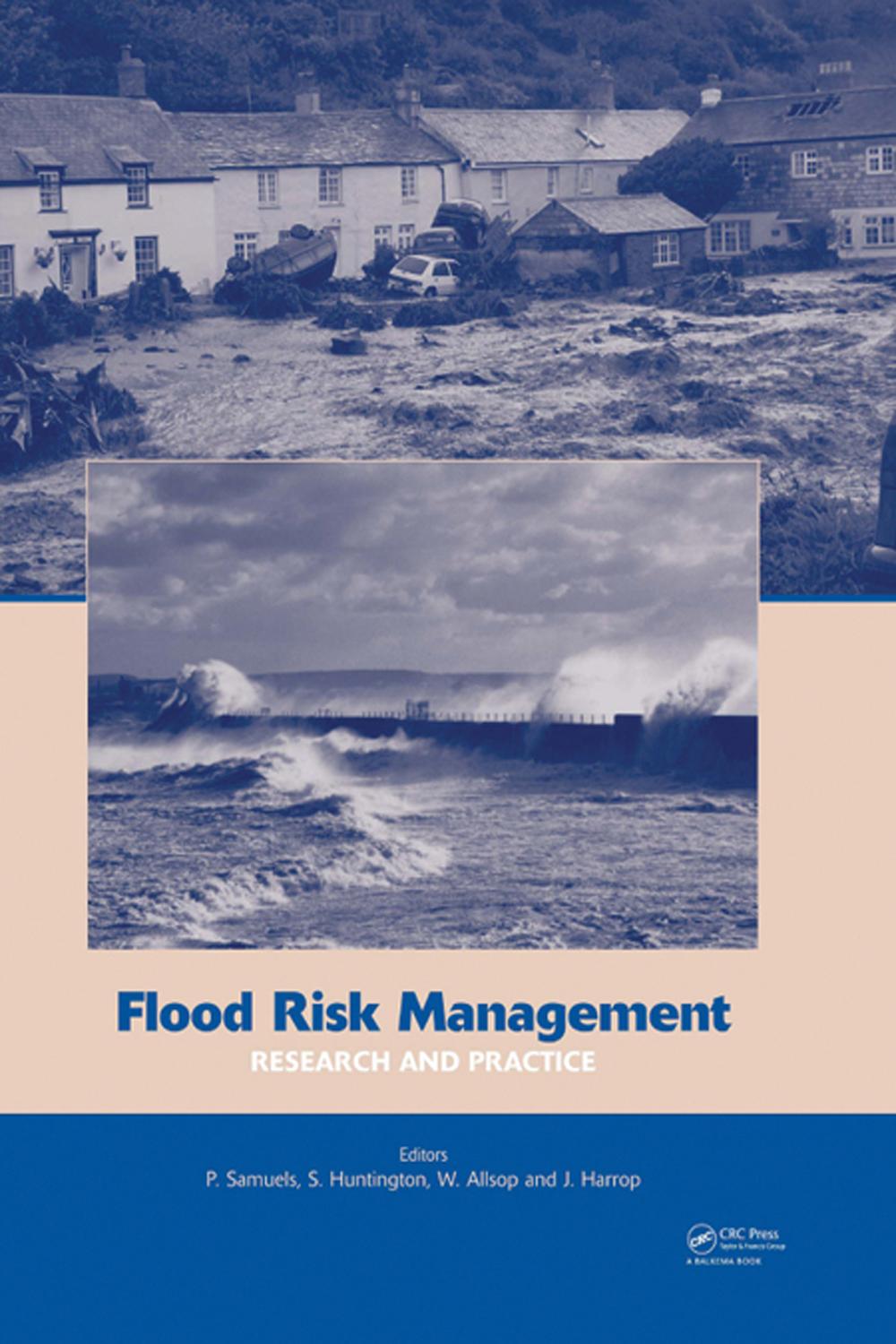
دانلود کتاب مدیریت خطر سیلاب: پژوهش و عمل ۲۰۰۸ (Flood Risk Management: Research and Practice 2008) با لینک مستقیم و فرمت pdf (پی دی اف) و ترجمه فارسی
| نویسنده |
Paul Samuels, Stephen Huntington, William Allsop, Jackie Harrop |
|---|

۳۰ هزار تومان تخفیف با کد «OFF30» برای اولین خرید
| سال انتشار |
2008 |
|---|---|
| زبان |
English |
| تعداد صفحهها |
1772 |
| نوع فایل |
|
| حجم |
16.8 MB |
🏷️ 200,000 تومان قیمت اصلی: 200,000 تومان بود.129,000 تومانقیمت فعلی: 129,000 تومان.
🏷️
378,000 تومان
قیمت اصلی: ۳۷۸٬۰۰۰ تومان بود.
298,000 تومان
قیمت فعلی: ۲۹۸٬۰۰۰ تومان.
۱. روی جلد
۲. فهرست مطالب
۳. پیشگفتار
۴. کمیتهها
۵. سخنرانی اصلی
۶. آبگرفتگی ساحلی: دیدگاه یک هلندیِ کارکشته در مورد راهبردهای فعلی و آتی
۷. ارائه فنی
۸. مدلسازی غرقابی
۹. توسعه و کاربرد اخیر یک روش سریع گسترش سیل
۱۰. مدلسازی هیدرودینامیکی و تحلیل ریسک در پروژه RAMFLOOD
۱۱. تست و کاربرد یک مدل هیدرودینامیکی دوبُعدی جدید و کاربردی
۱۲. مطالعه سیل از طریق مدلسازی عددی کوپلشدهی جریانهای سطحی دوبُعدی و شبکههای فاضلاب
۱۳. مدلسازی سیل و تحلیل ریسک سیلهای ناشی از بارندگی شدید – مطالعه موردی حوضه آبریز بریتانیا
۱۴. یک رویکرد یکپارچه برای مدلسازی ریسک سیل آبهای سطحی در مناطق شهری
۱۵. تخمین احتمالات آبگرفتگی با استفاده از شاخصهای خطر جهانی مبتنی بر متغیرهای هیدرودینامیکی
۱۶. مدلسازی سیل برای ارزیابی ریسک – یک مطالعه محک MIKE FLOOD در مقابل SOBEK ۱D۲D
۱۷. مقایسه مهارت پیشبینی مدلهای آبگرفتگی با پیچیدگی متفاوت: مورد آپتون آپون سورن
۱۸. مقایسه مدلهای عددی با پیچیدگی متغیر برای پیشبینی آبگرفتگی در گرینویچ، انگلستان
۱۹. مدلسازی سریع دشت سیلابی دوبُعدی با استفاده از فناوری بازیهای رایانهای
۲۰. وابستگی به تفکیکپذیری شبکهبندی در مدلسازی آبگرفتگی: یک مطالعه موردی
۲۱. مدلسازی جریان سطحی دوبُعدی با استفاده از DEM با مقیاس کوچک و زمانهای اجرای قابل مدیریت
۲۲. شبیهسازیهای جریان دوبُعدی تفصیلی به عنوان آغازی برای ارزیابی اثرات اجتماعی-اقتصادی سیل
۲۳. پیشبینی مجموعهای از ریسک آبگرفتگی و عدم قطعیت ناشی از آبشستگی (EPIRUS): یک مرور کلی
۲۴. ارزیابی ریسک سیل با استفاده از مدلسازی هیدرولیکی دوبُعدی در مقیاس وسیع – یک مطالعه موردی از پنریث، استرالیا
۲۵. مدلسازی و تحلیل اثرات سیل رودخانه بر شبکههای فاضلاب در مناطق شهری
۲۶. مدلسازی ریسک سیل ساحلی در دنیایی غنی از داده
۲۷. یک رویه مدلسازی چند مقیاسی برای کمیسازی اثرات مدیریت اراضی بالادست بر ریسک سیل
۲۸. بهروزرسانی نقشههای سیل با استفاده از مدلهای دوبُعدی در ایتالیا: یک مطالعه موردی
۲۹. اعتبارسنجی بلادرنگ یک مدل دیجیتالی آبگرفتگی: یک مطالعه موردی از لیکس اینترنس، ویکتوریا، استرالیا
۳۰. از بین بردن افسانههای مدلسازی آبگرفتگی شهری
۳۱. ریسک سیل در مناطق شهری ناشی از شکستن خاکریز
۳۲. سرویس تحلیل ریسک سیل RISK-EOS برای اروپا
۳۳. مدلسازی آبگرفتگی: انتخاب و کاربرد مدل
۳۴. نقشههای ریسک طوفانهای بارانی شدید
۳۵. سیستم پشتیبانی تصمیمگیری برای پیشبینی سیل و کاهش ریسک در زمینه بخش آب رومانی
۳۶. توسعه یک سرویس نقشهبرداری و پایش سریع برای مدیریت سیل با استفاده از تکنیکهای سنجش از دور
۳۷. یک چارچوب برای سیستمهای پشتیبانی تصمیمگیری برای مدیریت رویدادهای سیل – کاربرد در مصبهای تیمز و شلده
۳۸. مدلسازی عبور امواج سونامی از یک سازه دفاعی دریایی با استفاده از روشهای کمعمق Boussinesq، VOF و SPH
۳۹. مدلسازی رویداد سیل کارلایل در سال ۲۰۰۵ با استفاده از LISFLOOD-FP و TRENT
۴۰. تجربه مدلسازی سیل یکبُعدی و دوبُعدی در استرالیا – راهنمای انتخاب مدل بر اساس ویژگیهای کانال و دشت سیلابی
۴۱. پیشبینی سطح آب سیل با راندمان محاسباتی بالا (با عدم قطعیت)
۴۲. بهینهسازی مدلهای سیل دوبُعدی با ترکیب نیمهخودکار عناصر منظره منحرفکننده سیل
۴۳. درک پاسخ رواناب حوضه آبریز Ourthe با استفاده از ویژگیهای مکانی و زمانی میدان طوفان بهدستآمده توسط رادار
۴۴. اهمیت مفهومسازیهای سرریز و ضرایب افت هدایت در یک رویکرد شبه دوبُعدی برای مدلسازی آبگرفتگی رودخانه
۴۵. توسعه سناریوی آبگرفتگی برای ارزیابی خسارت در مناطق پست
۴۶. تحلیل سیستم
۴۷. اهمیت رفتار سیستم رودخانه در ارزیابی ریسک سیل
۴۸. توسعه و ارزیابی یک ابزار یکپارچه مدلسازی هیدرولوژیکی برای دستورالعمل چارچوب آب و دستورالعمل سیل
۴۹. مقایسه روشهای مدلسازی برای ارزیابی ریسک سیل شهری
۵۰. تحلیل ریسک سیل ساحلی ناشی از مدلسازی اقلیمی و مورفولوژیکی ساحلی
۵۱. تحلیل در مقیاس میکرو از ریسک سیل در ساحل دهانه آلمان
۵۲. نقشهبرداری خطر سیل برای طوفانهای ساحلی در دلتای ابرو
۵۳. سیستم پشتیبانی تصمیمگیری (DSS) RAMWASS برای ارزیابی ریسک سیستمهای آب-رسوب-خاک – کاربرد یک نمونه اولیه DSS در یک سایت آزمایشی در قسمت پایین دره رودخانه البه، آلمان
۵۴. پیشبینی فوری رویدادهای بارندگی مبتنی بر رادار – تحلیل و ارزیابی یک پیوستار یکساله
۵۵. در مورد کیفیت راه حلهای کالیبراسیون پارتو از مدلهای مفهومی بارندگی-رواناب
۵۶. استفاده مجدد از مدل و مدیریت در مدلسازی ریسک سیل
۵۷. برنامههای بینالمللی
۵۸. ریسک سیل از رویدادهای شدید (FREE): یک برنامه تحقیقاتی به رهبری NERC – درک علم سیل
۵۹. پیشرفتها در مدیریت ریسک سیل از پروژه FLOODsite
۶۰. شبیهساز ساحلی و رابط مرکز تیندال (CoastS)
۶۱. اثرات اجتماعی سیل در اسکاتلند: یک تحلیل ملی و محلی
۶۲. کنسرسیوم تحقیقاتی مدیریت ریسک سیل (FRMRC)
۶۳. تامین مالی EIB برای کاهش ریسک سیل
۶۴. یک ملت، یک سیاست، یک برنامه مدیریت ریسک سیل
۶۵. به سوی یک دیدگاه فراملی در مورد تحقیقات مرتبط با سیل در اروپا – تجربیات حاصل از CRUE ERA-Net
۶۶. زیرساخت و داراییها
۶۷. خطرات ناشی از عبور امواج
۶۸. تحلیل قابلیت اطمینان وابسته به زمان دیوارهای ورقهای مهار شده
۶۹. تحلیل خطرات سونامی با مدلسازی اثرات امواج سونامی
۷۰. تأثیر مدیریت و نگهداری بر تأثیر فرسایشی عبور امواج بر دامنههای پوشیده از چمن سدها. آزمایشها
۷۱. دیوار دریایی یا ساحل دریا؟ نگاهی به مهندسی برای مدیریت ریسک فرسایش ساحلی و سیل از دیدگاههای مختلف
۷۲. گالری جدید ترنر معاصر – نمونهای از ارزیابی ریسک سیل ساحلی شهری
۷۳. EurOtop – سرریز و روشهای ارزیابی تخلیه
۷۴. پیشبینی قابل اعتماد حجم سرریز امواج با استفاده از شبکههای عصبی بیزی
۷۵. محاسبه منحنیهای آسیبپذیری برای داراییهای دفاع در برابر سیل
۷۶. ریسک سیل مخزن در انگلستان
۷۷. مدلسازی شروع و رشد شکست
۷۸. یک مدل خرابی احتمالی برای سدهای خاکی بزرگ
۷۹. تحلیل قابلیت اطمینان سازهها و سیستمهای دفاع در برابر سیل در اروپا
۸۰. PCRIVER – نرمافزار برای حفاظت در برابر سیل مبتنی بر احتمال
۸۱. نمایش آسیبپذیری دفاعهای سیل و ساحلی: ورود به جزئیات
۸۲. کاربرد بازیهای جدی سه بعدی در آموزش بازرسی خاکریز
۸۳. ارزیابی استراتژیک گزینههای مدیریت ریسک سیل در بازههای زمانی طولانی: ترکیب تحلیل سناریو با بهینهسازی
۸۴. گنجاندن علم جدید در عمل – درسهایی از توسعه و کاربرد یک سیستم مدیریت دارایی مبتنی بر عملکرد
۸۵. مطالعه رفتار خاکریز سیل ناشی از به دام افتادن هوا
۸۶. ارزیابی نگهداری سیل در مناطق پست با استفاده از یک مدل هیدرولیکی یک-دو بعدی مرتبط
۸۷. محاسبه منحنی آسیبپذیری برای اقدامات فنی حفاظت در برابر سیل توسط تحلیل مونت کارلو
۸۸. کاربرد سیستم GMS در جمهوری چک – استفاده عملی از نتایج پروژههای IMPACT، FLOODSite و GEMSTONE
۸۹. حالات و مکانیسمهای خرابی برای سازههای دفاع در برابر سیل
۹۰. رویکردهای غیرسازهای (پروژه CRUE)
۹۱. درک نقشه ریسک سیل از طریق نشانهشناسی گرافیکی تجربی
۹۲. کمیسازی مزایای اقدامات غیرسازهای مدیریت ریسک سیل
۹۳. کارایی اقدامات کاهش سیل غیرسازهای: “فضا برای رودخانه” و “نگهداری آب در چشمانداز”
۹۴. کاهش ریسک سیل با حفظ و احیای دشتهای سیلابی رودخانه – PRO_FLOODPLAIN
۹۵. استفاده از اقدامات غیرسازهای برای کاهش ریسک سیل در حوضههای آبریز کوچک شهری
۹۶. EWASE – کارایی سیستمهای هشدار زودهنگام: ارزیابی قابلیت اطمینان پیشبینی سیل
۹۷. ارزیابی ریسک سیل در یک شهرداری اتریشی شامل ارزیابی اثربخشی و کارایی اقدامات کاهش سیل
۹۸. EWASE – کارایی سیستمهای هشدار زودهنگام – ارزیابی ریسک و تحلیل کارایی
۹۹. راهبردهای مدیریت ریسک سیل در کشورهای عضو اروپایی با در نظر گرفتن اقدامات سازهای و غیرسازهای
۱۰۰. برنامهریزی بلندمدت، پورتفولیوهای یکپارچه و برنامهریزی فضایی
۱۰۱. پروژه OpenMI-LIFE – عملیاتی کردن مدلسازی یکپارچه در مدیریت سیل
۱۰۲. روشی برای توسعه راهبردهای بلندمدت برای مدیریت ریسک سیل
۱۰۳. نقشهبرداری ریسک سیل، با استفاده از مهندسی سیستمهای مبتنی بر فضا
۱۰۴. یافتن یک راه حل بلندمدت برای سیل در آکسفورد: چالشهای پیش رو
۱۰۵. تحلیل ریسک و تصمیمگیری برای سطح حفاظت بهینه در برابر سیل در مدیریت رودخانههای شهری
۱۰۶. یک سیستم پشتیبانی تصمیمگیری چندمعیاره مبتنی بر ریسک یکپارچه برای اقدامات حفاظت در برابر سیل در حوضههای آبریز – REISE
۱۰۷. روششناسیهای یکپارچه برای عمل مدیریت ریسک سیل در سایتهای آزمایشی اروپایی
۱۰۸. تقویت مدیریت ریسک سیل: یک مدل زمین دیجیتال برای قرن بیست و یکم
۱۰۹. مدیریت یکپارچه زمین و آب در دشتهای سیلابی در انگلستان
۱۱۰. قرار دادن مردم و مکانها در مرکز توجه: بهبود پاسخهای نهادی و اجتماعی به سیل
۱۱۱. ارائه زهکشی شهری یکپارچه – موانع کنونی و یک ابزار پشتیبانی برنامهریزی SUDS پیشنهادی
۱۱۲. برنامهریزی استراتژیک برای مدیریت ریسک سیل بلندمدت – یافتههایی از مطالعات موردی در درسدن و لندن
۱۱۳. رویدادهای شدید سیل و راهبرد مدیریت سیل در بخش اسلواکی-اتریشی حوضه رودخانه موراوا
۱۱۴. استفاده از پاسخهای غیرسازهای برای مدیریت بهتر ریسک سیل در گلاسکو
۱۱۵. آسیبپذیری و تابآوری، اثرات انسانی و اجتماعی
۱۱۶. ترجیحات سیاستی شهروندان، دانشمندان و سیاستگذاران
۱۱۷. تحلیل اثرات انسانی و اجتماعی سیل در کارلایل ۲۰۰۵ و هال ۲۰۰۷
۱۱۸. پاسخهای نهادی و اجتماعی به سیل از دیدگاه تابآوری
۱۱۹. سیل، آسیبپذیری و تابآوری: یک مطالعه بلادرنگ از بهبودی محلی پس از سیلهای ژوئن ۲۰۰۷ در هال
۱۲۰. افزایش تابآوری در برابر سیل ناشی از طوفان: ریسکها، شبکههای اجتماعی و قهرمانان محلی
۱۲۱. یک مدل جدید برای تخمین ریسک مرگ و میر برای رویدادهای سیل اروپایی
۱۲۲. به سوی مدیریت ریسک سیل با حضور افراد در معرض خطر: از تحلیل علمی تا توصیههای عملی (و بازگشت)
۱۲۳. استفاده از
1. Front cover
2. Table of contents
3. Foreword
4. Committees
5. KEYNOTE PRESENTATION
6. Coastal flooding: A view from a practical Dutchman on present and future strategies
7. TECHNICAL PRESENTATIONS
8. Inundation modelling
9. Recent development and application of a rapid flood spreading method
10. Hydrodynamic modelling and risk analysis in RAMFLOOD project
11. Testing and application of a practical new 2D hydrodynamic model
12. Floods study through coupled numerical modeling of 2D surface and sewage network flows
13. Modelling of flooding and analysis of pluvial flood risk – demo case of UK catchment
14. An integrated approach to modelling surface water flood risk in urban areas
15. Estimation of flood inundation probabilities using global hazard indexes based on hydrodynamic variables
16. Flood modeling for risk evaluation – a MIKE FLOOD vs. SOBEK 1D2D benchmark study
17. Comparing forecast skill of inundation models of differing complexity: The case of Upton upon Severn
18. Comparison of varying complexity numerical models for the prediction of flood inundation in Greenwich, UK
19. Fast 2D floodplain modeling using computer game technology
20. Grid resolution dependency in inundation modelling: A case study
21. 2D overland flow modelling using fine scale DEM with manageable runtimes
22. Detailed 2D flow simulations as an onset for evaluating socio-economic impacts of floods
23. Ensemble Prediction of Inundation Risk and Uncertainty arising from Scour (EPIRUS): An overview
24. Flood risk assessment using broad scale two-dimensional hydraulic modelling – a case study from Penrith, Australia
25. Modelling and analysis of river flood impacts on sewage networks in urban areas
26. Coastal flood risk modelling in a data rich world
27. A multi-scale modelling procedure to quantify effects of upland land management on flood risk
28. Updating flood maps using 2D models in Italy: A case study
29. Real-time validation of a digital flood-inundation model: A case-study from Lakes Entrance, Victoria, Australia
30. Dispelling the myths of urban flood inundation modelling
31. Flood risk in urban areas caused by levee breaching
32. RISK-EOS flood risk analysis service for Europe
33. Flood inundation modelling: Model choice and application
34. Risk maps of torrential rainstorms
35. Decision Support System for flood forecasting and risk mitigation in the context of Romanian water sector
36. Developing a rapid mapping and monitoring service for flood management using remote sensing techniques
37. A framework for Decision Support Systems for flood event management – application to the Thames and the Schelde Estuaries
38. Modelling tsunami overtopping of a sea defence by shallow-water Boussinesq, VOF and SPH methods
39. Modelling the 2005 Carlisle flood event using LISFLOOD-FP and TRENT
40. Experience of 1D and 2D flood modelling in Australia – a guide to model selection based on channel and floodplain characteristics
41. Computationally efficient flood water level prediction (with uncertainty)
42. Optimization of 2D flood models by semi-automated incorporation of flood diverting landscape elements
43. Understanding the runoff response of the Ourthe catchment using spatial and temporal characteristics of the storm field obtained by radar
44. The importance of spill conceptualizations and head loss coefficients in a quasi two-dimensional approach for river inundation modelling
45. Inundation scenario development for damage evaluation in polder areas
46. System analysis
47. Importance of river system behaviour in assessing flood risk
48. Development and evaluation of an integrated hydrological modelling tool for the Water Framework Directive and Floods Directive
49. A comparison of modelling methods for urban flood risk assessment
50. Coastal flood risk analysis driven by climatic and coastal morphological modelling
51. Micro-scale analysis of flood risk at the German Bight Coast
52. Flood hazard mapping for coastal storms in the Delta Ebro
53. RAMWASS Decision Support System (DSS) for the risk assessment of water-sediment-soil systems – application of a DSS prototype to a test site in the lower part of the Elbe river valley, Germany
54. Radar based nowcasting of rainfall events – analysis and assessment of a one-year continuum
55. On the quality of Pareto calibration solutions of conceptual rainfall-runoff models
56. Model reuse and management in flood risk modelling
57. International programmes
58. Flood Risk from Extreme Events (FREE): A NERC-directed research programme – understanding the science of flooding
59. Advances in flood risk management from the FLOODsite project
60. The Tyndall Centre Coastal Simulator and Interface (CoastS)
61. The social impacts of flooding in Scotland: A national and local analysis
62. The Flood Risk Management Research Consortium (FRMRC)
63. EIB financing for flood risk mitigation
64. One nation, one policy, one program flood risk management
65. Toward a transnational perspective on flood-related research in Europe – experiences from the CRUE ERA-Net
66. Infrastructure and assets
67. Hazards from wave overtopping
68. Time-dependent reliability analysis of anchored sheet pile walls
69. Analysis of tsunami hazards by modelling tsunami wave effects
70. Influence of management and maintenance on erosive impact of wave overtopping on grass covered slopes of dikes; Tests
71. Sea wall or sea front? Looking at engineering for Flood and Coastal Erosion Risk Management through different eyes
72. The new turner contemporary gallery – an example of an urban coastal flood risk assessment
73. EurOtop – overtopping and methods for assessing discharge
74. Reliable prediction of wave overtopping volumes using Bayesian neural networks
75. Calculation of fragility curves for flood defence assets
76. Reservoir flood risk in the UK
77. Modelling breach initiation and growth
78. A probabilistic failure model for large embankment dams
79. Reliability analysis of flood defence structures and systems in Europe
80. PCRIVER—software for probability based flood protection
81. Representing fragility of flood and coastal defences: Getting into the detail
82. Application of 3D serious games in levee inspection education
83. Strategic appraisal of flood risk management options over extended timescales: Combining scenario analysis with optimization
84. Embedding new science into practice – lessons from the development and application of a Performance-based asset management sys em
85. Study of flood embankment behaviour induced by air entrapment
86. Assessment of flood retention in polders using an interlinked one-two-dimensional hydraulic model
87. Fragility curve calculation for technical flood protection measures by the Monte Carlo analysis
88. Application of GMS system in the Czech Republic – practical use of IMPACT, FLOODSite and GEMSTONE projects outcomes
89. Failure modes and mechanisms for flood defence structures
90. Non-structural approaches (CRUE project)
91. Flood risk map perception through experimental graphic semiology
92. Quantifying the benefits of non-structural flood risk management measures
93. Efficiency of non-structural flood mitigation measures: “room for the river” and “retaining water in the landscape”
94. Flood risk reduction by PReserving and restOring river FLOODPLAINs – PRO_FLOODPLAIN
95. The use of non structural measures for reducing the flood risk in small urban catchments
96. EWASE—Early Warning Systems Efficiency: Evaluation of flood forecast reliability
97. Flood risk assessment in an Austrian municipality comprising the evaluation of effectiveness and efficiency of flood mitigatio measures
98. EWASE—Early Warning Systems Efficiency – risk assessment and efficiency analysis
99. Flood risk management strategies in European Member States considering structural and non-structural measures
100. Long term planning, integrated portfolios & spatial planning
101. The OpenMI-LIFE project – putting integrated modelling into practice in flood management
102. A method for developing long-term strategies for flood risk management
103. Flood Risk Mapping, using spatially based Systems Engineering
104. Finding a long term solution to flooding in Oxford: The challenges faced
105. Risk analysis and decision-making for optimal flood protection level in urban river management
106. An integrated risk-based multi criteria decision-support system for flood protection measures in riversheds—REISE
107. Integrated methodologies for flood risk management practice in European pilot sites
108. Underpinning flood risk management: A digital terrain model for the 21st century
109. Integrated land and water management in floodplains in England
110. Putting people and places at the centre: Improving institutional and social responses to flooding
111. Delivering Integrated Urban Drainage – current obstacles and a proposed SUDS planning support tool
112. Strategic planning for long-term Flood Risk Management – findings from case studies in Dresden and London
113. Extreme flood events & flood management strategy at the Slovak-Austrian part of the Morava river basin
114. Using non-structural responses to better manage flood risk in Glasgow
115. Vulnerability and resilience, human and social impacts
116. The policy preferences of citizens, scientists and policy makers
117. Analysis of the human and social impacts of flooding in Carlisle 2005 and Hull 2007
118. Institutional and social responses to flooding from a resilience perspective
119. Flood, vulnerability and resilience: A real-time study of local recovery following the floods of June 2007 in Hull
120. Increasing resilience to storm surge flooding: Risks, social networks and local champions
121. A new model to estimate risk to life for European flood events
122. Towards flood risk management with the people at risk: From scientific analysis to practice recommendations (and back)
123. Use of human dimensions factors in the United States and European Union
124. Double whammy? Are the most at risk the least aware? A study of environmental justice and awareness of flood risk in England a d Wales
125. Improving public safety in the United States – from Federal protection to shared flood risk reduction
126. Evaluating the benefits and limitations of property based flood resistance and resilience – a UK perspective
127. Flood risk management: Experiences from the Scheldt Estuary case study
128. Overcoming the barriers to household-level adaptation to flood risk
129. Human vulnerability to flash floods: Addressing physical exposure and behavioural questions
130. Assessment of extremes
131. Estimating extremes in a flood risk context. The FLOODsite approach
132. Inter-site dependence in extremes: Unlocking extra information
133. The Flood Estimation Handbook and UK practice: Past, present and future
134. Extreme precipitation mapping for flood risk assessment in ungauged basins of the upper Hron River basin in Slovakia
135. River flood frequency approaches for ungauged sites
136. Non-stationary point process models for extreme storm surges
137. Bayesian non-parametric quantile regression using splines for modelling wave heights
138. Multiscale probabilistic risk assessment
139. Improving the understanding of the risk from groundwater flooding in the UK
140. Radar observation of storm rainfall for flash-flood forecasting
141. Climate change impact on hydrological extremes along rivers in Belgium
142. Uncertainties in 1D flood level modeling: Stochastic analysis of upstream discharge and friction parameter influence
143. Civil contingency, emergency planning, flood event management
144. Reservoir safety in England and Wales – reducing risk, safeguarding people
145. A comparison of evacuation models for flood event management – application on the Schelde and Thames Estuaries
146. Hydrodynamic and loss of life modelling for the 1953 Canvey Island flood
147. Short-range plain flood forecasting and risk management in the Bavarian Danube basin
148. Fast access to ASAR imagery for rapid mapping of flood events
149. Benefits of 2D modelling approach for urban flood management
150. Computer modelling of hydrodynamic conditions on the Lower Kuban under various scenarios and definition of limiting values of eleases from the Krasnodar, Shapsugsky and Varnavinsky hydrounits for prevention of flooding
151. Flood warning in the UK: Shifting the focus
152. New approaches to ex-post evaluation of risk reduction measures: The example of flood proofing in Dresden, Germany
153. Dilemmas in land use planning in flood prone areas
154. Emergency management of flood events in Alpine catchments
155. Flood forecasting and warning
156. Flood warning in smaller catchments
157. A prototype of road warning system in flood prone area
158. Snow and glacier melt – a distributed energy balance model within a flood forecasting system
159. Analysis of weather radar and rain gauges for flood forecasting
160. Integration of hydrological information and knowledge management for rapid decision-making within European flood warning centres
161. Local warning systems in Slovakia
162. The provision of site specific flood warnings using wireless sensor networks
163. Managing flood risk in Bristol, UK – a fluvial & tidal combined forecasting challenge
164. Off-line flood warning concept for railways
165. Satellite observation of storm rainfall for flash-flood forecasting in small and medium-size basins
166. Potential warning services for groundwater and pluvial flooding
167. Data assimilation and adaptive real-time forecasting of water levels in the river Eden catchment, UK
168. To which extent do rainfall estimation uncertainties limit the accuracy of flash flood forecasts?
169. Advances in radar-based flood warning systems. The EHIMI system and the experience in the Besòs flash-flood pilot basin
170. Flash flood risk management: Advances in hydrological forecasting and warning
171. Decision support system for flood forecasting in the Guadalquivir river basin
172. Operational flash flood forecasting chain using hydrological and pluviometric precursors
173. Online updating procedures for flood forecasting with a continuous rainfall-runoff-model
174. GIS technology in water resources parameter extraction in flood forecasting
175. Combining weather radar and raingauge data for hydrologic applications
176. The worst North Sea storm surge for 50 years: Performance of the forecasting system and implications for decision makers
177. Probabilistic coastal flood forecasting
178. Coastal flood inundation modelling for North Sea lowlands
179. New north east of England tidal flood forecasting system
180. Impact of extreme waves and water levels in the south Baltic Sea
181. Bayesian rainfall thresholds for flash flood guidance
182. Environmental impacts, morphology & sediments
183. Assessment of hydraulic, economic and ecological impacts of flood polder management – a case study from the Elbe River, Germany
184. Development of estuary morphology models
185. A GIS-based risk assessment methodology for flood pollutants
186. Environmental impact of flash floods in Hungary
187. Predicting beach morphology as part of flood risk assessment
188. Alkborough scheme reduces extreme water levels in the Humber Estuary and creates new habitat
189. Managing coastal change: Walberswick to Dunwich
190. Uncertainties in the parameterisation of rainfall-runoff-models to quantify land-use effects in flood risk assessment
191. Impact of the barrage construction on the hydrodynamic process in the severn estuary using a 2D finite volume model
192. Risk sharing, equity and social justice
193. From knowledge management to prevention strategies: The example of the tools developed by French insurers
194. What’s ‘fair’ about flood and coastal erosion risk management? A case study evaluation of policies and attitudes in England
195. Flood risk perceptions in the Dutch province of Zeeland: Does the public still support current policies?
196. A partnership approach – public flood risk management and private insurance
197. The international teaching module FLOODmaster – an integrated part of a European educational platform on flood risk management
198. Decision support for strategic flood risk planning – a generic conceptual model
199. Who benefits from flood management policies?
200. Uncertainty
201. Long term planning – robust strategic decision making in the face of gross uncertainty (tools and application to the Thames)
202. Anticipatory water management for advanced flood control
203. Staged uncertainty and sensitivity analysis within flood risk analysis
204. Assessing uncertainty in rainfall-runoff models: Application of data-driven models
205. Flash floods
206. European flash floods data collation and analysis
207. Representative flash flood events in Romania Case studies
208. Changes in flooding pattern after dam construction in Zadorra river (Spain): The events of October 1953 and February 2003
209. Post flash flood field investigations and analyses: Proposal of a methodology and illustrations of its application
210. Hydrological and hydraulic analysis of the flash flood event on 25 October 2007 in North-Eastern part of Sicily, Italy
211. The day roads became rivers: A GIS-based assessment of flash floods in Worcester
212. Risk and economic assessments
213. Flood risk mapping of Austrian railway lines
214. Correlation in time and space: Economic assessment of flood risk with the Risk Management Solutions (RMS) UK River Flood Model
215. A case study of the Thames Gateway: Flood risk, planning policy and insurance loss potential
216. Integration of accurate 2D inundation modelling, vector land use database and economic damage evaluation
217. Planning for flood damages reduction: A case study
218. High resolution inundation modelling as part of a multi-hazard loss modelling tool
219. Estimation of flood losses due to business interruption
220. Residential flood losses in Perth, Western Australia
221. A multicriteria flood risk assessment and mapping approach
222. New developments in maximizing flood warning response and benefit strategies
223. Development of a damage and casualties tool for river floods in northern Thailand
224. Synthetic water level building damage relationships for GIS-supported flood vulnerability modeling of residential properties
225. Impacts of the summer 2007 floods on agriculture in England
226. Climate change
227. Simulating flood-peak probability in the Rhine basin and the effect of climate change
228. Climate changes in extreme precipitation events in the Elbe catchment of Saxony
229. A methodology for adapting local drainage to climate change
230. Exploring and evaluating futures of riverine flood risk systems – the example of the Elbe River
231. Author index
232. Back cover
✨ ضمانت تجربه خوب مطالعه
در صورت مشکل، مبلغ پرداختی بازگردانده می شود.
دانلود فایل کتاب با سرعت بالا
دانلود مستقیم به همراه ارسال فایل به ایمیل.
با چت آنلاین و پیامرسان ها پاسخگو هستیم.
کتاب ها را از منابع معتیر انتخاب می کنیم.

 هوشمصنوعی ترجمه کالیبو