Sale
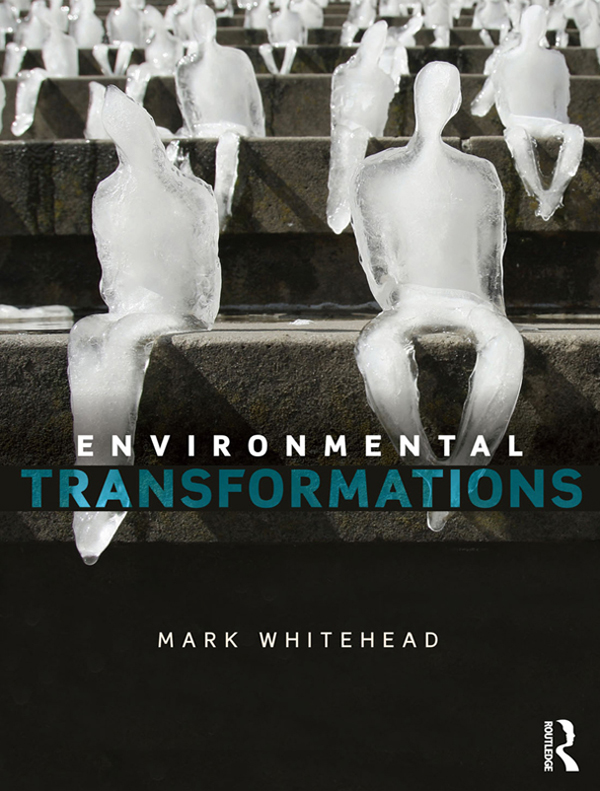
دانلود کتاب دگرگونیهای زیستمحیطی ۲۰۱۴ (Environmental Transformations 2014) با لینک مستقیم و فرمت pdf (پی دی اف) و ترجمه فارسی
| نویسنده |
Mark Whitehead |
|---|

۳۰ هزار تومان تخفیف با کد «OFF30» برای اولین خرید
| سال انتشار |
2014 |
|---|---|
| زبان |
English |
| تعداد صفحهها |
190 |
| نوع فایل |
|
| حجم |
9.9 MB |
🏷️ 200,000 تومان قیمت اصلی: 200,000 تومان بود.129,000 تومانقیمت فعلی: 129,000 تومان.
🏷️
378,000 تومان
قیمت اصلی: ۳۷۸٬۰۰۰ تومان بود.
298,000 تومان
قیمت فعلی: ۲۹۸٬۰۰۰ تومان.
از اعماق اقیانوسها تا مرتفعترین نقاط جوّ، تأثیر انسان بر محیط زیست، چشمگیر و غیرقابل انکار است. این اشکال تغییرات زیست محیطی جهانی و محلی، همگی با هم، نویدبخشِ آغازِ یک دورۀ زمینشناسی جدید هستند: دورۀ انسانسالاری (Anthropocene). دورهای زمینشناختی که نه با نوسانات طبیعی محیط زیست یا برخورد شهابسنگها، بلکه با اقدامات جمعیِ بشریت تعریف میشود.
کتاب «تغییرات زیست محیطی» مقدمهای مختصر و قابلفهم بر رویههای انسانی و سیستمهایی است که دورۀ انسانسالاری را تداوم میبخشند. این کتاب، شرحی از چرخۀ کربن، توازن حرارت جهانی، آنتروپی، آبشناسی، اکولوژی جنگل و خاکشناسی را با نظریههای جمعیتی، جنگ، سرمایهداری صنعتی، توسعه شهری، نظریۀ دولت و روانشناسی رفتاری در هم میآمیزد. کتاب حاضر، نقش ویژۀ جغرافیا و جغرافیدانان را در مطالعۀ تغییرات زیست محیطی و عوامل انسانیِ آن ترسیم میکند. مروری بر نظریههای انتقادی ارائه میدهد که میتواند به کشف عوامل اجتماعی-اقتصادی و سیاسیِ مؤثر بر تغییرات زیست محیطی کمک کند. همچنین، به بررسی مسائل کلیدی در مطالعات زیست محیطی معاصر، مانند مصرف منابع، کمبود آب، تغییرات آب و هوایی، آلودگی صنعتی و جنگلزدایی میپردازد. این مسائل از طریق مجموعهای از مطالعات موردی جغرافیایی «نقشهبرداری» میشوند تا ارزش ویژۀ مفاهیم جغرافیایی فضا، مکان و مقیاس، در کشف ماهیت پیچیدۀ تغییرات زیست محیطی در بسترهای مختلف اجتماعی-اقتصادی، سیاسی و فرهنگی نشان داده شود. در نهایت، این کتاب به بررسی روشهای مختلفی میپردازد که ملتها، جوامع و افراد در سراسر جهان در قرن بیست و یکم برای انطباق با تغییرات زیست محیطی در پیش گرفتهاند.
در سرتاسر کتاب، توجه ویژهای به فرصتهای جغرافیایی نابرابرِ جوامع مختلف برای انطباق با تغییرات زیست محیطی و مسائل عدالت اجتماعیِ ناشی از این وضعیت معطوف شده است. این کتاب دانشجویان را تشویق میکند تا درگیر عدمقطعیتهای علمی پیرامون مطالعۀ تغییرات زیست محیطی شوند، در حالی که دیدگاههای بدبینانه و خوشبینانهتر در مورد توانایی بشر برای مقابله با چالشهای زیست محیطی عصر حاضر را نیز مورد بحث قرار میدهد.
۱. Cover Page
۲. Half Title Page
۳. Series
۴. Title Page
۵. Copyright Page
۶. Dedication
۷. Contents
۸. List of plates
۹. List of figures
۱۰. List of tables
۱۱. List of boxes
۱۲. Acknowledgements
۱ مقدمه جغرافیا در عصر انسانمحور (آنتروپوسین)
۱۴. Part ۱ تحولات زیستمحیطی
۱۵. Part ۲ زندگی در عصر انسانمحور (آنتروپوسین)
۱۶. Bibliography
۱۷. Index
From the depths of the oceans to the highest reaches of the atmosphere, the human impact on the environment is significant and undeniable. These forms of global and local environmental change collectively appear to signal the arrival of a new geological epoch: the Anthropocene. This is a geological era defined not by natural environmental fluctuations or meteorite impacts, but by collective actions of humanity.
Environmental Transformations offers a concise and accessible introduction to the human practices and systems that sustain the Anthropocene. It combines accounts of the carbon cycle, global heat balances, entropy, hydrology, forest ecology and pedology, with theories of demography, war, industrial capitalism, urban development, state theory and behavioural psychology. This book charts the particular role of geography and geographers in studying environmental change and its human drivers. It provides a review of critical theories that can help to uncover the socio-economic and political factors that influence environmental change. It also explores key issues in contemporary environmental studies, such as resource use, water scarcity, climate change, industrial pollution and deforestation. These issues are ‘mapped’ through a series of geographical case studies to illustrate the particular value of geographical notions of space, place and scale, in uncovering the complex nature of environmental change in different socio-economic, political and cultural contexts. Finally, the book considers the different ways in which nations, communities and individuals around the world are adapting to environmental change in the twenty-first century.
Particular attention is given throughout to the uneven geographical opportunities that different communities have to adapt to environmental change and to the questions of social justice this situation raises. This book encourages students to engage in the scientific uncertainties that surround the study of environmental change, while also discussing both pessimistic and more optimistic views on the ability of humanity to address the environmental challenges of our current era.
1. Cover Page
2. Half Title Page
3. Series
4. Title Page
5. Copyright Page
6. Dedication
7. Contents
8. List of plates
9. List of figures
10. List of tables
11. List of boxes
12. Acknowledgements
1 Introduction Geography in the Anthropocene
14. Part 1 Environmental transformations
15. Part 2 Living in the Anthropocene
16. Bibliography
17. Index
✨ ضمانت تجربه خوب مطالعه
در صورت مشکل، مبلغ پرداختی بازگردانده می شود.
دانلود فایل کتاب با سرعت بالا
دانلود مستقیم به همراه ارسال فایل به ایمیل.
با چت آنلاین و پیامرسان ها پاسخگو هستیم.
کتاب ها را از منابع معتیر انتخاب می کنیم.

 هوشمصنوعی ترجمه کالیبو