Sale
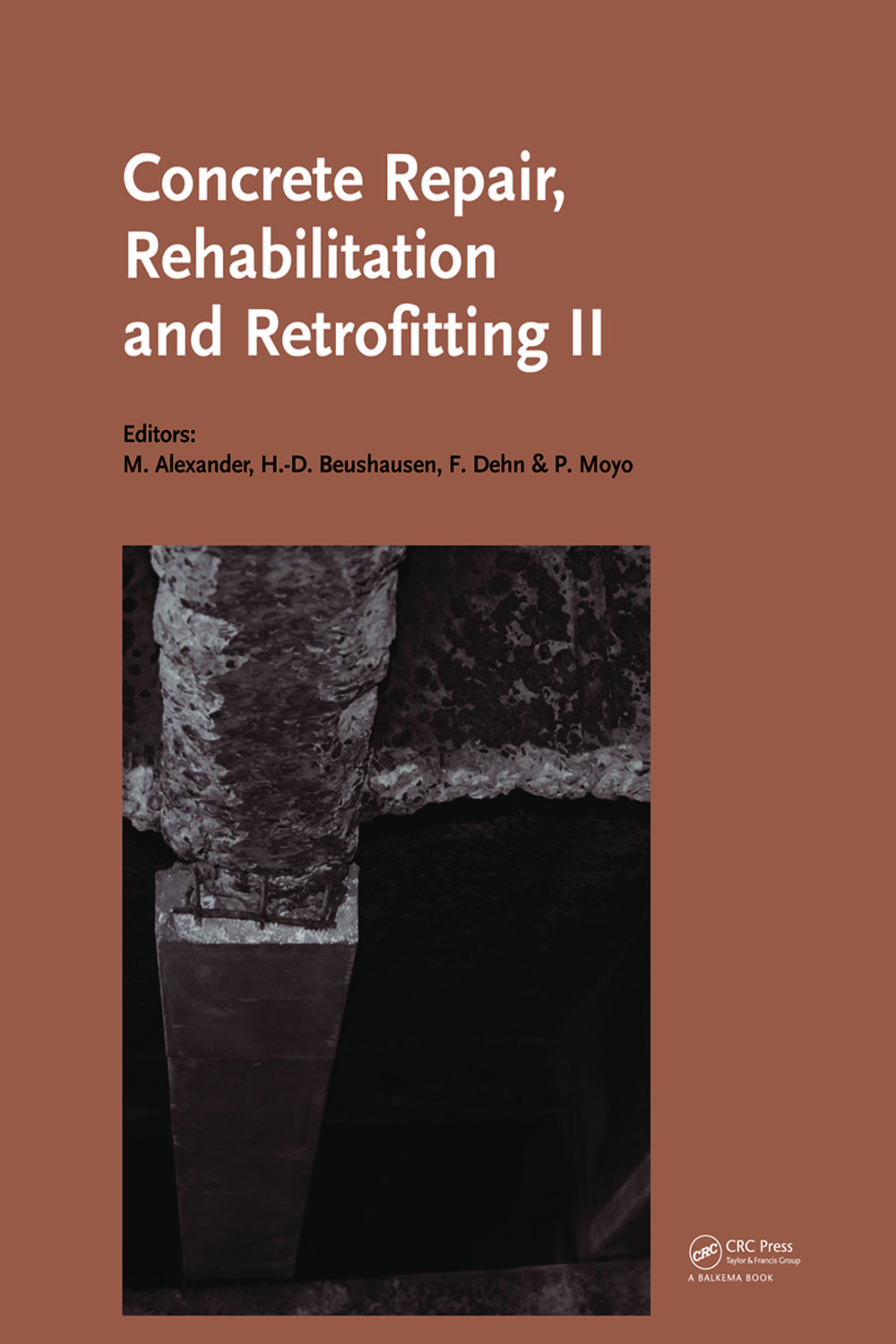
دانلود کتاب ترمیم، بازسازی و بهسازی بتن: مجموعه مقالات دومین کنفرانس بینالمللی ICCRRR-2، کیپ تاون، آفریقای جنوبی، نوامبر ۲۰۰۸ ۲۰۰۸ (Concrete Repair, Rehabilitation and Retrofitting II: 2nd International Conference on Concrete Repair, Rehabilitation and Retrofitting, ICCRRR-2, 24-26 November 2008, Cape Town, South Africa 2008) با لینک مستقیم و فرمت pdf (پی دی اف)
| نویسنده |
Mark G. Alexander, Hans-Dieter Beushausen, Frank Dehn, Pilate Moyo |
|---|

۳۰ هزار تومان تخفیف با کد «OFF30» برای اولین خرید
| سال انتشار |
2008 |
|---|---|
| زبان |
English |
| تعداد صفحهها |
476 |
| نوع فایل |
|
| حجم |
15.9MB |
🏷️ 200,000 تومان قیمت اصلی: 200,000 تومان بود.129,000 تومانقیمت فعلی: 129,000 تومان.
🏷️
378,000 تومان
قیمت اصلی: ۳۷۸٬۰۰۰ تومان بود.
298,000 تومان
قیمت فعلی: ۲۹۸٬۰۰۰ تومان.
وضعیت زیرساختهای ملی و صنعت همچنان بسیار چالشبرانگیز و پرتنش است. واقعیت این است که بخش زیادی از زیرساختهای بتنی ما با سرعت غیرقابل قبولی فرسوده میشوند و ما به ابزارها و تکنیکهای مناسبی برای انجام وظیفه گسترده تعمیر، نگهداری و بازسازی اصولی این زیرساختها نیاز داریم. تمامی این اقدامات باید با در نظر گرفتن بودجه محدود موجود برای این کار انجام شود. باید راههای جدیدی برای افزایش مقرونبهصرفه طول عمر مفید سازههای بتنی پیدا کرد. با توجه به چالشهای زیستمحیطی که صنعت و جامعه با آن روبرو هستند، باید اطمینان از بتن به عنوان یک ماده ساختمانی کارآمد در قرن بیست و یکم حفظ و تقویت شود.
مجموعه مقالات کنفرانس شامل مقالاتی است که در کنفرانس ارائه شده و در مجموع به ۱۲ زیرمجموعه طبقهبندی شدهاند که میتوان آنها را تحت سه موضوع اصلی (۱) جنبههای دوام بتن، (۲) ارزیابی وضعیت سازههای بتنی و (۳) ترمیم، بازسازی و مقاومسازی بتن گروهبندی کرد. مهمترین موارد مورد توجه در زمینه ارائه مقالات، مواد نوآورانه برای ساخت بتن بادوام، مدلسازی یکپارچه عمر مفید سازههای بتن مسلح، تکنیکهای NDE/NDT و اندازهگیری، روشها و مواد تعمیر، و تکنیکهای تقویت و مقاومسازی سازهها هستند. تعداد زیاد مقالات با کیفیت بالا و طیف گستردهای از موضوعات مرتبط که پوشش داده شدهاند، تأیید میکنند که این مجموعه مقالات به عنوان یک مرجع ارزشمند برای بسیاری از افرادی که در زمینههای مهم دوام و تعمیر بتن فعالیت میکنند، مورد استفاده قرار خواهد گرفت و پایهای مناسب برای بحث و ارائه پیشنهادات برای توسعه و تحقیقات آینده فراهم خواهد کرد.
۱. جلد رویی
۲. فهرست مطالب
۳. پیشگفتار
۴. کمیتههای ICCRRR
۵. مقالات کلیدی
۶. طراحی برای عمر بهرهبرداری: چگونه باید در آییننامههای آینده پیادهسازی شود؟
۷. اهمیت درک ریزساختاری برای بتن پایدار و بادوام
۸. روشهای پیشرفته NDT برای ارزیابی سازههای بتنی
۹. کنترل کارایی تکنیکهای ترمیم الکتروشیمیایی
۱۰. تقویت خارجی تیرهای پیوسته با CFRP
۱۱. تحلیل تشخیصی و درمان پلهای به شدت ترکخورده
۱۲. مقالات مدعو
۱۳. تحقیق در زمینه تعمیر – رویکردهای فعلی و نیازهای آینده
۱۴. تأملاتی بر نیازهای آینده در تحقیق و توسعه دوام بتن
۱۵. خوردگی آرماتور: نیازهای تحقیقاتی
۱۶. مواد نوآورانه و تأثیرات ترکیب مواد
۱۷. بتن با عملکرد بالا برای کاربردهای ویژه
۱۸. دوام و توسعه ریزساختاری در طول هیدراتاسیون در بتن با عملکرد فوقالعاده بالا
۱۹. توانایی بتن در مقاومت در برابر یونهای کلرید با استفاده از سیمان ترکیبی سهگانه
۲۰. مقاومت در برابر سولفات کامپوزیتهای خمیر سیمان حاوی خاکستر بادی زیاد
۲۱. دوام بتن سبک با سنگدانه رس منبسط شده
۲۲. در مورد پتانسیل سنگدانههای لاستیکی حاصل از آسیاب کردن تایرهای پایان عمر برای بهبود ظرفیت کرنش بتن
۲۳. بررسیهای مربوط به ریزساختار PCC پس از بار مکانیکی
۲۴. کامپوزیتها در سازهها – استفاده از نظریههای مقاومت ویژه بر اساس شکل ناهمسانگردی
۲۵. مخازن بتنی برای مهار زبالههای رادیواکتیو سطح بالا شیشهای شده: رویکرد بلژیکی
۲۶. عملکرد انواع مختلف سیمان پاکستانی در معرض محیطهای تهاجمی
۲۷. الزامات دوام در طرح اختلاط بتن خود تراکم
۲۸. حمله شیمیایی SCC: آزمایشهای غوطهوری و CT اشعه ایکس
۲۹. مطالعه نفوذ کلرید در بتن خود تراکم با شبیهسازی منطقه جزر و مدی
۳۰. انتقال آب و گازها در بتن مسلح شده با الیاف نساجی بدون ترک و ترکخورده
۳۱. کاربرد FRC و FRSC در عناصر سازهای تونل سنت روک
۳۲. دوام کامپوزیتهای سیمانی سختشونده کرنش (SHCC) – یک مرور کلی
۳۳. یک رویکرد طراحی دوام جدید برای مواد سیمانی جدید: مدلسازی ورود کلرید در کامپوزیتهای پایه سیمانی سختشونده کرنش
۳۴. یک بتن خود ترمیم شونده دو جزئی مبتنی بر باکتری
۳۵. خواص خود ترمیمی با عرضهای ترک مختلف تحت نشت مداوم آب
۳۶. استفاده از الیاف چوب طبیعی برای خود ترمیمی بتن
۳۷. تأثیر ژئومواد بر رفتار خود ترمیمی خود به خودی بتن ترکخورده
۳۸. محافظت سطحی برای جلوگیری از واکنشهای قلیایی-سنگی (AAR) در سازههای بتنی
۳۹. تغییرات در مقیاس میکرو در سطوح سیمانی تحت فرایند تمیز کردن لیزری و تأثیر بالقوه آنها بر دوام طولانی مدت
۴۰. ارزیابی استراتژیهای ضد رسوب روی بتن هوادهی شده با استفاده از آزمایش رشد شتابیافته جلبک
۴۱. آزمایش خوردگی آرماتور فولادی کم آلیاژ
۴۲. تأثیر هندسه و میزان آرماتور نمونهها بر مقاومت بتن در برابر نمک یخزدا
۴۳. مدلسازی عمر بهرهبرداری و پیشبینی دوام
۴۴. مدیریت چرخه عمر سازههای بتنی قسمت اول: شناسنامه
۴۵. مدیریت چرخه عمر سازههای بتنی قسمت دوم: نظارت
۴۶. یک مدل صفحه گسترده برای پیشبینی عمر بهرهبرداری
۴۷. مدلسازی تأثیر اقدامات محیطی بر دوام سازههای بتن آرمه
۴۸. مطالعات بر روی مدلهای پیشبینی برای دوام بتن
۴۹. مقدار بحرانی کلرید در بتن آرمه – وضعیت هنر
۵۰. استفاده از شاخصهای دوام در مدلسازی احتمالی برای طراحی دوام اعضای RC
۵۱. یک رویکرد ساده و عملی در مورد طراحی برای دوام سازههای بتن آرمه بر اساس مدلسازی احتمالی ورود کلرید
۵۲. ارزیابی رفتار بتن در دوره شروع خوردگی ناشی از کلرید میلگردها
۵۳. گسترش خوردگی در بتن ترک خورده و ترک نخورده
۵۴. تأثیر دما بر انتقال یونهای کلرید در بتن
۵۵. تعمیر بتن معماری و مدلسازی مربوط به خوردگی ناشی از کربناتاسیون
۵۶. تعیین میزان رطوبت بحرانی برای کربناتاسیون بتن
۵۷. تأثیر پارامترهای محیطی بر کربناتاسیون بتن. همکاری DURACON (نتایج مکزیکی)
۵۸. بهبود در طراحی دوام پلهای بتنی در کرواسی
۵۹. مهندسی آتش در کرواسی
۶۰. مدلسازی خوردگی آرماتور
۶۱. گروه تحقیقاتی DFG ۵۳۷: مدلسازی خوردگی آرماتور – مروری بر پروژه
۶۲. گروه تحقیقاتی DFG ۵۳۷: مدلسازی خوردگی آرماتور – بررسیهای مکانیسم ترک خوردگی و پوستهشدگی
۶۳. گروه تحقیقاتی DFG ۵۳۷: مدلسازی خوردگی آرماتور – سلولهای ماکرو و وابستگی زمانی
۶۴. گروه تحقیقاتی DFG ۵۳۷: مدلسازی خوردگی آرماتور – اعتبارسنجی مدل خوردگی
۶۵. گروه تحقیقاتی DFG ۵۳۷: مدلسازی خوردگی آرماتور – اندازهگیریهای خوردگی بر روی تیرهای بتن آرمه ترکخورده
۶۶. گروه تحقیقاتی DFG ۵۳۷: مدلسازی خوردگی آرماتور – مدلسازی عددی مقاومت پیوند آرماتور خورده شده
۶۷. گروه تحقیقاتی DFG ۵۳۷: مدلسازی خوردگی آرماتور – مدلسازی کاهش سطح مقطع فولاد و طراحی برای دوام
۶۸. گروه تحقیقاتی DFG ۵۳۷: مدلسازی خوردگی آرماتور – مشاهده و نظارت بر فرآیندهای خودخوردگی در ملات آلوده به کلرید توسط توموگرافی اشعه ایکس
۶۹. ارزیابی تخریب و جنبههای عمر بهرهبرداری
۷۰. یک تجربه اتریشی با شناسایی و ارزیابی واکنش قلیایی-سنگی در بزرگراهها
۷۱. انتشار یون کلرید در منطقه ساحلی Recife-PE
۷۲. بررسی تخریب موسسات آموزشی
۷۳. ارزیابی دوام پل روی تالاب رویس در جده
۷۴. ارزیابی سازههای بتن آرمه پس از آتش سوزی. تعیین عمق نفوذ دما و آسیبهای مرتبط
۷۵. سیستمهای دانش یکپارچه کامپیوتری برای ارزیابی و تشخیص پریشانی در سازههای بتنی در خلیج فارس
۷۶. رفتار مکانیکی میلگردهای خورده شده و تأثیر آن بر پاسخ سازهای عناصر R/C
۷۷. NDE/NDT و تکنیکهای اندازهگیری
۷۸. روشهای آزمایش غیرمخرب برای قسمتهای به سختی قابل دسترس سازهها
۷۹. ارزیابی مبتنی بر ارتعاش اتصالات برشی در پلهای کامپوزیتی بتنی
۸۰. رویکرد جدید برای ارزیابی درجا از نظر نفوذ ناپذیری سازههای زیرزمینی بتن آرمه
۸۱. ارزیابی تجربی تکنیک انتقال موج صوتی غیرمستقیم در تشخیص و نظارت بر دالهای بتنی
۸۲. تصویربرداری اولتراسونیک از عناصر بتن پیش تنیده: تکنیکهای جدید برای مکانیابی مطمئن عیوب دوغابریزی
۸۳. تجربه عملی کاربرد تکنیک ژئورادار در جریان بازرسی یکپارچه ساختمانهای تاریخی
۸۴. نظارت بیسیم سازهها شامل تکنیکهای انتشار آکوستیک
۸۵. OSSCAR – توسعه یک اسکنر در محل برای آزمایش غیر مخرب خودکار پل
۸۶. توسعه یک دستگاه LIBS قابل حمل برای تضمین کیفیت در تعمیر بتن
۸۷. تجزیه و تحلیل شیمیایی با سرعت بالا از سطوح بتنی با استفاده از روش LIBS در پروژه ILCOM
۸۸. در مورد امکان تعیین سریع غیرمخرب مقاومت فشاری مواد سیمانی
۸۹. تعیین محل میلگردهای آرماتور در بتن با توموگرافی مقاومت الکتریکی
۹۰. تصویربرداری توموگرافی مقاومت الکتریکی از بتن
۹۱. ارزیابی مواد و سازه
۹۲. ارزیابی کیفیت یک تونل ۴۰ ساله
۹۳. کاستیها در سازههای بتنی عامل “شرلوک هلمز”
۹۴. کمک به تشخیص واکنش قلیایی-سیلیکا در یک سازه پل
۹۵. ارزیابی وضعیت و گزینههای تعمیر برای روگذر پل Lucko در زاگرب
۹۶. افزایش عمر بهرهبرداری تیرهای بتنی پیشساخته موجود
۹۷. رویکردهایی برای ارزیابی مقاومت باقیمانده بتن در معرض آتش
۹۸. مقاومت باقیمانده ساختمانهای R.C. پس از آتشسوزی: مطالعه موردی
۹۹. ارزیابی سازههای بتنی آسیب دیده در اثر آتش سوزی و اقدامات مربوطه
۱۰۰. روشهای مختلف برای بررسی و تعمیر آسیبهای عرشه پس کشیده شده یک پل بزرگراه پس از حادثه آتش سوزی ناشی از تصادف رانندگی
۱۰۱. رفتار سازهای تیرها تحت بار همزمان و خوردگی فولاد
۱۰۲. BETOSCAN – یک سیستم ربات متحرک ابزار دقیق برای تشخیص کفهای بتن آرمه
۱۰۳. خوردگی تسریع شده در آب زیاد
۱۰۴. ارزیابی وضعیت سازههای بتن پیش تنیده با شاخصهای آسیب استاتیک و دینامیک
۱۰۵. تشخیص جداسازی در سازههای RC با استفاده از مواد پیزوالکتریک
۱۰۶. توسعه یک روش آزمایش جدید برای کامپوزیتهای پایه معدنی – آزمایش شکافتن گوه
۱۰۷. ارزیابی توزیع الیاف در بتن با استفاده از تکنیک امپدانس AC
۱۰۸. معادله هیدراتاسیون ساده به عنوان روشی برای تخمین نسبت آب به سیمان در بتن قدیمی
۱۰۹. انتخاب یک روش بهینه برای حذف رطوبت در ساختمانهای بنایی
۱۱۰. تعمیر ستونهای گالری نگهبانی، زندان حداکثر امنیتی جزیره روبن
۱۱۱. روشها و تکنیکهای تعمیر
۱۱۲. تعمیر بتن: تحقیق و عمل – بعد بحرانی
۱۱۳. بازسازی مبتنی بر عملکرد سازههای بتن آرمه
۱۱۴. تعمیر پل IB۴۲ روی رودخانه لیمپوپو در پست مرزی Stockpoort
۱۱۵. پیری فاضلابهای بتنی: تعویض یا بازسازی
۱۱۶. راه حلهای مقاومسازی بتن مورد استفاده در پل سرریز سد Van der Kloof
۱۱۷. بازسازی پلهای اصلی بر روی سرریزهای سه سد بزرگ آفریقای جنوبی
۱۱۸. محافظت از بتن با عوامل دافع آب – چه چیزی برای دستیابی به عمق نفوذ کافی مورد نیاز است؟
۱۱۹. انتقال تسریع شده بازدارندههای خوردگی به عنوان روششناسی مکمل برای روش استخراج کلرید الکتروشیمیایی
۱۲۰. تعمیر ترک در بتن با استفاده از رسوب زیستی
۱۲۱. تعمیر بتن ترک خورده با نفوذ رزین اپوکسی
۱۲۲. تعمیر بتن با ملات مقاوم در برابر سایش و نفوذ ناپذیر تقویت شده با میکرومش فوقالعاده شکلپذیر
۱۲۳. درمانهای الکتروشیمیایی خوردگی آرماتور در بتن
۱۲۴. نظارت بر امپدانس الکتروشیمیایی الیاف کربن به عنوان ماده آندی در حفاظت کاتدی
۱۲۵. CP آرماتور پشتی در سازههای RC – مدلسازی عددی توزیع جریان
۱۲۶. کاربرد استخراج کلرید الکتروشیمیایی برای اعضای پل بتن آرمه
۱۲۷. حفاظت از خوردگی آرماتور فولادی تعبیه شده در سازههای بتن آرمه با استفاده از آندهای گالوانیکی
۱۲۸. فناوری قلیاییسازی مجدد برای بتن آسیب دیده از خوردگی اعمال میشود
۱۲۹. در مورد آسیبشناسی و آموزش بازسازی سازههای بتنی: مطالعه موردی
۱۳۰. مطالعه تطبیقی تکنیکهای تمیز کردن که در بتن داخل ساختمان استفاده میشود
۱۳۱. مواد و سیستمهای تعمیر
۱۳۲. پروتکل برگه داده مواد – از هرج و مرج تا نظم
۱۳۳. استفاده از میکروبتن الیافی با عملکرد بالا به عنوان ماده تعمیر
۱۳۴. خواص سیستمهای پوشش دهنده مدرن بر پایه چسبانندههای معدنی اصلاح شده با افزودنیهای آلی
۱۳۵. بتنهای خود متراکم با انقباض کم برای تعمیر بتن
۱۳۶. اثرات تقویت الیاف و دوده سیلیس بر مقاومت در برابر سایش بتن تعمیر هیدرولیک
۱۳۷. استفاده از سیمان سولفوآلومینات کلسیم برای بهبود مقاومت ملاتها در دمای پایین
۱۳۸. توسعه کامپوزیتهای پایه سیمانی سختشونده کرنش برای تقویت بنایی
۱۳۹. نفوذپذیری هوا ملاتهای اصلاحشده با اپوکسی بدون سختکننده به عنوان مواد تعمیر
۱۴۰. عملکرد بازدارندههای خوردگی در بتن در معرض محیط دریایی
۱۴۱. تیمارهای آبگریز روی بتن – ارزیابی دوام و آزمایش غیر مخرب
۱۴۲. کاربرد تکنیک NMR برای پوششهای بتنی
۱۴۳. دوام چسبندگی پوششهای اپوکسی روی بتن؛ علل جدا شدن و تاول زدن
۱۴۴. محافظت و بازسازی سطوح بتنی دارای تنش شیمیایی بالا توسط شیشه نازک
۱۴۵. روکشهای بتنی پیوند شده و تعمیرات لکهای
۱۴۶. چسبندگی – چالشی برای تعمیر بتن
۱۴۷. تعمیر بتن و پیوند بین سطحی: تأثیر آمادهسازی سطح
۱۴۸. همبستگی بین زبری سطح زیرلایه و خطر جدا شدن
۱۴۹. عملکرد مواد تعمیر پوستهشدگی
۱۵۰. روکشهای بتنی نوآورانه برای بازسازی عرشه پل در مونترال
۱۵۱. نسبتهای اختلاط ملات و اثر انقباض آزاد بر مقاومت پیوند بین زیرلایه و بتن تعمیر
۱۵۲. ارزیابی اشباع و ریزترک خوردگی ناحیه سطحی بتن: تحولات جدید
۱۵۳. پوستهشدگی بتن پاشیده شده تحت شرایط آتش سوزی تونلها
۱۵۴. تعمیر سطح دال با روکش نازک SFRC
۱۵۵. روکشهای تعمیر SHCC برای RC: مشخصه پیوند بین سطحی و مدلسازی
۱۵۶. مدلسازی عملکرد سیستمهای تعمیر ECC تحت تغییرات حجمی دیفرانسیل
۱۵۷. جلوگیری از آسیب در کفهای صنعتی با لایههای آستری
۱۵۸. ارزیابی تأثیر خروج از مرکز بار بر مقاومت کششی
۱۵۹. پیشنهاد یک برنامه آزمایشی برای تعیین آرامش کششی در روکشهای بتنی پیوند شده
۱۶۰. تعمیرات سازهای و تقویت
۱۶۱. مدلسازی تحلیلی اعضای بتن آرمه مقاومسازیشده با پیوند انعطافپذیر
۱۶۲. بررسی تجربی و تحلیلی بتن محصور شده توسط نوارهای پیش تنیده خارجی
۱۶۳. رفتار خمشی و برشی تیرهای RC تقویت شده با آرماتور خارجی
۱۶۴. تأیید ساده شده مقاومت پیوند آرماتور متصل شده خارجی در ناحیه گشتاور تکیهگاه
۱۶۵. آزمایش بار روی یک تیر بتنی پیش تنیده مقاومسازیشده پس از آتش سوزی
۱۶۶. گسیختگی لنگر تیرهای RC تقویت شده با FRP در سطح زیرین
۱۶۷. تقویت و تأیید پل جادهای پیش تنیده با استفاده از پیش تنیدگی خارجی
۱۶۸. شبیهسازی عددی دالهای RC پیوسته تقویت شده با استفاده از تکنیک NSM
۱۶۹. مدلسازی المان محدود غیرخطی اتصالات چسبنده اپوکسی بین صفحات فولادی و بتن با استفاده از عناصر اتصال
۱۷۰. افزایش مقاومت پیچشی اعضای بتن آرمه با استفاده از بتن مسلح شده با نساجی (TRC)
۱۷۱. احیای سازههای فرسوده ما: بازسازی پارکینگ خیابان کامبرلند
۱۷۲. خرابی شیب گذرگاه کوهستانی مقاومسازی شده با سازه پل نیمه ویاداکت
۱۷۳. تعمیر سریع ستونهای پل RC در معرض زلزله
۱۷۴. مشکلات بازسازی مربوط به یک گذرگاه رو در تیمیسوارا – رومانی
۱۷۵. مقاومسازی و بازسازی لرزهای
۱۷۶. رویکرد عمر بهرهبرداری در تعمیر سازههای بتنی در اثر خطرات طبیعی
۱۷۷. رفتار لرزهای اتصالات خارجی تیر-ستون RC ارتقا یافته با FRP
۱۷۸. تجزیه و تحلیل سه بعدی پاسخ لرزهای اتصالات خارجی تیر-ستون RC قبل و بعد از مقاومسازی
۱۷۹. ارزیابی لرزهای یک ساختمان مدرسه RC مقاومسازی شده با مهاربندهای نوآورانه
۱۸۰. پاسخ لرزهای اتصالات گوشه تیر-ستون RC تقویت شده با FRP
۱۸۱. بررسی تجربی رفتار لرزهای ستونهای SFRC تحت خمش دو محوری
۱۸۲. تکنیکهای مقاومسازی و سیستمهای FRP
۱۸۳. مطالعه امکانسنجی یک سیستم پیشتنیدگی جدید برای لمینتهای FRP
۱۸۴. لنگرگاه تاندون FRP در سازههای بتنی پس کشیده شده
۱۸۵. دوام سازههای بتنی تقویت شده با CFRP تحت شرایط پیری تسریع شده یا محیطی
۱۸۶. دوام کامپوزیت GFRP ساخته شده از نانوکامپوزیت اپوکسی/ارگانوکلی
۱۸۷. عملکرد بتن پودری واکنش پذیر (RPC) با شرایط عمل آوری مختلف و اثرات مقاومسازی آن بر عضو بتنی
۱۸۸. مقاومت باقیمانده بتن پر مقاومت اصلاح شده با لاتکس SBR تحت بارگذاری ضربهای مکرر
۱۸۹. مدلسازی رفتار تیرهای بتن آرمه تقویت شده با FRP عایق شده در معرض آتش
۱۹۰. بهینهسازی شکست تیرهای RC تقویت شده با لمینتهای CFRP با روشهای المان محدود و تجربی
۱۹۱. مقایسه رفتار تیرهای HSC تقویتشده با میلگردهای AFRP و تیرهای HSC محصور شده با ورقههای AFRP تحت خمش
۱۹۲. تیر RC خورده شده تعمیر شده با میلههای CFRP نصب شده در نزدیکی سطح
۱۹۳. تأثیر پوشش بتنی آسیب دیده بر عملکرد سازهای تیرهای بتنی خورده شده تقویت شده با CFRP
۱۹۴. نقش لنگرهای U شکل بر عملکرد تیرهای RC تقویت شده توسط صفحات CFRP
۱۹۵. برهمکنش برشی-خمشی ستونهای دایرهای RC تقویت شده با ورقههای FRP
۱۹۶. تقویت ستونهای موجود R/C با ژاکت بتن الیافی با عملکرد بالا
۱۹۷. مقاومسازی یک ساختمان صنعتی پیشساخته
۱۹۸. مقاومت و شکلپذیری ستونهای بتنی غیر مسلح محصور شده با کامپوزیتهای CFRP تحت بارگذاری تک محوری
۱۹۹. بررسی تجربی تعمیر روسازیهای RC با SFRC
۲۰۰. تحقیق تجربی در مورد عملکرد و مقاومت آسیب – تقویت تیرهای بتنی با CFRP با استفاده از دو اپوکسی مختلف
۲۰۱. تقویت دیوار برشی با ژاکت RC با عملکرد بالا
۲۰۲. فهرست نویسندگان
۲۰۳. جلد پشتی
The Second International Conference on Concrete Repair, Rehabilitation and Retrofitting (ICCRRR 2005) was held in Cape Town, South Africa, from 24-26 November 2008. The Conference followed the very successful First International Conference, also in Cape Town in 2005, and continued as a collaborative venture by researchers from the South African Research Programme in Concrete Materials (based at the Universities of Cape Town and The Witwatersrand) and The Construction Materials Sections at Leipzig University and MFPA Leipzig in Germany.
The background, in industry and the state of national infrastructures, continues to be highly challenging and demanding.The facts remain that much of our concrete infrastructure deteriorates at unacceptable rates, that we need appropriate tools and techniques to undertake the vast task of sound repair, maintenance and rehabilitation of such infrastructure, and that all this must be undertaken with due cognisance of the limited budgets available for such work. New ways need to be found to extend the useful life of concrete structures cost-effectively.Confidence in concrete as a viable construction material into the 21st century needs to be retained and sustained, particularly considering the environmental challenges that the industry and society now face.
The conference proceedings contain papers, presented at the conference, and classified into a total of 12 sub themes which can be grouped under the three main themes of (i) Concrete durability aspects, (ii) Condition assessment of concrete structures, and (iii) Concrete repair, rehabilitation and retrofitting. The major interests in terms of submissions exists in the fields of innovative materials for durable concrete construction, integrated service life modelling of reinforced concrete structures, NDE/NDT and measurement techniques, repair methods and materials, and structural strengthening and retrofitting techniques. The large number of high-quality papers presented and the wide range of relevant topics covered confirm that these proceedings will be a valued reference for many working in the important fields of concrete durability and repair, and that they will form a suitable base for discussion and provide suggestions for future development and research.
1. Front cover
2. Table of contents
3. Preface
4. ICCRRR Committees
5. Keynote papers
6. Design for service life: How should it be implemented in future codes
7. Importance of microstructural understanding for durable and sustainable concrete
8. Advanced NDT methods for the assessment of concrete structures
9. Efficiency control of electrochemical repair techniques
10. External strengthening of continuous beams with CFRP
11. Diagnostic analysis and therapy of severely cracked bridges
12. Invited papers
13. Research in the field of repair – Actual approaches and future needs
14. Reflections on future needs in concrete durability research and development
15. Reinforcement corrosion: Research needs
16. Innovative materials and influences of material composition
17. High performance concrete for extreme applications
18. Durability and microstructural development during hydration in ultra-high performance concrete
19. Concrete ability to resist chloride ions using ternary blended cement
20. Sulphate resistance of high volume fly ash cement paste composites
21. Durability of light-weight concrete with expanded clay aggregate
22. On the potential of rubber aggregates obtained by grinding end-of-life tyres to improve the strain capacity of concrete
23. Investigations on the PCC-Microstructure after Mechanical Load
24. Composites in structures – Use of special strength theories based on the form of anisotropy
25. Concrete containers for containment of vitrified high-level radioactive waste: The Belgian approach
26. Performance of different types of Pakistani cements exposed to aggressive environments
27. Durability requirements in self-compacting concrete mix design
28. Chemical attack of SCC: Immersion tests and X-ray CT
29. Study of chloride penetration in self-compacting concrete by simulation of tidal zone
30. Transport of water and gases in crack-free and cracked textile reinforced concrete
31. Application of FRC and FRSC in structural elements of St Rok tunnel
32. Durability of Strain-Hardening Cement Composites (SHCC) – An overview
33. A novel durability design approach for new cementitious materials: Modelling chloride ingress in strain-hardening cement-based composites
34. A two component bacteria-based self-healing concrete
35. Self healing properties with various crack widths under continuous water leakage
36. Using natural wood fibers to self heal concrete
37. The effect of geo-materials on the autogenous healing behavior of cracked concrete
38. Surface protections to prevent Alkali-Aggregate Reactions (AAR) in concrete structures
39. Micro-scale alterations of cementitious surfaces subjected to laser cleaning process and their potential impact on long-term durability
40. Evaluation of anti-fouling strategies on aerated concrete by means of an accelerated algal growth test
41. Corrosion testing of low alloy steel reinforcement
42. Influence of the geometry and reinforcement content of specimens on frost de-icing salt resistance of concrete
43. Service life modelling and prediction of durability
44. Life cycle management of concrete structures Part I: Birth certificate
45. Life cycle management of concrete structures Part II: Monitoring
46. A Spreadsheet Model for Service-Life Predictions
47. Modeling of the influence from environmental actions on the durability of reinforced concrete structures
48. Studies on prediction models for concrete durability
49. Critical chloride content in reinforced concrete – State of the art
50. Use of durability indexes in probabilistic modelling for durability design of RC members
51. A simplified and practical approach regarding design for durability of reinforced concrete structures based on probabilistic modeling of chloride ingress
52. Assessment of the behaviour of concrete in the initiation period of chloride induced corrosion of rebars
53. Corrosion propagation in cracked and uncracked concrete
54. Effect of temperature on transport of chloride ions in concrete
55. Repair of architectural concrete and related modelling of carbonation-induced corrosion
56. Determination of critical moisture content for carbonation of concrete
57. Effect of environmental parameters on concrete carbonation. DURACON collaboration (Mexican results)
58. Improvements in durability design of concrete bridges in Croatia
59. Fire engineering in Croatia
60. Modelling of reinforcement corrosion
61. DFG Research Group 537: Modelling of reinforcement corrosion – An overview of the project
62. DFG Research Group 537: Modelling reinforcement corrosion – Investigations on the mechanism of cracking and spalling
63. DFG Research Group 537: Modelling of reinforcement corrosion – Macrocells and time dependence
64. DFG Research Group 537: Modelling of reinforcement corrosion – Validation of corrosion model
65. DFG Research Group 537: Modelling reinforcement corrosion – Corrosion measurements on cracked reinforced concrete beams
66. DFG Research Group 537: Modelling reinforcement corrosion – Numerical modelling of bond strength of corroded reinforcement
67. DFG Research Group 537: Modelling of reinforcement corrosion – Modelling loss of steel cross sectional area and design for durability
68. DFG Research Group 537: Modelling reinforcement corrosion – Observation and monitoring of self-corrosion processes in chloride contaminated mortar by X-ray tomography
69. Degradation assessment and service life aspects
70. An Austrian experience with identification and assessment of alkali-aggregate reaction in motorways
71. Chloride ion propagation in onshore zone of Recife-PE
72. Investigation of the deteriorations of educational institutes
73. Durability evaluations on the bridge over the Ruwais lagoon at Jeddah
74. Assessment of post-fire reinforced concrete structures. Determination of depth of temperature penetration and associated damage
75. Computer integrated knowledge systems for the assessment and diagnosing distress in concrete structures in Persian Gulf
76. Mechanical behaviour of corroded rebars and influence on the structural response of R/C elements
77. NDE/NDT and measurement techniques
78. Nondestructive testing methods for hardly accessible parts of structures
79. Vibration based assessment of shear connectors in concrete composite bridges
80. New approach to in-situ evaluation of watertightness of reinforced concrete underground structures
81. Experimental evaluation of indirect sonic wave transmission technique in the diagnosis and monitoring of concrete slabs
82. Ultrasonic imaging of post-tensioned concrete elements: New techniques for reliable localization of grouting defects
83. Practical experience of geo-radar technique application in the course of an integrated inspection of historical buildings
84. Wireless monitoring of structures including acoustic emission techniques
85. OSSCAR – Development of an On-Site SCAnneR for automated non-destructive bridge testing
86. Development of a portable LIBS-device for quality assurance in concrete repair
87. High speed chemical analysis of concrete surfaces using the LIBS method within the ILCOM project
88. On the possibility of rapid nondestructive determination of compressive strength of cement materials
89. Locating reinforcing bars in concrete with Electrical Resistance Tomography
90. Electrical resistance tomography imaging of concrete
91. Materials and structural assessments
92. Quality assessment of a 40-years old tunnel
93. Deficiencies in concrete structures “The Sherlock Holmes” factor
94. Contribution to diagnosis of alkali-silica reaction in a bridge structure
95. Condition assessment and repair alternatives for Lucko bridge overpasses of Zagreb
96. Service life extension of existing precast concrete girders
97. Approaches for the assessment of the residual strength of concrete exposed to fire
98. Residual strength of R.C. buildings after a fire: A case study
99. Assessment of fire-damaged concrete structures and the corresponding measures
100. Different methods to investigate and to repair the damages of a post-tensioned deck of a high-way bridge after a fire incident due to a traffic accident
101. Structural behaviour of beams under simultaneous load and steel corrosion
102. BETOSCAN – An instrumented mobile robot system for the diagnosis of reinforced concrete floors
103. Accelerated high water corrosion
104. Condition assessment of prestressed concrete structures with static and dynamic damage indexes
105. Debond Detection in RC Structures using piezoelectric materials
106. Development of a new test method for mineral based composites – Wedge splitting test
107. Evaluation of fibre distribution in concrete using AC impedance technique
108. Simple hydration equation as a method for estimating water-cement ratio in old concrete
109. Selection of an optimal method for humidity elimination in masonry buildings
110. Repair of guard gallery columns, Robben Island Maximum Security Prison
111. Repair methods and techniques
112. Concrete repair: Research and practice – The critical dimension
113. Performance based rehabilitation of reinforced concrete structures
114. Repair of bridge IB42 over the Limpopo river at Stockpoort border post
115. The aging of concrete sewers: Replace or rehabilitate
116. Concrete retrofitment solutions utilized at the Van der Kloof Dam spillway bridge
117. Rehabilitation of major bridges over the spillways of three of South Africa’s largest dams
118. Protection of concrete with water repellant agents – What is required to achieve a sufficient penetration depth?
119. Accelerated transport of corrosion inhibitors as complementary methodology for electrochemical chlorides extraction method
120. Crack repair in concrete using biodeposition
121. Cracked concrete repair with epoxy-resin infiltration
122. Concrete repair with ultra ductile micro-mesh reinforced abrasive resistant and impervious mortar
123. Electrochemical treatments of corroded reinforcement in concrete
124. Electrochemical impedance monitoring of carbon fiber as an anode material in cathodic protection
125. CP of the rear reinforcement in RC-structures – Numerical modelling of the current distribution
126. The application of electrochemical chloride extraction to reinforced concrete bridge members
127. The corrosion protection of embedded steel reinforcement in reinforced concrete structures using galvanic anodes
128. Re-alkalisation technology applied to corrosion damaged concrete
129. On pathology and rehabilitation teaching of concrete structures: A case study
130. Comparative study of cleaning techniques to be used on concrete indoors
131. Repair materials and systems
132. Material Data Sheet Protocol – From anarchy to order
133. Utilization of high performance fiber-reinforced micro-concrete as a repair material
134. Properties of modern rendering systems based on mineral binders modified by organic admixtures
135. Low shrinking self-compacting concretes for concrete repair
136. Effects of fiber and silica fume reinforcement on abrasion resistance of hydraulic repair concrete
137. Use of calcium sulfoaluminate cement to improve strength of mortars at low temperature
138. Development of Strain-Hardening Cement-based Composites for the strengthening of masonry
139. Air permeability of hardener-free epoxy-modified mortars as repair materials
140. Performance of corrosion inhibitors in concrete exposed to marine environment
141. Hydrophobic treatments on concrete – Evaluation of the durability and non-destructive testing
142. Application of the NMR-technique to concrete-coatings
143. Durability of adhesion of epoxy coatings on concrete; causes of delamination and blistering
144. Protection and rehabilitation of chemically high stressed concrete surfaces by thin glass
145. Bonded concrete overlays and patch repairs
146. Adhesion – A challenge for concrete repair
147. Concrete repair and interfacial bond: Influence of surface preparation
148. Correlation between the roughness of the substrate surface and the debonding risk
149. Performance of spall repair materials
150. Innovative concrete overlays for bridge-deck rehabilitation in Montréal
151. Mortar mix proportions and free shrinkage effect on bond strength between substrate and repair concrete
152. Evaluation of saturation and microcracking of the superficial zone of concrete: New developments
153. Spalling of sprayed concrete under tunnels fire conditions
154. Repair of slab surface with thin SFRC overlay
155. SHCC repair overlays for RC: Interfacial bond characterization and modelling
156. Modelling the performance of ECC repair systems under differential volume changes
157. Prevention of damages in industrial floors with screed layers
158. Evaluation of the effect of load eccentricity on pull-off strength
159. Proposal of an experimental programme for determining tensile relaxation in bonded concrete overlays
160. Structural repairs and strengthening
161. Analytical modelling of retrofitted reinforced concrete members with flexible bond
162. Experimental and analytical investigation of concrete confined by external pre-stressed strips
163. Flexure and shear behavior of RC beams strengthened by external reinforcement
164. Simplified verification of the bond resistance of externally bonded reinforcement at the area of the support moment
165. Loading test on a retrofitted pretensioned concrete girder after fire
166. Anchorage failure of RC beams strengthened with FRP at the bottom face
167. Strengthening and verification of the prestressed road bridge using external prestressing
168. Numerical simulation of continuous RC slabs strengthened using NSM technique
169. Non-linear finite element modeling of epoxy bonded joints between steel plates and concrete using joint elements
170. Increase in the torsional resistance of reinforced concrete members using Textile Reinforced Concrete (TRC)
171. Rejuvenating our aging structures: Cumberland street parking garage rehabilitation
172. Mountain pass slope failure retrofitted with half viaduct bridge structure
173. Rapid repair of RC bridge columns subjected to earthquakes
174. Rehabilitation problems regarding an over pass in Timisoara – Romania
175. Seismic retrofit and rehabilitation
176. An approach of service life in repair of structures with concrete due to natural hazards
177. Seismic behavior of FRP-upgraded exterior RC beam-column joints
178. 3D analysis of seismic response of RC beam-column exterior joints before and after retrofit
179. Seismic assessment of a RC school building retrofitted with innovative braces
180. Seismic response of FRP-strengthened corner RC beam-column joints
181. Experimental investigation on the seismic behaviour of SFRC columns under biaxial bending
182. Retrofitting techniques and FRP systems
183. Feasibility study of a novel prestressing system for FRP-laminates
184. FRP tendon anchorage in post-tensioned concrete structures
185. Durability of CFRP strengthened concrete structures under accelerated or environmental ageing conditions
186. Durability of GFRP composite made of epoxy/organoclay nanocomposite
187. Performance of Reactive Powder Concrete (RPC) with different curing conditions and its retrofitting effects on concrete membe
188. Residual strength of SBR-latex modified high strength concrete under repeated impact loading
189. Modeling the behavior of insulated FRP-strengthened reinforced concrete beams exposed to fire
190. Fracture optimization of RC beams strengthened with CFRP laminates with finite element and experimental methods
191. Comparing the behaviour of reinforced HSC beams with AFRP bars and confined HSC beams with AFRP sheets under bending
192. Corroded RC beam repaired with near-face mounted CFRP rods
193. Effect of damaged concrete cover on the structural performance of CFRP strengthened corroded concrete beams
194. Role of U-shaped anchorages on performance of RC beams strengthened by CFRP plates
195. Shear-flexure interaction of RC circular columns strengthened with FRP sheets
196. Strengthening of R/C existing columns with high performance fiber reinforced concrete jacket
197. Retrofitting of a precast industrial building
198. Strength and ductility of unreinforced concrete columns confined with CFRP composites under uniaxial loading
199. Experimental investigation on repair of RC pavements with SFRC
200. Experimental research of performance and strength of damage – Concrete beams strengthening with CFRP using two different epoxies
201. Strengthening of shear wall with high performance RC jacket
202. Author index
203. Back cover
✨ ضمانت تجربه خوب مطالعه
در صورت مشکل، مبلغ پرداختی بازگردانده می شود.
دانلود فایل کتاب با سرعت بالا
دانلود مستقیم به همراه ارسال فایل به ایمیل.
با چت آنلاین و پیامرسان ها پاسخگو هستیم.
کتاب ها را از منابع معتیر انتخاب می کنیم.

 هوشمصنوعی ترجمه کالیبو