Sale
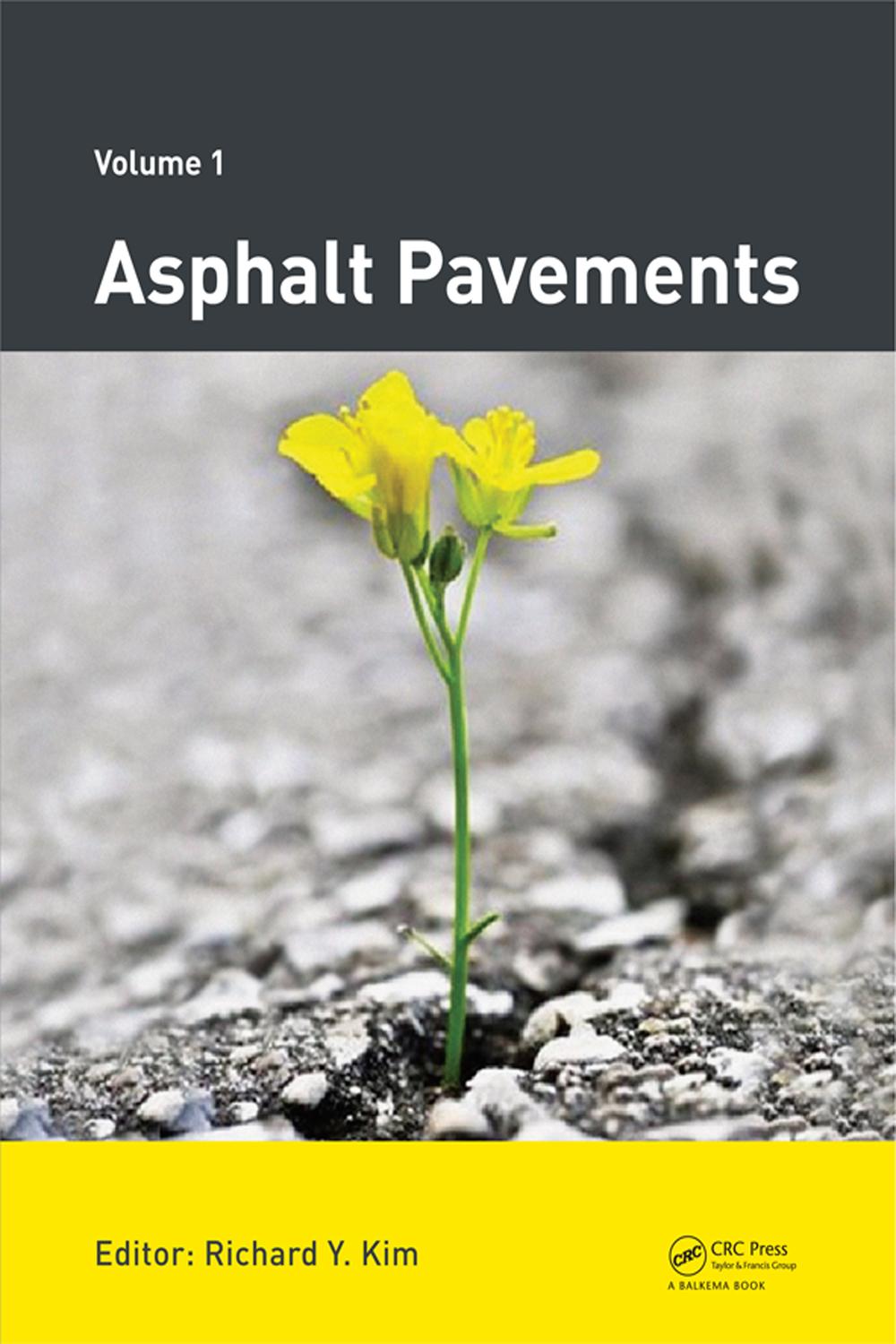
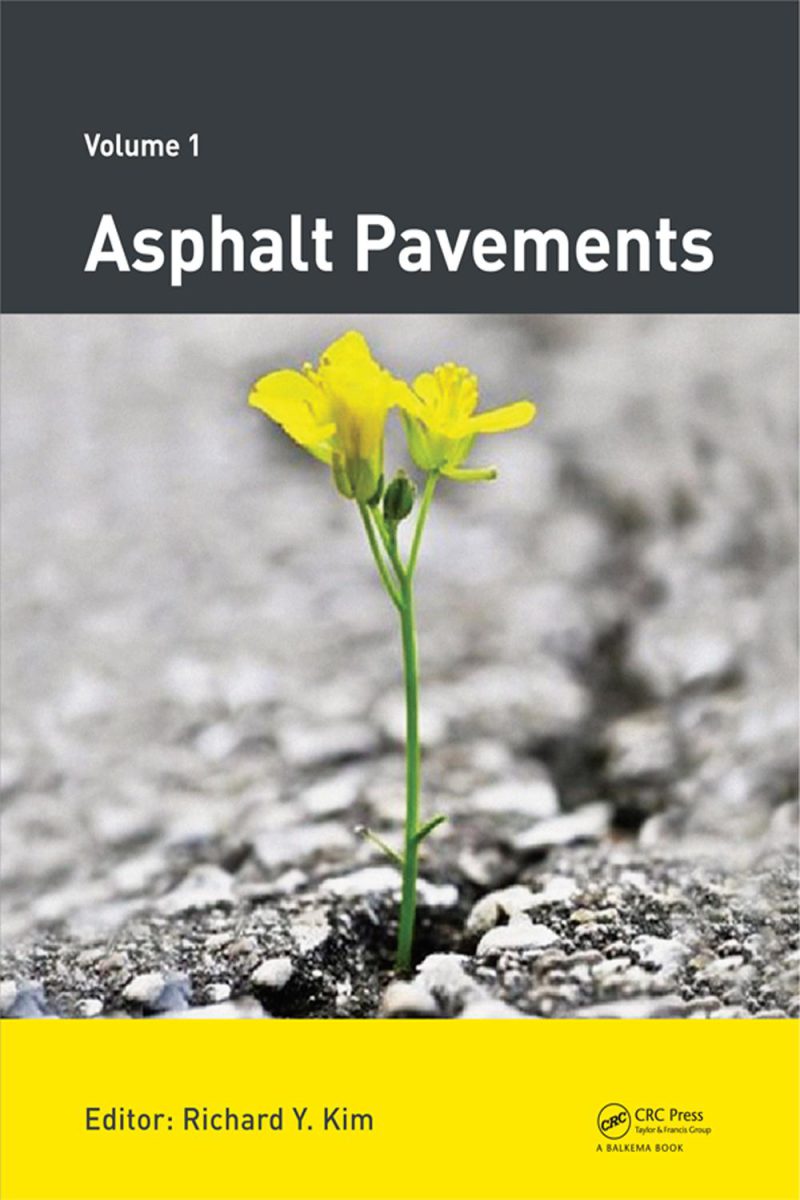
دانلود کتاب روسازیهای آسفالتی ۲۰۱۴ (Asphalt Pavements 2014) با لینک مستقیم و فرمت pdf (پی دی اف)
| نویسنده |
Y. Richard Kim |
|---|

۳۰ هزار تومان تخفیف با کد «OFF30» برای اولین خرید
| سال انتشار |
2014 |
|---|---|
| زبان |
English |
| تعداد صفحهها |
1966 |
| نوع فایل |
|
| حجم |
64.9MB |
🏷️ 200,000 تومان قیمت اصلی: 200,000 تومان بود.129,000 تومانقیمت فعلی: 129,000 تومان.
🏷️
378,000 تومان
قیمت اصلی: ۳۷۸٬۰۰۰ تومان بود.
298,000 تومان
قیمت فعلی: ۲۹۸٬۰۰۰ تومان.
کتاب “روسازیهای آسفالتی” مجموعه مقالات کنفرانس بینالمللی روسازیهای آسفالتی (رالی، کارولینای شمالی، ایالات متحده آمریکا، ۱ تا ۵ ژوئن ۲۰۱۴) است و به بحث دربارهی آخرین پیشرفتها در تئوری و عمل در زمینهی مواد و روسازیهای آسفالتی میپردازد.
مقالههای این مجموعه طیف گستردهای از موضوعات را پوشش میدهند، از جمله: حفاظت از محیط زیست و اثرات اجتماعی-اقتصادی، افزودنیها و اصلاحکنندهها.
۱. روی جلد
۲. فهرست مطالب
۳. سخنان خوشامدگویی
۴. کمیتههای ISAP ۲۰۱۴
۵. حامیان
۶. مقالات اصلی
۷. جلسه اصلی در مورد طراحی
۸. طراحی روسازی انعطافپذیر به روش M-E: مسائل و چالشها
۹. جلسه اصلی در مورد مواد
۱۰. بینش در مورد شیمی قیر، ریزساختار، روابط خواص – کاربرد در دنیای واقعی
۱۱. جلسه اصلی در مورد نگهداری
۱۲. چرا نگهداری – تعاریف، انواع روشهای عمل، مزایا و چالشها
۱۳. مقالات ارائه شده
۱۴. حفاظت محیط زیست و اثرات اجتماعی-اقتصادی
۱۵. اثر جزیره حرارتی شهری: مقایسه اثرات حرارتی و تشعشعی روسازیهای آسفالتی و بتنی بر ساختمانهای مجاور با استفاده از روشهای CFD
۱۶. قرار گرفتن کارگران در معرض ذرات فوقریز در آزمایشگاه آسفالت
۱۷. روش محاسبه صرفهجویی در انرژی مخلوط گرم بر اساس اندازهگیری گاز خروجی دودکش
۱۸. افزودنیها و اصلاحکنندهها برای آسفالت بتنی – I
۱۹. اندازهگیری انرژی سطحی و بررسی ترشوندگی مواد معدنی و قیر مختلف برای آسفالتهای سرد
۲۰. آسیب در آسفالت بتنی در طول آزمایشهای مدول مختلط دینامیکی و عدد جریان
۲۱. آزمایش جهانی سادهی پیرسازی (USAT): شبیهسازی پیرسازی اکسیداتیو کوتاهمدت و بلندمدت مخلوطهای گرم و گرم در آزمایشگاه
۲۲. نگهداری و بازسازی – I
۲۳. مطالعه عملکرد آببندیهای مه پاشی یا احیا کننده بر روی سطوح شکافدار و باز برای Caltrans
۲۴. ارزیابی عملکرد نگهداری زودهنگام سنگدانهها در چیپ سیلها با امولسیونهای اصلاح شده با پلیمر
۲۵. بررسی فناوری روسازی و مواد برای شهرداریها – شامل یک مطالعه موردی
۲۶. مشخصهیابی تجربی مواد آسفالتی – I
۲۷. کاربردهای میدانی طیفسنجی مادون قرمز قابل حمل برای محصولات آسفالتی
۲۸. بررسی تجربی اثرات یخزدگی/آبشدگی بر روی مخلوطهای قیری در شرایط مرطوب
۲۹. تعیین طیفهای تاخیر گسسته قیرها با استفاده از روش پنجرهبندی اصلاح شده
۳۰. تحلیل/مدلسازی هزینه چرخه عمر تراکم در آزمایشگاه و در میدان
۳۱. DAsphalt – مخلوط آسفالت نوآورانه برای پروژههای PPP با عمر طولانیتر
۳۲. متراکمکننده چرخشی Superpave به عنوان ابزار پیشبینی تراکم برای مواد تثبیتنشده
۳۳. گنجاندن رژیمهای خنککننده و غلتشی آسفالت در روشهای تراکم آزمایشگاهی
۳۴. روسازیهای دائمی
۳۵. پیرسازی اکسیداتیو روسازیهای آسفالتی با عمر طولانی در هنگ کنگ
۳۶. پاسخهای مکانیکی در روسازی دائمی
۳۷. سطوح با عمر طولانی برای جادههای پرتردد
۳۸. بهینهسازی آسفالت متخلخل کمصدا با عمر طولانی
۳۹. سیستمهای مدیریت روسازی
۴۰. یک سیستم مدیریت روسازی مبتنی بر عملکرد برای شبکه جادهای شهر مونترال – یک چارچوب مفهومی
۴۱. سر و صدای مربوط به سطوح نگهداری روسازی در نیوجرسی
۴۲. اهمیت خرابیهای غیر مرتبط با بار بر روی روسازیهای آسفالتی فرودگاه: بررسی دادههای ۲۵ سال مدیریت روسازی
۴۳. تجزیه و تحلیل مدلهای مقاومت غلتشی برای تجزیه و تحلیل مصرف سوخت وسیله نقلیه به عنوان تابعی از خواص روسازی
۴۴. افزودنیها و اصلاحکنندهها برای آسفالت بتنی – II
۴۵. ویژگیهای فیزیکوشیمیایی مخلوطهای قیر RAP
۴۶. ارزیابی قطعات آزمایشی با قیرهای اصلاح شده با پلیمر
۴۷. مشخصهیابی دمای پایین زوناهای اصلاح شده زیستی
۴۸. حسگرهای فیبر نوری با پوشش انعطافپذیر برای نظارت بر رفتار روسازی
۴۹. فناوریهای آسفالت پایدار – I
۵۰. لایههای سطحی جدید با مقاومت غلتشی کم که در دانمارک آزمایش شدهاند
۵۱. سیستم مقایسه جایگزینهای طراحی برای روسازیها
۵۲. توسعه ماده تعمیر آسفالت سرد واکنشی با پایه آب
۵۳. اثر رطوبت بر خواص کششی ماستیک آسفالت در دمای محیط
۵۴. مشخصهیابی تجربی مواد آسفالتی – II
۵۵. آزمایش فشاری سهمحوری چرخهای آسفالت مخلوط گرم با فشار محصورکننده چرخهای
۵۶. تأثیر پیرسازی میدانی بر عملکرد دمای پایین قیر و آسفالت مخلوط گرم
۵۷. تستر برشی پیشرفته برای نمونههای جامد و لایهای
۵۸. اثر سرعت خنکسازی بر خواص ترمو-حجمی، ترمو-ویسکوالاستیک و شکست مخلوطهای آسفالتی
۵۹. آزمایش غیرمخرب روسازی آسفالتی
۶۰. مطالعه مشکل حفره زیر روسازی ناشی از زلزله سال ۲۰۱۱
۶۱. عملکرد روسازیهای لایه اصطکاکی نفوذپذیر (PFC) در طول زمان
۶۲. پیادهسازی الگوریتمها برای اصلاح دمای مدولهای آسفالت
۶۳. استفاده از حسگرهای فیبر نوری توزیع شده برای تشخیص آسیب در روسازی
۶۴. بررسی وضعیت روسازی/صافی روسازی/کنترل کیفیت/تضمین کیفیت
۶۵. ارزیابی آسیب خستگی در روسازی آسفالتی با استفاده از کار مستهلک شده FWD
۶۶. تخمین یک نیمرخ واقعی طولی برای روسازیهای بزرگراه توسط یک سیستم نیمرخبرداری سیار
۶۷. مطالعه در مورد بهبود نیمرخ در تعمیر روسازی
۶۸. ارزیابی چگالی در جای آسفالت با اندازهگیریهای تراکم هوشمند
۶۹. مشخصهیابی ریزساختاری و مکانیک میکروسکوپی مواد آسفالتی – I
۷۰. تولید خودکار مدل شبیهسازی عددی مکانیکی میکروسکوپی آسفالت بتنی با خواص ویسکوالاستیک
۷۱. درک ریزساختار قیر: یک رویکرد CLSM و فلورسانس برای مدلسازی رفتار پیرسازی قیر
۷۲. یک مدل ساختاری برای شبیهسازی تغییر فاز آب به یخ در مخلوطهای آسفالتی
۷۳. مقایسه تکنیکهای پردازش تصویر برای تصاویر CT با اشعه ایکس آسفالت بتنی
۷۴. پیشبینی عملکرد درازمدت روسازی – I
۷۵. اثر پیرسازی اشباع شده بر رفتار خستگی روسازیهای آسفالتی
۷۶. مشکلات زیربنای روسازی نظامی
۷۷. تأثیر رطوبت بر رفتار تغییر شکل ارتجاعی مواد دانهای تثبیت نشده
۷۸. تعیین نقطه مداخله ترجیحی برای بازسازی دورههای روکش آسفالتی متراکم بر روی زیربناهای شنی دشت ساحلی سوان با در نظر گرفتن خط سه گانه (اثرات اکولوژیکی، اقتصادی و اجتماعی)
۷۹. مشخصهیابی تجربی مواد آسفالتی – III
۸۰. مدلسازی المان گسسته و مطالعه تجربی بر روی رفتار انبساطی مخلوطهای آسفالتی
۸۱. مشخصههای خستگی سیستم روکش چند لایه آسفالتی بر روی عرشه پل فولادی بر اساس آزمایشهای خمش پنج نقطهای
۸۲. تعیین چسبندگی قیر-سنگدانه با اندازهگیری زاویه تماس
۸۳. بررسی آمار مقاومت مخلوط آسفالت در دمای پایین بر اساس تجزیه و تحلیل اثر اندازه
۸۴. سنگدانه معدنی در آسفالت بتنی/روش طراحی مخلوط/روشهای جدید برای کمک به طراحی مخلوط
۸۵. اثر شکل، زاویهدار بودن و بافت سنگدانه ریز بر خواص ویسکوالاستیک ملات آسفالت
۸۶. تحقیق در مورد ویژگیهای فراکتالی توپوگرافی سطح سنگدانه بازالت
۸۷. طراحی مخلوطهای بازیافتی تثبیت شده با سیمان با عمق کامل با استفاده از متراکمکننده چرخشی Superpave
۸۸. آسفالت مخلوط گرم برای روسازیهای فرودگاه – حرکت از طراحی مخلوط مارشال به Superpave
۸۹. پیادهسازی یک آزمایش مقاومت استاتیک برای ارزیابی مقاومت در برابر شیارشدگی مخلوطهای آسفالتی و کاربرد آن برای کنترل کیفیت
۹۰. فناوریهای آسفالت مخلوط گرم – I
۹۱. حساسیت به رطوبت آسفالت مخلوط گرم
۹۲. ارزیابی فناوری آسفالت مخلوط گرم برای مخلوطهای سطحی
۹۳. مطالعه بر روی مخلوطهای آسفالت بازیافتی بهبود یافته توسط آسفالت کفشده با حبابهای ریز
۹۴. کارپذیری و پوششدهی آسفالت مخلوط گرم کفشده
۹۵. آسفالت مخلوط گرم پاکتر (CWMA) در سطح کلان: مطالعه موردی برای ایالات متحده
۹۶. تحلیل و طراحی نوآورانه روسازی – I
۹۷. شانه های کاملاً نفوذپذیر مقاومسازیشده به عنوان یک استراتژی مدیریت آب باران در بزرگراهها
۹۸. مشخصهیابی آزمایشگاهی سنگدانههای لایه اساس کارولینای شمالی برای توسعه و کالیبراسیون مدل تغییر شکل دائمی
۹۹. به سوی یک سیستم روسازی پایدار برای عرشه پل فولادی ارتوتروپیک طولانی دهانه در چین قسمت I: وضعیت فعلی
۱۰۰. مدلسازی شیارشدگی و ترکخوردگی روسازیهای آسفالتی با در نظر گرفتن ویسکوالاستیسیته غیرخطی و شکست ناحیه چسبنده
۱۰۱. کاربرد طراحی مبتنی بر حد کرنش برای روسازیهای سنگین صنعتی
۱۰۲. تحلیل پاسخ روسازی تحت بارهای استاتیک و متحرک چرخ – I
۱۰۳. تعیین یک سیستم الاستیک معادل برای یک ساختار ویسکوالاستیک چند لایه: کاربرد در مورد روسازی انعطاف پذیر ضخیم
۱۰۴. بهترین مکان سنجش در روسازی برای مقایسه شرایط بارگذاری
۱۰۵. تخریب ساختاری و عملکردی روسازی آسفالت متخلخل تحت بار چرخ متحرک در آزمایشگاه
۱۰۶. آزمایشهای شبیهساز وسیله نقلیه سنگین در VTI
۱۰۷. مشخصهیابی تجربی مواد آسفالتی – IV
۱۰۸. اثر اکسیداسیون قیر بر مدول مخلوطهای آسفالت بتنی
۱۰۹. ارزیابی مقاومت در برابر ترکخوردگی مخلوطهای Superpave در کانزاس
۱۱۰. یک مطالعه تجربی بر روی رفتار ویسکوالاستیک ماستیکهای قیری
۱۱۱. مدلسازی کرنش ویسکوپلاستیک قیر بر اساس آزمایش بازیابی خزش مکرر
۱۱۲. عملکرد خستگی و خواص سفتی آسفالتهای ماستیک سنگی با سرباره فولاد و خاکستر زغال سنگ
۱۱۳. افزودنیها و اصلاحکنندهها برای آسفالت بتنی – III
۱۱۴. مقایسه بین آسفالت اصلاح شده با SBS و لاستیک خرده – مطالعه آزمایشگاهی و میدانی
۱۱۵. تأثیر مکانیکی پرکنندههای معدنی بر رفتار ترکخوردگی مخلوط آسفالت
۱۱۶. قانون زوال مخلوط بازیافتی سرد سیمان-امولسیون-آسفالت (CEACRM) در فرآیند بازیافت
۱۱۷. بررسی اثر افزودنیهای مبتنی بر آمین بر خواص رئولوژیکی لاستیک آسفالت
۱۱۸. مشخصهیابی ریزساختاری و مکانیک میکروسکوپی مواد آسفالتی – II
۱۱۹. بررسی مقیاس خرد انتشار اکسیژن بر روی سطوح قیر
۱۲۰. مدلسازی چند مقیاسی محیطهای آسفالتی با در نظر گرفتن ناهمگنی، ویسکوالاستیسیته و آسیب شکست غیرخطی
۱۲۱. ساختارمندی به عنوان ویژگیای برای پیوند دادن رفتارهای مکانیکی آسفالت بتنی در مقیاسهای طولی مختلف
۱۲۲. شبیهسازی خشک کردن سنگدانه در کارخانههای آسفالت
۱۲۳. مشخصهیابی تجربی مواد آسفالتی – V
۱۲۴. ارزیابی معیارهای مبتنی بر دانهبندی برای عملکرد ترکخوردگی
۱۲۵. مشخصهیابی خواص مواد ویسکوالاستیک غیرخطی مواد آسفالتی در مقیاسهای طولی چندگانه
۱۲۶. استفاده از عملکردهای پیشرفته رئومتر برشی دینامیکی برای انتخاب قیر مناسب برای مخلوطهای آسفالتی
۱۲۷. امکانات یک تستر سیلندر توخالی برای مخلوطهای آسفالتی
۱۲۸. بازیافت – I
۱۲۹. پتانسیل شیارشدگی و ترکخوردگی HMA متشکل از RAP
۱۳۰. کارپذیری مخلوطهای WMA و WMA-RAP و ارتباط با تراکم میدانی
۱۳۱. اثر آهک بر ظرفیت باربری کوتاهمدت مخلوطهای بازیافتی امولسیون قیر
۱۳۲. ارزیابی عملکرد مخلوطهای قیری تزریق شده با سیمان
۱۳۳. مدلسازی مواد و روسازیهای آسفالتی
۱۳۴. پیرسازی و مدلسازی ساختاری مخلوطهای آسفالتی: تحولات تحقیقاتی در برزیل
۱۳۵. ارزیابی عملکرد خستگی مخلوطهای آسفالتی با محتوای RAP بالا
۱۳۶. رفتار سهبعدی مخلوطهای قیری در حوزههای ویسکوالاستیک خطی و ویسکوپلاستیک: مدل DBN
۱۳۷. آزمایش تسریع شده روسازی برای تأیید مدلهای DARWin-ME برای روسازیهای Superpave
۱۳۸. مدل تماس ویسکوالاستیک قانون توان برای شبیهسازی روش المان گسسته قیر
۱۳۹. تحلیل پاسخ روسازی تحت بارهای استاتیک و متحرک چرخ – II
۱۴۰. روسازی معکوس در مقابل روسازی نیمه صلب: مقایسه پاسخ دینامیکی در آزمایش میدانی از طریق شبیهساز بارگذاری سیار
۱۴۱. پاسخهای روسازی به عنوان تابعی از نوع لاستیک کامیون
۱۴۲. اثر لایه اساس تقویت شده با ژئوتکستایل بر عمر خستگی روسازی آسفالت مخلوط گرم
۱۴۳. مدلسازی مدول ارتجاعی خاکهای زیرسازی غیراشباع با کنترل مکش ماتریک
۱۴۴. تأثیر اشباع و بارگذاری مکرر بر رفتار مکانیکی روسازی آسفالت نفوذپذیر
۱۴۵. بازیافت – II
۱۴۶. استفاده از سنگدانه خاکستر بستر کوره زبالهسوز شهری در مخلوط آسفالت
۱۴۷. بررسی اثرات عمل آوری تسریع شده بر روی مخلوطهای قیری بازیافتی سرد
۱۴۸. تحلیل پزشکی قانونی هستههای میدانی آسفالت مخلوط گرم پیرشده طولانی مدت حاوی روسازی آسفالتی بازیافتی
۱۴۹. مقاومت در برابر تغییر شکل دائمی لایههای اساس بتنهای آسفالتی ساخته شده با سنگدانه RAP و سرباره فولاد
۱۵۰. اثر محتوا و درجه قیر بر عملکرد ترکخوردگی عرضی میدانی جادههای مینهسوتا
۱۵۱. فناوریهای آسفالت مخلوط گرم – II
۱۵۲. اثرات دما بر عملکرد آسفالت مخلوط گرم
۱۵۳. تکامل توزیع اندازه حباب در طول تشکیل و زوال قیر کفدار
۱۵۴. ارزیابی اثرات Sasobit بر مشخصهیابی و کارپذیری مخلوطهای آسفالتی حاوی قیرهای آسفالتی بازیافتی
۱۵۵. به سوی درک بهتر مکانیسم افزودنیهای فعال سطحی آسفالت مخلوط گرم
۱۵۶. مطالعه بر روی کاربرد یکپارچه و دوام دو تکنیک آسفالت مخلوط گرم
۱۵۷. مشخصهیابی تجربی مواد آسفالتی – VI
۱۵۸. مشخصهیابی واسطهای لایههای قیری: از رفتار مکانیکی تا مدلسازی
۱۵۹. مقایسه مشخصههای خستگی آسفالت تحت حالتهای کنترل مختلف
۱۶۰. حساسیت به رطوبت لایههای میانی بین مخلوطهای آسفالت معمولی و متخلخل
۱۶۱. رفتار خستگی یک بتن آسفالتی تقویت شده با شبکه الیاف شیشه با آزمایش ۴PB
۱۶۲. بررسی مدول دینامیکی آسفالت مخلوط گرم استرالیای غربی
۱۶۳. افزودنیها و اصلاحکنندهها برای آسفالت بتنی – IV
۱۶۴. تحلیل تنش کامپوزیتی مخلوطهای آسفالت مخلوط گرم تقویت شده با الیاف
۱۶۵. ارزیابی قیرهای اصلاح شده با لاستیک تایر بازیافتی (RTR) با قیرهای اصلاح شده پلیمری معمولی برای مشخصات عملکرد
۱۶۶. بررسی تکامل نانورئولوژی قیر امولسیونی با استفاده از میکروسکوپ نیروی اتمی
۱۶۷. تخمین کرنش کششی در پایین لایه HMA با استفاده از اندازهگیریهای شیب انحراف TSD
۱۶۸. مشخصهیابی ریزساختاری و مکانیک میکروسکوپی مواد آسفالتی
۱۶۹. مدلسازی اثرات خواص سازنده بر رفتار مکانیکی مخلوطهای آسفالتی
۱۷۰. رفتار ویسکوالاستیک فاز ماستیک آسفالت بتنی
۱۷۱. آزمایش خستگی تک محوری مخلوطهای مختلف آسفالت بتنی
۱۷۲. نقشهبرداری کمی خواص نانومکانیکی فازهای میکرو قیر توسط میکروسکوپ نیروی اتمی با نیروی پیک
۱۷۳. فناوریهای آسفالت پایدار – II
۱۷۴. کاهش موثر دمای روسازی آسفالت
۱۷۵. ارزیابی SMA حاوی RAP و RAS
۱۷۶. مدل بتن آسفالتی القایی-ترمیم شونده
۱۷۷. بررسی مکانیسم سخت شدن و هیدراتاسیون سیمان کامپوزیتهای امولسیون آسفالت سیمانی
۱۷۸. پیشبینی عملکرد درازمدت روسازی – II
۱۷۹. پنل بازرسی اسکاتلند
۱۸۰. عمر باقیمانده روسازیهای با روکش نازک
۱۸۱. مقایسه عملکرد شیارشدگی بین PURWheel و پیست آزمایشی NCAT
۱۸۲. مشخصهیابی تجربی مواد آسفالتی – VII
۱۸۳. روششناسیهای جایگزین برای ارزیابی پایداری ذخیرهسازی قیرهای لاستیکی
۱۸۴. بررسی اثر دما بر خستگی قیر
۱۸۵. دمای موثر برای آزمایش تغییر شکل دائمی مخلوطهای آسفالتی
۱۸۶. امکان استفاده از آسفالت سنگ طبیعی جدید برای آسفالت گوس
۱۸۷. افزودنیها و اصلاحکنندهها برای آسفالت بتنی – V
۱۸۸. بهبود مقاومت در برابر آسیب رطوبتی آسفالت بتنی با استفاده از عامل کوپلینگ سالین
۱۸۹. تخمین ترکیب گلولههای لاستیک قیر با استفاده از تجزیه و تحلیل ترموگراویمتری
۱۹۰. تحلیل و طراحی نوآورانه روسازی – II
۱۹۱. به سوی مدلسازی شیارشدگی برای روسازیهای آسفالتی در آب و هوای گرم
۱۹۲. ارزیابی پایداری دمای پایین قیر و روسازی آسفالت مخلوط گرم
۱۹۳. توسعه منحنیهای اصلی کالیبره شده میدانی برای مدول درجا
۱۹۴. توسعه دستورالعملهای طراحی بازسازی روسازی برای افزایش بار محور مجاز از ۱۰۰ کیلونیوتن به ۱۱۵ کیلونیوتن
۱۹۵. نگهداری و بازسازی – II
۱۹۶. پتانسیل مقاومت در برابر ترکخوردگی آسفالتهای شنی در معرض بارگذاری حرارتی
۱۹۷. معیارهای پایداری نگهداری و بازسازی روسازی انعطافپذیر در کانادا
۱۹۸. تعیین کمیت ارزش نگهداری روسازی چیپ سیلها
۱۹۹. ارزیابی نهایی عملکرد نگهداری انعطافپذیر LTPP SPS-۳
۲۰۰. بازیافت – III
۲۰۱. بازسازی جاده اصلی اردبیل-خلخال در ایران با استفاده از بازیافت سرد با قیر کفدار و سیمان
۲۰۲. اثرات دما و محصورشدگی بر سفتی مخلوط بازیافتی سرد کارخانه مرکزی
۲۰۳. ارزیابی عملکرد آزمایشگاهی مخلوطهای RAP/RAS طراحی شده با قیرهای بکر و مخلوط
۲۰۴. اثر احیا کننده بر خواص عملکردی مخلوطهای HMA با محتوای RAP بالا
۲۰۵. مشخصهیابی تجربی مواد آسفالتی – VIII
۲۰۶. آزمایش آسفالت بتنی در کشش-فشار قطری
۲۰۷. تستر ترکخوردگی انعکاسی: یک تستر روسازی تسریع شده در مقیاس سوم برای ترکخوردگی انعکاسی
۲۰۸. مشخصهیابی تماس مخلوط آسفالت با استفاده از پردازش تصویر
۲۰۹. افزودنیها و اصلاحکنندهها برای آسفالت بتنی – VI
۲۱۰. کاهش سفتی قیر در دمای پایین با استفاده از یک افزودنی تجدیدپذیر
۲۱۱. توسعه روشهای آزمون برای تعیین عملکرد و ایمنی عوامل رها کننده آسفالت با منشا زیستی (ARA)
۲۱۲. ارزیابی آزمایشگاهی اصلاح کننده آسفالت با گوگرد افزایش یافته
۲۱۳. حساسیت به رطوبت مخلوطهای آسفالت گرم کفدار اصلاح شده با آهک هیدراته با اندازه نانو
۲۱۴. مشخصهیابی ریزساختاری و مکانیک میکروسکوپی مواد آسفالتی – III
۲۱۵. روابط ریزساختار-ویژگی آسفالتهای مخلوط گرم اصلاح شده با Sasobit
۲۱۶. تحلیل مکانیکی میکروسکوپی و ریزساختاری آسفالت بتنی تحت شرایط بار سهمحوری بر اساس روش المان گسسته
۲۱۷. اثر پارامترهای ریختشناسی در مقیاس میکرو بر پاسخ مزو-مقیاس آسفالت بتنی
۲۱۸. اثرات ترکیبی پیرسازی اکسیداتیو و گنجاندن رطوبت بر قیر با استفاده از شبیهسازی دینامیک مولکولی
۲۱۹. روسازی آسفالت و محیط زیست
۲۲۰. استفاده از ارزیابی چرخه عمر برای روسازی آسفالت در سطوح شبکه و پروژه
۲۲۱. آزمایش عملکرد آزمایشگاهی آسفالت مخلوط گرم فوتوکاتالیستی
۲۲۲. آسفالت بتنی شفاف برای صرفهجویی در انرژی در تونلهای جادهای
۲۲۳. بهینهسازی سیستم ترموالکتریک برای برداشت انرژی روسازی
۲۲۴. مشخصات مرتبط با عملکرد
۲۲۵. بررسی معیارهای محدود کننده برای ترکخوردگی دمای پایین مخلوط آسفالت
۲۲۶. یک راهنمای ساده شده روسازی انعطافپذیر با تجزیه و تحلیل قابلیت اطمینان تحلیلی
۲۲۷. یکپارچهسازی طراحی مکانیکی-تجربی و مشخصات مبتنی بر عملکرد: تجربه کالیفرنیا تاکنون
۲۲۸. استفاده از مشخصات عملکرد برای بهبود طراحی و پایداری روسازی در بریتانیا
۲۲۹. مشخصهیابی تجربی مواد آسفالتی – IX
۲۳۰. تأثیر استفاده از زوناهای آسفالتی بازیافتی بر خواص مخلوط و قیر بازیافت شده
۲۳۱. خستگی حالت II و عملکرد ترکخوردگی انعکاسی بتن آسفالتی تقویتشده با GlasGrid تحت بارگذاری مکرر
۲۳۲. ارزیابی اثرات خواص حجمی بر ویژگیهای مقاومت الکتریکی مخلوطهای آسفالتی
1. Front Cover
2. Table of contents
3. Welcoming remarks
4. ISAP 2014 committees
5. Sponsors
6. Plenary papers
7. Plenary session on design
8. M-E flexible pavement design: Issues and challenges
9. Plenary session on materials
10. Insights into binder chemistry, microstructure, properties relationships—usage in the real world
11. Plenary session on preservation
12. Why preservation-definitions, treatment types, benefits, and challenges
13. Podium papers
14. Environmental protection and socio-economic impacts
15. Urban heat island effect: Comparing thermal and radiation effects of asphalt and concrete pavements on adjacent buildings using CFD methods
16. Worker exposure to ultrafine particles in asphalt laboratory
17. Method for calculating warm mix energy saving based on stack gas measurements
18. Additives and modifiers for asphalt concrete—I
19. Surface energy measurements and wettability investigation of different minerals and bitumen for cold asphalts
20. Damage in asphalt concrete during the dynamic complex modulus and flow number tests
21. The Universal Simple Aging Test (USAT): Simulating short- and long term hot and warm mix oxidative aging in the laboratory
22. Maintenance and rehabilitation—I
23. Performance study of fog or rejuvenating seals on gap and open graded surfaces for Caltrans
24. Evaluation of early aggregate retention performance of chip seals with Polymer-Modified Emulsions
25. Pavement and Materials Technology Review for municipalities—including a case study
26. Experimental characterization of asphaltic materials—I
27. Field applications of portable infrared spectroscopy to asphalt products
28. Experimental investigation of frost/thaw effects on bituminous mixes under wet conditions
29. Determination of discrete retardation spectra of asphalt binders using Modified Windowing Method
30. Life cycle cost analysis/modeling of compaction in the laboratory and in the field
31. DAsphalt—Innovative asphalt mix for PPP projects with increased lifetime
32. Superpave Gyratory Compactor as a compaction predictor tool for unbound material
33. Including asphalt cooling and rolling regimes in laboratory compaction procedures
34. Perpetual pavements
35. Oxidative aging of long-life asphalt pavements in Hong Kong
36. Mechanistic responses in perpetual pavement
37. Long life surfaces for busy roads
38. Optimising long life low noise porous asphalt
39. Pavement management systems
40. A performance-based Pavement Management System for the road network of Montreal city—a conceptual framework
41. Noise related to pavement preservation surfaces in NJ
42. Significance of non-load related distresses on airfield asphalt pavements: Review of 25 years of pavement management data
43. Analysis of rolling resistance models to analyse vehicle fuel consumption as a function of pavement properties
44. Additives and modifiers for asphalt concrete—II
45. Physicochemical characteristics of RAP binder blends
46. Evaluation of test sections with Polymer Modified Bitumens
47. The low temperature characterization of bio-modified shingles
48. Optical fiber sensors with flexible encapsulation for pavement behavior monitoring
49. Sustainable asphalt technologies—I
50. New surface layers with low rolling resistance tested in Denmark
51. Design alternative comparison system for pavements
52. Development of water-based curing reactive cold asphalt repair material
53. Effect of moisture on asphalt mastic tensile properties at ambient temperature
54. Experimental characterization of asphaltic materials—II
55. Triaxial Cyclic Compression Testing of hot mix asphalt with cyclic confining pressure
56. Impact of field ageing on low-temperature performance of binder and hot mix asphalt
57. Advanced Shear Tester for solid and layered samples
58. Effect of cooling rate on the thermo-volumetric, thermo-viscoelastic, and fracture properties of asphalt mixtures
59. Nondestructive testing of asphalt pavement
60. Study of the cavity problem under the pavement caused by the earthquake in 2011
61. Performance of Permeable Friction Course (PFC) pavements over time
62. Implementation of algorithms for asphalt moduli temperature correction
63. Use of distributed fiber optic sensors to detect damage in a pavement
64. Pavement condition survey/pavement smoothness/quality control/quality assurance
65. Evaluation of fatigue damage in asphalt pavement using FWD dissipated work
66. Estimation of a longitudinal true profile for expressway pavements by a mobile profiling system
67. A study on profile improvement in pavement repair
68. Assess asphalt in-place density with Intelligent Compaction measurements
69. Microstructural characterization and micromechanics of asphaltic materials—I
70. Automatic generation of micromechanical numerical simulation model of asphalt concrete with visco-elastic properties
71. Understanding the microstructure of bitumen: A CLSM and fluorescence approach to model bitumen ageing behavior
72. A constitutive model for simulation of water to ice phase change in asphalt mixtures
73. Comparing image processing techniques for asphalt concrete X-ray CT images
74. Long-term pavement performance prediction—I
75. Effect of saturated ageing on fatigue behavior of asphalt pavements
76. Military pavement subgrade problems
77. Influence of moisture on Resilient Deformation behaviour of Unbound Granular Materials
78. Determination of the preferred intervention point for rehabilitation of dense graded asphalt wearing courses on the sand sub-gragrades of the Swan Coastal Plain in consideration of the triple bottom line (ecological, economic and social impacts)
79. Experimental characterization of asphaltic materials—III
80. Discrete Element Modelling and experimental study on dilation behaviour of asphalt mixtures
81. Fatigue characters of asphalt multilayer surfacing system on steel bridge deck based on the five-point bending tests
82. Determination of binder-aggregate adhesion by contact angle measurement
83. Investigation of asphalt mixture strength statistics at low temperature based on size effect analysis
84. Mineral aggregate in asphalt concrete/mix design methodology/novel methods to aid mix design
85. Effect of fine aggregate form, angularity and texture on the viscoelastic properties of asphalt mortar
86. Research on fractal features of basalt aggregate surface topography
87. Design of cement stabilized full depth reclaimed mixes using Superpave Gyratory Compactor
88. Hot Mix Asphalt for airfield pavements—moving from Marshall mix design to Superpave
89. Implementation of a static strength test for evaluating the rutting resistance of asphalt mixtures and its application for quality controls
90. Warm mix asphalt technologies—I
91. Moisture susceptibility of Warm-Mix Asphalt
92. Evaluation of Warm Mix Asphalt technology for surface mixtures
93. Study on the improved recycled asphalt mixtures by microbubble-foamed asphalt
94. Workability and coatability of foamed Warm-Mix Asphalt
95. Cleaner Warm-Mix Asphalt (CWMA) at macro level: Case study for the United States
96. Innovative pavement analysis and design—I
97. Retrofitted fully permeable shoulders as a stormwater management strategy on highways
98. Laboratory characterization of North Carolina base course aggregates for permanent deformation model development and calibration
99. Towards a sustainable surfacing system for the long-spanned orthotropic steel bridge deck in China Part I: State-of-the-practice
100. Rutting and cracking modeling of asphalt pavements considering nonlinear viscoelasticity and cohesive zone fracture
101. The application of strain limit based design to heavy industrial pavements
102. Pavement response analysis under static and moving wheel loads—I
103. Determination of an equivalent elastic system to a multilayer viscoelastic structure: Application to the case of thick flexible pavement
104. Best sensing location in pavement to compare loading conditions
105. Structural and functional deterioration of porous asphalt pavement under moving wheel load in laboratory
106. Heavy Vehicle Simulator tests at VTI
107. Experimental characterization of asphaltic materials—IV
108. Effect of asphalt binder oxidation on the modulus of asphalt concrete mixtures
109. Evaluation of cracking resistance of Superpave mixtures in Kansas
110. An experimental study on viscoelastic behaviour of bituminous mastics
111. Viscoplastic strain modeling of asphalt binder based on repeated creep recovery test
112. Fatigue performance and stiffness properties of Stone Mastic Asphalts with steel slag and coal ash
113. Additives and modifiers for asphalt concrete—III
114. Comparison between SBS and crumb rubber modified asphalt—laboratory and field study
115. Mechanical influence of mineral fillers on asphalt mixture cracking behaviour
116. Decay law of Cement-Emulsified-Asphalt-Cold-Recycled Mixture (CEACRM) in recycling process
117. Investigating effect of amine based additives on asphalt rubber rheological properties
118. Microstructural characterization and micromechanics of asphaltic materials—II
119. Micro-scale investigation of oxygen diffusion on bitumen surfaces
120. Multiscale modeling of asphaltic media considering heterogeneity, viscoelasticity, and nonlinear fracture damage
121. Structuralization as characteristic to link the mechanical behaviours of asphalt concrete at different length scales
122. Simulation of drying aggregate in asphalt plants
123. Experimental characterization of asphaltic materials—V
124. Evaluation of gradation-based criteria for cracking performance
125. Characterization of nonlinear viscoelastic material properties of asphalt materials in multiple length scales
126. Usage of advanced functions of Dynamic Shear Rheometer for the selection of a suitable binder for asphalt mixtures
127. Possibilities of a hollow cylinder tester for asphalt mixtures
128. Recycling—I
129. Rutting and cracking potential of HMA consisting of RAP
130. Workability of WMA and WMA-RAP mixtures and relationship to field compaction
131. Effect of lime on short-term bearing capacity of bitumen emulsion recycled mixtures
132. Performance evaluation of Cement Grouted Bituminous mixes
133. Modeling of asphaltic materials and pavements
134. Aging and constitutive modeling of asphalt mixtures: Research developments in Brazil
135. Evaluation of the fatigue performance of asphalt mixtures with high RAP content
136. Three dimensional behaviour of bituminous mixtures in the linear viscoelastic and viscoplastic domains: The DBN model
137. Accelerated pavement testing for verification of DARWin-ME models for superpave pavements
138. Power law viscoelastic contact model for Discrete Element Method simulation of asphalt binder
139. Pavement response analysis under static and moving wheel loads—II
140. Inverted pavement versus semi-rigid pavement: Comparison of dynamic response in field test via mobile loading simulator
141. Pavement responses as function of truck tire type
142. Effect of geotextile-reinforced base on fatigue life of Hot-Mix Asphalt pavement
143. Resilient modulus modeling of unsaturated subgrade soils with matric suction control
144. Influence of saturation and repeated loading on mechanical behavior of permeable asphalt pavement
145. Recycling—II
146. Utilization of municipal solid waste Incinerator Bottom Ash Aggregate in asphalt mixture
147. An investigation into the effects of accelerated curing on Cold Recycled Bituminous Mixes
148. Forensic analysis of long term aged Hot Mix Asphalt field cores containing Reclaimed Asphalt Pavement
149. Resistance to permanent deformation of base courses asphalt concretes made with RAP aggregate and steel slag
150. Effect of asphalt binder content and grade on transverse field cracking performance of Minnesota’s Roadways
151. Warm mix asphalt technologies—II
152. Temperature effects on Warm Mix Asphalt performance
153. Evolution of bubble size distribution during foam bitumen formation and decay
154. Evaluating the effects of Sasobit on characterization and workability of asphalt mixes containing reclaimed asphalt binders
155. Towards a better understanding of Warm Mix Asphalt surface-active additives mechanism
156. Study on integrated application and durability of two warm-mix asphalt techniques
157. Experimental characterization of asphaltic materials—VI
158. Characterization of bituminous layers interfaces: From the mechanical behaviour to the modelling
159. Comparison of asphalt fatigue characteristics under different control modes
160. Moisture sensitivity of interlayers between conventional and porous asphalt mixes
161. Fatigue behaviour of an asphalt concrete reinforced with glass fiber grid with 4PB test
162. An investigation into dynamic modulus of Western Australia Hot Mix Asphalt
163. Additives and modifiers for asphalt concrete—IV
164. Composite stress analysis of fibre-reinforced Hot-Mix Asphalt mixtures
165. Evaluation of Recycled Tire Rubber (RTR) modified binders to typical polymer modified binders for performance specifications
166. Investigating the evolution of emulsified binder nanorheology using Atomic Force Microscopy
167. Estimating the tensile strain at the bottom of the HMA layer using TSD deflection slope measurements
168. Microstructural characterization and micromechanics of asphalt materials
169. Modeling the effects of constituent properties on the mechanical behavior of asphalt mixtures
170. Viscoelastic behavior of mastic phase of Asphalt Concrete
171. Uniaxial fatigue testing of diverse asphalt concrete mixtures
172. Quantitative nanomechanical property mapping of bitumen micro-phases by peak-force Atomic Force Microscopy
173. Sustainable asphalt technologies—II
174. Effective reduction of asphalt pavement temperatures
175. Evaluation of SMA containing RAP and RAS
176. The model for induction-healing asphalt concrete
177. Investigation on hardening mechanism and cement hydration of Cement Asphalt Emulsion Composites
178. Long-term pavement performance prediction—II
179. Scottish Inspection Panel
180. The residual life of thin surfaced pavements
181. Comparison of rutting performance between the PURWheel and the NCAT test track
182. Experimental characterization of asphaltic materials—VII
183. Alternative methodologies to evaluate storage stability of rubberised bitumens
184. Investigation of the effect of temperature on asphalt binder fatigue
185. Effective temperature for permanent deformation testing of asphalt mixtures
186. Possibility to utilize new natural rock asphalt for guss asphalt
187. Additives and modifiers for asphalt concrete—V
188. Improvement of asphalt concrete moisture damage resistance using Saline Coupling Agent
189. Estimation of the composition of rubber bitumen pellets using Thermogravimetric Analysis
190. Innovative pavement analysis and design—II
191. Towards modeling rutting for asphalt pavements in hot climates
192. Evaluation of low temperature stability of bitumen and hot mix asphalt pavement
193. Development of field-calibrated master curves for in-place modulus
194. The development of pavement rehabilitation design guidelines for increasing the allowable axle load from 100 kN to 115 kN
195. Maintenance and rehabilitation—II
196. The crack resistance potential of sand asphalts subjected to thermal loading
197. Sustainability metrics of flexible pavement preservation and rehabilitation in Canada
198. Quantifying the pavement preservation value of chip seals
199. Final evaluation of LTPP SPS-3 flexible maintenance performance
200. Recycling—III
201. Rehabilitation of Ardebil-Khalkhal main road in Iran applying cold recycling with foam bitumen and cement
202. Temperature and confinement effects on the stiffness of a Cold Central-Plant Recycled mixture
203. Laboratory performance evaluation of RAP/RAS mixtures designed with virgin and blended binders
204. Effect of rejuvenator on performance properties of HMA mixtures with high RAP contents
205. Experimental characterization of asphaltic materials—VIII
206. Testing asphalt concrete in diametral tension-compression
207. The Reflective Cracking Tester: A third-scale accelerated pavement tester for reflective cracking
208. Contact characterization of asphalt mixture using image process
209. Additives and modifiers for asphalt concrete—VI
210. Reduction of low temperature asphalt binder stiffness using a Renewable Additive
211. Developing test methods for the determination of the performance and safety of bio-sourced Asphalt Release Agents (ARAs)
212. Laboratory evaluation of Sulphur Extended Asphalt Modifier
213. Moisture susceptibility of Nano-sized Hydrated Lime-modified foamed Warm Mix Asphalt mixes
214. Microstructural characterization and micromechanics of asphaltic materials—III
215. Microstructure-property relationships of Sasobit modified Warm Mix Asphalts
216. Micromechanical and microstructure analysis of asphalt concrete under triaxial load condition based on Discrete Element Method
217. Effect of micro-scale morphological parameters on meso-scale response of Asphalt Concrete
218. Combined effects of oxidative aging and moisture inclusion on asphalt binder using Molecular Dynamic simulation
219. Asphalt pavement and environment
220. Use of Life Cycle Assessment for asphalt pavement at the network and project levels
221. Photocatalytic Warm Mix Asphalt laboratory performance testing
222. Clear asphalt concrete for energy saving in road tunnels
223. Optimization of thermoelectric system for pavement energy harvesting
224. Performance-related specifications
225. Investigation of limiting criteria for asphalt mixture low temperature cracking
226. A simplified flexible pavement guide with analytical reliability analysis
227. Integration of Mechanistic-Empirical design and performance based specifications: California experience to date
228. The use of performance specifications to improve pavement design and sustainability in the UK
229. Experimental characterization of asphaltic materials—IX
230. Impact on the use of Reclaimed Asphalt Shingles on mixture and recovered binder properties
231. Mode II fatigue and reflective cracking performance of GlasGrid-reinforced asphalt concrete under repeated loading
232. Evaluating the effects of volumetric properties on the electrical resistivity characteristics of asphalt mixes
✨ ضمانت تجربه خوب مطالعه
در صورت مشکل، مبلغ پرداختی بازگردانده می شود.
دانلود فایل کتاب با سرعت بالا
دانلود مستقیم به همراه ارسال فایل به ایمیل.
با چت آنلاین و پیامرسان ها پاسخگو هستیم.
کتاب ها را از منابع معتیر انتخاب می کنیم.

 هوشمصنوعی ترجمه کالیبو