Sale
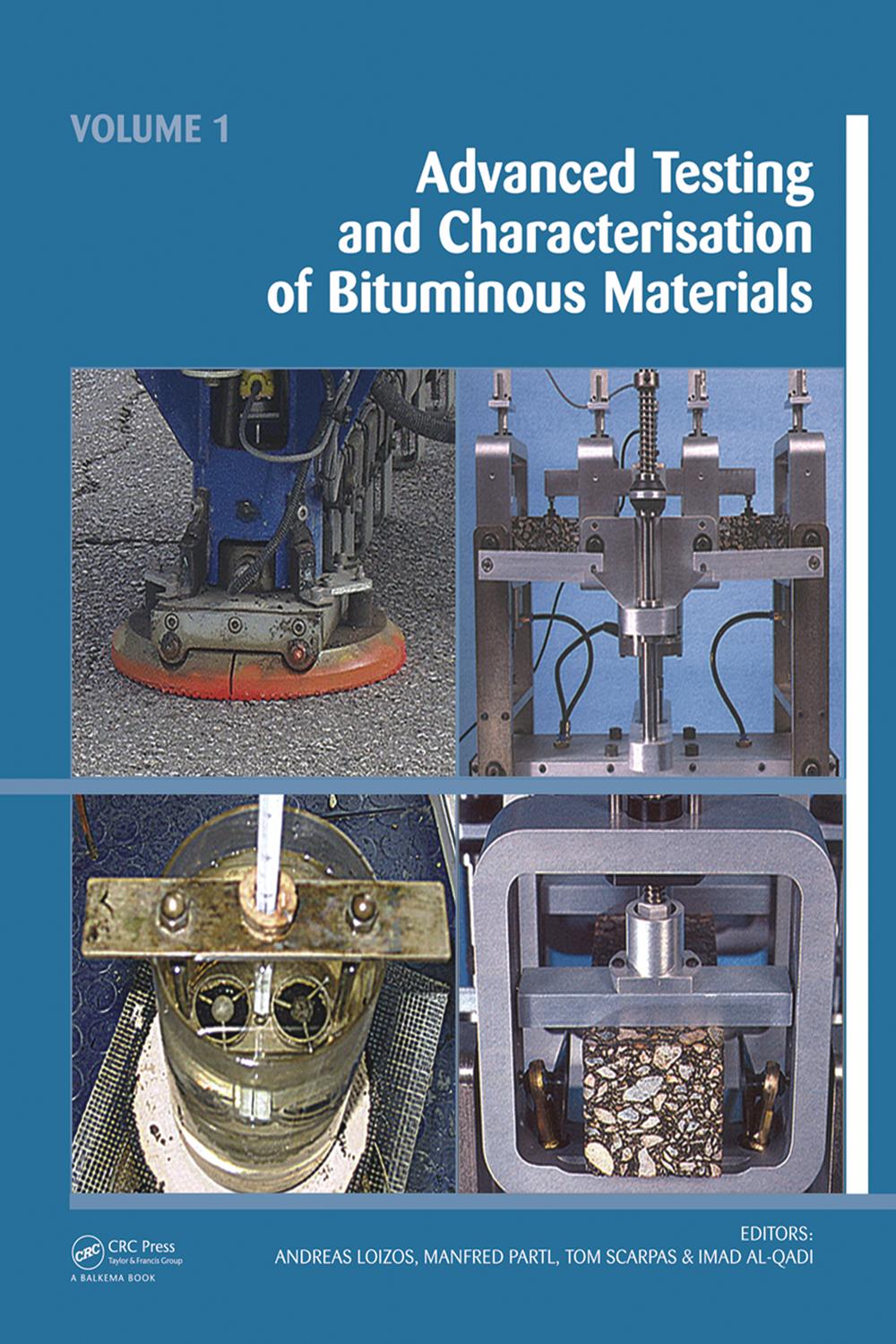
دانلود کتاب آزمایش و توصیف پیشرفته مواد قیری، دو جلدی، ۲۰۰۹ (Advanced Testing and Characterization of Bituminous Materials, Two Volume Set 2009) با لینک مستقیم و فرمت pdf (پی دی اف)
| نویسنده |
Andreas Loizos, Manfred N. Partl, Tom Scarpas, Imad L Al-Qadi, Andreas Loizos, Manfred N. Partl, Tom Scarpas, Imad L. Al-Qadi |
|---|

۳۰ هزار تومان تخفیف با کد «OFF30» برای اولین خرید
| سال انتشار |
2009 |
|---|---|
| زبان |
English |
| تعداد صفحهها |
1318 |
| نوع فایل |
|
| حجم |
45 Mb |
🏷️ 200,000 تومان قیمت اصلی: 200,000 تومان بود.129,000 تومانقیمت فعلی: 129,000 تومان.
🏷️
378,000 تومان
قیمت اصلی: ۳۷۸٬۰۰۰ تومان بود.
298,000 تومان
قیمت فعلی: ۲۹۸٬۰۰۰ تومان.
مواد قیری برای ساخت جاده های بادوام که شرایط محیطی متنوع را تحمل می کنند، استفاده می شوند. با این حال، به دلیل پیچیدگی و کمبود جهانی این مواد، طراحی و توسعه فنی آنها با چالش هایی همراه است. آزمایش و مشخصه یابی پیشرفته مواد قیری بر آزمایش های بنیادی و عملکردی تمرکز دارد.
۱. جلد رویی
۲. فهرست مندرجات
۳. پیشگفتار
۴. سازماندهی
۵. ارزیابی خواص قیر اصلاحشده (Binder)
۶. مطالعه آزمایشگاهی چسبندگی بین لایهها با استفاده از پوششهای آغشتهسازی کاتیونی
۷. عوامل مؤثر بر خواص قیر آسفالتی بازیافتشده: یک مطالعه نظری و تجربی
۸. تأثیر رفتار دمای پایین PmB بر طول عمر
۹. تأثیر افزودنیهای پلیمر دانهای بر کیفیت آسفالت
۱۰. تعیین زاویه فاز و ارتباطات متقابل در مواد قیری
۱۱. ارزیابی عملکرد اولیه روسازی در ارتباط با آزمایشهای مختلف قیر
۱۲. مطالعه آزمایشگاهی عملکرد زیستمحیطی قیرها به روش کروماتوگرافی گازی فضای فوقانی
۱۳. آزمون خستگی جدید بر روی قیرها و ماستیکهای قیری با استفاده از یک نمونه اولیه رئومتر برشی حلقوی و انتشار امواج
۱۴. اشکال عملکردی برای تجزیه و تحلیل منحنی اصلی مواد قیری
۱۵. طیفهای ویسکوالاستیک خطی قیرهای آسفالتی از DSR و BBR
۱۶. تجزیه و تحلیل مؤلفههای اصلی دادههای رئولوژیکی و سختشوندگی از قیرهای قیری
۱۷. ارزیابی رئولوژیکی و عملکردی تعاملات بین قیر و لاستیک
۱۸. یک رویکرد ترمودینامیکی برای ترمیم در قیر
۱۹. نانو رس برای اصلاح قیر مخلوطهای آسفالتی
۲۰. بررسی اصول اولیه فازهای متعدد در مواد قیری: مورد انباشتگی آسفالتن
۲۱. مورفولوژی قیر اصلاح شده SBS در قیرها و مخلوط آسفالت
۲۲. آزمایش و مدلسازی تأثیرات آب و هوا و پیری
۲۳. توسعه یک روش آزمایش برای تسریع پیری مخلوطهای قیری در آزمایشگاه
۲۴. مشخصهیابی شیمیایی پیری قیر آزمایشگاهی و میدانی در بتن آسفالتی متخلخل
۲۵. تأثیر دما و پیری بر عملکرد خستگی آزمایشگاهی مخلوطهای آسفالتی
۲۶. پیری پلیمر SBS در پوششهای قیری گرم و سرد. ارتباط بین ریزساختار و عملکردها: خواص دمای پایین و چسبندگی
۲۷. تأثیر چرخههای یخزدن و آبشدن بر عملکرد مخلوط آسفالت بر اساس نفوذپذیری
۲۸. تدوین گرادیانهای دمایی معتبر برای یک فرایند طراحی تحلیلی روسازیهای انعطافپذیر با استفاده از تکنیکهای آماری
۲۹. ارزیابی عملکرد درزگیر گرم ژلهای آمادهشده در آب و هوای سرد
۳۰. رفتار سختشدگی ناشی از پیری مواد تثبیتشده قیری
۳۱. بررسی خواص اصطکاکی سطوح مختلف جاده مؤثر بر ایمنی راه
۳۲. تجزیه و تحلیل تجربی و عددی ترکیبی از نفوذ رطوبت در آزمایش اصلاحشده لوتمن
۳۳. ارزیابی اثر رطوبت بر روی مخلوطهای درجهبندی باز با استفاده از حساسیت به آب و آزمایش کانتابرو پس از غوطهوری
۳۴. آسیب رطوبتی بر روی مواد تثبیتشده قیری با استفاده از دستگاه MIST
۳۵. تعیین کاهش تدریجی ظرفیت باربری روسازی انعطافپذیر
۳۶. آزمایش رفتار دمای پایین مخلوطهای آسفالتی در آزمایش خزش خمشی
۳۷. اثر اندازه تیر بر روی سختی خزش مخلوطهای آسفالتی در دماهای پایین
۳۸. ارزیابی حساسیت به آب مخلوطهای لاستیک آسفالت برای لایه رویه
۳۹. توسعه یک پروتکل پیری مخلوطهای قیری آزمایشگاهی
۴۰. مشخصهیابی و طراحی مخلوطهای قیری گرم
۴۱. سرعت بارگذاری بهینه برای آزمایش مقاومت در برابر تغییر شکل مخلوطهای قیر
۴۲. الگوریتمهای پیشرفته برای استخراج پارامترهای مواد از آزمایشهای فشار سه محوری چرخهای روی نمونه آسفالت
۴۳. قابلیت اطمینان و مناسب بودن برای استانداردسازی روشهای اندازهگیری تراکم HMA: بررسی تجربی تغییرات عرضی در مقابل طولی
۴۴. تحقیق در مورد هماهنگسازی تغییر شکل بین حسگر کرنش فیبر براگ گریتینگ و مخلوط آسفالت
۴۵. تأثیر تیمارها بر ویژگیهای سطحی مصالح سنگی
۴۶. طرح اختلاط بتن آسفالتی متخلخل تزریقی برای لایههای رویه
۴۷. “روانشدگی” آسفالت ناشی از بارگذاری چرخهای، به عنوان یک دلیل بالقوه برای شیارشدگی شدید
۴۸. بررسی تجربی خواص دینامیکی بتن آسفالتی با استفاده از فیلر با آهک هیدراته پسماند
۴۹. نظارت و طراحی لایههای رویه عرشههای فولادی ارتوتروپیک در طول آزمایش خمشی پنج نقطهای
۵۰. ارزیابی قیر اصلاحشده، بتن آسفالتی مدول بالا و مش فولادی به عنوان مصالح برای بهسازی راه
۵۱. بررسی نظری توزیع تنش در یک نمونه IDT دومدولار
۵۲. بررسی واکنش قلیایی سیلیسی در مخلوطهای آسفالتی در معرض محلول یخزدای استات پتاسیم
۵۳. آزمایشهای آزمایشگاهی مورد استفاده در کوبا به عنوان یک کشور با منابع مالی کم برای ارزیابی خواص مکانیکی مخلوط آسفالت
۵۴. اصلاح قیر با الیاف پلیپروپیلن با استفاده از وسایل مکانیکی و نوری
۵۵. ارزیابی اثر خاک آلوده به نفت بر خواص بتن آسفالتی گرم با استفاده از مدول دینامیکی |E*| و آزمایشهای کشش غیرمستقیم
۵۶. مروری بر تحقیقات مزومکانیکی LOT در مورد کندهشدن آسفالت متخلخل
۵۷. نظارت بر معرفی Enrobé à Module Élevé کلاس ۲ در جادههای انگلستان
۵۸. در مورد خواص شکست مخلوط آسفالت اپوکسی با آزمایش SCB
۵۹. پاسخ ویسکوالاستیک مخلوطهای آسفالت-مصالح به شرایط محصورکننده گذرا
۶۰. ارزیابی خزش مخلوط آسفالت لاستیکی در مقایسه با آسفالت گرم معمولی
۶۱. تعیین مشخصات رفتار تغییر شکل حجمی مواد ماسه قیری طبیعی
۶۲. مواد جایگزین برای مخلوط آسفالت – سربارههای فولادی
۶۳. ارزیابی عملکرد برشی مخلوط آسفالت از طریق آزمایش برش سه محوری
۶۴. توسعه یک آزمایش کشش مستقیم استخوان سگی (DBDT) برای بتن آسفالتی
۶۵. ارزیابی پارامترهای درجهبندی عملکرد برای قیرها و مخلوطهای آسفالت اصلاحشده با لاستیک خردهای
۶۶. مشخصهیابی مخلوطهای قیری گرم و سرد
۶۷. روش طراحی برای مخلوطهای امولسیونی سرد و گرم بر اساس پیوندها بین آزمایشگاه و میدان
۶۸. ارزیابی خواص اساسی بتن آسفالتی گرم اصلاحشده با مونومر استایرن
۶۹. ارزیابی استفاده از مومهای مصنوعی در آسفالت مخلوط گرم
۷۰. مطالعه رفتار مکانیکی ماسه-امولسیونها با استفاده از آزمایشهای سه محوری
۷۱. ارزیابی عملکردی مبتنی بر عملکرد آزمایشگاهی آسفالتهای نیمهگرم با نرخ بازیافت بالا با استفاده از رویکرد طراحی آزمایش فاکتوریل
۷۲. ارزیابی رفتار رئولوژیکی قیرهای اصلاحشده آسفالت مخلوط گرم (WMA).
۷۳. فهرست نویسندگان
۷۴. فهرست مندرجات
۷۵. پیشگفتار
۷۶. سازماندهی
۷۷. ترکخوردگی در مواد روسازی قیری
۷۸. مدلسازی انتشار ترکخوردگی از بالا به پایین (TDC) در روسازیهای بتن آسفالتی با استفاده از نظریه مکانیک شکست
۷۹. دستگاه ترکخوردگی با کنترل دما برای شناسایی آزمایشگاهی عملکرد مواد جاده
۸۰. ترکخوردگی حالت II در بتن آسفالتی
۸۱. مطالعه تجربی در مورد مقاومت در برابر ترکخوردگی مخلوطهای قیری با استفاده از آزمایش Fénix
۸۲. اثرات خستگی در آزمایش تنش کششی چرخهای تک محوری: پیوند بین کاهش سختی و تجمع کرنشهای غیرقابل برگشت
۸۳. مطالعه تجربی اثر شکل موج بر خستگی مخلوطهای آسفالتی
۸۴. بررسی تجربی انتشار ترک در بتن آسفالتی
۸۵. تجزیه و تحلیل نظری آزمایش خمش ۴ نقطهای
۸۶. بررسی مدل PH به عنوان یک ابزار پیشبینی در آزمایشهای خمش خستگی با دورههای استراحت
۸۷. رفتار خستگی قیر در حالت بارگذاری کشش-فشار: تجزیه و تحلیل رئولوژیکی و مقایسه با خستگی مخلوط
۸۸. ترکخوردگی حالت مختلط در بتن آسفالتی
۸۹. خطوط خستگی برای مخلوطهای آسفالتی مورد استفاده در لایه رویه
۹۰. مکانیسم رشد ترک خستگی و رفتار شکست در جادههای قیری
۹۱. مدلسازی سادهشده عملکرد خستگی روسازیهای ALF با استفاده از مدلسازی VECD+۳-D اجزای محدود
۹۲. بررسی اثر اندازه بر شکست بتن آسفالتی با استفاده از مدل المان مجزای نرمکننده چسبنده
۹۳. روشهای و مدلهای آزمایشگاهی اساسی
۹۴. در مورد اهمیت انجام آزمایشهای مشخصهیابی دقیق مواد برای مواد قیری
۹۵. پیشبینی خطر شیارشدگی بتن قیری با استفاده از مدول مختلط
۹۶. کاربرد مدلسازی سادهشده VECD در پیشبینی عمر خستگی مخلوطهای بتن آسفالتی
۹۷. مشاهده تجربی ویژگیهای مخلوط آسفالت در محدوده دماهای پایین
۹۸. کالیبراسیون و اعتبارسنجی یک مدل سازنده ویسکو-الاستو-پلاستیک برای کنگلومراهای قیری
۹۹. اندازهگیری مدول: امکانات استانداردسازی اروپایی
۱۰۰. تأثیر شکل نمونه بر نتایج آزمایش کشش تک محوری
۱۰۱. تجربه با سیستمهای بارگذاری سه محوری برای آزمایش مصالح ساختمانی راه
۱۰۲. تخمین مدول دینامیکی مخلوط آسفالت از نتایج آزمایش خزش
۱۰۳. کاربرد یک مفهوم طراحی مخلوط متوازن برای مخلوطهای روکش آسفالتی نازک: به حداقل رساندن شیارشدگی و ترکخوردگی انعکاسی
۱۰۴. مدلسازی المان محدود سه بعدی مخلوطهای لایه اساس آسفالت اصلاحشده با پلیمر
۱۰۵. شبکههای عصبی در رئولوژی: نظریه و کاربرد
۱۰۶. روشهای و مدلهای آزمایش برای تغییر شکل دائمی
۱۰۷. رفتار تغییر شکل دائمی مخلوطهای قیری حاوی مصالح سنگی خاکستر ته کوره زبالهسوز تحت شرایط آزمایش تک محوری
۱۰۸. یک روش آزمایش مرتبط با عملکرد جدید برای پیشبینی شیارشدگی: MSCRT
۱۰۹. تأثیر نوع قیر بر مقاومت در برابر تغییر شکل دائمی مخلوط آسفالت در دماهای مختلف
۱۱۰. ارزیابی شیارشدگی قیرها و مخلوطهای آسفالتی
۱۱۱. یک رویکرد یکپارچه برای مدلسازی شیارشدگی روسازیهای انعطافپذیر
۱۱۲. دمای معادل ویسکوز بر اساس ویسکوزیته برش پایین: ارزیابی به عنوان نشانگر قیر برای شیارشدگی و بحث انتقادی در مورد روش آزمایش
۱۱۳. تأثیر خواص حجمی مخلوط بتن آسفالتی بر شیارشدگی مسیر چرخ با توجه به روشهای آزمایش شیارشدگی EN و BS
۱۱۴. مقاومت در برابر شیارشدگی SMA تعیینشده با آزمایشهای سه محوری و مسیر چرخ
۱۱۵. مقاومت در برابر شیارشدگی بتنهای آسفالتی با درجهبندی مصالح سنگی مختلف
۱۱۶. روشهای میدانی برای ارزیابی رفتار سازهای
۱۱۷. شناسایی آسیب در روسازیهای انعطافپذیر با استفاده از تکنیک FWD
۱۱۸. رویکرد دینامیکی برای ارزیابی ظرفیت باربری و پایداری روسازیهای انعطافپذیر با دستگاه سقوط وزنه
۱۱۹. رفتار روسازیهای آسفالتی در معرض وسایل نقلیه سنگین غیر استاندارد
۱۲۰. رفتار میدانی مصالح روسازی قیری فومدار
۱۲۱. ارزیابی ترکخوردگی در روکشها در کبک: یک مطالعه موردی
۱۲۲. بازیافت مواد روسازی قیری
۱۲۳. استفاده از فیلر ضایعات تولید مصالح سنگی در بهینهسازی مخلوط بازیافت سرد
۱۲۴. بازسازی یک بزرگراه ایتالیایی با تکنیکهای بازیافت سرد درجا
۱۲۵. ارزیابی انرژی شکست مخلوطهای بازیافت سرد درجا
۱۲۶. استفاده از مصالح حاشیهای در ساختوساز جاده: پیشنهاد یک مقطع سازگار با محیط زیست
۱۲۷. تأثیر فیلر فعال، زمان عملآوری و میزان رطوبت بر خواص استحکام مخلوط تثبیتشده با امولسیون و قیر فومدار
۱۲۸. یک مطالعه تجربی در مورد بازیافت پودر آتشنشانی در مخلوطهای قیری
۱۲۹. ویژگیهای کلیدی مواد تثبیتشده با قیر فومدار
۱۳۰. بازیافت سرد آسفالت در کارخانه در بازسازی پروژه بزرگراه بابایی
۱۳۱. سنتز ابتکارات تحقیقاتی هماهنگ بینالمللی
۱۳۲. آزمون بین آزمایشگاهی RILEM در مورد چسبندگی بین لایهای روسازیهای آسفالتی
۱۳۳. آزمون بین آزمایشگاهی RILEM در مورد پیشبینی و ارزیابی عملکرد روسازی
۱۳۴. آزمایشهای جدید برای قیرهای اصلاحشده با پلیمر: نتایج یک آزمایش دورهای بلژیکی
۱۳۵. آزمایش مقایسهای در مورد آزمایش مدول کشش غیرمستقیم
۱۳۶. خواص خستگی قیر و نتایج آزمایش دورهای Rilem
۱۳۷. موضوعات دیگر
۱۳۸. قابلیت مقاومت در برابر لغزش دو باند فرودگاه تازه روکششده در اسرائیل
۱۳۹. تحمل ریختن مواد شیمیایی آسفالتهای گرم: تحقیقات جدید و شناسایی شکافها
۱۴۰. نتیجه تجزیه و تحلیل عددی اثربخشی ژئوگریدها بر تغییر شکلهای عمودی و افقی روسازیهای تقویتشده
۱۴۱. هزینههای چرخه عمر تکنیکهای معمول بهسازی روسازی آسفالت در کلرادو
۱۴۲. عملکرد سطح آسفالت گرم تحت پیکربندی چرخ فرود هواپیما با فشار تایر بالا در مرکز ملی آزمایش روسازی فرودگاه FAA
۱۴۳. تعیین کمی هزینههای بزرگراه به عنوان تابعی از ترافیک جاده و سرعت
۱۴۴. فهرست نویسندگان
۱۴۵. جلد پشتی
“دامیز”
Bituminous materials are used to build durable roads that sustain diverse environmental conditions. However, due to their complexity and a global shortage of these materials, their design and technical development present several challenges. Advanced Testing and Characterisation of Bituminous Materials focuses on fundamental and performance testing
1. Front cover
2. Table of contents
3. Preface
4. Organization
1. Evaluation of binder properties
6. Laboratory study on interlayer bonding using cationic tack coats
7. Factors affecting recovered asphalt binder properties: A theoretical and experimental study
8. Influence of low temperature behaviour of PmB on life cycle
9. Influence of granular polymer additives on the asphalt quality
10. Phase angle determination and interrelationships within bituminous materials
11. Evaluation of initial road performance correlating with different tests of binders
12. Laboratory study of environmental performance of binders by headspace gas chromatography
13. New fatigue test on bituminous binders and mastics using an annular shear rheometer prototype and waves propagation
14. Functional forms for master curve analysis of bituminous materials
15. Linear viscoelastic spectra of asphalt binders from DSR and BBR
16. Principal component analysis of rheological and hardening data from bituminous binders
17. Rheological and functional evaluation of the interactions between bitumen and rubber
18. A thermodynamic approach to healing in bitumen
19. Nanoclay for binder modification of asphalt mixtures
20. First-principles investigation of the multiple phases in bituminous materials: The case of asphaltene stacking
21. The morphology of SBS modified bitumen in binders and in asphalt mix
2. Testing and modeling the influence of climate and ageing effects
23. Developing a test method for the accelerated ageing of bituminous mixtures in the laboratory
24. Chemical characterization of laboratory and field bitumen aging in Porous Asphalt Concrete
25. Influence of temperature and aging on laboratory fatigue performance of asphalt mixtures
26. Aging of SBS polymer in hot and cold bituminous coatings. Relationship between microstructure and performances: Low temperature and cohesion properties
27. Impact of freeze-thaw cycles on the performance of asphalt mixture based permeability
28. Formulation of authoritative temperature gradients for an analytical design process of flexible pavements using statistical techniques
29. Performance evaluation of prepared gelled hot sealant in cold climates
30. Age hardening behaviour of bituminous stabilized materials
31. Investigation of friction properties of various road surfaces affecting road safety
32. Combined experimental and numerical analysis of moisture infiltration in the modified Lottman test
33. Assessment of moisture effect on open graded mixes using water sensitivity and Cántabro after immersion tests
34. Moisture damage on bituminous stabilized materials using a MIST device
35. Determination of gradual reduction of the flexible pavement bearing capacity
36. Testing of low temperature behaviour of asphalt mixtures in bending creep test
37. Effect of beam size on the creep stiffness of asphalt mixtures at low temperatures
38. Assessment of water sensitivity of asphalt rubber mixtures for wearing course
39. Development of a laboratory bituminous mixtures ageing protocol
3. Hot bituminous mixtures characterization and design
41. Optimum loading speed for deformation strength test of bitumen mixtures
42. Enhanced algorithms for the derivation of material parameters from triaxial cyclic compression tests on asphalt specimen
43. Reliability and suitability for standardization of methods for HMA density measurements: Experimental investigation on transve se vs longitudinal variations
44. Research on coordinating deformation between Fiber Bragg Grating strain sensor and asphalt mixture
45. Influence of treatments on the surface characteristics of aggregate
46. Mix design of grouted porous asphalt concrete for wearing course layers
47. “Liquefaction” of asphalt caused by cyclic loading, as a potential reason of extreme rutting
48. Experimental investigation on the dynamic properties of asphalt concrete using filler with waste hydrated lime
49. Monitoring and designing of wearing courses for orthotropic steel decks throughout the five-point bending test
50. Evaluation of modified bitumen, High Modulus Asphalt Concrete and steel mesh as materials for road upgrading
51. Theoretical investigation of the stress distribution in a Bimodular IDT specimen
52. Investigation of Alkali-Silica Reaction in asphalt mixtures exposed to potassium acetate deicing solution
53. Laboratory tests used in Cuba as low financial resources country for the evaluation of the mechanical properties of the asphal mix
54. Polypropylene fiber modification of asphalt by using mechanical and optical means
55. Evaluation of Petroleum-Contaminated Soil effect on the properties of hot-mix asphalt concrete using dynamic modulus |E*| and indirect tensile tests
56. Overview of the LOT meso mechanical research into porous asphalt raveling
57. Monitoring the introduction of Enrobé à Module Élevé class 2 onto UK roads
58. On the fracture properties of epoxy asphalt mixture with SCB test
59. Viscoelastic response of asphalt-aggregate mixes to transient confining conditions
60. Evaluation of creep compliance of rubberized asphalt in compare with conventional hot mix asphalt
61. Characterizing volumetric deformation behavior of naturally occurring bituminous sand materials
62. Alternative materials for asphalt mixture—steel slags
63. Evaluation on the shear performance of asphalt mixture through triaxial shear test
64. Development of a Dog-Bone Direct Tension Test (DBDT) for asphalt concrete
65. Evaluation of performance grading parameters for crumb rubber modified asphalt binders and mixtures
4. Warm and cold bituminous mixtures characterization
67. Design method for cold and warm emulsion mixtures based on links between laboratory and field
68. Fundamental property evaluation of styrene monomer modified warm-mix asphalt concrete
69. An evaluation of use of synthetic waxes in warm mix asphalt
70. Study of the mechanical behaviour of gravel-emulsions using triaxial tests
71. Laboratory performance-based assessment of half-warm mix asphalts with high recycling rate by means of the factorial experimen design approach
72. Evaluation of the rheological behaviour of Warm Mix Asphalt (WMA) modified binders
73. Author index
74. Table of contents
75. Preface
76. Organization
5. Cracking in bituminous pavement materials
78. Modeling of Top-Down Cracking (TDC) propagation in asphalt concrete pavements using fracture mechanics theory
79. The cracking device with temperature control for the laboratory identification of the road material performance
80. Mode II cracking in asphalt concrete
81. Experimental study on resistance to cracking of bituminous mixtures using the Fénix test
82. Fatigue effects in uniaxial cyclic tensile stress test: The link between stiffness decrease and accumulation of irreversible s rain
83. Experimental study of the waveform shape effect on asphalt mixes fatigue
84. Experimental investigation of crack propagation in asphalt concrete
85. Theoretical analysis of the 4 point bending test
86. Investigation of the PH model as a prediction tool in fatigue bending tests with rest periods
87. Fatigue behaviour of bitumen in tension-compression loading mode: Rheological analysis and comparison with mix fatigue
88. Mixed-mode cracking in asphalt concrete
89. Fatigue lines for asphalt mixtures used in wearing course
90. Mechanism of fatigue crack growth and fracture behavior in bituminous roads
91. Simplified fatigue performance modeling of ALF pavements using VECD+3-D Finite Element Modeling
92. Size effect investigation on fracturing of asphalt concrete using the cohesive softening Discrete Element Model
6. Fundamental laboratory test methods and models
94. On the importance of performing accurate material characterization tests for bituminous materials
95. Prediction of rutting risk of bituminous concrete using complex modulus
96. Application of simplified VECD modeling to the fatigue life prediction of asphalt concrete mixtures
97. Experimental observation of asphalt mix characteristics in the range of low temperatures
98. Calibration and validation of a visco-elasto-plastic constitutive model for bituminous conglomerates
99. Modulus measurement: European standardisation possibilities
100. The influence of the specimen shape on the results of the uniaxial tensile test
101. Experience with triaxial loading systems for the testing of road construction materials
102. The estimation of the dynamic modulus of asphalt mixture from creep test results
103. Application of a balanced mix-design concept to thin asphalt overlay mixes: Minimizing rutting and reflective-cracking
104. 3D finite element modeling of polymer modified asphalt base course mixes
105. Neural networks in rheology: Theory and application
7. Test methods and models for permanent deformation
107. Permanent deformation behaviour of bituminous mixtures containing incinerator bottom ash aggregates under uniaxial testing conditions
108. A new performance related test method for rutting prediction: MSCRT
109. Effect of binder type on the permanent deformation resistance of asphalt mix at different temperatures
110. Rutting evaluation of asphalt binders and mixes
111. An integrated approach to modeling rutting of flexible pavements
112. Equiviscous temperature based on Low Shear Viscosity: Evaluation as binder indicator for rutting and critical discussion of the test procedure
113. The effect of volumetric properties of asphalt concrete mixture to wheel track rutting with respect to EN and BS rutting test methods
114. Rutting resistance of SMA determined with triaxial and wheel-tracking tests
115. Rut resistance of asphalt concretes of different aggregate gradation
8. Field methods for structural behavior assessment
117. Damage identification in flexible pavements using FWD technique
118. Dynamic approach for the evaluation of the load carrying capacity and stability of flexible pavements with the Falling Weight Deflectometer
119. Behavior of asphalt pavements subjected to non-standard heavy vehicles
120. Field behavior of foamed bitumen pavement material
121. Evaluation of cracking in overlays in Quebec: A case study
9. Recycling of bituminous pavement materials
123. Utilization of aggregate production waste filler in cold recycling mix optimization
124. Rehabilitation of an Italian highway by Cold In-Place Recycling techniques
125. Fracture energy evaluation of Cold In-Place Recycling mixtures
126. The use of marginal materials in road constructions: Proposal of an eco-compatible section
127. Influence of active filler, curing time, and moisture content on the strength properties of emulsion and foamed bitumen stabilized mix
128. An experimental study on the recycling of powder extinguishers into bituminous mixtures
129. Key characteristics of materials stabilised with foamed bitumen
130. In-plant aspalt cold recycling in rehabilitation of Babaei expressway project
10. Synthesis of international coordinated research initiatives
132. RILEM interlaboratory test on interlayer bonding of asphalt pavements
133. RILEM interlaboratory test on pavement performance prediction and evaluation
134. New tests for polymer-modified binders: Results of a Belgian round robin test
135. Comparative test on indirect tension modulus test
136. Binder fatigue properties and the results of the Rilem Round Robin Test
11. Other topics
138. Skid-resistance capability of two newly resurfaced runways in Israel
139. Chemical spill tolerance of hot mix asphalts: New research and gaps identification
140. Result of numerical analysis of efficacy geogrids on reinforced pavements’ vertical and horizontal deformations
141. Life cycle costs of typical asphalt pavement rehabilitation techniques in Colorado
142. Performance of hot mix asphalt surface under high tire pressure aircraft landing gear configuration at the FAA National Airport Pavement Test Facility
143. Quantification of the highway costs as a function of the road traffic and speed
144. Author index
145. Back cover
✨ ضمانت تجربه خوب مطالعه
در صورت مشکل، مبلغ پرداختی بازگردانده می شود.
دانلود فایل کتاب با سرعت بالا
دانلود مستقیم به همراه ارسال فایل به ایمیل.
با چت آنلاین و پیامرسان ها پاسخگو هستیم.
کتاب ها را از منابع معتیر انتخاب می کنیم.

 هوشمصنوعی ترجمه کالیبو