Sale
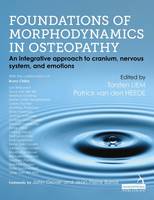
دانلود کتاب مبانی مورفودینامیک در استئوپاتی ۲۰۱۷ (Foundations of Morphodynamics in Osteopathy 2017) با لینک مستقیم و فرمت pdf (پی دی اف) و ترجمه فارسی
| نویسنده |
Torsten Liem, Patrick van den Heede |
|---|

۳۰ هزار تومان تخفیف با کد «OFF30» برای اولین خرید
| سال انتشار |
2017 |
|---|---|
| زبان |
English |
| تعداد صفحهها |
720 |
| نوع فایل |
|
| حجم |
51.7 MB |
🏷️ 200,000 تومان قیمت اصلی: 200,000 تومان بود.129,000 تومانقیمت فعلی: 129,000 تومان.
🏷️
378,000 تومان
قیمت اصلی: ۳۷۸٬۰۰۰ تومان بود.
298,000 تومان
قیمت فعلی: ۲۹۸٬۰۰۰ تومان.
این کتاب بر اهمیت توجه به نه تنها جسم فیزیکی بیمار، بلکه آگاهی درونی او نیز تاکید میکند. این کتاب آموزش میدهد که چگونه ویژگیهای انرژی بافتی را ارزیابی کرده و از این درک در مدیریت کلی بیمار استفاده کنید.
این اثر به بحث در مورد تعاملات بیوفیزیکی، نوروبیولوژیکی و روانشناختی و همچنین تعامل پویاییهای رشدی و تأثیرات اپیژنتیک بیشتر بر روی ارگانیسم میپردازد.
علاوه بر مکانیسم تنفسی اولیه، ریتمهای بیولوژیکی مختلف نقش مهمی در درمان استئوپاتیک ایفا میکنند. این کتاب به بررسی بینشهای جدیدی که از تحقیقات زمانزیستی (کرونوبیولوژی) و ریتم حاصل میشود، میپردازد.
تمام تمرینات استئوپاتیک بر پایه مبانی مفهومی استوار است. این کتاب با اذعان به اهمیت مبانی نظری در عمل استئوپاتی، استئوپاتی را در رابطه با توسعه پارادایمها در هنرهای شفابخشی و همچنین از دیدگاههای فلسفی مختلف – مانند پستمدرن، سیستم-نظری، گوتهای و پدیدارشناختی – مورد بحث قرار میدهد. این کتاب به طور کامل پویاییهای چندلایه توسعه انسانها در تعامل با محیط خود را بررسی میکند.
پیامدهای حاصل از این بررسی برای تعامل درمانی و همچنین اصول تشخیص و درمان، هسته اصلی این کتاب را تشکیل میدهد. این اصول اساسی سپس به طور خاص در حوزه جمجمه به کار گرفته میشوند. این بخش در درجه اول بر درمان مغز و همچنین پویاییهای رشدی روابط خط میانی، استخوانهای جمجمه، ساختارهای سختشامه، عروق و اعصاب مغزی تمرکز دارد.
۱. صفحه عنوان
۲. حق چاپ
۳. فهرست
۴. پیشگفتارها
۵. مقدمهها
۶. تقدیر و تشکر
۷. مشارکتکنندگان
۱ پارادایمهای شفابخشی
۲ ابژه استئوپاتیک – بارگذاری مجدد
۳ ریتمهای بیولوژیکی و اهمیت آنها در استئوپاتی
۴ اصول فیزیکی
۵ اصول نوروبیولوژیکی
۶ اثر نیروهای شکلدهنده و تنظیمی بر روی ارگانیسمهای زنده
۷ نیروهای تنظیمی در جنینشناسی
۸ نقش تنشهای مکانیکی در تکامل جنینی
۹ الگوهای تکاملی و سازماندهی انطباقی عملکرد بدن: چگونه بافت اطلاعات را به خاطر میسپارد
۱۰ جنین متجلی – جنین در ما
۱۱ دنیاهای تجربه پیش از تولد و حول تولد
۱۲ تکامل واحد ذهن-بدن-روح
۱۳ لمس به عنوان یک مداخله درمانی
۱۴ سلامتی چیست؟ بیماری چیست؟ ملاحظاتی در مورد یک مسئله پیچیده
۱۵ اختلال عملکرد سوماتیک و جبران
۱۶ ملاحظاتی در مورد اهمیت نظریه سیستمها برای تشخیص و درمان استئوپاتیک
۱۷ تجربه استئوپاتیک تکیهگاهها و ظهور سکون
۱۸ اصول تشخیص
۱۹ درمانگر و تعامل درمانی
۲۰ اصول درمان
۲۱ تبادل متقابل ریتمیک کامل طبق بکر
۲۲ خط میانی: توسعه و معرفی
۲۳ استخوان لامی و خط میانی قدامی
۲۴ بدن مایع
۲۵ بدنهای انرژی
۲۶ سیستم چاکرا مرتبط با پویاییهای پیش از تولد و حول تولد
۲۷ تکامل جمجمه و طرحی از پویاییهای رشد استخوانهای جمجمه
۲۸ تکنیکهای داخل استخوانی
۲۹ رویکردهای پویای تکاملی برای درمان سر، سختشامه، دیافراگم، گردن و قوسهای حلقی
۳۰ تکامل حواس: یک دیدگاه بیودینامیک
۳۱ مغز به عنوان یک میدان مورفوژنتیک
۳۲ ارزیابیهای استئوپاتیک مغز و نخاع
۳۳ درمان مغز
۳۴ درمان نخاع
۳۵ درمان سیستمهای عصبی خودمختار و محیطی
۳۶ الگوهای تکاملی و تأثیر بر سازماندهی بدن
۳۷ نظریه پلیواگال: یک مقدمه
۳۸ یک رویکرد استئوپاتیک برای درمان تروما و ادغام عاطفی
۴۶. فهرست نمایه
In 35 chapters written by the editors and a team of internationally renowned contributors, the book covers the underlying principles of osteopathic palpation from a biodynamic and ‘morphodynamic’ perspective, and their application in the cranial field and the spinal cord.
It emphasises the importance of considering not just the patient’s physical self, but also the inner consciousness. It teaches how to assess tissue-energy characteristics, and to use this understanding in managing the whole patient.
The work discusses biophysical, neurobiological and psychological interactions as well as the interplay of developmental dynamics and further epigenetic influences on the organism.
As well as the primary respiratory mechanism, various biological rhythms play an important role within osteopathic treatment; the book explores new insights that flow from chronobiology and rhythm research.
All osteopathic practice develops on conceptual foundations. Acknowledging the importance in the practice of osteopathy of such theoretical underpinning, the book discusses osteopathy with regard to the development of paradigms within the healing arts as well as from various philosophical viewpoints – such as postmodern, system-theoretical, Goethian and phenomenological. It examines thoroughly the multi-layered dynamics of development of human beings interacting with their environment.
The resulting implications for therapeutic interaction as well as principles of diagnosis and treatment form the core of the book. These fundamental principles are then specifically applied to the cranial sphere. This section focuses primarily on the treatment of the brain, as well as the developmental dynamics of the relations of the midline, cranial bones, dural structures, vessels and cranial nerves.
1. Title Page
2. Copyright
3. Contents
4. Forewords
5. Prefaces
6. Acknowledgements
7. Contributors
1 Paradigms of healing
2 The osteopathic object – reloaded
3 Biological rhythms and their significance in osteopathy
4 Physical principles
5 Neurobiological principles
6 The effect of formative and regulatory forces on living organisms
7 Regulative forces in embryology
8 Role of mechanical stresses in embryonic development
9 Developmental patterns and adaptive organization of body functioning: How tissue memorizes information
10 The Incarnating Embryo–The Embryo in us
11 Prenatal and perinatal worlds of experience
12 Evolution of the mind–body–spirit unit
13 Touch as a therapeutic intervention
14 What is health? What is disease? Thoughts on a complex issue
15 Somatic dysfunction and compensation
16 Thoughts on the significance of systems theory for osteopathic diagnosis and therapy
17 The osteopathic experience of fulcrums and the emergence of stillness
18 Principles of diagnosis
19 The practitioner and the therapeutic interaction
20 Treatment principles
21 Total rhythmic balanced interchange according to Becker
22 Midline: development and introduction
23 Hyoid bone and anterior midline
24 The fluid body
25 Energy bodies
26 Chakra system related to pre- and perinatal dynamics
27 Development of the cranium and an outline of the growth dynamics of cranial bones
28 Intraosseous techniques
29 Developmental dynamic approaches to treating the head, dura, diaphragm, neck, and pharyngeal arches
30 Development of the senses: a biodynamic perspective
31 The brain as a morphogenetic field
32 Osteopathic brain and spinal cord assessments
33 Treating the brain
34 Treating the spinal cord
35 Treating the autonomic and peripheral nervous systems
36 Developmental patterns and influence upon body organisation
37 Polyvagal theory: an introduction
38 An osteopathic approach to the treatment of trauma and emotional integration
46. Index
✨ ضمانت تجربه خوب مطالعه
در صورت مشکل، مبلغ پرداختی بازگردانده می شود.
دانلود فایل کتاب با سرعت بالا
دانلود مستقیم به همراه ارسال فایل به ایمیل.
با چت آنلاین و پیامرسان ها پاسخگو هستیم.
کتاب ها را از منابع معتیر انتخاب می کنیم.

 هوشمصنوعی ترجمه کالیبو