Sale
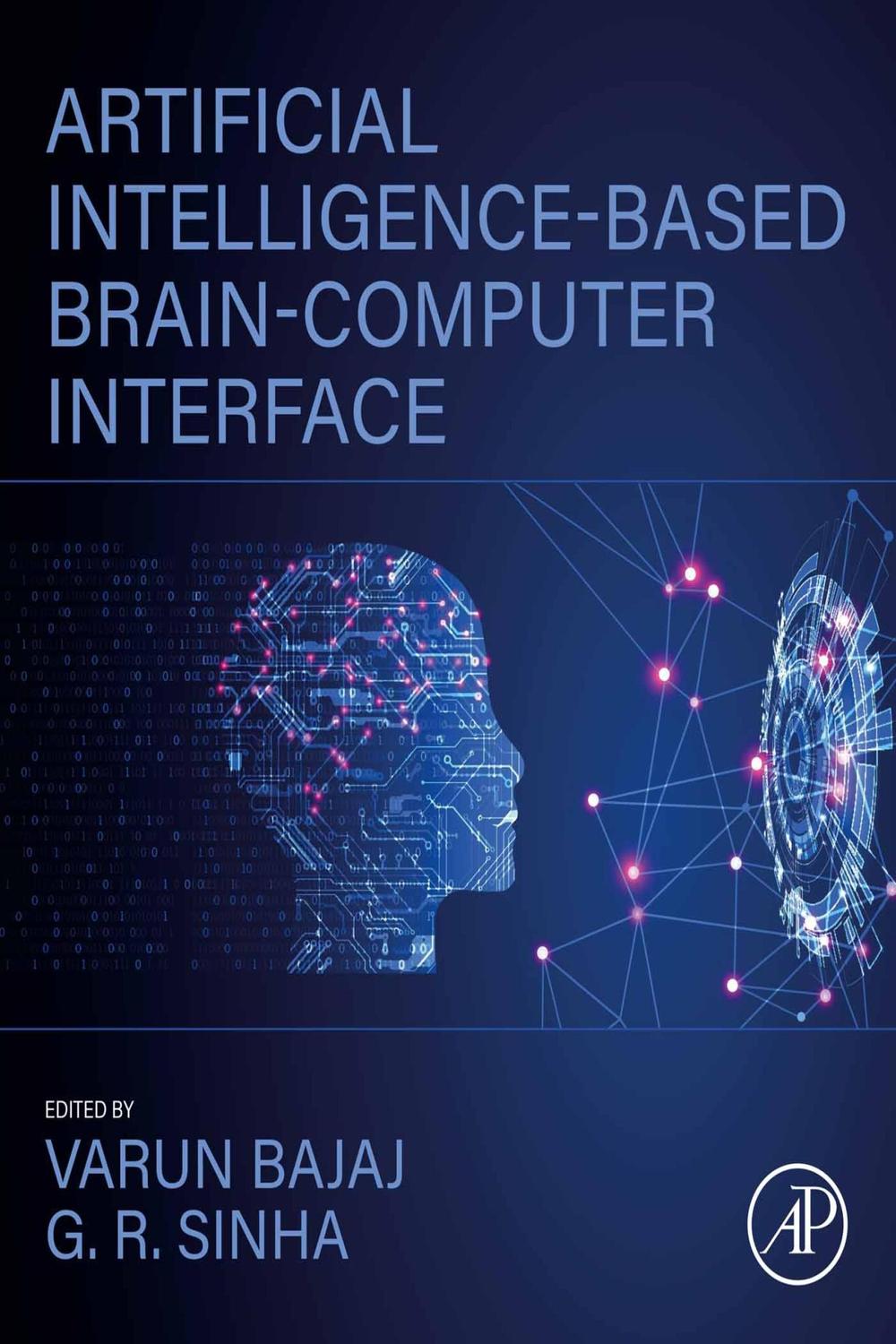
دانلود کتاب رابط مغز-کامپیوتر مبتنی بر هوش مصنوعی ۲۰۲۲ (Artificial Intelligence-Based Brain-Computer Interface 2022) با لینک مستقیم و فرمت pdf (پی دی اف) و ترجمه فارسی
| نویسنده |
Varun Bajaj, G. R. Sinha |
|---|

۳۰ هزار تومان تخفیف با کد «OFF30» برای اولین خرید
| سال انتشار |
2022 |
|---|---|
| زبان |
English |
| تعداد صفحهها |
392 |
| نوع فایل |
|
| حجم |
1.9 MB |
🏷️ 200,000 تومان قیمت اصلی: 200,000 تومان بود.129,000 تومانقیمت فعلی: 129,000 تومان.
🏷️
378,000 تومان
قیمت اصلی: ۳۷۸٬۰۰۰ تومان بود.
298,000 تومان
قیمت فعلی: ۲۹۸٬۰۰۰ تومان.
– به خوانندگان درک درستی از کاربردهای کلیدی هوش مصنوعی در رابط مغز و رایانه برای اکتساب و مدلسازی سیگنالهای زیستپزشکی غیرتهاجمی و روشهای تصویربرداری برای شرایط و اختلالات مختلف ارائه میدهد.
– پیشرفتهای اخیر هوش مصنوعی را در ارزیابی حجم زیادی از دادههای بالینی برای تشخیص زودهنگام اختلالاتی مانند صرع، الکلیسم، آپنه خواب، طبقهبندی وظایف تصویرسازی حرکتی و سایر موارد ادغام میکند.
– شامل مثالهای گویا در مورد نحوه استفاده از هوش مصنوعی در رابط مغز و رایانه، از جمله طیف گستردهای از مطالعات موردی در پیشبینی و طبقهبندی اختلالات عصبی است.
۱. رابط مغزی-رایانهای مبتنی بر هوش مصنوعی
۲. روی جلد
۳. صفحه عنوان
۴. حق چاپ
۵. فهرست مطالب
۶. مشارکتکنندگان
۱ طبقهبندی مراحل خواب چندگانه با استفاده از توزیع زمان-فرکانس مبتنی بر هوش مصنوعی و CNN
۲ مروری جامع بر روشهای رابط مغزی-رایانهای تصویرسازی حرکتی: چالشها و مسیرهای آینده
۳ رویکردی جدید برای استخراج ویژگی در سیستمهای BCI مبتنی بر MI
۴ ارزیابی تکنیکهای طیف توانی و یادگیری ماشین برای توسعه BCI خاص موضوع
۵ مفهوم هوش مصنوعی برای اکتساب و مدلسازی روشهای غیرتهاجمی برای BCI
۶ Bi-LSTM-deep CNN برای تشخیص اسکیزوفرنی با استفاده از تصاویر طیفی MSST از سیگنالهای EEG
۷ تشخیص اختلال تشنج صرع با استفاده از سیگنالهای EEG
۸ الگوریتم یادگیری عمیق سفارشی برای تشخیص خوابآلودگی با استفاده از سیگنال EEG تککاناله
۹ شبکه عصبی یادگیری عمیق مبتنی بر EEG برای تشخیص آپنه
۱۰ طبقهبندی حالات ذهنی از تبدیل ویولت اتساع منطقی و طبقهبندیکننده درخت تجمیعشده با استفاده از سیگنالهای EEG
۱۱ یک روش بهینهسازی فراابتکاری جدید برای تعیین فیلتر فضایی قوی و طبقهبندی وظایف تصویرسازی گفتار در رابط مغزی-رایانهای EEG
۱۲ تشخیص خمش انگشت مبتنی بر تجزیه حالت تغییرپذیر با استفاده از سیگنالهای ECoG
۱۳ بینشی در جنبههای سختافزاری و نرمافزاری یک سیستم BCI با تمرکز بر OTA با توان بسیار کم و فیلتر مبتنی بر Gm-C و بررسی دقیق تکنیکهای اخیر AI/ML
۱۴ تشخیص خودکار تومور مغزی مبتنی بر autoencoder عمیق از دادههای MRI
۱۵ اندازهگیری عملکرد برتر هوش ماشین در پیشبینی بیماری تومور مغزی
۲۲. فهرست نمایه
1. Artificial Intelligence-Based Brain-Computer Interface
2. Cover
3. Title Page
4. Copyright
5. Table of Contents
6. Contributors
1 Multiclass sleep stage classification using artificial intelligence based time-frequency distribution and CNN
2 A comprehensive review of the movement imaginary brain-computer interface methods: Challenges and future directions
3 A new approach to feature extraction in MI-based BCI systems
4 Evaluation of power spectral and machine learning techniques for the development of subject-specific BCI
5 Concept of AI for acquisition and modeling of noninvasive modalities for BCI
6 Bi-LSTM-deep CNN for schizophrenia detection using MSST-spectral images of EEG signals
7 Detection of epileptic seizure disorder using EEG signals
8 Customized deep learning algorithm for drowsiness detection using single-channel EEG signal
9 EEG-based deep learning neural net for apnea detection
10 Classification of mental states from rational dilation wavelet transform and bagged tree classifier using EEG signals
11 A novel metaheuristic optimization method for robust spatial filter designation and classification of speech imagery tasks in EEG Brain-Computer Interface
12 Variational mode decomposition-based finger flexion detection using ECoG signals
13 An insight into the hardware and software aspects of a BCI system with focus on ultra-low power bulk driven OTA and Gm-C based filter design, and a detailed review of the recent AI/ML techniques
14 Deep autoencoder-based automated brain tumor detection from MRI data
15 Measure the superior functionality of machine intelligence in brain tumor disease prediction
22. Index
✨ ضمانت تجربه خوب مطالعه
در صورت مشکل، مبلغ پرداختی بازگردانده می شود.
دانلود فایل کتاب با سرعت بالا
دانلود مستقیم به همراه ارسال فایل به ایمیل.
با چت آنلاین و پیامرسان ها پاسخگو هستیم.
کتاب ها را از منابع معتیر انتخاب می کنیم.

 هوشمصنوعی ترجمه کالیبو