Sale
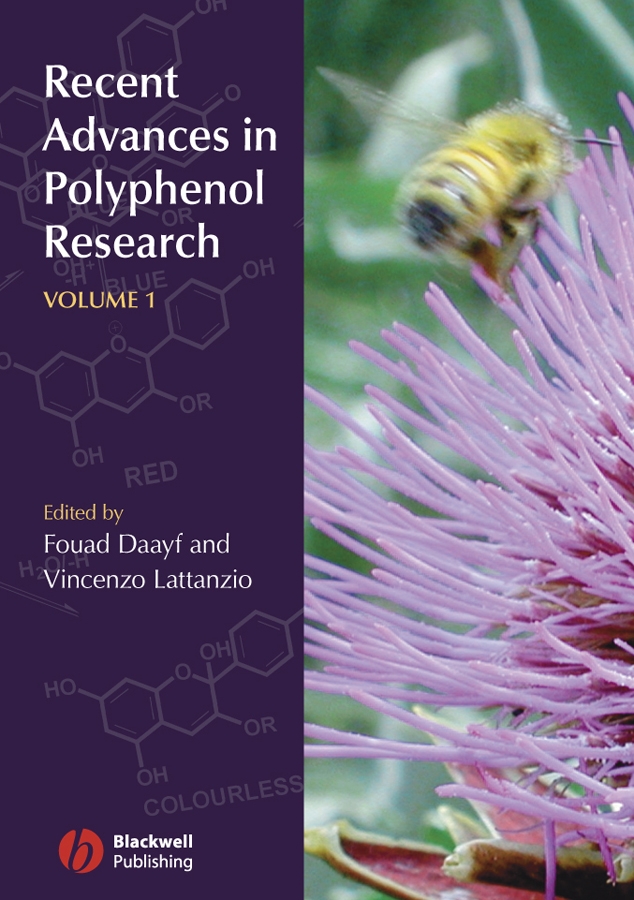
دانلود کتاب پیشرفتهای اخیر در پژوهشهای پلیفنول، جلد ۱ ۲۰۰۹ (Recent Advances in Polyphenol Research, Volume 1 2009) با لینک مستقیم و فرمت pdf (پی دی اف) و ترجمه فارسی
| نویسنده |
Fouad Daayf, Vincenzo Lattanzio |
|---|

۳۰ هزار تومان تخفیف با کد «OFF30» برای اولین خرید
| سال انتشار |
2009 |
|---|---|
| زبان |
English |
| تعداد صفحهها |
416 |
| نوع فایل |
|
| حجم |
98.1 MB |
🏷️ 200,000 تومان قیمت اصلی: 200,000 تومان بود.129,000 تومانقیمت فعلی: 129,000 تومان.
🏷️
378,000 تومان
قیمت اصلی: ۳۷۸٬۰۰۰ تومان بود.
298,000 تومان
قیمت فعلی: ۲۹۸٬۰۰۰ تومان.
این کتاب مهم، شیمی پلیفنول، بیوسنتز و دستکاری ژنتیکی، اکولوژی و فیزیولوژی گیاهی، جنبههای غذایی و تغذیهای و اثرات پلیفنولها بر سلامتی را پوشش میدهد. در این کتاب، فصلهای پیشرفتهای در مورد تنشهای زیستی و غیرزیستی در گیاهان، ایمنی و سمیت در غذاها، عملکرد و مزایای نوترکیب در تغذیه، و جنبههایی از کشف و توسعه دارویی و آرایشی ارائه شده است.
این کتاب برجسته که با حمایت “گروه پلیفنولها” منتشر شده، توسط پروفسور فواد دایف و پروفسور وینچنزو لاتانزیو ویرایش شده است. آنها فهرست چشمگیری از نویسندگان برجسته بینالمللی را گرد هم آوردهاند که هر کدام بررسی جامعی از وضعیت کنونی هر موضوع مهم تحت پوشش ارائه میدهند.
*پیشرفتهای اخیر در تحقیقات پلیفنول* یک اثر مهم است که برای شیمیدانان، بیوشیمیدانان، دانشمندان علوم گیاهی، فارماکوگنوزیستها و داروشناسان، دانشمندان علوم غذایی و متخصصان تغذیه بسیار مفید خواهد بود. کتابخانههای تمام دانشگاهها و موسسات تحقیقاتی که در آنها این موضوعات مورد مطالعه و تدریس قرار میگیرند، باید نسخههایی از این کتاب را در قفسههای خود داشته باشند.
۱. اهداکنندگان
۲. پیشگفتار
۳. فصل ۱ ترکیبات فنلی گیاهی – متابولیتهای ثانویه با عملکردهای متنوع
۱.۱ متابولیسم ثانویه در تعاملات بین گیاهان و محیط زیست آنها
۱.۲ عملکرد و استفاده از ترکیبات فنلی گیاهی
۱.۲.۱ ضدآفتابهای UV
۱.۲.۲ ترکیبات فنلی به عنوان ترکیبات سیگنال
۱.۲.۳ ترکیبات فنلی به عنوان رنگدانه
۱.۲.۴ ترکیبات فنلی و رشد گیاه
۱.۲.۵ ترکیبات فنلی و دفاع گیاه
۱.۲.۵.۱ پاتوژنهای قارچی
۱.۲.۵.۲ ترکیبات فنلی و تعاملات گیاه و حشرات
۱.۲.۶ ترکیبات فنلی گیاهی و سلامت
۱.۳ نکته
۱.۴ مراجع
۱۶. فصل ۲ لیگنیشدن: آیا لیگنینها از طریق شیمی ترکیبی ساده بیوسنتز میشوند یا از طریق کنترل پروتئینی و تکثیر الگو؟
۲.۱ مقدمه
۲.۲ نظریه فعلی
۲.۳ آیا نیاز به یک نظریه جدید وجود دارد؟
۲.۳.۱ فرضیه چالش (کنترل پروتئینی و تکثیر الگو)
۲.۳.۲ آیا فرضیه چالش به یک نظریه تبدیل شده است؟
۲.۴ آیا انتقادات از نظریه فعلی معتبر هستند؟
۲.۴.۱ لیگنیشدن به عنوان یک ناهنجاری بیوشیمیایی
۲.۴.۲ ناهنجاری فرکانس • • -اتری
۲.۴.۳ اتصالات “اجباری”؟
۲.۵ آیا مشکلی در فرضیه هدایتکننده وجود دارد؟
۲.۵.۱ جایگزینی مونومر
۲.۵.۱.۱ آیا جایگزینی مونومر رد شده است؟
۲.۵.۱.۲ انعطافپذیری لیگنیشدن: چه چیزی یک جایگزین مونولیگنول خوب میسازد؟
۲.۵.۲ “ساختار اولیه به خوبی تعریف شده”
۲.۵.۲.۱ تعیین توالی الیگومرهای لیگنین
۲.۵.۲.۲ توالیهای مستقل از مونومر
۲.۵.۲.۳ “نیاز فوری به تعیین توالی ساختار اولیه لیگنین”
۲.۵.۳ ماهیت راسمیک لیگنینها
۲.۵.۳.۱ مشکل “تعداد ایزومرها”
۲.۵.۴ نظرات در مورد تکثیر الگو
۲.۵.۵ شاخهدار شدن پلیمر
۲.۶ چرا فرضیه جدید مورد اختلاف نیست
۲.۷ آیا لیگنیشدن یک ناهنجاری بیوشیمیایی است؟
۲.۷.۱ دهیدرودیمریزاسیون فرولیک اسید ترکیبی است
۲.۷.۲ ساختار اولیه پلیساکاریدها مطلقا دیکته نمیشود
۲.۸ نظرات خلاصه در مورد فرضیه هدایتکننده/تکثیر
۲.۹ نتیجهگیریها
۲.۱۰ یادداشتها
۲.۱۱ مراجع
۴۶. فصل ۳ فرآیندهای اتصال فلاونوئید-پروتئین و تاثیر بالقوه آنها بر سلامت انسان
۳.۱ مقدمه
۳.۲ خواص شیمیایی مرتبط با بیولوژی فلاونوئیدها
۳.۳ فرآیندهای اتصال قبل از جذب
۳.۴ فرآیندهای اتصال دخیل در فراهمی زیستی فلاونوئید
۳.۴.۱ جذب و کونژوگاسیون
۳.۴.۲ انتقال در پلاسما
۳.۴.۳ توزیع بافتی و متابولیسم سلولی
۳.۵ فرآیندهای اتصال دخیل در اثرات بالقوه سلامتی فلاونوئیدها
۳.۵.۱ مهار آنزیمهای دخیل در تولید ROS
۳.۵.۲ تعدیل خواص ردوکس فلاونوئیدها با اتصال به پروتئینها
۳.۵.۳ مهار پروتئین کینازها
۳.۵.۴ مهار آنزیمهای سیتوکروم P۴۵۰
۳.۵.۵ تنظیم بیان ژن
۳.۶ نتیجهگیری
۳.۷ مراجع
۶۲. فصل ۴ روشهایی برای سنتز اپیکاتچینهای الیگومری مشتق شده از کاکائو – مشاهداتی در مورد فعالیت ضدسرطانی پلیفنولهای کاکائو
۴.۱ مقدمه
۴.۲ سنتز پروسیانیدینها
۴.۲.۱ خواص شیمیایی عمومی پروسیانیدینهای کاکائو
۴.۲.۲ کار سنتزی قبلی
۴.۲.۳ سنتز بلوکهای سازنده محافظت شده با بنزیل
۴.۲.۴ تشکیل پیوند بین فلاوانی با استفاده از بلوکهای سازنده محافظت شده با بنزیل
۴.۲.۵ تثبیت استریوشیمی پیوند بین فلاوانی
۴.۲.۶ پیشرفتهای بیشتر
۴.۳ فعالیت ضدسرطانی
۴.۴ تقدیر و تشکر
۴.۵ مراجع
۷۴. فصل ۵ کشف ژن و مهندسی متابولیک در مسیر فنیلپروپانوئید
۵.۱ مقدمه
۵.۲ بیوسنتز و عملکردهای ایزوفلاونها
۵.۳ منابع غذایی ایزوفلاونها
۵.۴ مهندسی متابولیک ایزوفلاونها
۵.۴.۱ مهندسی متابولیک با بیان نابجای IFS
۵.۴.۲ طراحی با کمک زیستشناسی ساختاری و مهندسی متابولیک با یک آنزیم IFS دو عملکردی مصنوعی
۵.۵ کشف ژن در مسیر بیوسنتزی پروانتوسیانیدین
۵.۵.۱ ژنهای ساختاری برای بیوسنتز PA
۵.۵.۲ ژنهای تنظیمی برای بیوسنتز PA
۵.۶ مهندسی متابولیک PA در گیاهان
۵.۷ گلیکوزیلترانسفرازها برای اصلاح ترکیبات فنیلپروپانوئیدی – بیوشیمی برونتنی و عملکرد درونتنی
۵.۷.۱ UGTهای فعال با ترکیبات فنلی غیر فلاونوئیدی
۵.۷.۲ گلیکوزیلاسیون ترکیبات فلاونوئیدی
۵.۷.۳ مشکلات مربوط به حاشیهنویسی عملکردی UGTها
۵.۸ استراتژیهای هماهنگ برای مهندسی متابولیک
۵.۹ مراجع
۵.۱۰ فهرست اختصارات ژنهای مسیر
۹۲. فصل ۶ پیشرفتهای اخیر در زیستشناسی مولکولی و مهندسی متابولیک بیوسنتز فلاونوئید در گیاهان زینتی
۶.۱ مقدمه
۶.۲ مهندسی متابولیک تولید فلاونوئید در گلها
۶.۲.۱ مهندسی رنگهای زرد گل
۶.۲.۲ مهندسی رنگهای آبی گل
۶.۳ الحاقات واکوئلی آنتوسیانینی
۶.۴ تنظیم بیوسنتز آنتوسیانین
۶.۵ نظرات پایانی
۶.۶ مراجع
۱۰۱. فصل ۷ پیشرفتهای اخیر در زمینه آنتوسیانینها – تمرکز اصلی بر ساختارها
۷.۱ مقدمه
۷.۲ آنتوسیانیدینها
۷.۳ اشکال تعادلی آنتوسیانیدین
۷.۴ گلیکوزیدهای آنتوسیانین جدید
۷.۵ آسیل گلیکوزیدهای آنتوسیانین جدید
۷.۶ کمپلکسهای فلاونوئیدی شامل حداقل یک زیرواحد آنتوسیانیدین
۷.۷ متالوانتوسیانینها
۷.۸ بیوسنتز و زیستشناسی مولکولی
۷.۹ مکانیابی آنتوسیانین در سلولهای گیاهی
۷.۱۰ تقدیر و تشکر
۷.۱۱ یادداشتها
۷.۱۲ مراجع
۱۱۴. فصل ۸ سالیسیلیک اسید و دفاعهای القایی گیاهی
۸.۱ مقاومت القایی و ترکیبات فنلی
۸.۲ بیوسنتز SA
۸.۳ شبکه سیگنالینگ و عملکرد SA
۸.۴ نتیجهگیریها
۸.۵ تقدیر و تشکر
۸.۶ مراجع
۱۲۱. فصل ۹ فنلها و شروع و بیان مقاومت به بیماری گیاهی
۹.۱ مقدمه
۹.۲ منشاء بیوسنتزی ترکیبات فنلی مرتبط با دفاع
۹.۳ ترکیبات فنلی به عنوان دفاعهای از پیش ساخته شده
۹.۳.۱ مقاومت پیاز
۹.۳.۲ پژمردگی فوزاریومی میخک
۹.۳.۳ میوه انبه و آلترناریا
۹.۳.۴ تنظیم ترکیبات ضدقارچی از پیش ساخته شده توسط فنلها در آووکادو
۹.۳.۵ کلروژنیک اسید و عفونت میوههای هستهدار توسط مونیلینیا
۹.۴ دفاع فعال
۹.۵ دفاعهای موضعی
۹.۵.۱ فیتوالکسینهای فنلی
۹.۵.۲ دفاعهای ساختاری فنلی
۹.۵.۳ فنلهای گیاهی و مقاومت القایی به بیماری
۹.۶ پاسخهای گیاه القا شده
۹.۶.۱ مقاومت القایی در لوبیا سبز و C. lindemunthianum
۹.۶.۲ مقاومت القایی ناشی از Acibenzolar-S-methyl
۹.۶.۳ ریزوباکتریهای محرک رشد گیاه و مقاومت القایی
۹.۶.۴ سیلیکون به عنوان تعدیلکننده دفاع و ترکیبات فنلی
۹.۷ القای شیمیایی ترکیبات فنلی و مقاومت
۹.۷.۱ ترکیبات فنلی ساختاری و مقاومت القایی
۹.۷.۲ فعالیت آنتیاکسیدانی ترکیبات فنلی و دفاع گیاه
۹.۸ فنلها و دفاع: نقشهای متعدد
۹.۹ تقدیر و تشکر
۹.۱۰ مراجع
۱۴۶. فصل ۱۰ فعالیت زیستی، جذب و متابولیسم آنتوسیانینها
۱۰.۱ مقدمه
۱۰.۱.۱ ویژگیهای ساختاری
۱۰.۲ فعالیت زیستی
۱۰.۲.۱ فعالیت آنتیاکسیدانی
۱۰.۲.۲ اثرات ضدالتهابی
۱۰.۲.۳ اثرات ضدآتروژنیک
۱۰.۲.۴ اثرات ضدسرطانی
۱۰.۲.۵ فعالیت ضدباکتریایی و ضدویروسی
۱۰.۲.۶ اثرات محافظتکننده عصبی
۱۰.۲.۷ پیشگیری از چاقی
۱۰.۲.۸ اثرات محافظتکننده معده
۱۰.۲.۹ بهبود بینایی
۱۰.۳ جذب آنتوسیانینها
۱۰.۳.۱ تنوعپذیری جذب
۱۰.۳.۱.۱ تغییرات در دوزاژ
۱۰.۳.۱.۲ ساختار شیمیایی آنتوسیانینها
۱۰.۳.۱.۳ ماتریکس غذایی
۱۰.۳.۱.۴ روششناسی تحلیلی
۱۰.۳.۲ حذف
۱۰.۳.۳ غلظت آنتوسیانینها در خون و ادرار انسان بسیار کم است
۱۰.۳.۴ مکانیسمهای پیشنهادی جذب آنتوسیانین
۱۰.۳.۵ تغییرات ساختاری آنتوسیانینها
۱۰.۴ متابولیسم آنتوسیانینها
۱۰.۴.۱ مطالعات انسانی
۱۰.۴.۲ مطالعات حیوانی
۱۰.۴.۲.۱ مطالعات موش صحرایی
۱۰.۴.۲.۲ مطالعات خوک
۱۰.۴.۳ مکانیسمهای بالقوه متابولیسم آنتوسیانین
۱۰.۵ نتیجهگیریها
۱۰.۶ مراجع
۱۷۷. فصل ۱۱ فراهمی زیستی، متابولیسم و فعالیت زیستی اسید الاژیک غذایی و پلیفنولهای مرتبط
۱۱.۱ مقدمه
۱۱.۲ الاژیتاننها و اسید الاژیک به عنوان نمونههایی از پلیفنولهای فعال زیستی
۱۱.۳ ارزیابی فعالیت آنتیاکسیدانی در شرایط آزمایشگاهی
۱۱.۴ فعالیت بیولوژیکی مرتبط با مصرف غذای غنی از الاژیتانن؛ مطالعات بالینی
۱۱.۵ سوالات مطرح شده پس از نشان دادن فعالیت آنتیاکسیدانی زیاد در شرایط آزمایشگاهی و فعالیت بیولوژیکی مرتبط با مصرف غذای غنی از الاژیتانن
۱۱.۵.۱ فراهمی زیستی و متابولیسم الاژیتاننها و اسید الاژیک و توزیع متابولیتها در بافتهای مختلف
۱۱.۵.۲ ارزیابی فعالیت بیولوژیکی متابولیتهای الاژیتانن تولید شده در داخل بدن موجود زنده
۱۱.۶ نتیجهگیری
۱۱.۷ تقدیر و تشکر
۱۱.۸ مراجع
This important book covers polyphenol chemistry, biosynthesis and genetic manipulation, ecology and plant physiology, food and nutritional aspects and the effects of polyphenols on health. Included within the contents are cutting edge chapters on biotic and abiotic stress in plants, safety and toxicity in foods, functionality and nutraceutical benefits in nutrition, and aspects of pharmaceutical and cosmetic discovery and development.
Sponsored by Groupe Polyphenols, this landmark book has been edited by Professor Fouad Daayf and Professor Vincenzo Lattanzio, who have drawn together an impressive list of internationally respected contributing authors, each providing a comprehensive review of the current situation regarding each important subject covered.
Recent Advances in Polyphenol Research is an important publication which will be of great use to chemists, biochemists, plant scientists, pharmacognosists and pharmacologists, food scientists and nutritionists. Libraries in all universities and research establishments where these subjects are studied and taught should have copies of this book on their shelves.
1. Contributors
2. Preface
3. Chapter 1 Plant Phenolics – Secondary Metabolites with Diverse Functions
1.1 Secondary metabolism in the interactions between plants and their environment
1.2 Function and use of plant phenolics
1.2.1 UV sunscreens
1.2.2 Phenolics as signal compounds
1.2.3 Phenolics as pigments
1.2.4 Phenolics and plant growth
1.2.5 Phenolics and plant defense
1.2.5.1 Fungal pathogens
1.2.5.2 Phenolics and plant–insect interactions
1.2.6 Plant phenolics and health
1.3 Note
1.4 References
16. Chapter 2 Lignification: are Lignins Biosynthesized via simple Combinatorial Chemistry or via Proteinaceous Control and Template Replication?
2.1 Introduction
2.2 The current theory
2.3 Is there a need for a new theory?
2.3.1 The challenge hypothesis (proteinaceous control and template replication)
2.3.2 Has the challenge hypothesis become a theory?
2.4 Are criticisms of the current theory valid?
2.4.1 Lignification as a biochemical anomaly
2.4.2 The • • -ether frequency anomaly
2.4.3 ‘Obligatory’ linkages?
2.5 Is there anything wrong with the dirigent hypothesis?
2.5.1 Monomer substitution
2.5.1.1 Has monomer substitution been disproven?
2.5.1.2 Malleability of lignification: what makes a good monolignol substitute?
2.5.2 ‘Well-defined primary structure’
2.5.2.1 Sequencing of lignin oligomers
2.5.2.2 Monomer-independent sequences
2.5.2.3 The ‘urgent need to sequence lignin primary structure’
2.5.3 Lignins’ racemic nature
2.5.3.1 The ‘number of isomers’ problem
2.5.4 Comments on template replication
2.5.5 Polymer branching
2.6 Why the new hypothesis is not in contention
2.7 Is lignification a biochemical anomaly?
2.7.1 Ferulate dehydrodimerization is combinatorial
2.7.2 Polysaccharide primary structure is NOT absolutely dictated
2.8 Summary comments on the dirigent/replication hypothesis
2.9 Conclusions
2.10 Notes
2.11 References
46. Chapter 3 Flavonoid–Protein Binding Processes and their Potential Impact on Human Health
3.1 Introduction
3.2 Biologically relevant chemical properties of flavonoids
3.3 Binding processes prior to absorption
3.4 Binding processes involved in flavonoid bioavailability
3.4.1 Absorption and conjugation
3.4.2 Transport in plasma
3.4.3 Tissue distribution and cellular metabolism
3.5 Binding processes involved in the potential health effects of flavonoids
3.5.1 Inhibition of enzymes involved in ROS production
3.5.2 Modulation of the redox properties of flavonoids by binding to proteins
3.5.3 Inhibition of protein kinases
3.5.4 Inhibition of cytochrome P450 enzymes
3.5.5 Regulation of gene expression
3.6 Conclusion
3.7 References
62. Chapter 4 Methods for Synthesizing the Cocoa-Derived Oligomeric Epi-Catechins – Observations on the Anticancer Activity of the Cocoa Polyphenols
4.1 Introduction
4.2 Synthesis of procyanidins
4.2.1 General chemical properties of cocoa procyanidins
4.2.2 Earlier synthetic work
4.2.3 The synthesis of benzyl-protected building blocks
4.2.4 Inter-flavan bond formation using benzyl-protected building blocks
4.2.5 Establishment of inter-flavan bond stereochemistry
4.2.6 Further developments
4.3 Anticancer activity
4.4 Acknowledgments
4.5 References
74. Chapter 5 Gene Discovery and Metabolic Engineering in the Phenylpropanoid Pathway
5.1 Introduction
5.2 Biosynthesis and functions of isoflavones
5.3 Dietary sources of isoflavones
5.4 Metabolic engineering of isoflavones
5.4.1 Metabolic engineering by ectopic expression of IFS
5.4.2 Structural biology-assisted design and metabolic engineering with an artificial bifunctional IFS enzyme
5.5 Gene discovery in the proanthocyanidin biosynthetic pathway
5.5.1 Structural genes for PA biosynthesis
5.5.2 Regulatory genes for PA biosynthesis
5.6 Metabolic engineering of PAs in plants
5.7 Glycosyltransferases for modification of phenylpropanoid compounds – in-vitro biochemistry and in-vivo function
5.7.1 UGTs active with non-flavonoid phenolic compounds
5.7.2 Glycosylation of flavonoid compounds
5.7.3 Problems for the functional annotation of UGTs
5.8 Concerted strategies for metabolic engineering
5.9 References
5.10 Abbreviation list of the pathway genes
92. Chapter 6 Recent Advances in the Molecular Biology and Metabolic Engineering of Flavonoid Biosynthesis in Ornamental Plants
6.1 Introduction
6.2 Metabolic engineering of flavonoid production in flowers
6.2.1 Engineering yellow flower colors
6.2.2 Engineering blue flower colors
6.3 Anthocyanic vacuolar inclusions
6.4 Regulation of anthocyanin biosynthesis
6.5 Concluding comments
6.6 References
101. Chapter 7 Recent Advances in the Field of Anthocyanins – Main Focus on Structures
7.1 Introduction
7.2 Anthocyanidins
7.3 Anthocyanidin equilibrium forms
7.4 New anthocyanin glycosides
7.5 New anthocyanin acylglycosides
7.6 Flavonoid complexes including at least one anthocyanidin subunit
7.7 Metalloanthocyanins
7.8 Biosynthesis and molecular biology
7.9 Anthocyanin localization in plant cells
7.10 Acknowledgments
7.11 Notes
7.12 References
114. Chapter 8 Salicylic Acid and Induced Plant Defenses
8.1 Induced resistance and phenolics
8.2 The biosynthesis of SA
8.3 The network of signaling and the action of SA
8.4 Conclusions
8.5 Acknowledgment
8.6 References
121. Chapter 9 Phenols and the Onset and Expression of Plant Disease Resistance
9.1 Introduction
9.2 Biosynthetic origins of defense-associated phenolic compounds
9.3 Phenolic compounds as preformed defenses
9.3.1 Resistance of onion bulbs
9.3.2 Fusarium wilt of carnation
9.3.3 Mango fruit and Alternaria
9.3.4 Regulation of preformed antifungal compounds by phenols in avocado
9.3.5 Chlorogenic acid and the infection of stone fruit by Monilinia
9.4 Active defense
9.5 Localized defenses
9.5.1 Phenolic phytoalexins
9.5.2 Phenolic structural defenses
9.5.3 Plant phenols and induced disease resistance
9.6 Responses of the induced plant
9.6.1 Induced resistance in green bean and C. lindemunthianum
9.6.2 Acibenzolar-S-methyl mediated induced resistance
9.6.3 Plant growth-promoting rhizobacteria and induced resistance
9.6.4 Silicon as a modulator of defense and phenolic compounds
9.7 Chemical induction of phenolic compounds and resistance
9.7.1 Structural phenolic compounds and induced resistance
9.7.2 Antioxidant activity of phenolic compounds and plant defense
9.8 Phenols and defense: a multitude of roles
9.9 Acknowledgment
9.10 References
146. Chapter 10 Bioactivity, Absorption, and Metabolism of Anthocyanins
10.1 Introduction
10.1.1 Structural characteristics
10.2 Bioactivity
10.2.1 Antioxidant activity
10.2.2 Anti-inflammatory effects
10.2.3 Anti-atherogenic effects
10.2.4 Anticarcinogenic effects
10.2.5 Antibacterial and antiviral activity
10.2.6 Neuroprotective effects
10.2.7 Prevention of obesity
10.2.8 Gastric protective effects
10.2.9 Improvement of vision
10.3 Absorption of anthocyanins
10.3.1 Variability of absorption
10.3.1.1 Variations in dosage
10.3.1.2 Chemical structure of the anthocyanins
10.3.1.3 Food matrix
10.3.1.4 Analytical methodology
10.3.2 Elimination
10.3.3 The concentration of anthocyanins in human blood and urine is very low
10.3.4 Suggested mechanisms of anthocyanin absorption
10.3.5 Structural transformations of anthocyanins
10.4 Metabolism of anthocyanins
10.4.1 Human studies
10.4.2 Animal studies
10.4.2.1 Rat studies
10.4.2.2 Pig studies
10.4.3 Potential mechanisms of anthocyanin metabolism
10.5 Conclusions
10.6 References
177. Chapter 11 Bioavailability, Metabolism, and Bioactivity of Food Ellagic Acid and Related Polyphenols
11.1 Introduction
11.2 Ellagitannins and ellagic acid as examples of bioactive polyphenols
11.3 Evaluation of antioxidant activity in vitro
11.4 Biological activity associated with ellagitannin-rich food intake; clinical studies
11.5 Questions arising after the demonstration of the large antioxidant activity in vitro and the biological activity associated with the intake of ellagitannin-rich food
11.5.1 Bioavailability and metabolism of ellagitannins and ellagic acid and distribution of the metabolites in different tissues
11.5.2 Evaluation of the biological activity of ellagitannin metabolites produced in vivo
11.6 Conclusion
11.7 Acknowledgments
11.8 References
188. Chapter 12 Multiplicity of Phenolic Oxidation Products in Apple Juices and Ciders, from Synthetic Medium to Commercial Products
12.1 Introduction
12.2 Preparation and characterization of the caffeoylquinic acid o-quinone solution
12.3 Incubation of caffeoylquinic acid o-quinone in model solutions
12.3.1 Incubation of caffeoylquinic acid o-quinone with caffeoylquinic acid
12.3.2 Incubation of caffeoylquinic acid o-quinone with ( ••) -epicatechin
12.4 LC-MS analysis of oxidation products in commercial apple beverages
12.5 Conclusions
12.6 Acknowledgments
12.7 References
198. Chapter 13 Phytoestrogens in Drug Discovery for Controlling Steroid Biosynthesis
13.1 Introduction
13.2 Aromatase
13.2.1 Natural phytoestrogens as aromatase inhibitors
13.2.1.1 Anti-aromatase activity of phytoestrogens in human placental microsome-based assays
13.2.1.2 Anti-aromatase activity of phytoestrogens in cell-based assays
13.2.1.3 Anti-aromatase activity of phytoestrogens in recombinant-enzyme assays
13.2.1.4 The anti-aromatase activity of various phytoestrogens
13.2.2 The structure–activity relationship of phytoestrogens
13.2.3 Phytoestrogens as lead compounds for aromatase inhibition
13.3 17B-Hydroxysteroid dehydrogenases and their inhibition by phytoestrogens
13.3.1 17B-HSD type 1
13.3.1.1 Binding of phytoestrogens to 17 • -HSD1
13.3.2 17B-HSD types 2 and 4
13.3.3 Fungal 17B -HSDcl
13.3.3.1 Binding of phytoestrogens to 17 B -HSDcl
13.3.4 17B -HSD type 3
13.3.5 17B -HSD type 5
13.3.6 Phytoestrogens as lead compounds for 17B -HSD inhibitors
13.4 Conclusions
13.5 Acknowledgments
13.6 References
220. Chapter 14 Recent Advances in the Chemical Synthesis and Biological Activity of Phenolic Metabolites
14.1 Introduction
14.2 The different sites of generation of phenolic metabolites
14.2.1 The saliva
14.2.2 The stomach
14.2.3 The small intestine
14.2.4 The colon
14.2.5 The liver
14.2.6 Metabolism at the target tissues or cells
14.3 Nature of the metabolites of phenolic compounds
14.3.1 Flavone and flavonol metabolites
14.3.2 Flavanonone and flavanonol metabolites
14.3.3 Flavan 3-ol metabolites
14.3.4 Ellagic tannin metabolites
14.3.5 Lignan metabolites
14.3.6 Isoflavone metabolites
14.3.7 Hydroxycinnamic acid metabolites
14.3.8 Curcumin metabolites
14.3.9 Resveratrol metabolites
14.4 The chemical synthesis of phenolic conjugates
14.4.1 The preparation of O-glucuronides
14.4.2 The preparation of O-sulfates
14.5 The biological properties of phenolic conjugates
14.5.1 Antioxidant properties
14.5.1.1 Flavonol conjugates
14.5.1.2 Flavone conjugates
14.5.1.3 Flavanone conjugates
14.5.1.4 Flavan 3-ol conjugates
14.5.1.5 Isoflavone conjugates
14.5.1.6 The case of the 7-O-conjugates
14.5.2 Pro-oxidant properties
14.5.3 Interaction with signaling cascades
14.5.4 Enzyme inhibition
14.5.4.1 Aldose reductase
14.5.4.2 B -glucuronidase
14.5.4.3 Xanthine oxidase
14.5.4.4 Glycerol 3-phosphate dehydrogenase
14.5.4.5 Cyclooxygenase-2
14.5.5 Effect on vascular function and angiogenesis
14.5.6 Non-covalent binding to proteins
14.5.7 Activity of microbial and tissular metabolites
14.6 The cellular transport of phenolic conjugates
14.6.1 Cellular efflux
14.6.2 Cellular uptake
14.7 Conclusions
14.8 References
266. Chapter 15 Polyphenols and Gene Expression
15.1 Introduction
15.2 The effects of polyphenols on the expression of genes underlying detoxification mechanisms
15.3 Polyphenols and the expression of genes underlying cancer-relevant processes
15.4 The impact of polyphenols on the expression of genes underlying atherosclerosis-relevant processes
15.5 References
272. Index
✨ ضمانت تجربه خوب مطالعه
در صورت مشکل، مبلغ پرداختی بازگردانده می شود.
دانلود فایل کتاب با سرعت بالا
دانلود مستقیم به همراه ارسال فایل به ایمیل.
با چت آنلاین و پیامرسان ها پاسخگو هستیم.
کتاب ها را از منابع معتیر انتخاب می کنیم.

 هوشمصنوعی ترجمه کالیبو