Sale
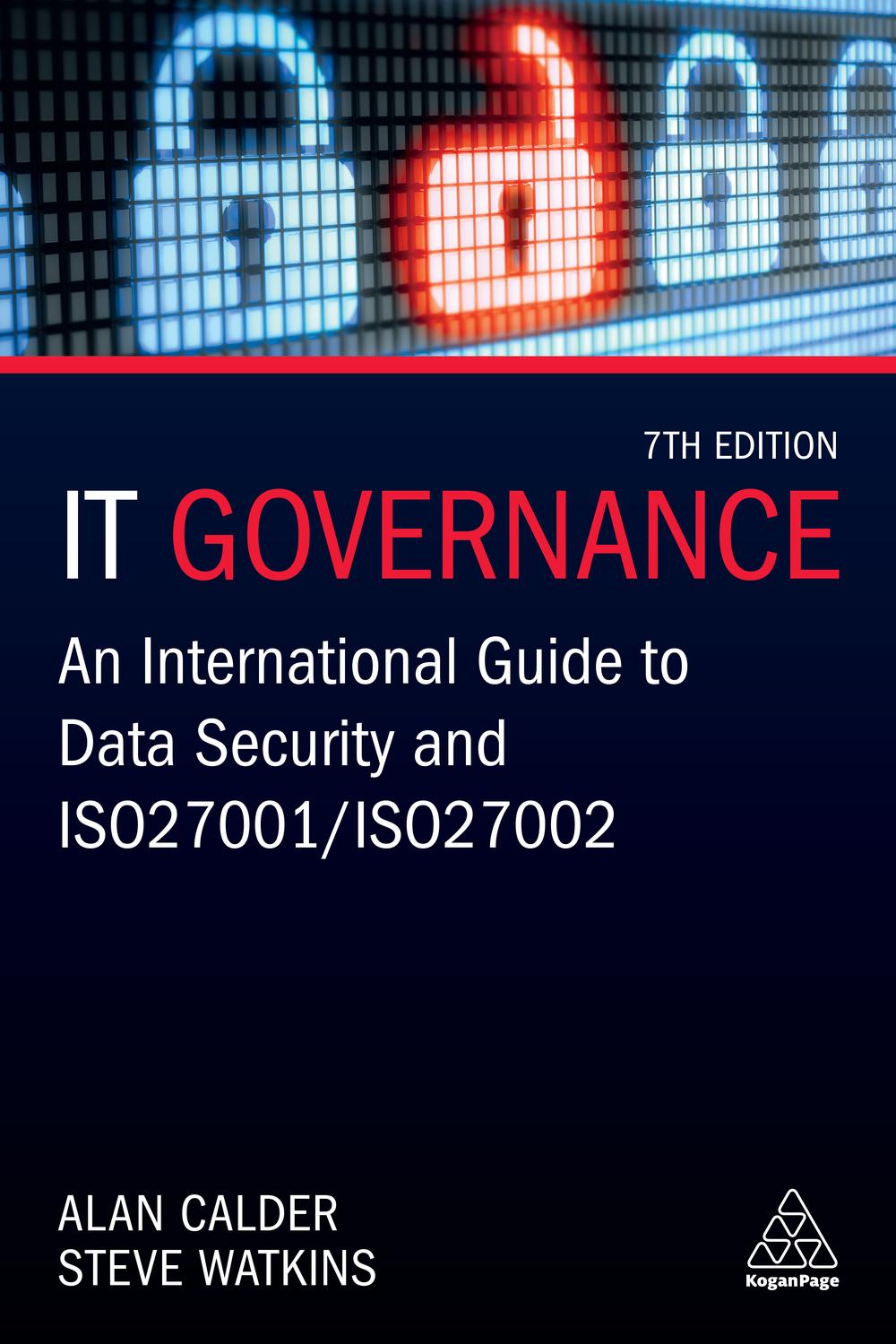
دانلود کتاب حاکمیت فناوری اطلاعات: راهنمای بینالمللی امنیت داده و استانداردهای ISO 27001/ISO 27002 ۲۰۱۹ (IT Governance: An International Guide to Data Security and ISO 27001/ISO 27002 2019) با لینک مستقیم و فرمت pdf (پی دی اف) و ترجمه فارسی
| نویسنده |
Alan Calder, Steve Watkins |
|---|

۳۰ هزار تومان تخفیف با کد «OFF30» برای اولین خرید
| سال انتشار |
2019 |
|---|---|
| زبان |
English |
| تعداد صفحهها |
408 |
| نوع فایل |
|
| حجم |
2.8 MB |
🏷️ 200,000 تومان قیمت اصلی: 200,000 تومان بود.129,000 تومانقیمت فعلی: 129,000 تومان.
🏷️
378,000 تومان
قیمت اصلی: ۳۷۸٬۰۰۰ تومان بود.
298,000 تومان
قیمت فعلی: ۲۹۸٬۰۰۰ تومان.
*حاکمیت فناوری اطلاعات* منبعی کلیدی و بینالمللی برای مدیران در سازمانها، با هر اندازه و در تمامی صنایع است و به جنبههای استراتژیک و عملیاتی امنیت اطلاعات میپردازد.
*حاکمیت فناوری اطلاعات* که اکنون در هفتمین نسخه خود به عنوان پرفروشترین کتاب در این زمینه ارائه میشود، راهنماییهای لازم را برای شرکتهایی که به دنبال حفاظت و ارتقای سیستمهای مدیریت امنیت اطلاعات (ISMS) خود و محافظت از خود در برابر تهدیدات سایبری هستند، ارائه میدهد. این نسخه جدید، تغییرات در مقررات جهانی، به ویژه GDPR، و بهروزرسانیهای استانداردهای خانواده ISO/IEC 27000، استاندارد BS 7799-3:2017 (مدیریت ریسک امنیت اطلاعات) و همچنین آخرین استانداردهای مربوط به حسابرسی را پوشش میدهد. همچنین شامل توصیههایی در مورد توسعه و پیادهسازی یک ISMS است که با مشخصات ISO 27001 مطابقت داشته باشد و اینکه چگونه و چه استانداردهای خاص بخش میتوانند در آن لحاظ شوند. *حاکمیت فناوری اطلاعات* با ارائه اطلاعات در مورد ارزیابی ریسک، انطباق، امنیت تجهیزات و عملیات، کنترلهای مقابله با بدافزار و مدیریت دارایی، راهنمای قطعی برای پیادهسازی یک سیستم مدیریت و حاکمیت امنیت اطلاعات مؤثر است.
۱. روی جلد
۲. صفحه عنوان فرعی
۳. صفحه عنوان
۴. فهرست
۵. درباره نویسنده
۶. مقدمه
۷. اقتصاد اطلاعات
۸. حاکمیت فناوری اطلاعات چیست؟
۹. امنیت اطلاعات
۱۰. چرا امنیت اطلاعات ضروری است؟
۱۱. ماهیت تهدیدهای امنیت اطلاعات
۱۲. ناامنی اطلاعات
۱۳. اثرات تهدیدهای امنیت اطلاعات
۱۴. جرایم سایبری
۱۵. جنگ سایبری
۱۶. تهدید مداوم پیشرفته
۱۷. خطرات آینده
۱۸. قانونگذاری
۱۹. مزایای سیستم مدیریت امنیت اطلاعات
۲۰. آییننامه حاکمیت شرکتی، راهنمای ریسک FRC و Sarbanes-Oxley
۲۱. آییننامه ترکیبی
۲۲. گزارش ترنبول
۲۳. آییننامه حاکمیت شرکتی
۲۴. Sarbanes-Oxley
۲۵. مدیریت ریسک سازمانی
۲۶. انطباق مقرراتی
۲۷. حاکمیت فناوری اطلاعات
۲۸. ISO۲۷۰۰۱
۲۹. مزایای اخذ گواهینامه
۳۰. تاریخچه ISO۲۷۰۰۱ و ISO۲۷۰۰۲
۳۱. سری استانداردهای ISO/IEC ۲۷۰۰۰
۳۲. استفاده از استاندارد
۳۳. ISO/IEC ۲۷۰۰۲
۳۴. بهبود مستمر، طرحریزی–اجرا–بررسی–اقدام، و رویکرد فرایندی
۳۵. رویکرد ساختاریافته برای پیادهسازی
۳۶. یکپارچهسازی سیستم مدیریت
۳۷. مستندسازی
۳۸. بهبود مستمر و معیارها
۳۹. سازماندهی امنیت اطلاعات
۴۰. سازمان داخلی
۴۱. بازنگری مدیریت
۴۲. مدیر امنیت اطلاعات
۴۳. انجمن مدیریت چندوظیفهای
۴۴. گروه پروژه ISO۲۷۰۰۱
۴۵. مشاوره تخصصی امنیت اطلاعات
۴۶. تفکیک وظایف
۴۷. تماس با گروههای ذینفع خاص
۴۸. تماس با مقامات
۴۹. امنیت اطلاعات در مدیریت پروژه
۵۰. بازنگری مستقل امنیت اطلاعات
۵۱. خلاصه
۵۲. سیاست و دامنه امنیت اطلاعات
۵۳. بستر سازمان
۵۴. سیاست امنیت اطلاعات
۵۵. یک بیانیه سیاست
۵۶. هزینهها و پایش پیشرفت
۵۷. ارزیابی ریسک و بیانیه کاربردپذیری
۵۸. تعیین الزامات امنیتی
۵۹. ریسکها، اثرات و مدیریت ریسک
۶۰. ملزومات سایبری
۶۱. انتخاب کنترلها و بیانیه کاربردپذیری
۶۲. نمونه بیانیه کاربردپذیری
۶۳. تحلیل شکاف
۶۴. ابزارهای ارزیابی ریسک
۶۵. طرح برخورد با ریسک
۶۶. معیارهای اثربخشی
۶۷. دستگاههای همراه
۶۸. دستگاههای همراه و دورکاری
۶۹. دورکاری
۷۰. امنیت منابع انسانی
۷۱. شرح شغل و الزامات شایستگی
۷۲. غربالگری
۷۳. شرایط و ضوابط استخدام
۷۴. در طول اشتغال
۷۵. فرایند انضباطی
۷۶. خاتمه یا تغییر اشتغال
۷۷. مدیریت دارایی
۷۸. صاحبان دارایی
۷۹. فهرست اموال
۸۰. استفاده قابل قبول از داراییها
۸۱. طبقهبندی اطلاعات
۸۲. نشانهگذاری طبقهبندی یکپارچه
۸۳. نشانهگذاری طبقهبندی دولتی
۸۴. چرخه حیات اطلاعات
۸۵. برچسبزنی و جابجایی اطلاعات
۸۶. توافقنامههای عدم افشا و شرکای مورد اعتماد
۸۷. جابجایی رسانه
۸۸. رسانه فیزیکی در حال انتقال
۸۹. کنترل دسترسی
۹۰. هکرها
۹۱. تکنیکهای هکرها
۹۲. پیکربندی سیستم
۹۳. سیاست کنترل دسترسی
۹۴. کنترل دسترسی شبکه
۹۵. مدیریت دسترسی کاربر
۹۶. تخصیص دسترسی کاربر
۹۷. کنترل دسترسی به سیستم و برنامه
۹۸. رویههای ورود امن
۹۹. سیستم مدیریت گذرواژه
۱۰۰. استفاده از برنامههای ابزار ممتاز
۱۰۱. کنترل دسترسی به کد منبع برنامه
۱۰۲. رمزنگاری
۱۰۳. رمزگذاری
۱۰۴. زیرساخت کلید عمومی
۱۰۵. امضاهای دیجیتال
۱۰۶. خدمات عدم انکار
۱۰۷. مدیریت کلید
۱۰۸. امنیت فیزیکی و محیطی
۱۰۹. مناطق امن
۱۱۰. مناطق تحویل و بارگیری
۱۱۱. امنیت تجهیزات
۱۱۲. مکانیابی و حفاظت از تجهیزات
۱۱۳. تسهیلات پشتیبانی
۱۱۴. امنیت کابلکشی
۱۱۵. نگهداری تجهیزات
۱۱۶. حذف داراییها
۱۱۷. امنیت تجهیزات و داراییها خارج از محل
۱۱۸. امحای امن یا استفاده مجدد از تجهیزات
۱۱۹. سیاست میز کار تمیز و صفحه نمایش تمیز
۱۲۰. امنیت عملیات
۱۲۱. رویههای عملیاتی مستند شده
۱۲۲. مدیریت تغییر
۱۲۳. جداسازی محیطهای توسعه، آزمایش و عملیاتی
۱۲۴. پشتیبانگیری
۱۲۵. کنترلها در برابر نرمافزارهای مخرب (بدافزار)
۱۲۶. ویروسها، کرمها، تروجانها و روتکیتها
۱۲۷. جاسوسافزار
۱۲۸. نرمافزار ضد بدافزار
۱۲۹. پیامهای فریبنده و باجافزار
۱۳۰. فیشینگ و فارمینگ
۱۳۱. کنترلهای ضد بدافزار
۱۳۲. ویروسهای هوابرد
۱۳۳. مدیریت آسیبپذیری فنی
۱۳۴. ممیزی سیستمهای اطلاعاتی
۱۳۵. مدیریت ارتباطات
۱۳۶. مدیریت امنیت شبکه
۱۳۷. تبادل اطلاعات
۱۳۸. سیاستها و رویههای انتقال اطلاعات
۱۳۹. توافقات در مورد انتقال اطلاعات
۱۴۰. ایمیل و رسانههای اجتماعی
۱۴۱. خطرات امنیتی در ایمیل
۱۴۲. هرزنامه
۱۴۳. سوء استفاده از اینترنت
۱۴۴. سیاست استفاده قابل قبول از اینترنت
۱۴۵. رسانههای اجتماعی
۱۴۶. تحصیل، توسعه و نگهداری سیستم
۱۴۷. تحلیل و تعیین مشخصات الزامات امنیتی
۱۴۸. ایمنسازی خدمات برنامه در شبکههای عمومی
۱۴۹. مسائل تجارت الکترونیک
۱۵۰. فناوریهای امنیتی
۱۵۱. امنیت سرور
۱۵۲. مجازیسازی سرور
۱۵۳. حفاظت از تراکنشهای خدمات برنامه
۱۵۴. فرایندهای توسعه و پشتیبانی
۱۵۵. سیاست توسعه امن
۱۵۶. اصول مهندسی سیستمهای امن
۱۵۷. محیط توسعه امن
۱۵۸. آزمایش امنیتی و پذیرش
۱۵۹. روابط تامینکننده
۱۶۰. سیاست امنیت اطلاعات برای روابط تامینکننده
۱۶۱. پرداختن به امنیت در توافقات تامینکننده
۱۶۲. زنجیره تامین ICT
۱۶۳. پایش و بررسی خدمات تامینکننده
۱۶۴. مدیریت تغییرات در خدمات تامینکننده
۱۶۵. پایش و مدیریت رخدادهای امنیت اطلاعات
۱۶۶. ثبت وقایع و پایش
۱۶۷. رویدادها و رخدادهای امنیت اطلاعات
۱۶۸. مدیریت رخداد – مسئولیتها و رویهها
۱۶۹. گزارشدهی رویدادهای امنیت اطلاعات
۱۷۰. گزارشدهی اختلالات نرمافزاری
۱۷۱. ارزیابی و تصمیمگیری در مورد رویدادهای امنیت اطلاعات
۱۷۲. واکنش به رخدادهای امنیت اطلاعات
۱۷۳. قابلیت پذیرش قانونی
۱۷۴. مدیریت تداوم کسب و کار و امنیت اطلاعات
۱۷۵. ISO۲۲۳۰۱
۱۷۶. فرایند مدیریت تداوم کسب و کار
۱۷۷. تداوم کسب و کار و ارزیابی ریسک
۱۷۸. توسعه و پیادهسازی طرحهای تداوم
۱۷۹. چارچوب برنامهریزی تداوم کسب و کار
۱۸۰. آزمایش، نگهداری و ارزیابی مجدد طرحهای تداوم کسب و کار
۱۸۱. تداوم امنیت اطلاعات
۱۸۲. انطباق
۱۸۳. شناسایی قوانین قابل اجرا
۱۸۴. حقوق مالکیت معنوی
۱۸۵. حفاظت از سوابق سازمانی
۱۸۶. حریم خصوصی و حفاظت از اطلاعات قابل شناسایی شخصی
۱۸۷. مقررات کنترلهای رمزنگاری
۱۸۸. انطباق با سیاستها و استانداردهای امنیتی
۱۸۹. ملاحظات ممیزی سیستمهای اطلاعاتی
۱۹۰. ممیزی ISO۲۷۰۰۱
۱۹۱. انتخاب ممیزها
۱۹۲. ممیزی اولیه
۱۹۳. آمادهسازی برای ممیزی
۱۹۴. اصطلاحات
۱۹۵. پیوست ۱: وبسایتهای مفید
۱۹۶. IT Governance Ltd
۱۹۷. سازمانهای مرتبط با گواهینامه ISO۲۷۰۰۱
۱۹۸. مایکروسافت
۱۹۹. امنیت اطلاعات
۲۰۰. پیوست ۲: مطالعه بیشتر
۲۰۱. خانواده استانداردهای ISO۲۷۰۰۰ شامل:
۲۰۲. کتابها
۲۰۳. جعبه ابزارها
۲۰۴. فهرست مطالب (نمایه)
۲۰۵. حق تکثیر
Faced with the compliance requirements of increasingly punitive information and privacy-related regulation, as well as the proliferation of complex threats to information security, there is an urgent need for organizations to adopt IT governance best practice.
IT Governance is a key international resource for managers in organizations of all sizes and across industries, and deals with the strategic and operational aspects of information security.
Now in its seventh edition, the bestselling IT Governance provides guidance for companies looking to protect and enhance their information security management systems (ISMS) and protect themselves against cyber threats. The new edition covers changes in global regulation, particularly GDPR, and updates to standards in the ISO/IEC 27000 family, BS 7799-3:2017 (information security risk management) plus the latest standards on auditing. It also includes advice on the development and implementation of an ISMS that will meet the ISO 27001 specification and how sector-specific standards can and should be factored in. With information on risk assessments, compliance, equipment and operations security, controls against malware and asset management, IT Governance is the definitive guide to implementing an effective information security management and governance system.
1. Cover
2. Half-title Page
3. Title Page
4. Contents
5. About the author
6. Introduction
7. The information economy
8. What is IT governance?
9. Information security
01 Why is information security necessary?
11. The nature of information security threats
12. Information insecurity
13. Impacts of information security threats
14. Cybercrime
15. Cyberwar
16. Advanced persistent threat
17. Future risks
18. Legislation
19. Benefits of an information security management system
02 The Corporate Governance Code, the FRC Risk Guidance and Sarbanes–Oxley
21. The Combined Code
22. The Turnbull Report
23. The Corporate Governance Code
24. Sarbanes–Oxley
25. Enterprise risk management
26. Regulatory compliance
27. IT governance
03 ISO27001
29. Benefits of certification
30. The history of ISO27001 and ISO27002
31. The ISO/IEC 27000 series of standards
32. Use of the standard
33. ISO/IEC 27002
34. Continual improvement, Plan–Do–Check–Act, and process approach
35. Structured approach to implementation
36. Management system integration
37. Documentation
38. Continual improvement and metrics
04 Organizing information security
40. Internal organization
41. Management review
42. The information security manager
43. The cross-functional management forum
44. The ISO27001 project group
45. Specialist information security advice
46. Segregation of duties
47. Contact with special interest groups
48. Contact with authorities
49. Information security in project management
50. Independent review of information security
51. Summary
05 Information security policy and scope
53. Context of the organization
54. Information security policy
55. A policy statement
56. Costs and the monitoring of progress
06 The risk assessment and Statement of Applicability
58. Establishing security requirements
59. Risks, impacts and risk management
60. Cyber Essentials
61. Selection of controls and Statement of Applicability
62. Statement of Applicability Example
63. Gap analysis
64. Risk assessment tools
65. Risk treatment plan
66. Measures of effectiveness
07 Mobile devices
68. Mobile devices and teleworking
69. Teleworking
08 Human resources security
71. Job descriptions and competency requirements
72. Screening
73. Terms and conditions of employment
74. During employment
75. Disciplinary process
76. Termination or change of employment
09 Asset management
78. Asset owners
79. Inventory
80. Acceptable use of assets
81. Information classification
82. Unified classification markings
83. Government classification markings
84. Information lifecycle
85. Information labelling and handling
86. Non-disclosure agreements and trusted partners
10 Media handling
88. Physical media in transit
11 Access control
90. Hackers
91. Hacker techniques
92. System configuration
93. Access control policy
94. Network Access Control
12 User access management
96. User access provisioning
13 System and application access control
98. Secure log-on procedures
99. Password management system
100. Use of privileged utility programs
101. Access control to program source code
14 Cryptography
103. Encryption
104. Public key infrastructure
105. Digital signatures
106. Non-repudiation services
107. Key management
15 Physical and environmental security
109. Secure areas
110. Delivery and loading areas
16 Equipment security
112. Equipment siting and protection
113. Supporting utilities
114. Cabling security
115. Equipment maintenance
116. Removal of assets
117. Security of equipment and assets off-premises
118. Secure disposal or reuse of equipment
119. Clear desk and clear screen policy
17 Operations security
121. Documented operating procedures
122. Change management
123. Separation of development, testing and operational environments
124. Back-up
18 Controls against malicious software (malware)
126. Viruses, worms, Trojans and rootkits
127. Spyware
128. Anti-malware software
129. Hoax messages and Ransomware
130. Phishing and pharming
131. Anti-malware controls
132. Airborne viruses
133. Technical vulnerability management
134. Information Systems Audits
19 Communications management
136. Network security management
20 Exchanges of information
138. Information transfer policies and procedures
139. Agreements on information transfers
140. E-mail and social media
141. Security risks in e-mail
142. Spam
143. Misuse of the internet
144. Internet acceptable use policy
145. Social media
21 System acquisition, development and maintenance
147. Security requirements analysis and specification
148. Securing application services on public networks
149. E-commerce issues
150. Security technologies
151. Server security
152. Server virtualization
153. Protecting application services transactions
22 Development and support processes
155. Secure development policy
156. Secure systems engineering principles
157. Secure development environment
158. Security and acceptance testing
23 Supplier relationships
160. Information security policy for supplier relationships
161. Addressing security within supplier agreements
162. ICT supply chain
163. Monitoring and review of supplier services
164. Managing changes to supplier services
24 Monitoring and information security incident management
166. Logging and monitoring
167. Information security events and incidents
168. Incident management – responsibilities and procedures
169. Reporting information security events
170. Reporting software malfunctions
171. Assessment of and decision on information security events
172. Response to information security incidents
173. Legal admissibility
25 Business and information security continuity management
175. ISO22301
176. The business continuity management process
177. Business continuity and risk assessment
178. Developing and implementing continuity plans
179. Business continuity planning framework
180. Testing, maintaining and reassessing business continuity plans
181. Information security continuity
26 Compliance
183. Identification of applicable legislation
184. Intellectual property rights
185. Protection of organizational records
186. Privacy and protection of personally identifiable information
187. Regulation of cryptographic controls
188. Compliance with security policies and standards
189. Information systems audit considerations
27 The ISO27001 audit
191. Selection of auditors
192. Initial audit
193. Preparation for audit
194. Terminology
195. Appendix 1: Useful websites
196. IT Governance Ltd
197. ISO27001 certification-related organizations
198. Microsoft
199. Information security
200. Appendix 2: Further reading
201. ISO27000 family of standards includes:
202. Books
203. Toolkits
204. Index
205. Copyright
✨ ضمانت تجربه خوب مطالعه
در صورت مشکل، مبلغ پرداختی بازگردانده می شود.
دانلود فایل کتاب با سرعت بالا
دانلود مستقیم به همراه ارسال فایل به ایمیل.
با چت آنلاین و پیامرسان ها پاسخگو هستیم.
کتاب ها را از منابع معتیر انتخاب می کنیم.

 هوشمصنوعی ترجمه کالیبو