Sale
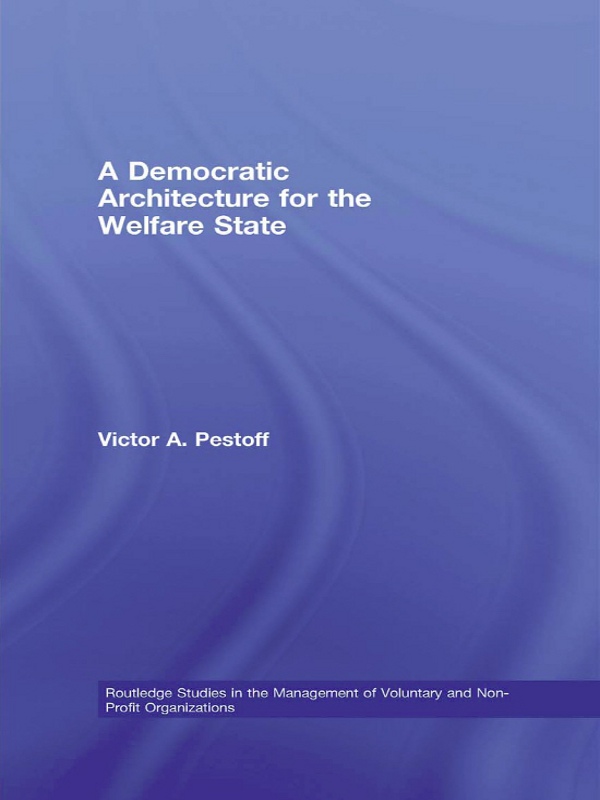
دانلود کتاب معماری مردمسالارانه برای دولت رفاه ۲۰۰۸ (A Democratic Architecture for the Welfare State 2008) با لینک مستقیم و فرمت pdf (پی دی اف)
| نویسنده |
Victor A. Pestoff |
|---|

۳۰ هزار تومان تخفیف با کد «OFF30» برای اولین خرید
| سال انتشار |
2008 |
|---|---|
| زبان |
English |
| تعداد صفحهها |
336 |
| نوع فایل |
|
| حجم |
23.9 MB |
🏷️ 200,000 تومان قیمت اصلی: 200,000 تومان بود.129,000 تومانقیمت فعلی: 129,000 تومان.
🏷️
378,000 تومان
قیمت اصلی: ۳۷۸٬۰۰۰ تومان بود.
298,000 تومان
قیمت فعلی: ۲۹۸٬۰۰۰ تومان.
این کتاب به نیازِ یک معماری دموکراتیکتر برای دولت رفاه اروپایی میپردازد و چشماندازهای جدیدی را برای توسعه کانالهای جایگزین برای مشارکت مستقیم شهروندان در سطح زیر-شهرداریِ حکمرانی میگشاید. پستوف به این نتیجه میرسد که نه نظریه دموکراتیک و نه نظریه دولت رفاه، توجه کافی به نقش معاصر بخش سوم به عنوان یک ارائهدهنده خدمات یا به مشارکت مستقیم بیشتر شهروندان در ارائه خدمات رفاهی ندارند. او تمرکز تحلیل را از ورودی به خروجیِ سیستم سیاسی تغییر میدهد و راههای جدیدی را برای ترویج نقش بیشتر بخش سوم و مشارکت بیشتر شهروندان در ارائه خدمات رفاهیِ همگانیِ تامینشده از مالیات بررسی میکند.
بخش اول به بررسی فعالان اقتصاد اجتماعی در سوئد و اسکاندیناوی، هم از منظر تاریخی و هم از منظر آینده، میپردازد. بخش دوم مسائل مهم مربوط به بخش سوم و دولت رفاه را بررسی میکند، از جمله تخصیص مازاد یا سود یک سازمان، محیط کار و کیفیت خدمات در خدمات عمومی و بخش سوم، دیدگاههای مصرفکننده در مورد اقتصاد اجتماعی، دموکراتیزه کردن مراقبتهای پزشکی و بهداشتی در ژاپن، و تولید مشترک خدمات مراقبت از کودک در هشت کشور اروپایی. بخش سوم، بخش سوم و دولت را در نظریه دموکراتیک و نظریه رفاه بازبینی میکند و همچنین موانع اصلی پیش روی بخش سوم و دموکراتیزاسیون دولت رفاه را شناسایی میکند. بخش چهارم با خلاصه کردن سیاستهای مشارکت در دولت رفاه به نتیجهگیری میرسد.
۱. مجموعه مطالعات روتلج در مدیریت سازمانهای داوطلبانه و غیرانتفاعی
۲. فهرست
۳. فهرست اشکال و جداول
۴. تقدیر و تشکر
۵. معنادار کردن شهروندی در قرن بیست و یکم
۶. بخش اول: کنشگران اقتصاد اجتماعی در اسکاندیناوی
۷. بخش دوم: مسائل اصلی برای بخش سوم و دولت رفاه
۸. بخش سوم: بازنگری بخش سوم و دولت
۹. بخش چهارم: سیاستهای مشارکت در دولتهای رفاه اروپایی
۱۰. پیوست
۱۱. منابع
۱۲. نمایه
The welfare state faces various challenges in Scandinavia and many European countries today, including a poor work environment in the public sector, a growing democracy deficit, and demographic obstacles. In this new book, Victor A. Pestoff argues that the state cannot resolve these challenges alone or together with the market, rather it requires the active participation of citizens and the third sector in order to overcome them and become more sustainable and flexible in the future.
This book addresses the need for a more democratic architecture for the European welfare state, opening new perspectives for developing alternative channels for direct citizen participation at the sub-municipal level of governance. Pestoff finds that neither democratic theory nor welfare state theory devotes adequate attention to the contemporary role of the third sector as a service provider or to greater direct citizen participation in the provision of welfare services. He shifts the focus of analysis from the input to the output side of the political system and explores new ways to promote a greater role for the third sector and more citizen participation in the provision of universal, tax financed welfare services.
Part 1 discusses social economy actors in Sweden and Scandinavia, both from a historical and future perspective. Part 2 explores major issues for the third sector and welfare state, including the allocation of an organization’s surplus or profit, work environment and service quality in public services and the third sector, consumer perspectives on the social economy, democratizing medical and health care in Japan, and co-production of childcare services in eight European countries. Part 3 revisits the third sector and state in democratic theory and welfare theory, as well as recognizing major hurdles to the third sector and democratization of the welfare state. Part 4 concludes by summarizing the politics of participation in the welfare state.
1. Routledge studies in the management of voluntary and non-profit organizations
2. Contents
3. List of figures and tables
4. Acknowledgements
1 Making citizenship meaningful in the twenty-first century
6. Part I Social economy actors in Scandinavia
7. Part II Major issues for the third sector and welfare state
8. Part III Revisiting the third sector and state
9. Part IV The politics of participation in European welfare states
10. Appendix
11. References
12. Index
✨ ضمانت تجربه خوب مطالعه
در صورت مشکل، مبلغ پرداختی بازگردانده می شود.
دانلود فایل کتاب با سرعت بالا
دانلود مستقیم به همراه ارسال فایل به ایمیل.
با چت آنلاین و پیامرسان ها پاسخگو هستیم.
کتاب ها را از منابع معتیر انتخاب می کنیم.

 هوشمصنوعی ترجمه کالیبو