Sale
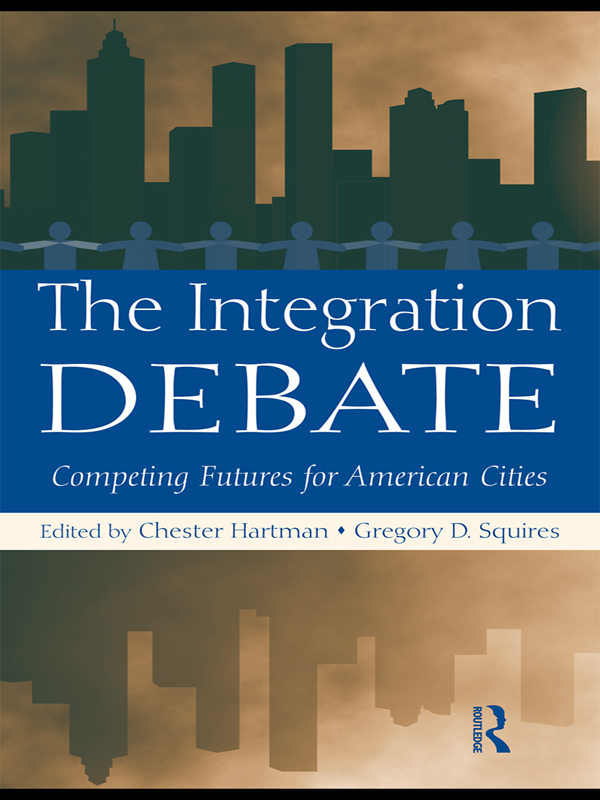
دانلود کتاب مناظره ادغام: آیندههای رقابتی برای شهرهای آمریکا ۲۰۰۹ (The Integration Debate: Competing Futures For American Cities 2009) با لینک مستقیم و فرمت pdf (پی دی اف)
| نویسنده |
Chester Hartman, Gregory Squires |
|---|

۳۰ هزار تومان تخفیف با کد «OFF30» برای اولین خرید
| سال انتشار |
2009 |
|---|---|
| زبان |
English |
| تعداد صفحهها |
304 |
| نوع فایل |
|
| حجم |
18.1 MB |
🏷️ 200,000 تومان قیمت اصلی: 200,000 تومان بود.129,000 تومانقیمت فعلی: 129,000 تومان.
🏷️
378,000 تومان
قیمت اصلی: ۳۷۸٬۰۰۰ تومان بود.
298,000 تومان
قیمت فعلی: ۲۹۸٬۰۰۰ تومان.
امروزه، بسیاری از افراد غیرسفیدپوست آنچه را که “خستگی از ادغام” نامیده میشود، ابراز میکنند و ارزش ادغام را در دنیای امروز زیر سوال میبرند. و بسیاری از سفیدپوستان “خستگی نژادی” را نشان میدهند و استدلال میکنند که ما به اندازه کافی برای آشتی نژادها تلاش کردهایم. سیاستهای متعددی در تلاش برای باز کردن محلههای سنتی محدود شده اجرا شده است، در حالی که سیاستهای دیگری برای متنوعسازی محلههای سنتی فقیر و اغلب غیرسفیدپوست طراحی شدهاند. با این وجود، تفکیک نژادی به همراه بسیاری از هزینههای اجتماعی ناشی از الگوهای توسعه نامتوازن همچنان ادامه دارد.
این کتاب به بررسی مناقشات دیرینه و نوظهور بر سر مبارزات مداوم کشور با تبعیض و تفکیک میپردازد. مهمتر از آن، راهنماییهایی در مورد چگونگی غلبه بر این موانع برای دستیابی به الگوهای زندگی واقعاً متعادل و یکپارچه ارائه میدهد.
۱. صفحه روی جلد
۲. صفحه عنوان
۳. صفحه حق تکثیر
۴. تقدیر و تشکر
۵. پیشگفتار
۱ خستگی از ادغام، فرسودگی نژادی، و بررسی آرزوی آمریکایی بحثهای جاری در مورد مزایای ادغام نژادی و ابتکارات سیاستگذاری فعلی برای تفکیکزدایی از مناطق کلانشهری کشور را بررسی میکند. هزینههای مداوم و گسترده تفکیک (که با افزایش تفکیک اقتصادی تشدید میشود) را برای کسانی که قربانی فرآیندهای تبعیضآمیز هستند، تصدیق میکند و مسائلی را شناسایی میکند که اگر قرار است کشور واقعاً به سمت الگوهای زندگی متعادلتر و یکپارچهتر حرکت کند، باید به آنها رسیدگی شود.
۲ به محله خوش آمدید؟ تداوم تبعیض و تفکیک تشریح میکند که چگونه قانون مسکن عادلانه فدرال میتواند به عنوان ابزاری ارزشمند برای ترویج ادغام مورد استفاده قرار گیرد، اما به درستی اجرا نشده است. توضیح میدهد که چگونه ایجاد جوامع متنوع به دلیل اقدامات تبعیضآمیز از سوی جامعه املاک و مستغلات مهار شده است. و اطلاعاتی را در مورد اقداماتی که برای دستیابی به ادغام محله انجام شده و میتوان انجام داد، ارائه میدهد.
۳ از تفکیک تا ادغام: چگونه به آنجا برسیم؟ تنوع فزاینده جمعیت ایالات متحده، از جمله نحوه تغییر آن بر اساس سن، منطقه کلانشهری و منطقه را تشریح میکند. استدلال میکند که این تغییرات جمعیتی میتواند در صورت داشتن سیاستهای خاص مکانی که بتوانند از آنها بهره ببرند، ادغام را تقویت کند. و بحث میکند که چگونه حرکت از تفکیک به ادغام فرآیندی است که باید با بررسی انواع محلههایی که واقعاً وجود دارند، نه شاخصهای تفکیک، آغاز شود.
۴ ایجاد و حمایت از برنامههای طرفدار ادغام تحت قانون مسکن عادلانه پاسخهای قضایی به استراتژیهای مختلفی که برای ترویج و حفظ جوامع یکپارچه به کار گرفته شدهاند را بررسی میکند. انواع استراتژیها و موقعیتهایی را شناسایی میکند که در آن برنامههای طرفدار ادغام به احتمال زیاد توسط دادگاهها تایید میشوند. با بررسی دقیق نحوه واکنش دادگاهها به یک برنامه خلاقانه طرفدار ادغام در اوهایو که به چالش کشیده نشده است، ملاحظات قانونی مرتبط را روشن میکند.
۵ دستیابی به ادغام از طریق دادرسی خصوصی ردگیری میکند که چگونه دادرسی خصوصی وسیله اصلی برای اجرای مفاد اساسی قانون مسکن عادلانه بوده است. محدودیتهای دادخواهی در حذف موانع ساختاری برای مسکن عادلانه در جامعه ما را بررسی میکند. و اصلاحات قانونی و مقرراتی را توصیه میکند که دادخواهی را به ابزار بهتری برای دستیابی به ادغام تبدیل میکند.
۶ الزامات قانون اساسی و قانونی برای ادغام نژادی مسکونی و اعتبار اقدام مثبت آگاهانه از نژاد برای دستیابی به آن رفتار ناهمگون با اقدامات دولت آگاهانه از نژاد را از دهه ۱۹۴۰ بررسی میکند و بر رفتار مثبت و آگاهانه از نژاد که برای ترویج ادغام مسکن طراحی شده است، تمرکز دارد. قوانین مسکن عادلانه فدرال ۱۸۶۶ و ۱۹۶۸/۱۹۸۸ و اقتدار آنها در اصلاحیه سیزدهم را مورد بحث قرار میدهد و راههایی را در نظر میگیرد که در آن اصلاحیه سیزدهم دامنه وسیعتری را نسبت به آنچه ممکن است برای قوانینی که فقط در اصلاحیه چهاردهم ریشه دارند، تضمین کند.
۷ تحرک مسکن: یک حق مدنی استدلال میکند که تحرک مسکن درمانی برای نقض قانون اساسی تفکیک نژادی در برنامههای مسکن با کمک فدرال است. زبانی قانونی را پیشنهاد میکند که به افراد این قدرت را میدهد تا این حق را از طرف خود اعمال کنند. و شرح میدهد که چگونه برنامه تحرک مسکن دالاس که توسط سازمان غیرانتفاعی نویسندگان اداره میشود، کار میکند.
۸ مدارس تفکیکزداییشده با آموزش تفکیکشده بررسی میکند که چگونه نابرابریهای آموزشی دیگر صرفاً توسط تفکیک مسکونی شکل نمیگیرند، بلکه به طور فزایندهای بر اساس دسترسی متفاوت به آموزش و برنامههای درسی با کیفیت در مدارس، به طور انتخابی توسط نژاد تعیین میشوند. جایگزینهای مؤثر شامل شواهدی از یک مدرسه ابتدایی شهری است که با گسترش دسترسی به برنامه با استعداد و باهوش خود و از پروژه ایده روشن، یک برنامه درسی تفکر انتقادی K-۲، این روند را به چالش کشید.
۹ اثرات تبعیض در بازار مسکن بر نابرابری درآمد رابطه تجربی بین تفکیک مسکونی در یک منطقه کلانشهری و اختلافات دستمزد نژادی در همان منطقه کلانشهری را بررسی میکند. همبستگی بین نرخ رد وام و اختلافات دستمزد نژادی در MSA ها را به تفصیل شرح میدهد و عوامل رقابتی توضیحدهنده این الگوها را در نظر میگیرد. نتیجه میگیرد که ریشهکن کردن تفکیک مسکونی یا کاهش شکافهای نژادی در رد وام هیچ تأثیر فوری بر کاهش شکافهای درآمد نخواهد داشت.
۱۰ ادغام نژادی/قومی و نابرابریهای سلامت کودکان اثرات محیط محله بر سلامت و رشد کودکان را مورد بحث قرار میدهد. میزان نابرابریهای نژادی/قومی در محیط محله – نتیجه تفکیک مسکونی – که کودکان ایالات متحده با آن مواجه هستند و پیامدهای آن برای نابرابریهای نژادی/قومی در سلامت و رشد کودکان و در طول زندگی را بررسی میکند.
۱۱ ادغام، تفکیک، و شکاف ثروت نژادی بررسی میکند که چگونه تبعیض مسکن به سفیدپوستان اجازه داده است تا مزایای مالکیت خانه و یارانههای مرتبط با آن را «قفل کنند» در حالی که توانایی آفریقایی تبارها برای انباشت ثروت را محدود میکنند. توضیح میدهد که چگونه دولت و مؤسسات مالی برای محدود کردن و حتی «سلب» حقوق صاحبان خانه به سختی به دست آمده از جوامع سیاهپوست و سایر جوامع اقلیت توطئه کردهاند، که اخیراً با اثرات نژادی بحران وامهای بد مسکن مشهود است. درمانها باید شامل استراتژیهای ایجاد دارایی برای افراد باشد، اما همچنین سرمایهگذاریهای کافی دولت در جوامع سیاهپوست که قادر به رسیدگی به هزینههای تجمعی، جمعی و مداوم تبعیض و تفکیک هستند.
۱۲ عدالت دو سطحی: نژاد، طبقه و سیاست جنایی نیروهایی را در دهههای اخیر که منجر به «مسابقه برای حبس» شده و منجر به جمعیت زندانیان رکورد جهانی در ایالات متحده شده است، تجزیه و تحلیل میکند. و تلاقی تغییرات سیاست در عدالت کیفری با پویایی یک جامعه تفکیکشده، از جمله شیوههای اجرای قانون با گرایش نژادی و زندانی شدن نامتناسب برای رنگینپوستان را ارزیابی میکند که به نوبه خود منجر به کاهش چشماندازهای زندگی و نفوذ سیاسی میشود.
۱۳ تحرک مسکونی، محلهها و فقر: نتایج حاصل از برنامه گاترو شیکاگو و آزمایش انتقال به فرصت بررسی میکند که چگونه تحرک مسکونی ممکن است بر تجربیات و نتایج خانوادههای سیاهپوست کمدرآمد تأثیر بگذارد. مطالعات کوچک و بزرگ برنامه گاترو را بررسی میکند و تأثیر آن را بر آموزش، مشاغل، ادغام و مکان مسکونی طولانیمدت نشان میدهد. در حالی که MTO تلاش کرد تا گاترو را بهبود بخشد، تجزیه و تحلیلها نشان میدهد که طراحی تحقیقاتی قویتری را ارائه داده است، اما برنامه تحرک ضعیفتری دارد. پیامدهای طراحی برنامههای تحرک مسکونی بعدی را مورد بحث قرار میدهد.
۱۴ بازی گتو: آپارتاید و ضرورت توسعهدهنده در شهرهای آمریکایی پساصنعتی مجموعهای از سیاستهای شهری را بررسی میکند که منجر به جابجایی شدهاند: تفکیک، خطکشی قرمز، نوسازی شهری، واگذاری فاجعهبار/کوچکسازی برنامهریزیشده، HOPE VI، اشرافیسازی و غیره. پیشنهاد میکند که ابزارهای طراحی شهری نقشی ترمیمی دارند. کار و ایدههای میشل كانتال-دوپارت، شهرساز مشهور فرانسوی را بررسی میکند.
۱۵ اسطوره فقر متمرکز اعتبار و کاربردهای سیاسی مفهوم «فقر متمرکز» را به چالش میکشد. تحقیقات نتوانستهاند دو فرضیه اصلی را ثابت کنند – اینکه تمرکز به خودی خود اثرات منفی فقر را تشدید میکند و اینکه تمرکززدایی از فقر برای فقرا مفید است. علاوه بر این، این نظریه مشکوک زمانی به کار گرفته میشود که اقلیتهای فقیر فضایی شهری را اشغال میکنند که برای اشرافیسازی آماده است و توجیه اخلاقی و فکری برای تخریب مسکن عمومی تحت برنامه HOPE VI فراهم کرده است.
۱۶ ادغام: حل مسئله اشتباه محدودیتهای استراتژیهای ادغام گذشته و حال را بررسی میکند. چارچوبی را ارائه میدهد که بر اساس دستور کار حقوق بشر و جنبش حق شهروندی بنا شده است تا نشان دهد که نگاه کردن فراتر از تلاش برای دستیابی به یک هدف (ادغام) و در عوض تمرکز بر کاهش نژادپرستی و حذف سیاستهایی که موقعیت سفیدپوستان را ممتاز میکنند، چقدر حیاتی است.
۱۷ میراث تفکیک: درهم شکستن نسلها پدیده خودتکرارشونده فقر شهری سیاهپوستان را که قدیمیتر از خود ملت است، مشخص میکند. وحشیگری روانی، جسمی و اقتصادی که برای برده کردن انسانهای سیاهپوست به کار میرفت و اینکه چگونه طرد (جداسازی و تفکیک) بیشتر سیاهپوستان را از غنای زندگی دور کرد و باعث شد تا غرور سفیدپوستان به نسبتهای مضحکی برسد که از انکار تحصیلات تا کارزار لینچ در اواخر قرن نوزدهم و اوایل قرن بیستم منجر شد، مورد بحث قرار میدهد. شرح میدهد که چگونه این ویژگی پایدار فرهنگی آمریکایی (بدون لینچ) جوامع سیاهپوست سمی و فقیر ایجاد کرده است – حتی پس از تمام فعالیتهای حقوق مدنی و ارتقای مقام در اواسط قرن بیستم آمریکا. نتیجه، فقر فشرده در مناطق شهری است که میتواند برای کودکانی که در آن به دنیا میآیند، کشنده باشد، خواه مرگ ناشی از جنایت زودهنگام، بیسوادی، گلوله یا بیماری باشد. نتیجه صرفاً یک معضل آمریکایی نیست، بلکه یک رسوایی آمریکایی است.
۲۳. مشارکتکنندگان
۲۴. حقوق و مجوزها
Racial integration, and policies intended to achieve greater integration, continue to generate controversy in the United States, with some of the most heated debates taking place among long-standing advocates of racial equality.
Today, many nonwhites express what has been referred to as “integration exhaustion” as they question the value of integration in today’s world. And many whites exhibit what has been labeled “race fatigue,” arguing that we have done enough to reconcile the races. Many policies have been implemented in efforts to open up traditionally restricted neighborhoods, while others have been designed to diversify traditionally poor, often nonwhite, neighborhoods. Still, racial segregation persists, along with the many social costs of such patterns of uneven development.
This book explores both long-standing and emerging controversies over the nation’s ongoing struggles with discrimination and segregation. More urgently, it offers guidance on how these barriers can be overcome to achieve truly balanced and integrated living patterns.
1. Cover Page
2. Title Page
3. Copyright Page
4. Acknowledgments
5. Foreword
1 Integration Exhaustion, Race Fatigue, and the American Dream Reviews current debates over the merits of racial integration and current policy initiatives to desegregate the nation’s metropolitan areas. Acknowledges continuing and wide-ranging costs of segregation (exacerbated by rising economic segregation) for those victimized by discriminatory processes, and identifies issues that will have to be addressed if the nation is to truly move towards more balanced and integrated living patterns.
2 Welcome to the Neighborhood? The Persistence of Discrimination and Segregation Outlines how the federal Fair Housing Act could be utilized as a valuable tool to promote integration but has not been properly enforced; explains how the creation of diverse communities has been inhibited by discriminatory actions on the part of the real estate community; and provides information about steps that have been and could be taken to achieve neighborhood integration.
3 From Segregation to Integration: How Do We Get There? Outlines the increasing diversity of the U.S. population, including how it varies by age, metropolitan area, and region; argues that these demographic changes could foster integration if we have place-specific policies that can take advantage of them; and discusses how moving from segregation to integration is a process which must begin with examination of the types of neighborhoods that actually exist, not segregation indices.
4 Creating and Protecting Prointegration Programs Under the Fair Housing Act Examines judicial responses to different strategies that have been employed to promote and maintain integrated communities; identifies types of strategies and situations where prointegration programs are most likely to be upheld by the courts; illuminates the relevant legal considerations by closely examining how courts might respond to a creative prointegration program in Ohio that has not been challenged.
5 Achieving Integration Through Private Litigation Traces how private litigation has been a primary vehicle for enforcement of the substantive provisions of the Fair Housing Act; reviews the limitations of lawsuits in removing the structural barriers to fair housing in our society; and recommends statutory and regulatory reforms that would make litigation a better tool to achieve integration.
6 Constitutional and Statutory Mandates for Residential Racial Integration and the Validity of Race-Conscious, Affirmative Action to Achieve It Reviews the inconsistent treatment of race-conscious government actions since the 1940s, focusing on affirmative, race-conscious conduct designed to promote housing integration. Discusses the 1866 and 1968/1988 federal fair housing acts and their authority in the Thirteenth Amendment, and considers ways in which the Thirteenth Amendment allows broader scope than might be warranted for statutes rooted only in the Fourteenth Amendment.
7 Housing Mobility: A Civil Right Argues that housing mobility is a remedy for the Constitutional violation of racial segregation in federally-assisted housing programs; proposes statutory language giving individuals the power to assert that right on their own behalf; and describes how the Dallas housing mobility program operated by the authors’ nonprofit organization works.
8 Desegregated Schools With Segregated Education Reviews how educational inequities are no longer solely shaped by residential segregation but are increasingly based on differential access to quality instruction and curricula within schools, selectively determined by race. Effective alternatives include evidence from an urban elementary school that challenged this tendency by expanding access to its gift ed and talented program and from Project Bright Idea, a K-2 critical thinking curriculum.
9 The Effects of Housing Market Discrimination on Earnings Inequality Examines the empirical relationship between residential segregation in a metropolitan area and racial wage disparities in the same metropolitan area; details the correlation between loan denial rates and racial wage disparities in MSAs and accounts for competing factors explaining these patterns; concludes that eradicating residential segregation or diminishing racial gaps in loan denials will not have any immediate impact on narrowing earnings gaps.
10 Racial/Ethnic Integration and Child Health Disparities Discusses the effects of neighborhood environment on child health and development. Examines the extent of racial/ethnic disparities in neighborhood environment—a result of residential segregation—facing U.S. children, and their implications for racial/ethnic disparities in child health and development and along the life course.
11 Integration, Segregation, and the Racial Wealth Gap Examines how housing discrimination has allowed whites to “lock in” advantages of homeownership and its attendant subsidies while limiting the ability of African Americans to accumulate wealth. Explains how government and financial institutions have conspired to limit and even “strip” hard-gained home equity from Black and other minority communities, most recently evidenced by the racial effects of the subprime mortgage crisis. Remedies should include asset-building strategies for individuals, but also adequate government investments in Black communities capable of addressing the cumulative, collective, and continuing costs of discrimination and segregation.
12 Two-Tiered Justice: Race, Class, and Crime Policy Analyzes the forces in recent decades that have produced a “race to incarcerate” resulting in a world-record prison population in the U.S.; and assesses the intersection of policy changes in criminal justice with the dynamics of a segregated society, including racially biased law enforcement practices and disproportionate imprisonment for people of color that in turn results in declining life prospects and political influence.
13 Residential Mobility, Neighborhoods, and Poverty: Results from the Chicago Gautreaux Program and the Moving to Opportunity Experiment Examines how residential mobility may impact the experiences and outcomes of low-income black families. Reviews small and large studies of the Gautreaux program, showing its impact on education, jobs, integration, and long-term residential location. While MTO attempted to improve upon Gautreaux, analyses indicate that it provided a stronger research design, but a weaker mobility program. Discusses implications for the design of subsequent residential mobility programs.
14 The Ghetto Game: Apartheid and the Developer’s Imperative in Postindustrial American Cities Reviews the series of urban policies that have led to displacement: segregation, redlining, urban renewal, catastrophic disinvestment/planned shrinkage, HOPE VI, gentrification, and others. Proposes that tools of urban design have a repairng role to play. Reviews the work and ideas of renowned French urbanist Michel Cantal-Dupart.
15 The Myth of Concentrated Poverty Challenges the validity and political uses of the concept of “concentrated poverty.” Research has failed to prove the two core assumptions—that concentration per se exacerbates the negative effects of poverty, and that deconcentration of poverty is beneficial for the poor. This dubious theory, moreover, is deployed when poor minorities occupy urban space that is ripe for gentrification, and has provided moral and intellectual justification for the demolition of public housing under the HOPE VI program.
16 Integration: Solving the Wrong Problem Examines the limits to past and current integration strategies; offers a framework that builds on a human rights agenda and on the Right to the City movement in order to demonstrate how critical it is to look beyond trying to attain some end (integration) and instead focus on reducing racism and eliminating policies that privilege the white position.
17 The Legacy of Segregation: Smashing Through the Generations Delineates the self-replicating phenomenon of black urban poverty, which is older than the nation itself. Discusses the psychic, physical, and economic brutality employed to make slaves out of black human beings and how shunning (separating and segregating) removed most blacks from the richness of life and served to pump the pride in whiteness to grotesque proportions that led from denial of education to the campaign of lynchings in the late nineteenth and early twentieth centuries. Describes how this enduring American cultural trait (without the lynchings) has created toxic and impoverished black communities—even aft er all of the civil rights and uplift activity of mid-twentieth century America. The result is compacted poverty in urban areas that can be deadly to children born into it, whether death comes from early criminality, illiteracy, from a bullet or disease. The result is not simply an American dilemma, but an American disgrace.
23. Contributors
24. Rights and Permissions
✨ ضمانت تجربه خوب مطالعه
در صورت مشکل، مبلغ پرداختی بازگردانده می شود.
دانلود فایل کتاب با سرعت بالا
دانلود مستقیم به همراه ارسال فایل به ایمیل.
با چت آنلاین و پیامرسان ها پاسخگو هستیم.
کتاب ها را از منابع معتیر انتخاب می کنیم.

 هوشمصنوعی ترجمه کالیبو