Sale
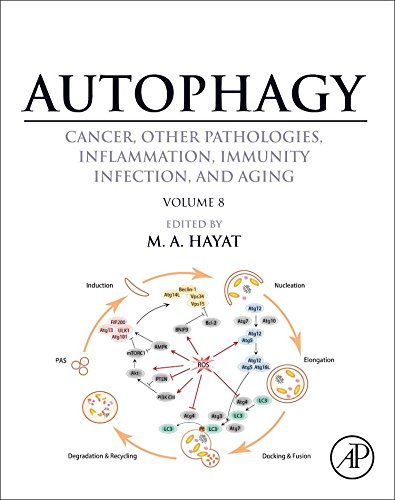
دانلود کتاب اتوفاژی: سرطان، سایر آسیب شناسی ها، التهاب، ایمنی، عفونت و پیری: جلد ۸- بیماری های انسانی ۲۰۱۶ (Autophagy: Cancer, Other Pathologies, Inflammation, Immunity, Infection, and Aging: Volume 8- Human Diseases 2016) با لینک مستقیم و فرمت pdf (پی دی اف)
| نویسنده |
M. A. Hayat |
|---|

۳۰ هزار تومان تخفیف با کد «OFF30» برای اولین خرید
| سال انتشار |
2016 |
|---|---|
| زبان |
English |
| تعداد صفحهها |
418 |
| نوع فایل |
|
| حجم |
14 MB |
🏷️ 200,000 تومان قیمت اصلی: 200,000 تومان بود.129,000 تومانقیمت فعلی: 129,000 تومان.
🏷️
378,000 تومان
قیمت اصلی: ۳۷۸٬۰۰۰ تومان بود.
298,000 تومان
قیمت فعلی: ۲۹۸٬۰۰۰ تومان.
با توجه به اینکه اتوفاژی با فرآیندهای بیولوژیکی متعددی از جمله تکامل و تمایز سلولی، سرطان (هم عملکردهای ضد توموری و هم عملکردهای موافق تومور)، ایمنی، بیماری های عفونی، التهاب، حفظ هموستاز، پاسخ به استرس سلولی و بیماری های دژنراتیو مانند آلزایمر، پارکینسون، هانتینگتون، اسکلروز جانبی آمیوتروفیک و بیماری های پریونی مرتبط است، نیاز زیادی به درک نقش آن وجود دارد. هموستاز سلولی با متعادل کردن بیوسنتز و گردش سلولی به دست می آید. علی رغم اهمیت روزافزون اتوفاژی در موقعیت های پاتوفیزیولوژیکی مختلف (شرایط) ذکر شده در بالا، این فرآیند همچنان دست کم گرفته شده و نادیده گرفته می شود. در نتیجه، نقش آن در شروع، ثبات، حفظ و پیشرفت این بیماری ها و سایر بیماری ها (به عنوان مثال، بیماری خودایمنی) به خوبی شناخته نشده است.
جلد های این مجموعه
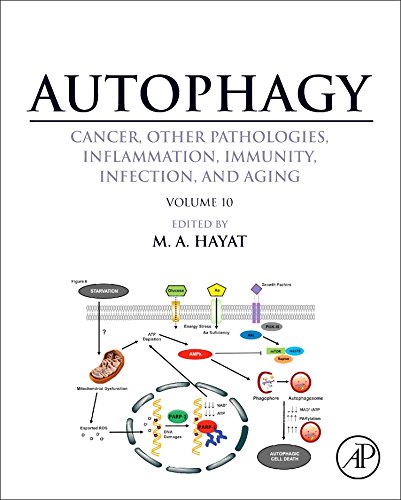
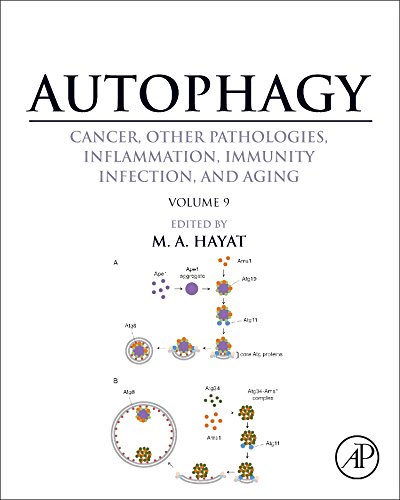
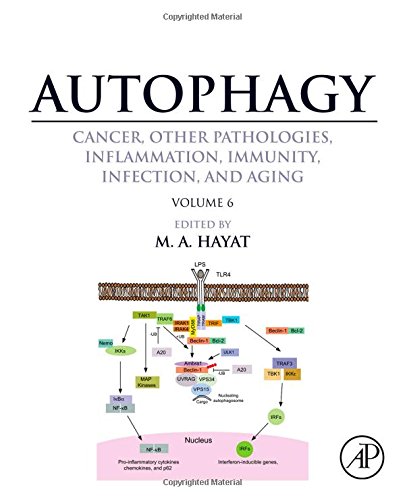
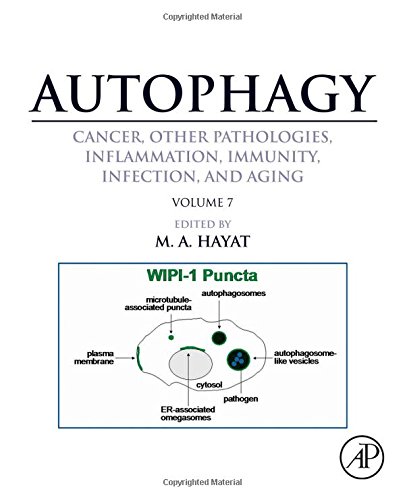
جلد ۱: مکانیسم های مولکولی. ارتباط اتوفاژی را با فرآیندهای بیولوژیکی متعددی، از جمله تکامل و تمایز سلولی، سرطان، ایمنی، بیماری های عفونی، التهاب، حفظ هموستاز، پاسخ به استرس سلولی و بیماری های دژنراتیو مانند آلزایمر، پارکینسون، هانتینگتون، اسکلروز جانبی آمیوتروفیک و بیماری های پریونی روشن می کند. جلد ۲: نقش در بیماری های عمومی. جنبه های مختلف فرآیند پیچیده اتوفاژی را در انبوهی از بیماری های مخرب انسانی توصیف می کند، و از بحث در مورد عملکردهای ضروری اتوفاژی به نقش اتوفاژی در پروتئین ها، پاتوژن ها، ایمنی و بیماری های عمومی گسترش می یابد. جلد ۳: نقش در بیماری های خاص. نقش اتوفاژی را در بیماری ها و تحولات خاص، از جمله: بیماری کرون، بیماری گوشه، بیماری هانتینگتون، عفونت HCV، استئوآرتریت و آسیب کبدی بررسی می کند، با یک بخش کامل که به بررسی عمیق اتوفاژی در رشد تومور و سرطان، و همچنین رابطه بین اتوفاژی و آپوپتوز اختصاص داده شده است. جلد ۴: میتوفاژی. اطلاعات دقیقی در مورد نقش میتوفاژی، اتوفاژی انتخابی میتوکندری، در سلامتی و بیماری ارائه می دهد، و با ارائه یک درمان عمیق از مکانیسم های مولکولی درگیر در شروع و اجرای میتوفاژی، و همچنین نقش میتوفاژی در بیماری پارکینسون، پیری قلبی و آتروفی عضلات اسکلتی. جلد ۵: نقش در بیماری های انسانی. به طور جامع نقش اتوفاژی را در بیماری های انسانی شرح می دهد، و پوششی از نقش های ضد توموری و موافق توموری اتوفاژی ارائه می دهد. مهار درمانی اتوفاژی در سرطان؛ و دوگانگی اثرات اتوفاژی در اختلالات مختلف قلبی عروقی، متابولیکی و تخریب کننده عصبی. جلد ۶: تنظیم اتوفاژی و اتوفاژی انتخابی. پوششی از مکانیسم های تنظیم اتوفاژی، استفاده پاتوژن درون سلولی از مکانیسم اتوفاژی، نقش اتوفاژی در ایمنی میزبان و اتوفاژی انتخابی را ارائه می دهد. جلد ۷: نقش اتوفاژی در کاربردهای درمانی. پوششی از آخرین تحولات در بیوژنز و تنظیم اتوفاگوزوم، نقش اتوفاژی در کنترل کیفیت پروتئین، نقش اتوفاژی در آپوپتوز، اتوفاژی در سیستم قلبی عروقی، و روابط بین اتوفاژی و سبک زندگی را ارائه می دهد. جلد ۸: اتوفاژی و بیماری های انسانی. پیشرفت های اخیر در مکانیسم های مولکولی زمینه ساز تعداد زیادی از بیماری ها و ناهنجاری های ژنتیکی و اپی ژنتیکی را بررسی می کند و استراتژی های درمانی جدید و موثرتری را در توسعه داروهای هدفمند و مرگ سلولی برنامه ریزی شده معرفی می کند و اطلاعاتی را ارائه می دهد که به جلوگیری از التهاب مضر کمک می کند. جلد ۹: بیماری های انسانی و اتوفاگوزوم. بر نقش اتوفاژی در نکروز و التهاب تاکید می کند، و مکانیسم(های) مولکولی زمینه ساز تشکیل اتوفاگوزوم ها، از جمله پیشرفت امگازوم ها به اتوفاگوزوم ها را به تفصیل توضیح می دهد.
Understanding the importance and necessity of the role of autophagy in health and disease is vital for the studies of cancer, aging, neurodegeneration, immunology, and infectious diseases. Comprehensive and forward-thinking, these books offer a valuable guide to both cellular processes while inciting researchers to explore their potentially important connections. Volume 8 Autophagy and Human Diseases, concentrates on the role of Autophagy in human diseases, including tumorigenesis. The diseases discussed include melanoma, liver cancer, pancreatic cancer, and neurodegenerative disorders. Loss of autophagy in the central nervous system causes neurodegeneration (Alzheimers disease, Huntington's disease, Parkin's disease, and Amyotrophic Lateral Sclerosis). Melanoma is one of the most serious diseases in humans. Autophagy plays a key role in the anticancer response to Chemotherapy. However, autophagy can increase or decrease the effectiveness of chemotherapy. The reasons for these contradictory effects are explained. Autophagy also plays a role in idiopathic inflammatory diseases, infection, and immunity. An explanation is given how autophagy is closely linked to control of innate and adaptive immune responses in host defense in part by regulating cytokine production. The role of autophagy in cutaneous malignant melanoma is discussed in detail and expression of Beclin 1 and LC3 autophagic genes in melanoma is included to explain the molecular mechanisms underlying this very serious disease, which tends to metastasize to the brain. The effect of the treatment of this disease using Terfenadine through the induction of autophagy and apoptosis is also included. Autophagy and apoptosis are two main mechanisms involved in programmed cell death.
Considering that autophagy is associated with numerous biological processes including cellular development and differentiation, cancer (both antitumor and protumor functions), immunity, infectious diseases, inflammation, maintenance of homeostasis, response to cellular stress, and degenerative diseases such as Alzheimer's, Parkinson's, Huntington's, amyotrophic lateral sclerosis, and prion diseases, there is a great need to understanding its role. Cell homeostasis is achieved by balancing biosynthesis and cellular turnover. In spite of the increasing importance of autophagy in various pathophysiological situations (conditions) mentioned above, this process remains underestimated and overlooked. As a consequence, its role in the initiation, stability, maintenance, and progression of these and other diseases (e.g., autoimmune disease) remains poorly understood.
Volumes in the Series
Volume 1: Molecular Mechanisms. Elucidates autophagy's association with numerous biological processes, including cellular development and differentiation, cancer, immunity, infectious diseases, inflammation, maintenance of homeostasis, response to cellular stress, and degenerative diseases such as Alzheimer's, Parkinson's, Huntington's, amyotrophic lateral sclerosis, and prion diseases. Volume 2: Role in General Diseases. Describes the various aspects of the complex process of autophagy in a myriad of devastating human diseases, expanding from a discussion of essential autophagic functions into the role of autophagy in proteins, pathogens, immunity, and general diseases. Volume 3: Role in Specific Diseases. Explores the role of autophagy in specific diseases and developments, including: Crohn's Disease, Gaucher Disease, Huntington's Disease, HCV infection, osteoarthritis, and liver injury, with a full section devoted to in-depth exploration of autophagy in tumor development and cancer, as well as the relationship between autophagy and apoptosis. Volume 4: Mitophagy. Presents detailed information on the role of mitophagy, the selective autophagy of mitochondria, in health and disease, by delivering an in-depth treatment of the molecular mechanisms involved in mitophagy initiation and execution, as well as the role of mitophagy in Parkinson Disease, cardiac aging, and skeletal muscle atrophy. Volume 5: Role in Human Diseases. Comprehensively describes the role of autophagy in human diseases, delivering coverage of the antitumor and protumor roles of autophagy; the therapeutic inhibition of autophagy in cancer; and the duality of autophagy's effects in various cardiovascular, metabolic, and neurodegenerative disorders. Volume 6: Regulation of Autophagy and Selective Autophagy. Provides coverage of the mechanisms of regulation of autophagy; intracellular pathogen use of the autophagy mechanism; the role of autophagy in host immunity; and selective autophagy. Volume 7: Role of Autophagy in Therapeutic Applications. Provides coverage of the latest developments in autophagosome biogenesis and regulation; the role of autophagy in protein quality control; the role of autophagy in apoptosis; autophagy in the cardiovascular system; and the relationships between autophagy and lifestyle. Volume 8: Autophagy and Human Diseases. Reviews recent advancements in the molecular mechanisms underlying a large number of genetic and epigenetic diseases and abnormalities, and introduces new, more effective therapeutic strategies, in the development of targeted drugs and programmed cell death, providing information that will aid on preventing detrimental inflammation. Volume 9: Human Diseases and Autophagosome. Emphasizes the role of Autophagy in necrosis and inflammation, explaining in detail the molecular mechanism(s) underlying the formation of autophagosomes, including the progression of Omegasomes to autophagosomes.
✨ ضمانت تجربه خوب مطالعه
در صورت مشکل، مبلغ پرداختی بازگردانده می شود.
دانلود فایل کتاب با سرعت بالا
دانلود مستقیم به همراه ارسال فایل به ایمیل.
با چت آنلاین و پیامرسان ها پاسخگو هستیم.
کتاب ها را از منابع معتیر انتخاب می کنیم.

 هوشمصنوعی ترجمه کالیبو