-36%
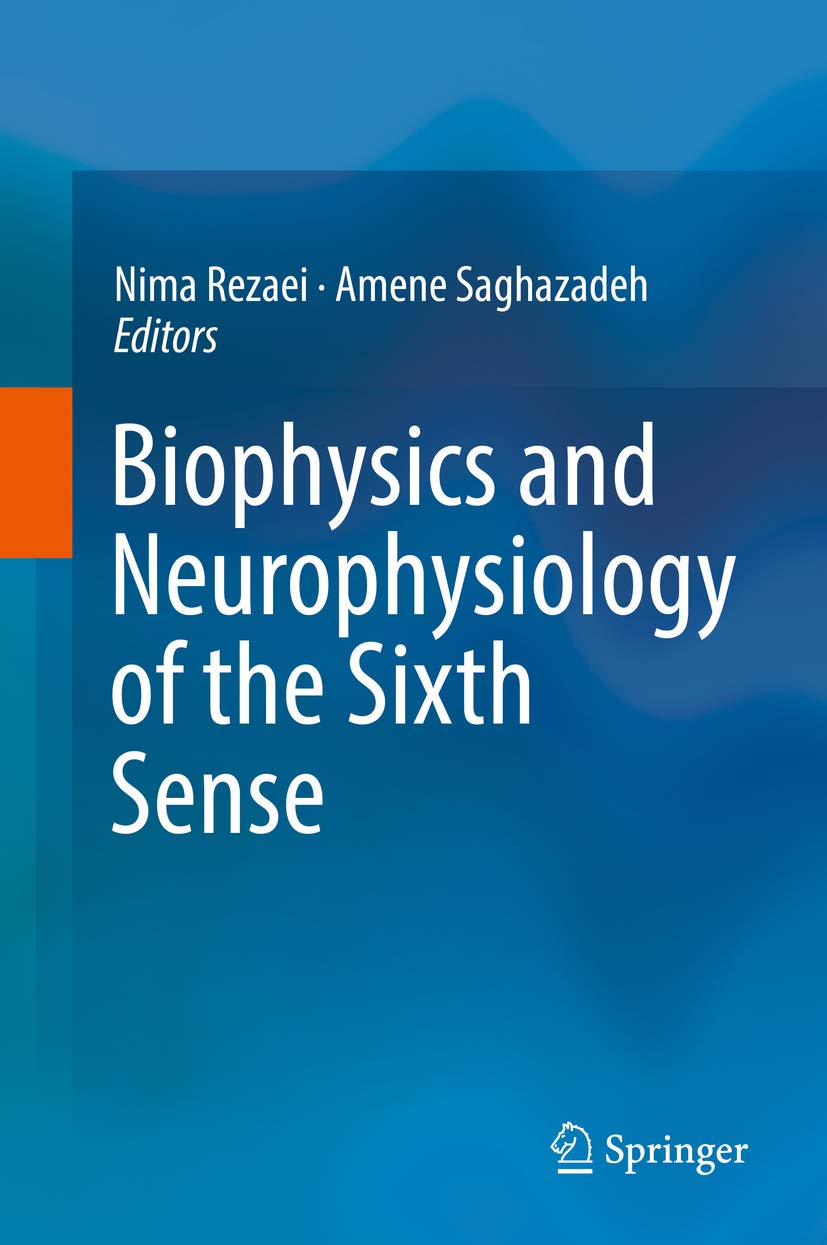
دانلود کتاب بیوفیزیک و نوروفیزیولوژی حس ششم ۲۰۱۹ (Biophysics and Neurophysiology of the Sixth Sense 2019) با لینک مستقیم و فرمت pdf (پی دی اف)
| نویسنده |
Amene Saghazadeh, Nima Rezaei |
|---|

۳۰ هزار تومان تخفیف با کد «OFF30» برای اولین خرید
| سال انتشار |
2019 |
|---|---|
| زبان |
English |
| تعداد صفحهها |
362 |
| نوع فایل |
|
| حجم |
5 Mb |
200,000 تومان قیمت اصلی: 200,000 تومان بود.129,000 تومانقیمت فعلی: 129,000 تومان.
🏷️
378,000 تومان
قیمت اصلی: ۳۷۸٬۰۰۰ تومان بود.
298,000 تومان
قیمت فعلی: ۲۹۸٬۰۰۰ تومان.
حواس متعدد، مانند هوش های چندگانه، کلیدی برای تنوع مغز و در نتیجه تکامل انسان هستند. علاوه بر پنج حس سنتی (بینایی، بویایی، چشایی، شنوایی و حس لامسه)، انسان ها می توانند موقعیت بدن خود (حس عمقی) و حرکت (حس دهلیزی) را نیز درک کنند. حس درونی، احساسی است که فرد در مورد شرایط فیزیولوژیکی داخلی کل بدن دارد. علاوه بر این، یک حس شهود نیز وجود دارد که به عنوان حس ششم نیز شناخته می شود. با وجود بهترین تلاش ها، محققان هنوز نتوانسته اند در تعیین ماهیت حس ششم به توافق برسند. برخی حس عمقی را حس ششم می دانند، در حالی که برخی دیگر ترجیح می دهند آن را بخشی از حس درونی در نظر بگیرند. این کتاب یک سیستم علمی برای حس ششم انسان با استفاده از شواهد بیوفیزیکی و نوروفیزیولوژیکی مرتبط ارائه خواهد داد.
به نظر می رسد قدرت “حس ششم” به دلیل دشواری در تعریف واضح این مفهوم، دست کم گرفته شده است. بر اساس اقتصاد اجتماعی و فیزیک عصبی، حس ششم آن چیزی است که به انسان اجازه می دهد ادراک ایجاد کند یا کیفیت ادراک خود از رویدادها را افزایش دهد. به طور کلی، حس ششم یک فرآیند فراشناختی را درگیر می کند که از طریق آن دانش قبلی و اطلاعات دریافتی از سایر حواس با هم ترکیب می شوند. این حس محدود به جهت خاصی از زمان و نوع خاصی از ذهن یا بدن ناظر نیست، بلکه تمام جهات زمان (گذشته، حال، آینده)، انواع ذهن (آگاه و ناخودآگاه) و بدن های فیزیکی (خود و دیگران) را در نظر می گیرد. با این حال، انتظار می رود که ناظر تمایلات خاصی نسبت به آنچه اکنون اتفاق می افتد یا در آینده رخ خواهد داد و ارتباط آن با خود داشته باشد. به ویژه، انسان ها در مسیر دستیابی به موفقیت در رقابت های اجتماعی و کاهش عدم قطعیت در فرآیندهای تصمیم گیری پیچیده، به حس ششم متوسل می شوند. علاوه بر شواهدی که اجزای ژنتیکی را به زیرمجموعه های حس ششم مرتبط می کند، استراتژی هایی برای افزایش کیفیت ادراکات ارائه شده توسط حس ششم نیز توسعه یافته است. مدیتیشن، که از طریق آن افراد سعی می کنند از دنیا جدا شوند، فعالیت باند گاما را افزایش می دهد و این افزایش فعالیت باند گاما پس از پردازش از بالا به پایین مشاهده می شود. بنابراین می توان نتیجه گرفت که جدایی از محیط ممکن است هماهنگ سازی توابع موج را به نفع تقویت حس ششم افزایش دهد. این می تواند به عنوان مکانیزمی برای تقویت حس ششم در کسانی که سیستم های حسی سالمی دارند عمل کند، همچنین می تواند به عنوان مکانیزمی برای جبران در کسانی که دچار نقص حسی هستند عمل کند. در حالت دوم، در واقع خلاقیت را در استفاده از حواس نسبتاً قوی تشویق می کند. این امر ناشنوایی بتهوون و خلاقیت بزرگ موسیقی او یا نابینایی برامبلیت و توانایی عظیم او در نقاشی و بسیاری از نمونه های مشابه دیگر را توجیه می کند.
به طور خلاصه، کتاب حاضر به پنج بخش تقسیم شده است. بخش 1 (فصل های 1-6) اطلاعاتی در مورد سیستم حس عمقی و نوروفیزیولوژی و بیوفیزیک آن ارائه می دهد. بخش 2 (فصل های 7-10) سیستم حس درونی را بررسی می کند. اطلاعات ارائه شده در این دو بخش ما را قادر می سازد تا به سه بخش بعدی داستان، با هدف توسعه یک سیستم علمی از حس ششم، حرکت کنیم. فصل اول از بخش 3 با مفاهیم آغاز می شود و از آنها برای رسیدن به این نتیجه منطقی استفاده می کند که باید حسی وجود داشته باشد که نیاز به پردازش اطلاعات چند مرحله ای داشته باشد و از حس عمقی و حس درونی جدا باشد. چنین حسی معمولاً به عنوان حس ششم شناخته می شود. با این حال، باید شماره گذاری مجدد شود زیرا حس عمقی قبلاً به عنوان حس ششم شناخته می شود. فصل دوم از این بخش به ترسیم مدارهای عصبی می پردازد که حس ششم را در ذهن یک مرد عصب دهی می کنند، در حالی که فصل سوم به این سوالات می پردازد که آیا سیستم حس ششم برای عملکرد صحیح به شایستگی یا آگاهی بهینه از ذهن نیاز دارد یا خیر و اگر چنین است، کدام حالت بهینه است: آگاهانه یا ناخودآگاه و شایستگی یا ناشایستگی. در فصل چهارم این بخش، بر ادغام خود-دیگری به عنوان یک گام محوری در سیستم حس ششم تمرکز خواهیم کرد. فصل بعدی برای عصب زیست شناسان بسیار جالب خواهد بود. این فصل در مورد این موضوع صحبت می کند که حس ششم انسان از دنیای نادیده، چه جهت نادیده زمان و چه رویدادهای نادیده، نیازمند خلاقیت است و بنابراین حس ششم انسان باید منبع خلاقیت، تنوع و در نتیجه تکامل در نظر گرفته شود. در فصل ششم، حس ششم به عنوان یک فعالیت اقتصادی ناشی از محیط های اجتماعی در نظر گرفته می شود. این فصل از این واقعیت ناشی می شود که انسان ها پر از اشتیاق برای افزایش حس ششم و دقت آن هستند و این اشتیاق خود را تا حد زیادی مدیون دستیابی به بهترین سود ممکن و به عبارت دیگر برنده شدن در رقابت های شدید در زندگی خود هستند که عمدتاً بر مفهوم انعطاف پذیری استوار است. در نهایت این بخش با بحثی شگفت انگیز در مورد هنر حس ششم به پایان می رسد.
فصل اول از بخش 4 به بحث در مورد نظریه های فیزیکی می پردازد که از وجود حس ششم در جهان پشتیبانی می کنند. فصل بعدی به کاربرد نظریه بیز در حس ششم می پردازد و به این نتیجه می رسد که حس ششم از طریق بهینه سازی عدم قطعیت اطلاعات دریافتی از سایر حواس، یکپارچه سازی چند حسی را بهبود می بخشد. فصل سوم در این بخش به این موضوع می پردازد که آیا زمان بندی نسبی مانند سایر حواس در حس ششم نیز کاربرد دارد یا خیر. آخرین بخش کتاب که هدف آن بحث مستقیم در مورد حس ششم در زمینه سلامت و رفتار انسان است، در چهار فصل سازماندهی شده است. فصل اول به بحث در مورد تغییرات عصبی رشدی در حس ششم می پردازد، در حالی که فصل های دوم و سوم در مورد ارتباط آن با اختلالات روانپزشکی و عصبی بحث خواهند کرد. مهم ترین سوال این است که حس ششم چقدر بر سلامت و رفتار انسان تاثیر دارد که در فصل چهارم این بخش و فصل پایانی کتاب مورد بررسی قرار می گیرد، که با استفاده از مدل های شبکه عصبی و تصاویر پیچیده ممکن برای سیستم حس ششم تهیه خواهد شد.
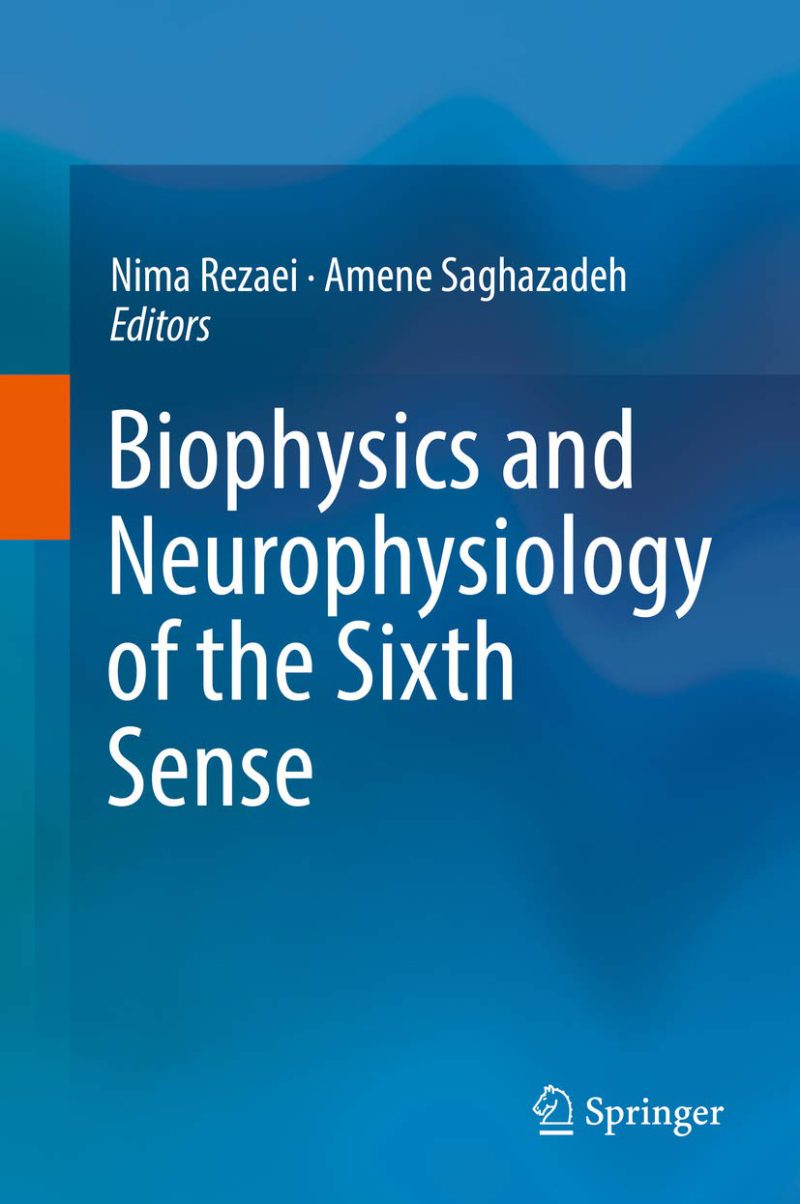
Multiple senses, like multiple intelligences, are a key to brain variability and therefore human evolution. Besides the traditional five senses (vision, olfaction, gustation, audition, and somatosensory), humans can also perceive the body’s own position (the sense of proprioception) and movement (the vestibular sense). Interoception is the feeling one has about the internal physiological conditions of the entire body. Additionally there is a sense of intuition, also known as the sixth sense. Despite their best efforts, researchers are still unable to concur in specifying the nature of the sixth sense; some consider the sense of proprioception as the sixth sense, whereas others prefer to consider that as a part of interoception. This book will provide a scientific system for the human sixth sense using relevant biophysical and neurophysiological evidence.
The power of “sixth sense” seems to be underestimated, due to difficulties in defining the concept clearly. According to socioeconomics and neural physics, the sixth sense is that which permits humans to create perception or to enhance the quality of their perception of events. Roughly speaking, the sixth sense engages a metacognitive process through which prior knowledge and the information received from other sensory modalities are synergized. It is not restricted to specific arrow of time and type of mind or to the observer’s body, but it considers all arrows of time (past, present, future), types of mind (conscious and unconscious), and physical bodies (self and other). However it is expected that the observer has specific biases towards what happens now or would happen in the future and its relation to himself. Particularly, humans appeal to the sixth sense on the road to achieving success in social competitions and to reduce uncertainty in complex decision making processes. In addition to evidence linking genetic components to the sixth sense submodalities, there have been developed strategies for increasing the quality of perceptions provided by the sixth sense. Meditation, through which individuals try to be detached from the world, increases gamma-band activity and that increased gamma-band activity is found following top-down processing. Therefore it can be inferred that the detachment from the environment may enhance synchronization of the wave functions in favor of strengthening the sixth sense. It can serve as the mechanism of enhancement of the sixth sense in those whose sensory systems are intact, it can also serve as the mechanism of compensation in those who have sensory deficiencies. In the latter case, it in fact encourages creativity in the use of relatively strong senses. This justifies Beethoven’s deafness and his great musical creativity or Bramblitt’s blindness and his enormous capability to paint and many other similar examples.
In summary, the present book is divided into five parts. Part 1 (chapters 1-6) provides information about the system of proprioception and its neurophysiology and biophysics. Part 2 (chapters 7-10) examines the system of interoception. The information provided in these two parts would enable us to move towards the next three parts of the story, aimed at developing a scientific system of the sixth sense. The first chapter of part 3 begins with concepts and uses them to arrive at reasonable conclusion that there must be a sense that requires multistep information processing and that is separate from the sense of proprioception and the sense of interoception. Such sense is commonly known as the sixth sense. However it should be re-numbered because the sense of proprioception is already known as the sixth sense. The second chapter of this part is to draw neurocircuitry that innervates the sixth sense in the mind of a man, while the third chapter would address the questions whether the sixth sense system requires an optimal competence or consciousness of mind to function properly and if so which is the optimal state: conscious or unconscious and competence or incompetence. In the fourth chapter of this part, we will focus on the self-other mergence as a pivotal step of the sixth sense system. The next chapter would be of great interest to neurobiologists. It talks about that the human sixth sense of the unseen world, either the unseen arrow of time or the unseen events, requires creativity and therefore the human sixth sense should be considered a source of creativity, variability and thus evolution. In the sixth chapter, the sixth sense is viewed as an economic activity stimulated by social environments. This chapter arisen from the fact that humans are full of enthusiasm to heighten their sixth sense and its accuracy and that they owe their enthusiasm largely to achieving the best possible profit and in other words to wining intense competitions in their life holds mainly on the concept of elasticity. Finally this part is finished by an amazing discussion on the art of the sixth sense.
The first chapter of part 4 discusses physical theories that support the existence of sixth sense in the universe. The next chapter is to apply the Bayes’ theory to the sixth sense, leading to the conclusion that the sixth sense improves multisensory integration through optimizing uncertainty of information received from other sensory modalities. Chapter three in this part would address whether relative timing is applicable to the sixth sense like other senses. The last part of book aimed at directly discussing the sixth sense into the context of human health and behavior is organized into four chapters. The first chapter is to discuss neurodevelopmental changes in the sixth sense, while the second and third ones will discuss that in relation to psychiatric and neurological disorders. The most striking question how much power the sixth sense the sixth sense have over human health and behavior is addressed in the fourth chapter of this part and final chapter of book, which will be prepared using neural network models and sophisticated portraits possible for the system of sixth sense.
✨ ضمانت تجربه خوب مطالعه
در صورت مشکل، مبلغ پرداختی بازگردانده می شود.
دانلود فایل کتاب با سرعت بالا
دانلود مستقیم به همراه ارسال فایل به ایمیل.
با چت آنلاین و پیامرسان ها پاسخگو هستیم.
کتاب ها را از منابع معتیر انتخاب می کنیم.

 هوشمصنوعی ترجمه کالیبو