Sale
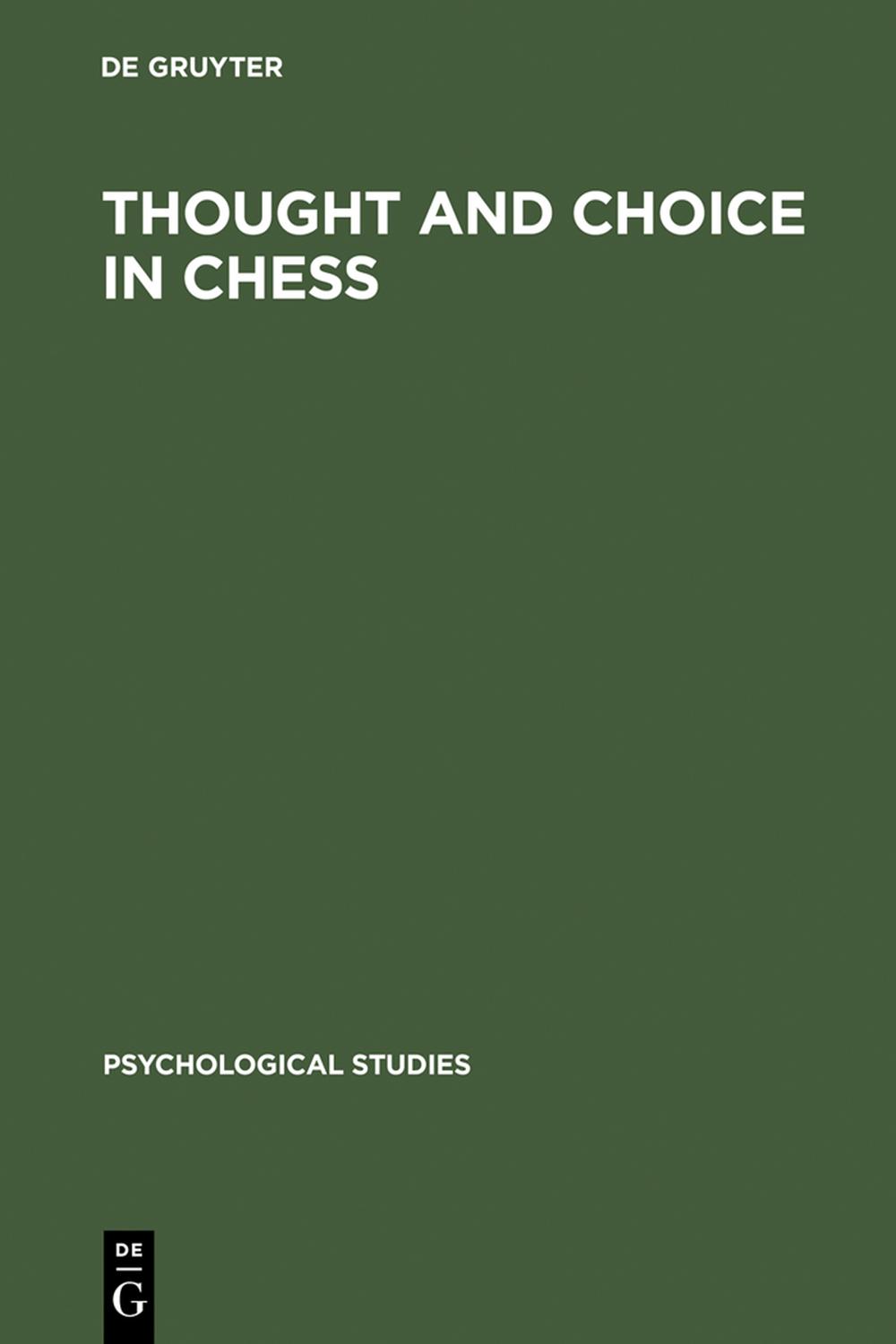
دانلود کتاب تفکر و انتخاب در شطرنج ۲۰۱۴ (Thought and Choice in Chess 2014) با لینک مستقیم و فرمت pdf (پی دی اف)
| نویسنده |
Adriaan D. de Groot |
|---|

۳۰ هزار تومان تخفیف با کد «OFF30» برای اولین خرید
| سال انتشار |
2014 |
|---|---|
| زبان |
English |
| تعداد صفحهها |
479 |
| نوع فایل |
epub, pdf |
| حجم |
17 Mb |
🏷️ 200,000 تومان قیمت اصلی: 200,000 تومان بود.129,000 تومانقیمت فعلی: 129,000 تومان.
🏷️
378,000 تومان
قیمت اصلی: ۳۷۸٬۰۰۰ تومان بود.
298,000 تومان
قیمت فعلی: ۲۹۸٬۰۰۰ تومان.
۱. پیشگفتار
۲. پیشگفتار ویرایش دوم
۳. فهرست جداول
۴. اول. بیان مسئله
۵. الف. مقدمه
۱. ادبیات شطرنج
۲. مطالعه بینه
۳. مسئله استعداد شطرنج
۹. ب. هدف این مطالعه
۴. تحلیل تفکر شطرنجی
۵. سازماندهی کتاب
۱۲. ج. مسئله انتخاب حرکت
۶. تنوع مسئله
۷. آزادی قانونی انتخاب (K)
۸. آزادی عینی انتخاب
۱۶. د. طرح اثبات برای یک موقعیت قابل حل به طور عینی: حرکت W۱ بهترین است.
۹. ساختار دوقسمتی طرح اثبات
۱۰. اهمیت طرح برای فرایند فکری
۱۹. دوم. نظریه های روانشناختی تفکر
۲۰. الف. تداعی گرایی و جنبش های متضاد
۱۱. ویژگی های اصلی نظریه تداعی کلاسیک
۱۲. روابط به تصاویر تقلیل پذیر نیستند
۱۳. بازتولیدها تداعی گر نیستند
۱۴. «اتم گرایی» از نظر اکتشافی بارور نیست
۷۵. مدل های تداعی گرا در تفکر هدایت شده با شکست مواجه می شوند
۱۶. سوژه عملیات را انجام می دهد
۲۷. ب. ویژگی های اصلی نظریه سلز
۱۷. اتو سلز و مدل مفهومی او از تفکر هدایت شده
۱۸. پیوندهای عمومی و پیش بینی شماتیک
۱۹. عمومی ترین روش های حل مسئله
۲۰. ترکیب و پیوند روش های حل مسئله
۲۱. ساختار فازی
۳۳. سوم. روش و طرح آزمایشی
۳۴. الف. بحث درباره روش
۲۲. روش های مورد استفاده توسط سایر محققان
۲۳. مزایا و معایب «فکر کردن با صدای بلند»
۲۴. موقعیت آزمایشی در مقابل موقعیت بازی واقعی
۳۸. ب. شرح آزمایش ها
۲۵. سوژه ها
۲۶. موقعیت های شطرنجی
۲۷. مکان و زمان
۲۸. دستورالعمل ها و شرایط آزمایشی
۴۳. ششم. ساختار بیرونی فرایند فکری
۲۹. مقدمه ای بر قسمت تحلیلی
۴۵. الف. ساختار فازی بیرونی
۳۰. پروتکل (M۲; B)
۳۱. فاز اول
۳۲. تناوب فازهای تفصیلی
۳۳. پیوند «تجمعی» و «فرعی»
۳۴. فازهای انتقالی
۵۱. ب. آمار پروتکل
۳۵. معیارهای عمومی پروتکل
۳۶. آمار پیشنهادات حل مسئله
۵۴. پنجم. مسائل اصلی و فرعی
۵۵. الف. تحلیل سیستماتیک ساختار مسئله
۳۷. تفسیر عناصر یک پروتکل
۳۸. مسئله و هدف گذاری
۳۹. ساختار کلی مسئله فرآیند تفکر شطرنجی
۵۹. ب. مسائل فرعی معمول در فرآیند فکری
۴۰. مسائل فرعی در بررسی موقعیت (فاز اول)
۴۱. اهداف و صورت بندی های مسئله در قسمت اصلی (در بررسی احتمالات)
۴۲. بررسی مجدد احتمالات خاص
۴۳. همگرایی به و بازخوانی استدلال (فاز نهایی)
۶۴. ششم. توسعه مسئله
۴۴. فرآیند حل به عنوان توسعه مسئله
۴۵. شکل گیری مسئله در طول فاز اول
۴۶. تکمیل و غنی سازی تصور هدف کلی پس از فاز اول
۴۷. تحولات ساختاری در استدلال
۴۸. فازهای انتقالی به عنوان فازهای تحول مسئله
۴۹. انواع و مثال هایی از توسعه مسئله
۷۱. هفتم. سازماندهی و روش شناسی فرآیند فکری
۷۲. الف. توالی فازها
۵۰. اصل تعامل
۵۱. سلسله مراتب روش های فرعی
۵۲. روش تعمیق تدریجی و کنار گذاشتن یک احتمال
۵۳. فازهای تفصیلی و توالی آنها
۷۷. ب. روش های تفکر شطرنجی
۵۴. مهمترین روش ها به عنوان تحولات مسئله типичные
۵۵. روش های مختص به بخش های خاصی از فرآیند فکری
۵۶. امتحان کردن به عنوان یک روش عمومی
۵۷. روش های بازی: زرادخانه استاد شطرنج
۵۸. عوامل تولیدمثلی در تفکر مولد: دانش و تجربه
۵۹. تفاوت های فردی در سیستم روش ها
۸۴. هشتم. استعداد شطرنج
۶۰. استادی
۶۱. ثانیه های اول: درک یک موقعیت جدید
۶۲. ویژگی های خاص تفکر شطرنجی
۶۳. شخصیت بازی و بازیکن
۶۴. توسعه استعداد شطرنج
۶۵. عوامل استعداد شطرنج
۶۶. دستاوردهای فوق برنامه استادان شطرنج
۹۲. یازدهم. سخن آخر ۱۹۶۳
۶۷. استفاده از روش های درون نگر
۶۸. در مورد تکنیک های درون نگر
۶۹. ابهام و عملیات چند منظوره
۷۰. نکاتی در مورد برنامه های بازی شطرنج
۹۷. پیوست I: بازی هایی که موقعیت های A، B و C از آنها گرفته شده است
۹۸. پیوست II: مجموعه پروتکل ها
۹۹. کتابشناسی
۱۰۰. الف. ادبیات شطرنج
۱۰۱. ب. ادبیات روانشناسی
۱۰۲. فهرست موضوعات
۱۰۳. فهرست نام ها
1. PREFACE
2. PREFACE TO THE SECOND EDITION
3. LIST OF TABLES
4. I. STATEMENT OF THE PROBLEM
5. A. Introduction
1. The literature of chess
2. Bine’s study
3. The question of chess talent
9. B. The object of this study
4. The analysis of chess thinking
5. Organization of the book
12. C. The choice-of-move-problem
6. The variability of the problem
7. The legal freedom of choice (K)
8. Objective freedom of choice
16. D. The proof schema for an objectively solvable position: Move W1 is the best
9. The two part structure of the proof schema
10. The significance of the schema for the thought process
19. II. PSYCHOLOGICAL THEORIES OF THINKING
20. A. Associationism and counter movements
11. The main traits of classical association theory
12. Relations are not reducible to images
13. Reproductions are not associative
14. ‘Atomism’ is not heuristically fertile
75. Associative models fail for directed thought
16. The subject carries out operations
27. B. The main features of the theory of Selz
17. Otto Selz and his conceptual model of directed thought
18. General linkings and the schematic anticipation
19. The most general solving methods
20. Combination and linking of solving methods
21. Phase structure
33. III. METHOD AND EXPERIMENTAL DESIGN
34. A. Discussion of method
22. Methods used by other investigators
23. Pros and cons of ‘thinking aloud’
24. Experimental versus real play situation
38. B. Description of the experiments
25. Subjects
26. Chess positions
27. Place and time
28. Instructions and experimental conditions
43. VI. THE EXTERNAL STRUCTURE OF THE THOUGHT PROCESS
29. Introduction to the analytical part
45. A. The external phase structure
30. The protocol ( M2; B)
31. The first Phase
32. Alternation of elaborative phases
33. ‘Cumulative’ and ‘subsidiary’ linking
34. Transitional phases
51. B. Protocol statistics
35. General protocol measures
36. Statistics of solving propositions
54. V. MAIN AND SUBPROBLEMS
55. A. The systematic analysis of the problem structure
37. Interpretation of the elements of a protocol
38. Problem and goal-setting
39. The general problem structure of the process of chess thought
59. B. Typical subproblems in the thought process
40. Subproblems in the position investigation (first Phase)
41. Goals and problem formulations in the main part (in the investigation of possibilities)
42. Re-investigation of specific possibilities
43. The convergence to and the recapitulation of the argument (final Phase)
64. VI. THE DEVELOPMENT OF THE PROBLEM
44. The solution process as development of the problem
45. Problem formation during the first Phase
46. The completion and enrichment of the total goal conception after the first Phase
47. Structural transformations in the argumentation
48. Transitional phases as phases of problem transformation
49. Types and examples of problem development
71. VII. THE ORGANIZATION AND METHODOLOGY OF THE THOUGHT PROCESS
72. A. The sequence of phases
50. The principle of interaction
51. The hierarchy of subsidiary methods
52. The method ofprogressive deepening and the scrapping of a possibility
53. The elaborative phases and their sequence
77. B. The methods of chess thinking
54. The most important methods as typical problem transformations
55. Methods peculiar to specific parts of the thought process
56. Trying out as a general method
57. Playing methods: the arsenal of the chess master
58. Reproductive factors in productive thinking: Knowledge and Experience
59. Individual differences in the system of methods
84. VIII. CHESS TALENT
60. Mastership
61. The first seconds: the perception of a new position
62. Specific traits of chess thinking
63. The character of game and player
64. The development of chess talent
65. Factors of chess talent
66. Extracurricular achievements of chessmasters
92. XI. EPILOGUE 1963
67. The use of introspective methods
68. On introspective techniques
69. Ambiguity and multifunctional operations
70. Remarks on chess playing programs
97. APPENDIX I: THE GAMES FROM WHICH POSITIONS A, B, AND C WERE TAKEN
98. APPENDIX II: COLLECTION OF PROTOCOLS
99. BIBLIOGRAPHY
100. A. Chess literature
101. B. Psychological literature
102. INDEX OF SUBJECTS
103. INDEX OF NAMES
✨ ضمانت تجربه خوب مطالعه
در صورت مشکل، مبلغ پرداختی بازگردانده می شود.
دانلود فایل کتاب با سرعت بالا
دانلود مستقیم به همراه ارسال فایل به ایمیل.
با چت آنلاین و پیامرسان ها پاسخگو هستیم.
کتاب ها را از منابع معتیر انتخاب می کنیم.


 هوشمصنوعی ترجمه کالیبو